: Norbert
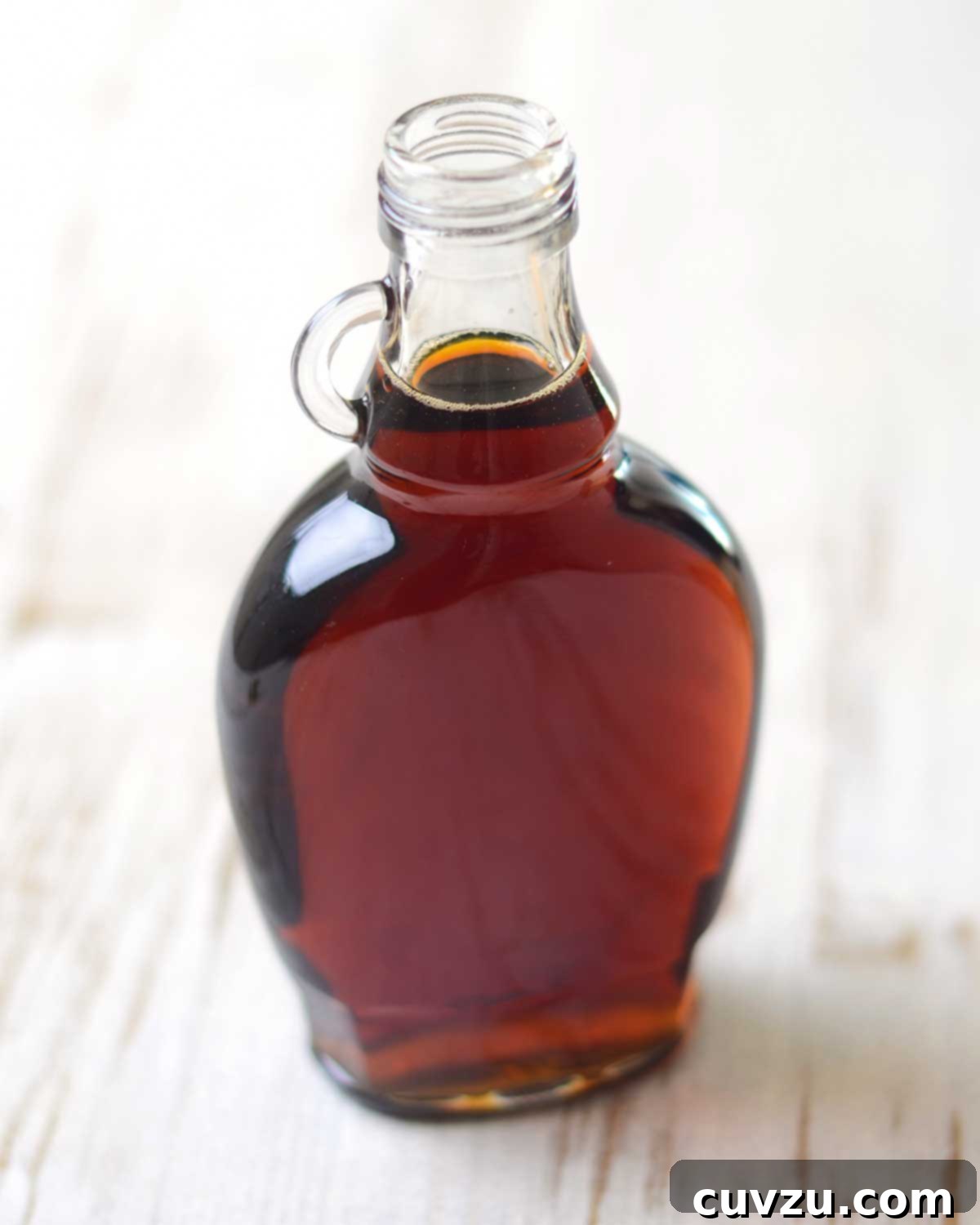
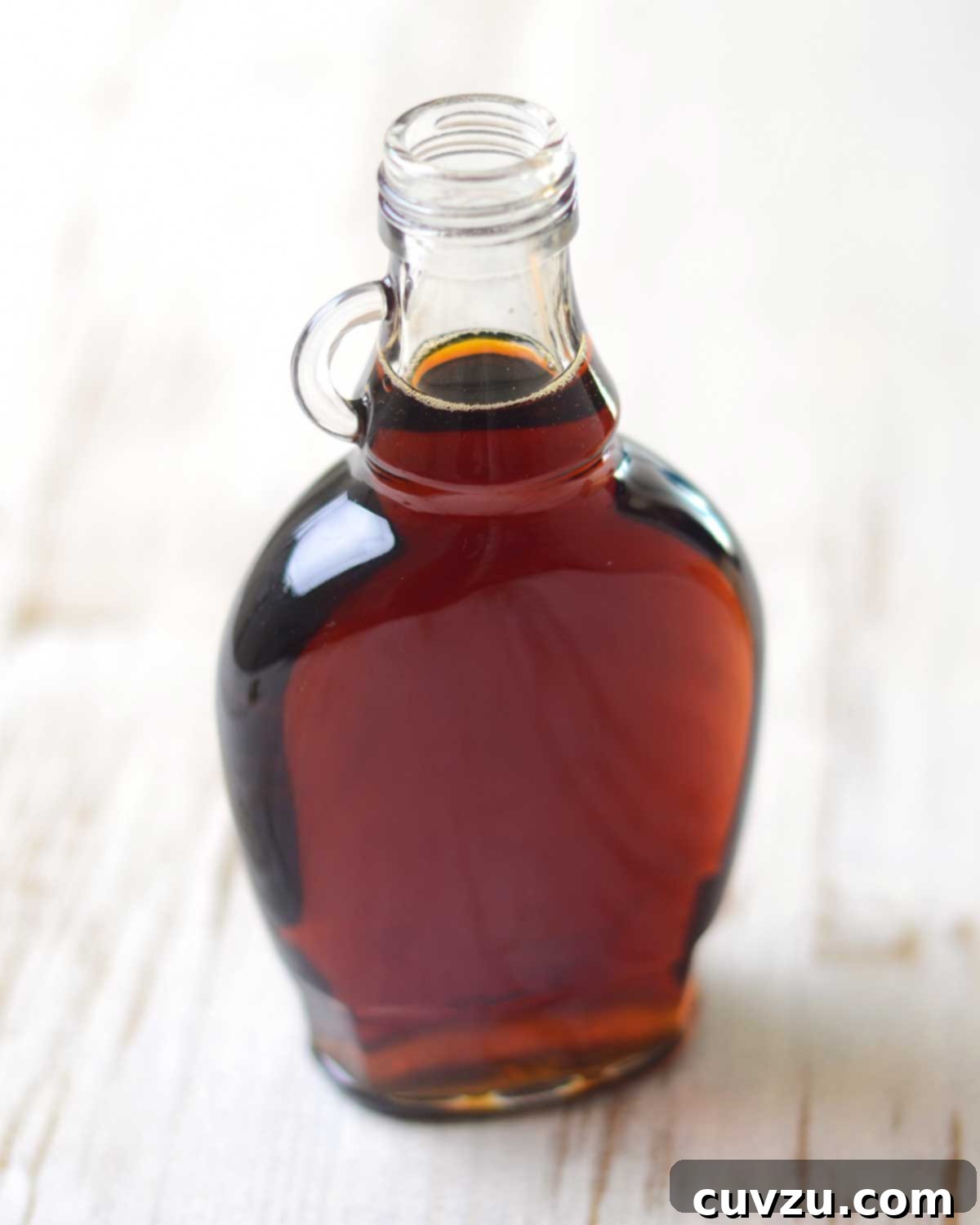
Pure maple syrup, often dubbed “liquid gold,” is a culinary treasure renowned for its exquisite sweetness, rich aroma, and distinctive flavor profile. From breakfast classics like pancakes and waffles to sophisticated savory dishes such as maple-glazed carrots with bourbon or a touch of sweetness on maple bacon, its versatility knows no bounds. This natural sweetener, harvested from the sap of maple trees, holds a special place in kitchens worldwide, appreciated for its authenticity and deep connection to nature.
As Ken Haedrich eloquently puts it in “The Maple Syrup Cookbook, 3rd edition: Over 100 Recipes for Breakfast, Lunch & Dinner (Storey Publishing, 2015),” pure maple syrup offers a unique combination of sensual pleasures that artificial ingredients simply cannot replicate. He notes, “In an age when so many of our comestibles are nothing more than machine-made synthetics, maple syrup remains an oasis of purity, still made on the farm by men and women whose connection with the earth is part of their daily lives.” This sentiment underscores the value of maple syrup not just as an ingredient, but as a product of heritage and careful craftsmanship.
Given its purity, value, and unique qualities, ensuring proper storage for your maple syrup is paramount. Every drop is precious, and intelligent storage practices are essential to preserve its characteristic flavor, beautiful amber color, and ensure its safety for consumption. Whether you’re a connoisseur who enjoys it sparingly or a family that goes through bottles at a dizzying rate, understanding the best ways to store this natural sweetener will help you savor its perfection down to the very last drop.
The Importance of Proper Maple Syrup Storage
Storing maple syrup correctly isn’t just about preventing spoilage; it’s about safeguarding its distinct characteristics. Maple syrup is a natural product, primarily composed of sugars and water, along with trace minerals and compounds that give it its unique flavor. These natural elements, while delicious, can also make it susceptible to spoilage if not stored under the right conditions. Factors like light, temperature fluctuations, and exposure to air can all contribute to a decline in quality.
Improper storage can lead to several issues, including the development of mold, crystallization, or a degradation of its delicate flavor and aroma. When you invest in pure maple syrup, you’re investing in a natural product with a story and a unique taste. Wasting it due to preventable storage mistakes would be a culinary tragedy. By adhering to a few simple guidelines, you can extend the shelf life of your maple syrup and ensure that every serving is as fresh and flavorful as the first.
How Should I Store Maple Syrup? A Comprehensive Guide
The optimal storage method for maple syrup largely depends on whether the bottle is opened or unopened, and how long you intend to keep it. Ken Haedrich, a seasoned expert, admits to rarely encountering storage problems with maple syrup due to its rapid consumption in his household. However, for those who don’t go through it quite as quickly, careful consideration of storage conditions is key.
Storage for Opened Maple Syrup
Once a bottle of pure maple syrup has been opened, it becomes vulnerable to environmental factors, particularly airborne microorganisms like yeast and mold. The natural sugars in maple syrup make it an attractive environment for these contaminants if left at room temperature after opening. Therefore, refrigeration is not just recommended, but essential.
Refrigeration: Transferring opened maple syrup into a clean, clear glass container and keeping it cold in the refrigerator is the best practice. The cool temperatures of the fridge significantly slow down the growth of yeast and mold, thereby preserving the syrup’s freshness and preventing spoilage. In the refrigerator, an opened bottle of pure maple syrup can maintain its quality for up to a year. Always ensure the lid is tightly sealed to minimize air exposure and prevent the absorption of other food odors.
Freezing for Long-Term Storage: For those who buy maple syrup in bulk, perhaps after a visit to a maple farm or taking advantage of a sale, freezing is an excellent long-term storage solution. Haedrich notes, “Freezing is the smartest option for long-term storage, one especially worth considering if your refrigerator space is limited.” Maple syrup has a low freezing point due to its high sugar content, meaning it won’t freeze solid like water, but rather achieves a thick, slushy consistency. This makes it easy to scoop or pour even when frozen. When frozen, pure maple syrup can maintain its peak quality almost indefinitely. You can freeze it in its original container if it’s freezer-safe, or transfer it to smaller, airtight freezer-safe containers for convenience. Thaw frozen syrup in the refrigerator or at room temperature as needed.
Storage for Unopened Maple Syrup
Unopened bottles of pure maple syrup are much more stable and have a considerably longer shelf life compared to their opened counterparts. The sealed container protects the syrup from air, light, and contaminants.
Pantry Storage: Unopened bottles of maple syrup can be stored in a cool, dark place, such as a pantry or cupboard, at room temperature for up to 1 year, and often even longer. While it won’t “go bad” in the same way dairy might, its quality (flavor, color) can slowly degrade over a very long period. Always check the “best by” or “expiration” date provided by the producer, though pure maple syrup often remains good well past these dates if stored correctly. Avoid storing it near heat sources like ovens or windows where it might be exposed to direct sunlight, as warmth and light can negatively impact its quality.
Does It Matter What I Store It In? The Impact of Container Material
The type of container you use for storing maple syrup can significantly influence its flavor, color, and shelf life, particularly after opening. Different materials interact with the syrup in distinct ways, some preserving its purity better than others.
Glass Containers: Glass is widely regarded as the superior choice for maple syrup storage. When stored in glass and refrigerated, maple syrup maintains its flavor and color indefinitely. Glass is non-reactive, meaning it won’t impart any off-flavors to the syrup, and its impermeable nature provides an excellent barrier against oxygen and moisture. Clear glass allows you to easily monitor for signs of mold or crystallization, while dark amber glass can offer an added layer of protection against light degradation, although this is more critical for extremely long-term storage in bright conditions.
Tin Cans: While some maple syrup is packaged in tin cans, particularly larger quantities, Haedrich cautions that syrup stored in tin cans can pick up a metallic or “tinny” flavor over time. This can happen due to minor chemical reactions between the syrup and the metal, especially if the can’s internal lining is compromised or if it’s stored for an extended period. For this reason, it’s generally advisable to transfer maple syrup from a tin can to a glass container once opened, especially if you plan to keep it for more than a few weeks.
Plastic Containers: Plastic is a common and convenient packaging material for maple syrup, often chosen for its durability and lighter weight. However, plastic is less ideal for long-term flavor and color preservation. Maple syrup stored in plastic containers typically maintains its flavor and color for only three to six months. This limitation stems from plastic’s inherent breathability. Unlike glass, plastic is slightly permeable, allowing minute amounts of oxygen to seep through. This oxygen exposure can lead to subtle oxidation of the syrup, gradually altering its flavor and causing its vibrant amber color to darken over time. If you purchase syrup in plastic, plan to consume it more quickly or transfer it to glass for longer storage.
What If I Find Mold On My Maple Syrup? (Ewww!)
Discovering mold on your maple syrup can be startling, but it doesn’t necessarily mean your entire batch is ruined. “As a wild food, maple syrup contains trace amounts of natural yeast, making it susceptible to molding or fermenting,” explains Vermont-based Maple Farms, a leading independent supplier of pure and organic maple syrup in the United States. This natural predisposition is precisely why refrigeration is crucial once the syrup is opened, to “maintain freshness.”
The good news is that mold on pure maple syrup usually forms on the surface and often can be safely removed, especially if caught early. Unlike molds on some other foods that penetrate deeply, mold in maple syrup is typically confined to the top layer due to the syrup’s high sugar concentration, which acts as a natural preservative and inhibits deep growth.
How to Salvage Moldy Maple Syrup: If you find a small patch of mold, don’t despair. Haedrich advises, “Strain it through cheesecloth and then bring the syrup to a boil. Pour it back into a clean container, and your syrup will be perfectly safe to use.” Here’s a more detailed process:
- Assess the Mold: If the mold is extensive, covers a large surface area, or if the syrup has an unusual odor or off-flavor, it’s best to err on the side of caution and discard it. Small, isolated spots are usually manageable.
- Skim the Mold: Carefully skim off the moldy layer from the surface of the syrup. You can use a spoon, trying to remove as little syrup as possible while ensuring all visible mold is gone.
- Strain the Syrup: Pour the remaining syrup through several layers of clean cheesecloth or a fine-mesh sieve lined with a coffee filter. This will catch any remaining mold spores or debris.
- Boil the Syrup: Transfer the strained syrup into a clean saucepan and bring it to a rolling boil over medium heat for at least one minute. Boiling effectively kills any remaining mold spores and inhibits further growth.
- Re-bottle and Refrigerate: Once boiled, let the syrup cool slightly, then pour it into a thoroughly cleaned and sterilized glass container. Seal it tightly and immediately place it back into the refrigerator.
By following these steps, you can safely restore your maple syrup, ensuring no precious drop goes to waste.
What If My Maple Syrup Crystallizes?
Another common, yet harmless, phenomenon is the crystallization of maple syrup. This occurs when the sugar solution becomes supersaturated, causing some of the sugars to precipitate out and form crystals, often at the bottom of the container. It’s a natural process, especially if the syrup has been stored at inconsistent temperatures or for a very long time, and it does not indicate spoilage or affect the quality or safety of the syrup.
How to Restore Crystallized Maple Syrup: Restoring crystallized maple syrup to its smooth, liquid state is simple. Haedrich instructs, “Similarly, if your maple syrup crystallizes, place the glass container in a pan of very hot water, he instructs, to melt the crystals and restore it to its liquid state.”
- Hot Water Bath: Place the sealed glass container of crystallized maple syrup into a larger pot or pan filled with very hot (but not boiling) water. Ensure the water level comes up around the sides of the syrup container but does not go over the top.
- Gentle Heating: Let the container sit in the hot water. The gentle heat will gradually warm the syrup and dissolve the sugar crystals. You can replace the water with fresh hot water if it cools down too much.
- Stirring (Optional): For faster dissolution, you can open the container (if safe to do so with the heat) and gently stir the syrup.
- Check for Clarity: Once all the crystals have dissolved and the syrup returns to its original smooth, liquid consistency, remove it from the hot water bath.
- Store Properly: Allow the syrup to cool before placing it back in the refrigerator.
Crystallization is purely an aesthetic and textural issue, and resolving it means your maple syrup is perfectly good to continue enjoying.
Final Tips for Maple Syrup Longevity
To ensure your pure maple syrup stays delicious and safe for as long as possible, keep these additional best practices in mind:
- Always Use Clean Utensils: When dipping into your syrup, always use a clean spoon or ladle. Introducing foreign particles or contaminants can accelerate spoilage.
- Keep Lids Tightly Sealed: After each use, ensure the container’s lid is securely fastened. This minimizes air exposure, which can lead to oxidation and potential mold growth.
- Monitor for Off-Odors or Tastes: While pure maple syrup is quite stable, if you ever notice an off-odor, an unusual sour or fermented taste, or excessive cloudiness beyond typical crystallization, it’s a sign that the syrup may have spoiled and should be discarded.
- Buy Appropriate Sizes: Consider your consumption rate when purchasing maple syrup. If you use it infrequently, smaller bottles might be more practical to ensure you finish them within the recommended opened shelf life. For frequent users, larger sizes can be economical and then portioned for freezing.
Pure maple syrup is a remarkable natural sweetener that adds a touch of magic to countless dishes. By understanding and implementing these straightforward storage techniques, you can ensure that this golden delight remains a staple in your pantry, always ready to sweeten your culinary adventures. Now, if you’ll excuse us, we might just fulfill our Little House on the Prairie fantasies with some Maple Syrup Snow, knowing our syrup is perfectly preserved for such delightful whims.