 : cynoclub
In the world of modern kitchens, the term “convection oven” often surfaces, whether you’re meticulously planning a roast chicken dinner, exploring sophisticated recipes from acclaimed European chefs, or simply warming up some gourmet appetizers for an impromptu gathering. You’ve likely heard whispers of its ability to cook food faster and more efficiently, a tantalizing prospect for any home chef. Perhaps your own oven features a mysterious “fan” button, leaving you to wonder about its purpose and potential. Understanding when and how to properly utilize convection cooking is a game-changer for countless dishes, transforming good recipes into truly exceptional ones. This comprehensive guide will demystify convection ovens, providing you with the essential dos and don’ts to master this powerful cooking method.
Convection Oven vs. Traditional Oven: Understanding the Key Differences
 : Miele
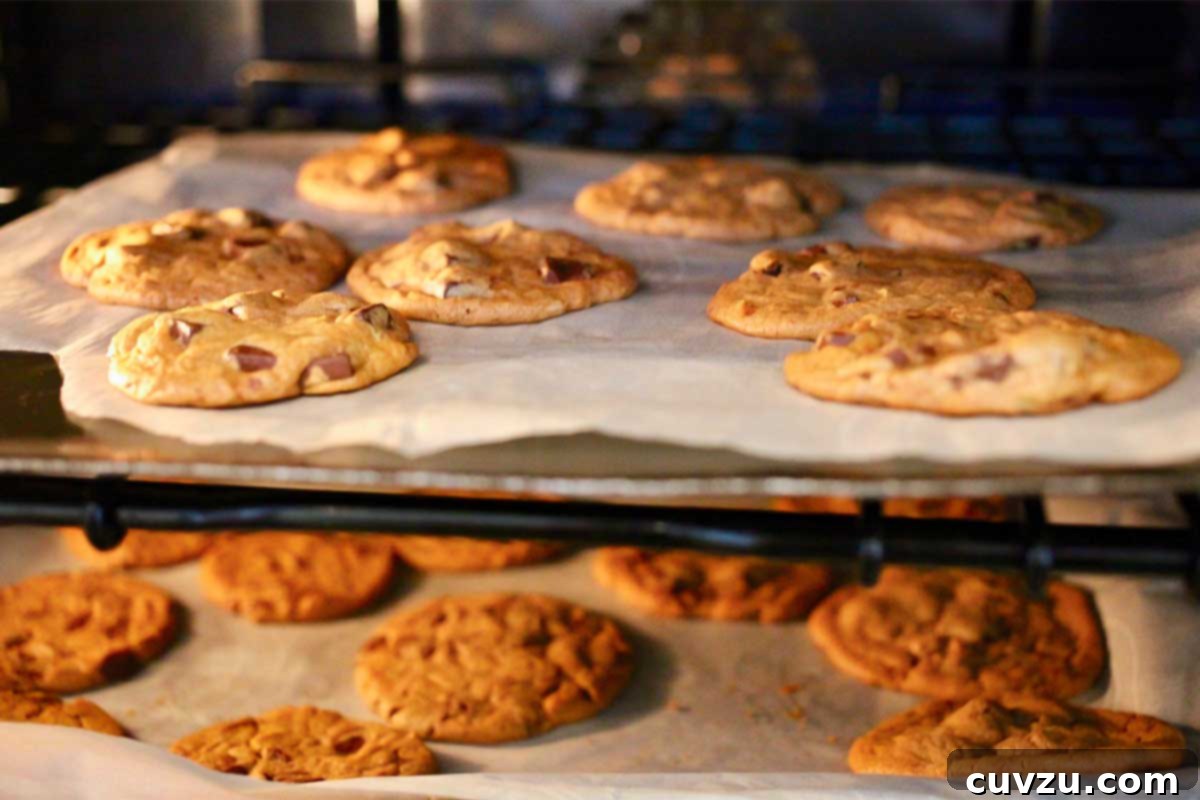
To truly appreciate the advantages of a convection oven, it’s crucial to first understand how a conventional oven operates. A traditional oven relies on radiant heat, generated by an electric coil or a gas flame typically located at the bottom. Since heat naturally rises, conventional ovens often suffer from significant temperature inconsistencies, leading to what are commonly known as “hot spots.” These zones, often found near the top of the oven, can cause food to overcook or even burn, creating frustrating results. This phenomenon often necessitates rotating baking sheets halfway through cooking, a common instruction in many cookie recipes to ensure even browning. For the most consistent results in a conventional oven, you typically aim for the center rack – a metaphorical “Goldilocks Zone” where temperatures are neither too hot nor too cold, providing an ideal environment for delicate tasks, such as baking our acclaimed chocolate chip cookies, celebrated by The New York Times.
 : Samara
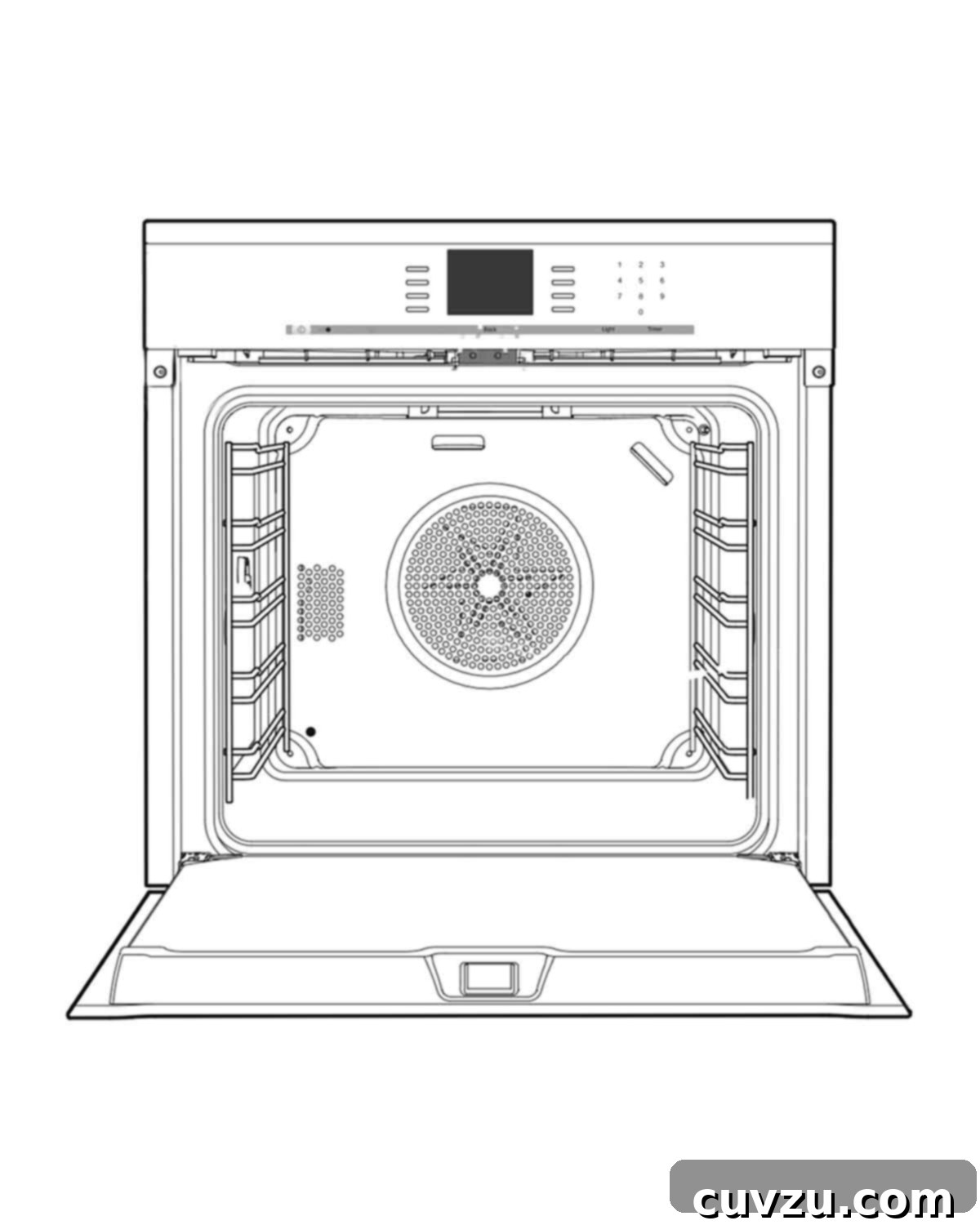
While a home baker with ample time might manage these rotations, commercial bakeries simply cannot operate effectively by baking one sheet at a time. This is precisely where the innovation of the convection oven shines. Also known as “fan-assist” or “fan ovens,” convection ovens integrate a fan, typically positioned in the back wall, which actively circulates hot air throughout the oven cavity. This forced air movement effectively eliminates the heat stratification inherent in conventional ovens, ensuring a far more uniform temperature distribution. The result is a significantly expanded “Goldilocks Zone,” allowing you to bake multiple trays of cookies or other items simultaneously with consistent, superior results across all racks.
The core technology behind convection cooking boasts a rich history, dating back over half a century. Its origins trace to World War II, when William L. Maxson introduced the “Maxson Whirlwind Oven.” This ingenious fan-assisted portable oven was designed to rapidly heat six meals at once, drastically reducing preparation time. These early ovens played a crucial role in the Navy Air Transport Service, providing warm meals to servicemen and women crossing the Atlantic. The aluminum “sky plates” used in these ovens were, in essence, the precursors to today’s ubiquitous TV dinners. Though Maxson’s company dissolved after his passing in 1947, his foundational concepts were refined and eventually introduced to the commercial market in the late 1960s. The allure of reduced cooking times quickly made convection a highly sought-after feature, establishing it as an indispensable component in many modern ovens available to home cooks today.
Beyond simply evening out the internal temperature, the continuous circulation of air in a convection oven significantly enhances the heat transfer rate to your food. Furthermore, it actively wicks away moisture from the food’s surface, much like a dry, desert wind accelerates evaporation. This rapid moisture removal and efficient heat transfer contribute to markedly better browning and the development of wonderfully crisp exteriors on a variety of foods, from perfectly roasted vegetables to delicate choux pastry. This very principle is also the fundamental driving force behind the popular air fryer, albeit with a much more intense airflow.
Mastering Convection Cooking: Essential Tips and Guidelines
While the enhanced heating power of a convection oven offers remarkable benefits, it also introduces a new set of rules and considerations for optimal results. Your first and most important step is always to carefully review your recipe, noting the specified oven type, temperatures, and cooking durations. Most recipes are written assuming a conventional oven, meaning you, the home cook, will need to make appropriate adjustments for convection.
As a crucial general rule of thumb when adapting a standard recipe for a convection oven, you should reduce the oven temperature by approximately 20 to 25°F (11 to 14°C). Failing to do so can lead to foods browning excessively on the exterior before they are fully cooked through to the center. Additionally, due to the accelerated heat transfer rate, which cooks foods faster, plan to check your food for doneness earlier than the recipe suggests. For a quick-baking item like cookies, this might mean checking just a minute or two sooner. However, for dishes requiring longer baking times, such as a whole roast chicken or a homemade pie, this could translate to checking 15 to 20 minutes earlier than the conventional recipe indicates.
Adhering to this standard temperature adjustment and proactive checking for doneness will typically lead to success in most convection cooking scenarios. However, much like the quirks of the English language, there are exceptions. In the case of convection ovens, these exceptions exist for very good reasons, guiding you towards even better culinary outcomes.
Furthermore, here are several other critical aspects to keep in mind as you embark on your convection cooking journey:
Optimize Airflow: Don’t Block the Fan
This point might seem self-evident, given that the entire premise of convection ovens hinges on efficient air circulation, yet it’s often overlooked in the hustle of meal preparation. Imagine sliding a large, high-sided roasting pan with a 25-pound turkey right against the fan vent. The result? One side of your turkey might emerge dry and overcooked, while the other remains frustratingly pale. To ensure even cooking and optimal browning, always position large items far enough away from the fan vent to allow hot air to freely circulate around them. You’ll achieve the best results with low-sided pans, like those used for sheet pan suppers, and other cookware that minimally obstructs the vital airflow.
Secure Lightweight Materials: Parchment Paper and Aluminum Foil
In a convection oven, the vigorous airflow can treat lightweight materials like parchment paper and aluminum foil as if they were boat sails. These flimsy items can catch the circulating air, flapping wildly and potentially disturbing the delicate contents on your baking sheet. They might even blow over and bake directly into the top of your brownies if you’re using a parchment paper sling for easy removal. To prevent such mishaps, consider weighing down the edge of your parchment paper closest to the fan with an oven-safe metal utensil when using a sheet pan. Alternatively, a clever kitchen hack, popularized by culinary experts like Edd Kimber, suggests using binder clips to securely hold parchment slings in place within the pan.
Identify Your Oven Type: Basic Fan vs. True Convection
Not all “fan ovens” are created equal. Older models often feature only a fan mounted in the back, which circulates ambient oven air. However, newer, more advanced convection ovens incorporate a dedicated heating coil that surrounds the fan itself. This design is known as “third-element convection” or “European convection.” The presence of this additional heating element ensures that the air blown into the oven is preheated before circulation, offering a significant performance boost (much like the difference between a hair dryer on a low, cool setting versus a high, hot setting). This is the type of convection that delivers the most dramatic improvements in cooking results. Unsure which type of convection oven you possess? While you could cautiously peek inside (ensuring the oven is completely off and cool, a vital safety reminder!), the most reliable method is to consult your oven’s owner’s manual. The heating coil can sometimes be cleverly concealed by vent designs, making visual identification challenging.
Embrace Experimentation and Learn Your Oven’s Personality
Ovens vary widely in their dimensions, manufacturers, and heating systems, meaning that not every piece of advice will apply universally. Many modern ovens offer different convection modes, such as “Convection Roast” (often using higher fan speeds for intense browning) or “Convection Bake” (typically employing lower speeds for more delicate baking). Some of the most advanced ovens even boast a “Convection Convert” feature. With this setting, you simply enter the conventional temperature specified in your recipe, and the oven automatically adjusts it for convection cooking. It’s crucial to remember not to manually adjust the temperature if you’re using this automatic conversion mode, as this could lead to your oven being insufficiently hot for proper cooking. Furthermore, many ovens allow you to activate or deactivate the convection fan mid-bake, offering opportunities to experiment. Try starting a dish without convection and finishing with the fan on, or vice versa. Embrace these trials; observing how different modes and timing adjustments affect your cooking will empower you to truly master your oven.
Can a Convection Oven Always Function as a Regular Oven?
The answer to this question is “it depends.” For the vast majority of modern convection ovens, the convection feature can be conveniently toggled on or off at your discretion. However, it’s always wise to check your specific model’s manual, as a small number of ovens are designed with the convection fan running constantly and do not offer the option to disable it.
While we strongly encourage experimentation, there are indeed a few specific types of recipes where we advise against using a convection oven. Through our extensive recipe testing over the years, we’ve encountered some memorable culinary failures. Here’s a concise list of items you should likely steer clear of when cooking with convection:
Delicate Bakes: Whipped Egg Whites for Structure
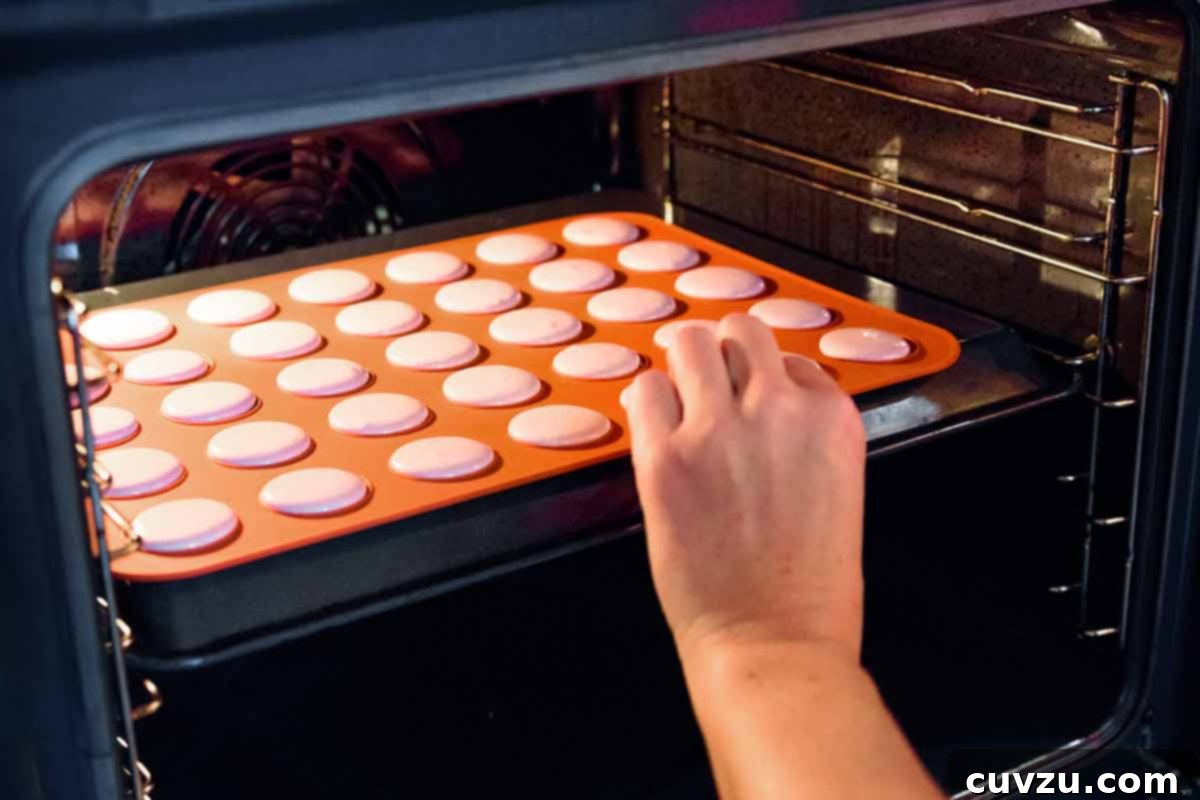
Some chefs are famously superstitious about their chocolate soufflés, often refusing to even glance at their oven while it bakes, let alone breathe near it or touch it. And for good reason! Dishes that rely on the delicate, airy structure of whipped egg whites, such as soufflés, angel food cake, or meringues, are particularly vulnerable to the forceful airflow of a convection oven. The circulating air can easily disrupt the fragile protein matrix, causing your meticulously crafted bakes to collapse and lose their coveted volume.
 : greentellect
Rising Batters: Quick Breads and Popovers
When baking batters that are designed to rise significantly above the rim of the pan, such as quick breads, muffins, or popovers, it’s generally best to keep the convection fan off. As these batters crest over the top of the pan, they become fully exposed to the powerful circulating hot air. This intense airflow can exert pressure on the wet, still-setting dough, potentially blowing it like waves on a lake. The unfortunate outcome can be sadly lopsided domes and an uneven texture. For these particular bakes, a gentler, static heat environment is preferred to ensure a symmetrical and well-risen final product.
Moisture-Dependent Dishes: Any Baked Custard
Egg-based custards, including classics like flan, crème brûlée, or cheesecakes, are traditionally baked in a bain-marie, or water bath. This method is essential for two primary reasons: it promotes an exceptionally gentle and even cooking process, which helps prevent curdling, and it introduces crucial humidity into the oven environment, effectively guarding against the custard’s surface from drying out and forming an undesirable “skin.” The hot, dehydrating properties of a convection oven directly counteract these carefully considered techniques. Furthermore, most custards are not meant to develop a dark, caramelized crust. Therefore, unless you are specifically aiming for a rustic Basque-style cheesecake with its signature burnt top, it is always best to opt for a standard conventional oven mode when preparing delicate baked custards to ensure their characteristic silky smooth texture and pale appearance.