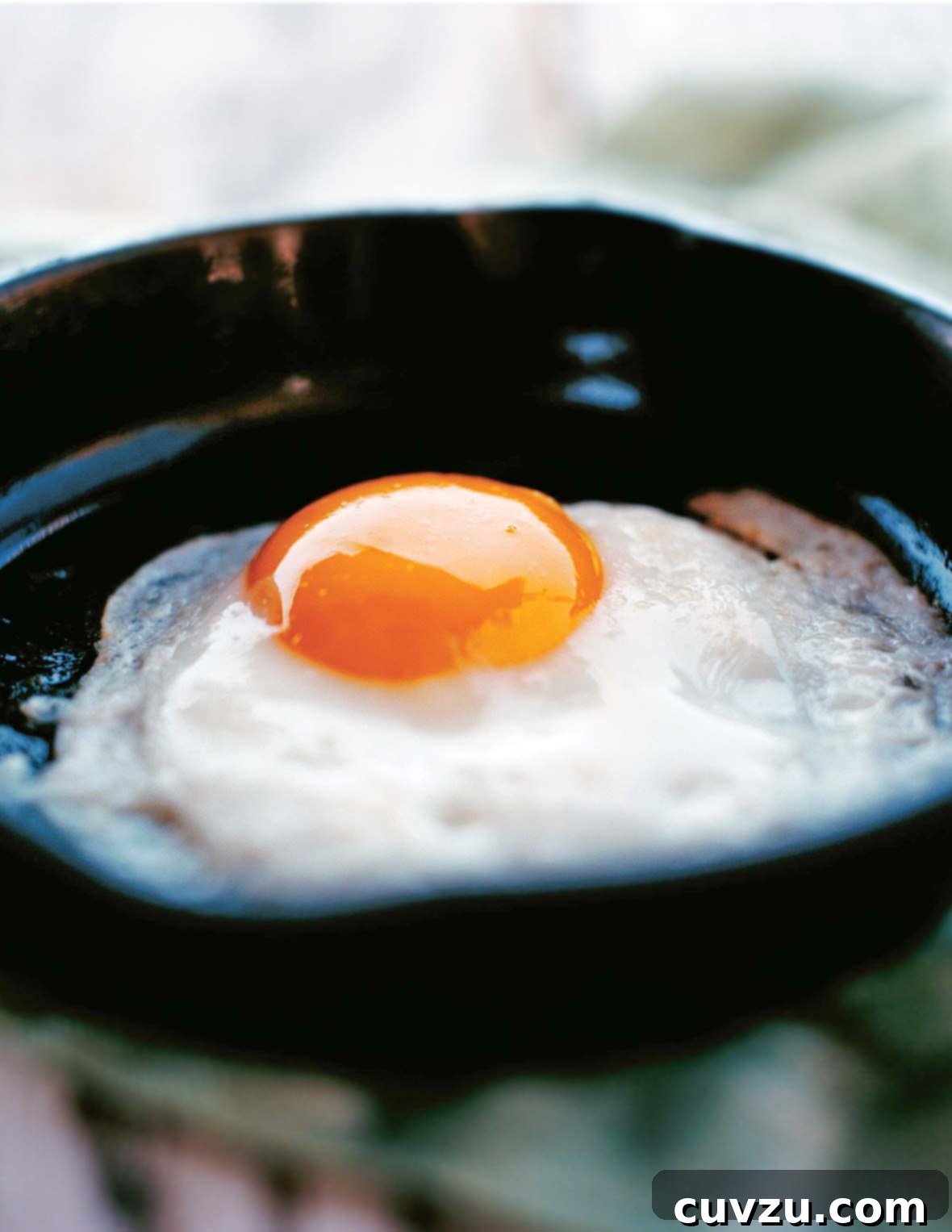
Mastering the Perfect Fried Egg: A Simple Guide to Culinary Perfection
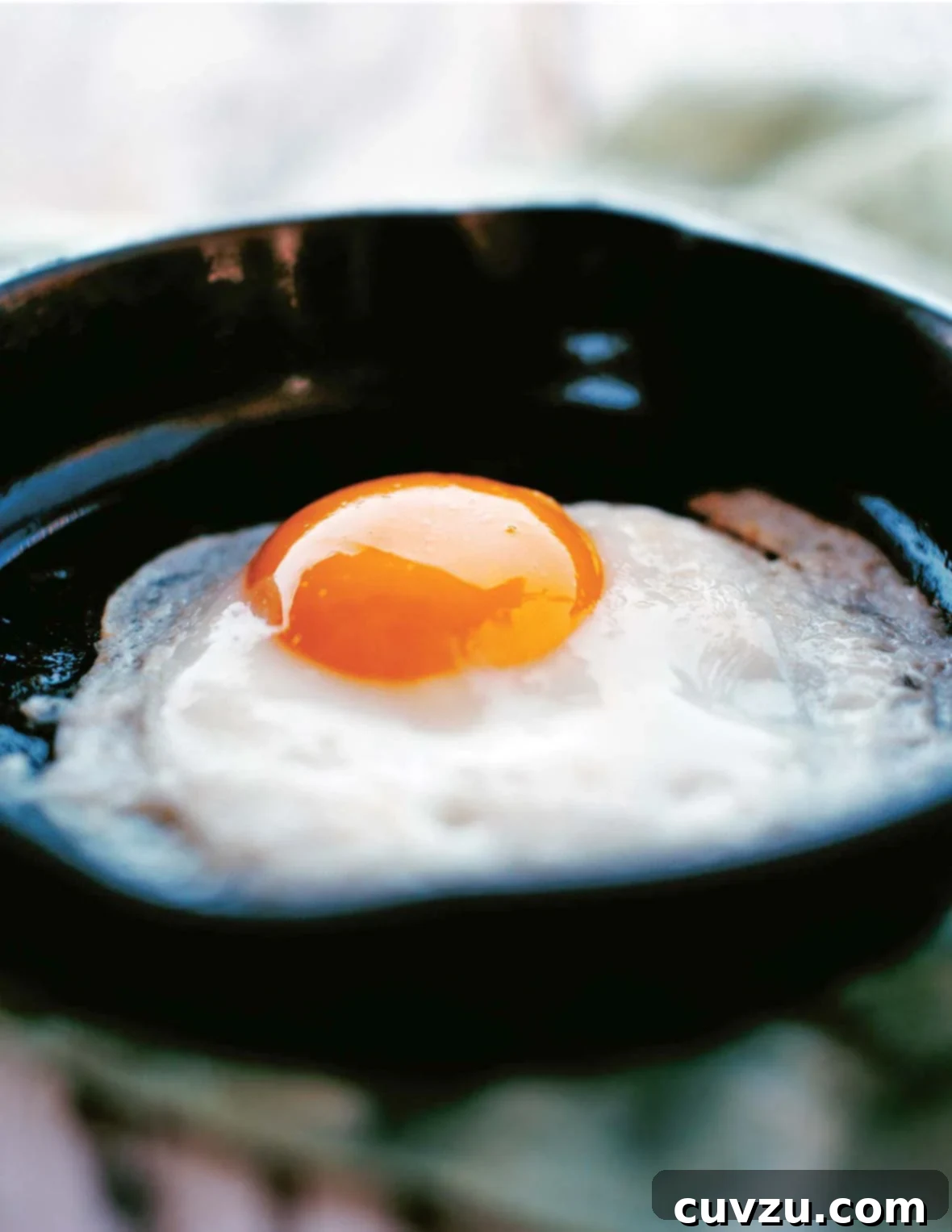
For many, a fried egg is more than just a quick meal; it’s a canvas for culinary delight, a comforting classic, and often, a true test of a cook’s precision. Yet, achieving that elusive “perfect” fried egg—with a fully cooked, tender white and a gloriously soft, runny yolk—can feel like a challenge. No more. This comprehensive guide, inspired by David Leite’s incredibly brilliant and foolproof method, will walk you through the precise steps to ensure you create a sunnyside-up masterpiece every single time. Forget crunchy, overcooked edges or underdone whites; prepare for breakfast perfection, just as you’ve always dreamed.
The Quest for the Perfect Fried Egg
The fried egg holds a special place in the hearts and on the plates of breakfast lovers worldwide. It’s simple, quick, and incredibly versatile, capable of transforming a piece of toast into a gourmet experience or crowning a bowl of ramen with rich indulgence. But what defines “perfect”? For most, it’s a delicate balance: the whites must be firm and opaque all the way through, without any translucent, uncooked areas, yet remain tender and never rubbery or crisp. The yolk, however, should be a vibrant, liquid gold, ready to burst and meld with whatever it touches. This is the ideal, and achieving it consistently requires more than just throwing an egg into a hot pan.
Common Fried Egg Frustrations and How to Conquer Them
Many home cooks face similar pitfalls when frying eggs. Perhaps you’ve experienced whites that spread too thin and crisp up before the yolk is warm, or a yolk that remains stubbornly cold while the whites are overdone. Maybe your egg sticks to the pan, or the edges burn while the top stays runny. These issues often stem from incorrect heat management, poor pan choice, or an imprecise cooking method. David Leite’s technique addresses these common challenges head-on, offering a solution that prioritizes even cooking and gentle heat to achieve consistent, delicious results.
David Leite’s Brilliant Method Unveiled
The genius of this method lies in its simplicity and effectiveness. It leverages the power of gentle steam to cook the top of the egg white without requiring you to flip the egg or baste it repeatedly. This ensures that the delicate yolk remains intact and perfectly runny, while the whites cook through evenly. It’s a game-changer for anyone who loves sunnyside-up eggs but struggles with traditional frying techniques.
The Science Behind the Perfect Fry
When you fry an egg conventionally, the bottom cooks rapidly, often browning or crisping the edges, while the top of the white remains undercooked due to lack of direct heat. Flipping can break the yolk, and basting with hot oil is messy and inconsistent. This method introduces a small amount of water to the pan and immediately covers it, creating a mini-steaming environment. The steam cooks the top of the egg gently and thoroughly, ensuring the white is set without overcooking the yolk or toughening the delicate proteins.
The Perfect Egg
David Leite
Breakfast
American
1
servings
89
kcal
4 minutes
1 minute
5 minutes
Ingredients
-
1/2
teaspoon
unsalted butter or olive oil -
1
large
egg -
1
teaspoon
water -
Salt and freshly ground black pepper
Instructions
-
Prepare Your Pan: Heat a small cast-iron or nonstick skillet over medium-high heat. The key here is to get the pan sufficiently hot, but not smoking, before adding your fat. This initial heat ensures a quick start to cooking the white.
-
Add Fat and Egg: Add the butter or olive oil to the hot skillet and swirl it gently to coat the surface evenly. Immediately crack the egg directly into the center of the skillet. The fat should sizzle slightly but not aggressively.
-
The Steam Technique: Immediately add the 1 teaspoon of water to the pan, ideally around the edges of the egg rather than directly on top of it. Reduce the heat to medium-low, cover the skillet with a lid, and cook for exactly 1 minute. The steam trapped under the lid will cook the top of the egg white beautifully, without disturbing the yolk.
-
Serve Immediately: Once the minute is up, remove the egg from the pan immediately using a thin spatula. Season generously to taste with salt and freshly ground black pepper. Serve at once to enjoy the runny yolk and tender whites.
Tips for Fried Egg Excellence
Choosing the Right Pan
- Nonstick Skillet: Ideal for beginners and consistent results, a good quality nonstick pan prevents sticking and makes removal easy.
- Cast-Iron Skillet: Offers excellent heat retention and a lovely golden crust on the bottom of the white if desired. Ensure it’s well-seasoned to prevent sticking. Small, individual egg skillets (6-8 inches) are perfect for single servings.
The Importance of Fresh Ingredients
Eggs: Fresh eggs are paramount. Fresher eggs have a tighter, more cohesive white that holds its shape better in the pan, leading to a more aesthetically pleasing and perfectly cooked egg. The yolk of a fresh egg also stands taller and is less likely to break. Look for eggs with a distant “packed on” date or buy from local farmers for the freshest options.
Fat: Unsalted butter adds a rich, nutty flavor that complements the egg beautifully. Olive oil provides a lighter, often fruitier note, and can be a good alternative if you prefer. Avoid highly flavored oils that might overpower the delicate taste of the egg. The amount of fat is crucial: too little, and it might stick; too much, and the egg can become greasy.
Heat Management is Key
The medium-high initial heat followed by a reduction to medium-low is critical. The initial higher heat helps to set the bottom of the white quickly, preventing excessive spreading. The immediate reduction to medium-low when covered ensures the egg cooks gently through steaming, preventing the bottom from burning while the top finishes.
Beyond Sunny-Side Up: Other Fried Egg Styles
While this method focuses on the perfect sunnyside up, it’s worth knowing how to achieve other popular fried egg styles. The initial steps remain similar, but the cooking time and method variations change slightly:
- Over Easy: Cook as described, but instead of adding water and covering, gently flip the egg after the whites are mostly set (about 1 minute). Cook for just 15-30 seconds on the second side, until the white is fully set but the yolk is still completely runny.
- Over Medium: Follow the “over easy” instructions, but cook for about 45-60 seconds on the second side, until the yolk is slightly jammy at the edges but still runny in the center.
- Over Hard: Continue cooking over medium heat for 1-2 minutes on the second side, or until the yolk is fully set and firm. You can also break the yolk with your spatula once flipped to ensure it cooks through quickly.
Serving Suggestions for Your Perfect Egg
A perfectly fried egg is a versatile companion to countless dishes. Here are a few ideas to get your culinary juices flowing:
- Classic Breakfast: Serve with a side of crispy bacon or sausage, buttered toast, and a sprinkle of fresh chives.
- Avocado Toast: Elevate your avocado toast with a runny fried egg on top. The yolk will meld beautifully with the creamy avocado.
- Grain Bowls: Add a fried egg to a nutritious grain bowl with roasted vegetables and a drizzle of hot sauce for a hearty and satisfying meal.
- Salads: A fried egg can transform a simple salad into a substantial lunch or light dinner. The warm yolk acts as a natural dressing.
- Sandwiches: Create an epic breakfast sandwich with cheese, ham, and your perfectly fried egg on a toasted English muffin or bagel.
- Ramen & Noodles: No bowl of ramen is complete without a perfectly cooked egg. A fried egg adds richness and protein.
Troubleshooting Your Fried Egg
Even with a foolproof method, sometimes things don’t go exactly as planned. Here’s how to address common issues:
- Edges are crispy/browned: Your initial heat might be too high, or you waited too long to reduce the heat after adding the water and covering. Ensure your medium-high heat is truly medium-high, not blazing, and reduce it promptly.
- Whites are still translucent: The pan might not have been hot enough initially, or your cook time under the lid was too short. Add another 15-30 seconds of covered cooking time. Ensure your lid creates a good seal to trap steam effectively.
- Yolk is not runny enough: This likely means the egg cooked too long. Reduce your covered cooking time by 15-30 seconds next time. Every stove and pan can vary slightly, so fine-tune the timing for your equipment.
- Egg sticks to the pan: Not enough fat, or your pan is not truly nonstick or well-seasoned. Ensure a thin, even layer of butter or oil coats the entire cooking surface. If using cast iron, ensure it’s properly seasoned.
Adapted From
Mad Hungry: Feeding Men and Boys
Buy On Amazon
Nutrition
Serving:
1
egg
Calories:
89
kcal
Carbohydrates:
0.4
g
Protein:
6
g
Fat:
7
g
Saturated Fat:
2
g
Monounsaturated Fat:
3
g
Trans Fat:
0.02
g
Cholesterol:
186
mg
Sodium:
110
mg
Sugar:
0.2
g
Nutrition information is automatically calculated, so should only be used as an approximation.
Tried this recipe?
Mention
@leitesculinaria or tag
#leitesculinaria!
With this brilliant method from David Leite, the quest for the perfect fried egg ends in triumph. No longer will you dread rubbery whites or undercooked yolks. Instead, you’ll be greeted with a culinary marvel: a tender, fully set white cradling a warm, golden, runny yolk, ready to elevate any meal. Embrace this technique, and transform your breakfast, brunch, or even dinner into an experience of simple, delicious perfection. Happy frying!