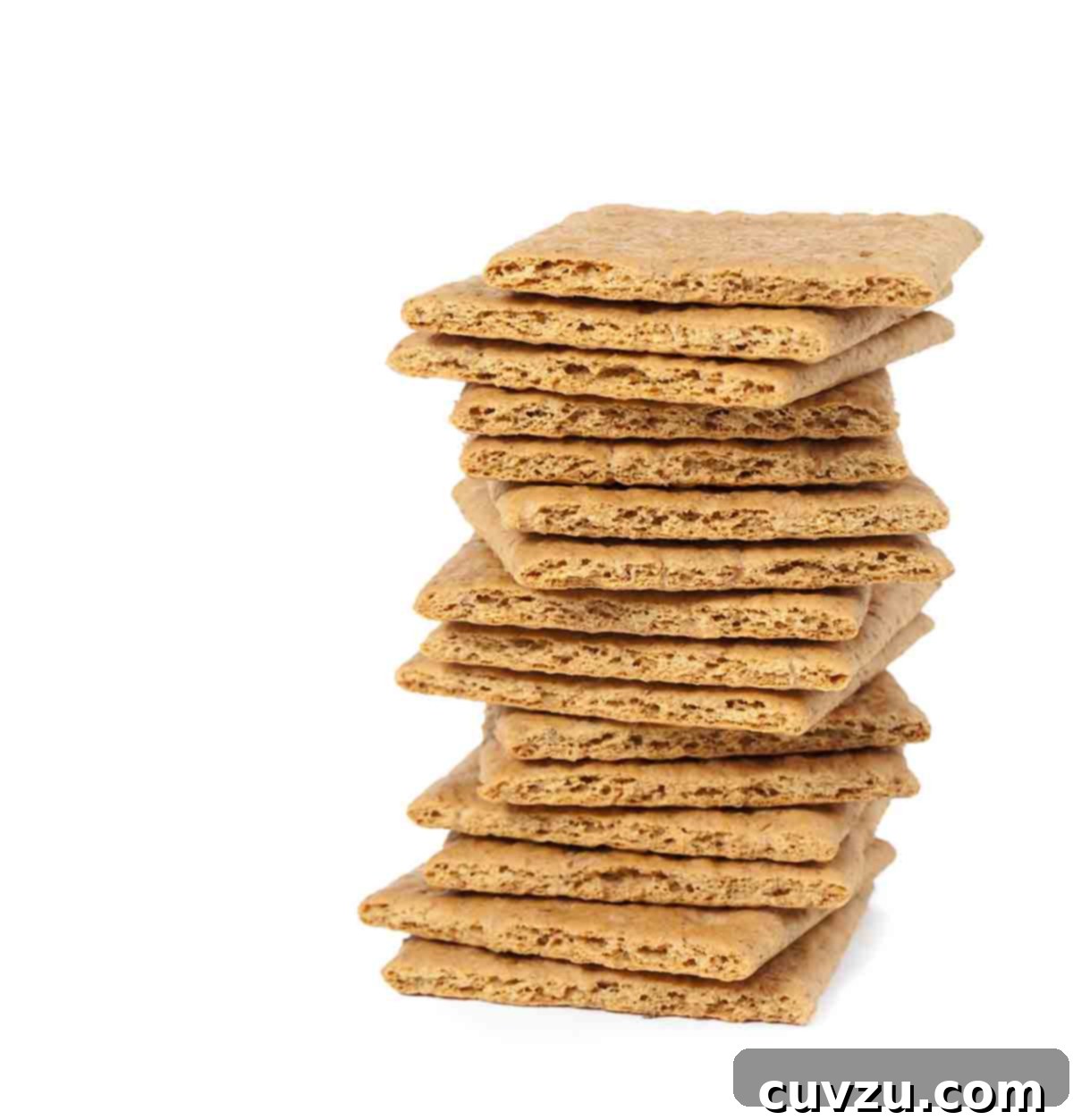
For many, the graham cracker evokes images of childhood innocence: the satisfying crunch, the sweet, earthy flavor, the sticky delight of a S’more around a crackling campfire. It’s a staple of American culture, synonymous with wholesome snacks and nostalgic moments. But what if we told you that this unassuming cracker carries a secret, a peculiar origin story far removed from s’mores and milk? The truth behind the graham cracker’s invention is so bizarre, so steeped in a 19th-century moral crusade, that it has recently sparked a firestorm of incredulous reactions across social media platforms like Twitter and TikTok, leaving countless people questioning everything they thought they knew about this beloved treat.
The conventional wisdom about graham crackers paints a picture of a simple, healthy snack. However, the true narrative is far more intricate and, frankly, astonishing. It begins not in a bakery aiming for a delicious new treat, but in the fervent mind of a Presbyterian minister named Sylvester Graham. His motivations were not culinary but moral, rooted in a radical dietary philosophy designed to purify the body and soul. This deep dive into the cracker’s past reveals a fascinating intersection of food, religion, and social reform that continues to captivate and bewilder people centuries later.
The Internet Reacts: Unearthing a Bizarre History
In an age where information is just a click away, it’s not uncommon for forgotten historical tidbits to resurface and go viral, often with hilarious and shocking results. Such has been the fate of the graham cracker’s origins. A simple Google search, spurred by curiosity or a random TikTok video, has led countless users down a rabbit hole of discovery, prompting a wave of astonished posts across various social media platforms.
The collective bewilderment is palpable as people grapple with the unexpected revelations. Here are just a few examples of the reactions that have flooded the internet:
- One user expressed their disbelief, writing: “After googling why graham crackers were invented, I feel bad for feeding them to my Sunday school students.” This sentiment captures the clash between the cracker’s innocent modern image and its puritanical past.
- Another Tweet, from ExplicitTrend, declared: “Google why were Graham crackers invented, my son is never eating them again.” The humor here lies in the dramatic and perhaps exaggerated response to a historical fact that challenges our comfort zones.
- TheWannabeMama added to the chorus of shock: “Whatever you do, don’t Google, ‘why were graham crackers invented?’ It will break your brain, or your religion.” Such warnings only intensify curiosity, compelling more people to seek out the truth for themselves.
These reactions highlight how deeply ingrained the graham cracker is in our collective consciousness as a harmless, wholesome food. The sudden revelation of its “salacious” backstory forces a re-evaluation, creating a moment of shared incredulity and amusement. Naturally, like the curious masses, we too embarked on this investigative journey, and what we uncovered was indeed a “doozy.” Prepare to have your perceptions of this iconic snack irrevocably altered.
Sylvester Graham: The Man, The Myth, The Cracker Inventor
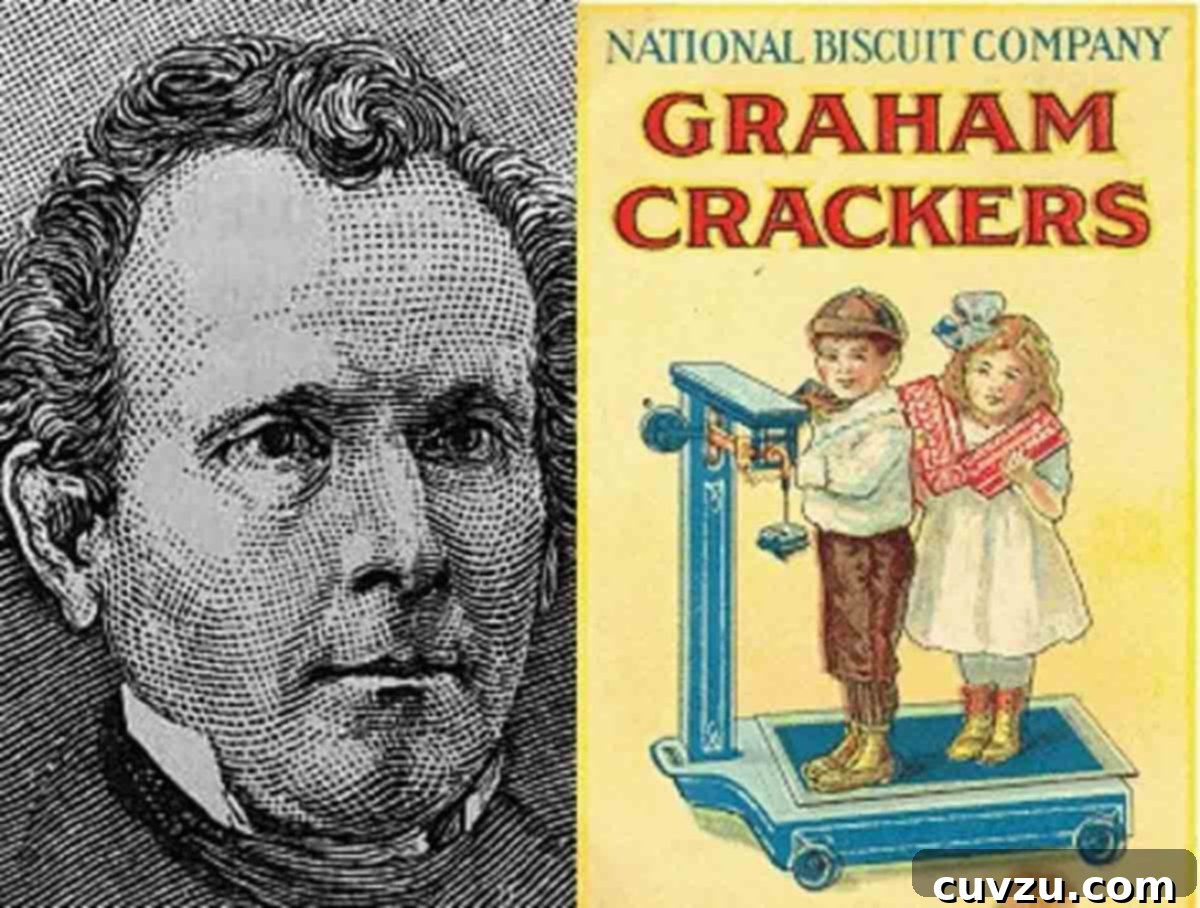
To truly grasp the unconventional origins of the graham cracker, we must travel back to 19th-century America, a period ripe with social reform movements, religious fervor, and evolving ideas about health and morality. At the heart of this dietary revolution was Sylvester Graham (1794–1851), a passionate and highly influential Presbyterian minister from Connecticut. Graham was not merely a preacher; he was a self-proclaimed health reformer, deeply immersed in the popular Temperance Movement of his time, which advocated for abstinence from alcohol. However, Graham’s vision extended far beyond just temperance; he believed that an individual’s diet held the key to both physical vitality and moral purity.
Often hailed as one of the earliest proponents, if not the “Father of Vegetarianism,” Graham championed a diet centered around wholesome, plant-based foods. A cornerstone of his philosophy was the consumption of whole-grain bread, specifically made from flour that was unsifted, unrefined, and unbleached. This particular flour, which retained all parts of the wheat kernel, became known as “graham flour.” While Sylvester Graham himself did not personally bake and market the first graham cracker, his ardent preachings and comprehensive dietary system inspired like-minded individuals to create products, including the iconic cracker, using his prescribed flour. Thus, he is widely regarded as the culinary father of the graham cracker, its namesake, and the philosophical force behind its creation.
The Graham System: A Holistic Approach to Purity
Sylvester Graham’s dietary recommendations were not arbitrary; they were integral components of a much broader and more intricate philosophy he termed the “Graham System.” This system was a radical call for a return to what he considered a more natural and pure way of living, contrasting sharply with the increasingly indulgent and stimulating diets of industrializing America. Building upon his foundational Temperance views, Graham meticulously crafted a theology that intertwined physical health with moral rectitude. He posited that the human body was a sacred vessel, and its care directly impacted one’s spiritual and ethical well-being.
His prescribed lifestyle was stringent and comprehensive. It included a diet of pure water, fresh vegetables, and homemade whole-grain bread—all prepared without the “corrupting” influence of spices, stimulants like coffee or tea, or rich flavors. Beyond food, Graham’s recommendations extended to daily habits: sleeping on hard, board-like beds to avoid excessive comfort and warmth, and abstaining from warm baths, which he believed overstimulated the senses. He argued that adhering to this austere regimen would lead to a serene life, free from the physical ailments and moral failings he attributed to modern living. For Graham, simplicity and blandness were not merely dietary choices but spiritual imperatives, designed to keep desires and passions in check, fostering a state of physical and moral equilibrium.
The Salacious Truth: Graham Crackers and the War on Desire
Now, we arrive at the most astonishing and frankly kinky revelation regarding the graham cracker’s invention. While Graham’s system promoted overall health and moral living, there was one particular “excitement” he was most keen to temper: sexual desire. Yes, you read that correctly. Reverend Sylvester Graham was convinced that eating wholesome, bland foods—especially his beloved whole-grain crackers—would significantly reduce the human libido and, more specifically, curb the urge to masturbate. In 19th-century America, masturbation was not merely frowned upon; it was widely believed to be a dangerous, debilitating vice leading to a terrifying array of physical and mental maladies, including blindness, insanity, epilepsy, and ultimately, an early death. Graham saw “self-abuse” as a grave threat to individual health and societal morality, a sin perpetuated by a diet rich in meat, fats, refined flours, and stimulating spices.
His logic, though absurd to modern ears, was firmly rooted in the prevailing medical and moral theories of his era. Graham believed that stimulating foods inflamed the passions, leading to moral degradation and physical decay. Conversely, a bland, wholesome diet would pacify the body’s natural urges, allowing for greater spiritual contemplation and a longer, healthier life. Thus, the graham cracker was conceived not as a tasty treat or a simple snack, but as a potent anaphrodisiac—a culinary tool in his crusade against sexual indulgence. It was meant to be boring, to literally bore away one’s carnal desires. The irony, of course, is that a food invented to be utterly unexciting has since become a cornerstone of joyful, indulgent childhood memories, completely divorced from its original puritanical purpose.
The Grahamites and Their Enduring Influence on American Dietary Reform
Despite how extreme or even comical Graham’s beliefs may sound today, they were remarkably popular and influential in his time. His lectures drew immense crowds, and his ideas resonated deeply with a segment of American society grappling with the perceived moral decline and health crises of the industrial age. A dedicated following, affectionately known as the “Grahamites,” emerged around him, committed to adopting his radical dietary and lifestyle reforms. These acolytes embraced the “Graham System” wholeheartedly, establishing Graham boarding houses and health resorts where his principles were strictly enforced. The movement wasn’t a fleeting fad; it lasted for decades, leaving an indelible mark on American dietary habits and health philosophy.
One of the most notable figures influenced by Graham’s teachings was Dr. John Harvey Kellogg. Kellogg, a devout Seventh-day Adventist, shared Graham’s conviction that diet played a crucial role in curbing “impure” thoughts and desires. Building on Graham’s legacy, Kellogg dedicated his life to promoting health through diet and developed his own array of bland, whole-grain foods. Among his most famous inventions was the famously bland corn flakes breakfast cereal. Much like Graham’s crackers, Kellogg’s corn flakes were originally conceived as an anaphrodisiac, a dietary intervention to quell sexual urges and promote moral purity. The enduring popularity of both graham crackers and corn flakes, despite their bizarre and almost forgotten origins, speaks volumes about the lasting impact of these 19th-century health reformers on American food culture.
From Moral Mandate to Campfire Classic: The Graham Cracker’s Transformation
The journey of the graham cracker from an anti-masturbation food to a beloved American snack is a remarkable tale of cultural evolution and culinary adaptation. While Sylvester Graham’s specific moral intentions faded from public memory, the core concept of a whole-grain, relatively plain cracker persisted. As the 20th century progressed, the original, austere graham cracker began to be sweetened, flavored with honey and cinnamon, and produced on a mass scale. Its wholesome image, ironically born from Graham’s health reforms, made it an ideal candidate for a variety of uses.
The 1920s saw the popularization of the S’more, a delightful concoction of roasted marshmallow and chocolate squished between two graham crackers, transforming the once-moralistic cracker into a symbol of outdoor fun and camaraderie. Throughout the decades, graham crackers became a staple in lunchboxes, a base for pie crusts, and a simple, comforting snack. Children dunked them in milk, families packed them for picnics, and their connection to Graham’s puritanical crusade became a forgotten historical footnote. Today, the modern graham cracker bears little resemblance, in flavor or intent, to its original bland, unsweetened ancestor. It has successfully shed its anaphrodisiac origins to become a celebrated, sweet, and versatile treat, embodying comfort and nostalgia for generations.
Embrace the Wholesome: Make Your Own Graham Crackers
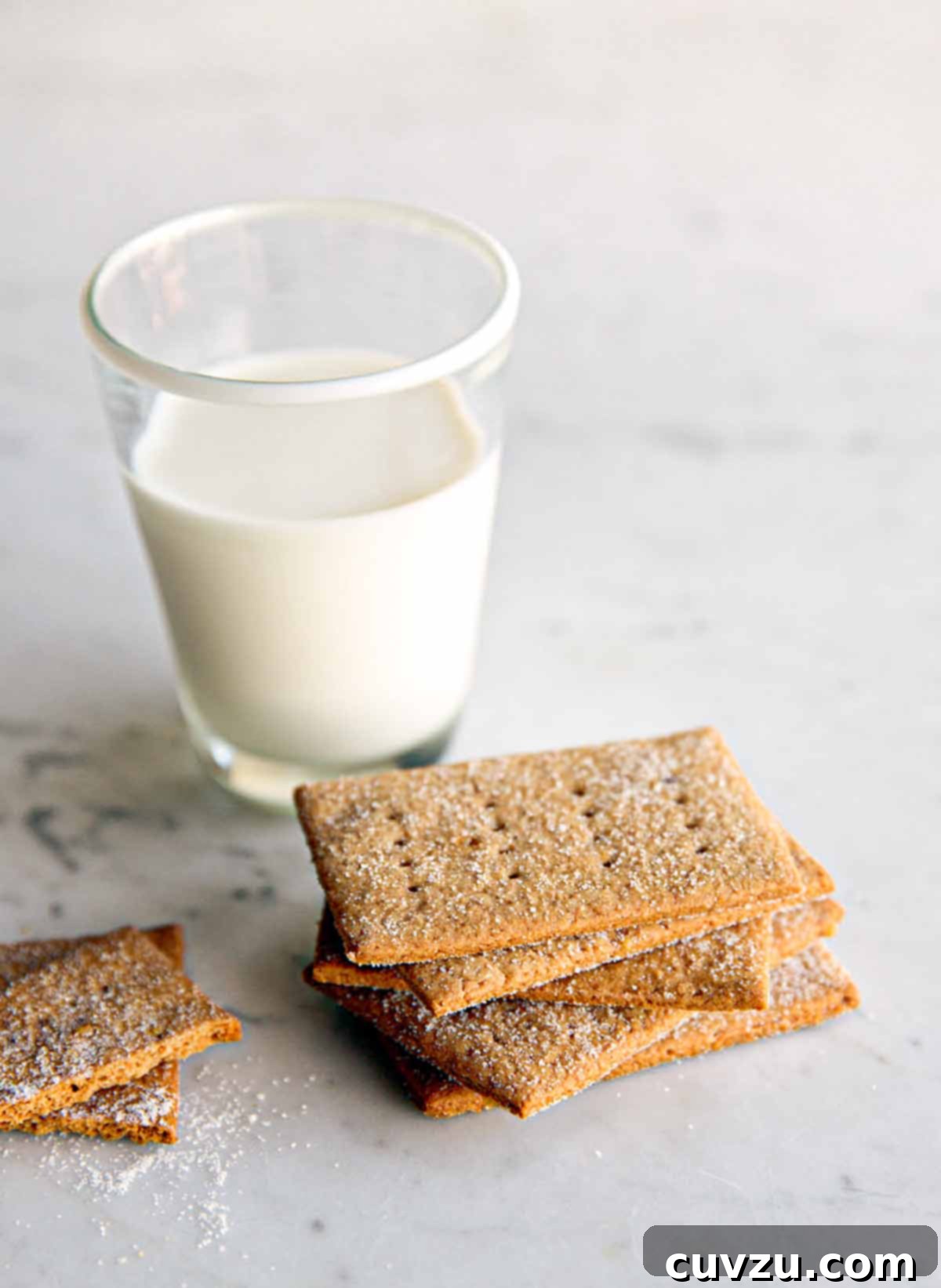
Having journeyed through the surprising and often comical history of the graham cracker, one thing becomes clear: this seemingly simple snack holds a rich and complex past. While we certainly don’t advocate for the puritanical lifestyle prescribed by Sylvester Graham, we can appreciate the inherent goodness of whole grains and homemade foods. And when it comes to taste, there’s simply no comparison between store-bought crackers and a batch of freshly baked homemade graham crackers.
So, divesting completely from any historical moral judgments or notions of curbing desires, we wholeheartedly recommend you explore the joy of making your own graham crackers. It’s a rewarding culinary endeavor that reconnects you with the origins of a classic, allowing you to control the ingredients and savor the superior flavor. Take a ‘hand’ at baking these delightful treats; you’ll find them a truly wholesome and delicious addition to your snack repertoire, perfect for s’mores, pie crusts, or simply enjoyed with a glass of milk, free from any 19th-century hang-ups.