Every culinary enthusiast understands the transformative power of fresh ingredients. Among these, citrus zest holds a special place, offering vibrant aromas and concentrated flavors that can elevate any dish, from delicate desserts to savory marinades. Yet, a surprising number of home cooks and even seasoned bakers inadvertently miss out on the full potential of this ingredient, simply by employing an inefficient zesting technique. If you’ve ever found yourself struggling with your zester, spending more time than necessary, or ending up with uneven results, you’re not alone. The subtle art of zesting is often overlooked, but mastering it can significantly improve your cooking efficiency and the quality of your culinary creations. Let’s dive into how you can make the most of this essential kitchen task.
Having observed countless episodes of popular baking shows, and witnessing talented bakers grapple with their Microplane zesters, it’s become clear that a widespread misunderstanding of proper technique persists. While their passion for baking is undeniable, their zesting method frequently sacrifices precious time and effort. This article aims to demystify the process, revealing a simple yet powerful technique that will revolutionize the way you approach citrus zesting, making it faster, cleaner, and more effective.
The Common Mistake in Zesting Fruit: An Inefficient Approach
The most prevalent error in zesting, as seen across many kitchens, involves holding the zester with its teeth facing upwards. This seemingly innocuous choice leads to a series of inefficiencies. When the zester is oriented this way, the fine ribbons of zest have nowhere to collect naturally. Consequently, after just a few passes, cooks must pause their work to inspect the fruit, turn it over, reposition it, and then often tap the zester to dislodge accumulated zest. This repetitive stop-and-start action not only wastes valuable time but also breaks the rhythm of cooking, creating unnecessary frustration.
Beyond the lost time, this incorrect technique can also lead to inconsistent results. It becomes challenging to keep track of which parts of the fruit have been zested, increasing the likelihood of either missing sections or, worse, grating too deeply into the white pith beneath the colorful peel. The pith, with its bitter taste, is undesirable in most recipes and can easily ruin the delicate balance of flavors that fresh zest is meant to provide. This method turns a simple, satisfying task into a cumbersome chore, undermining the very joy of adding fresh citrus to your dishes.
The Correct Way to Zest Fruit: Effortless Efficiency
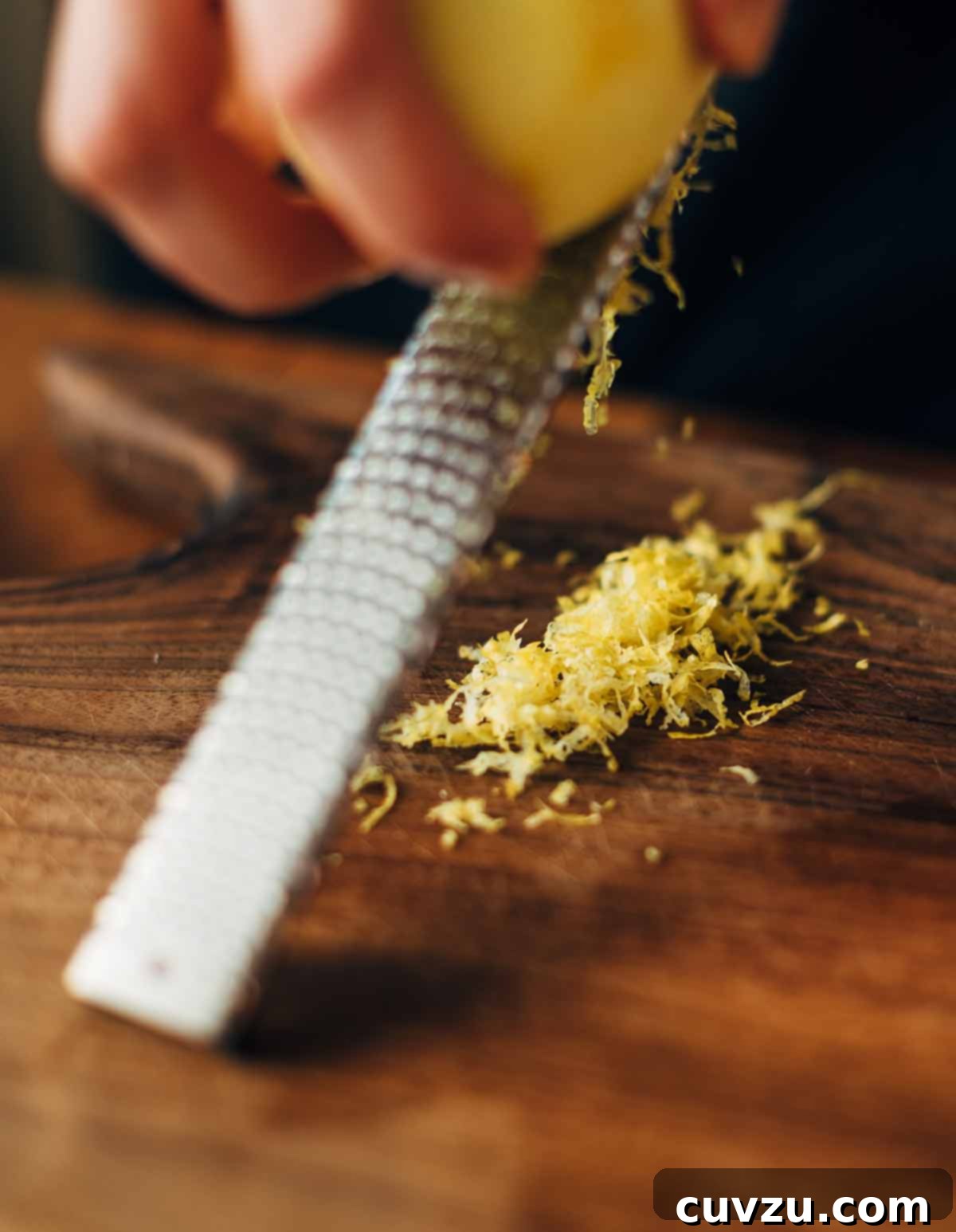
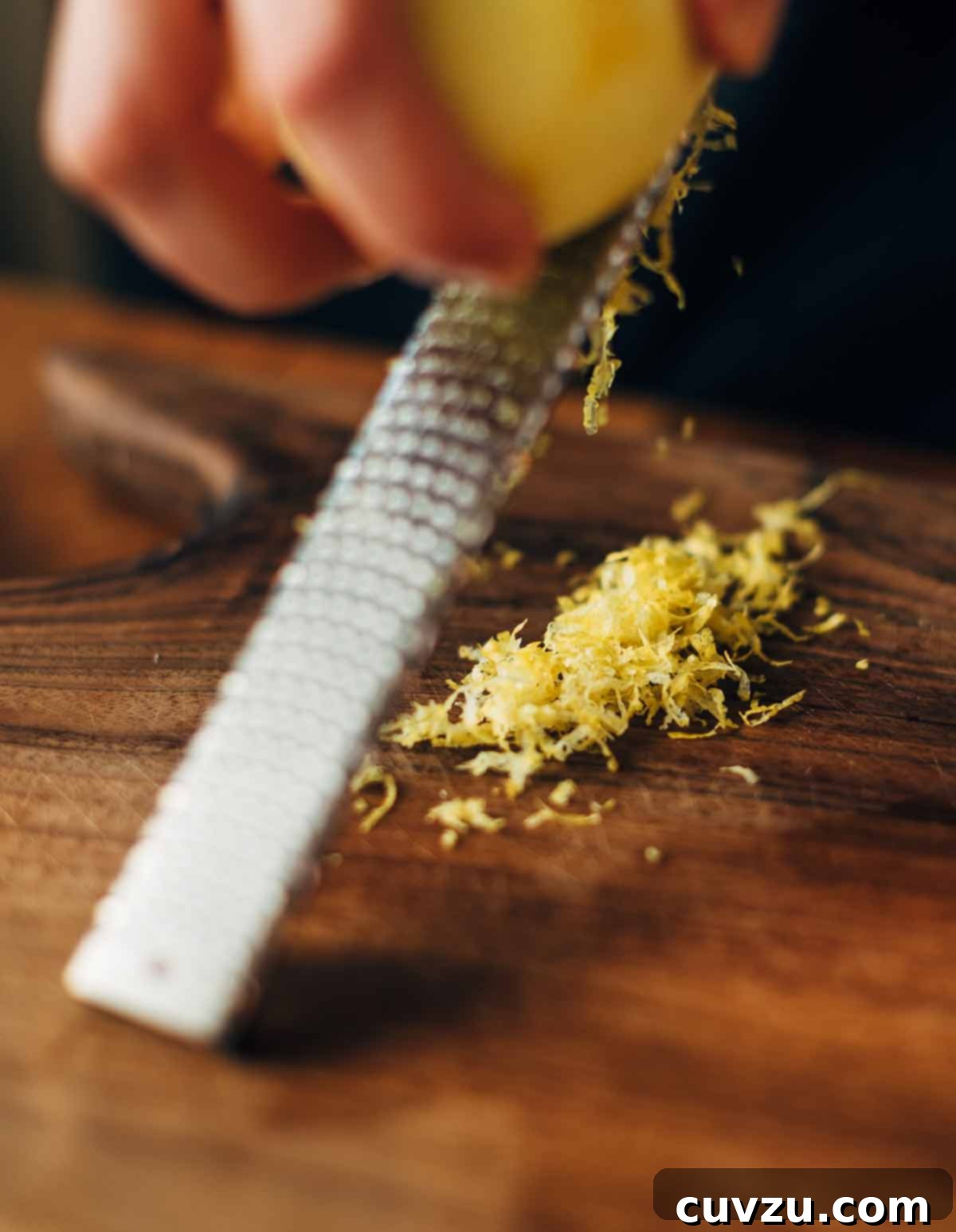
The secret to efficient zesting lies in a simple inversion of your zester. Most modern zesting tools, whether they are traditional wooden-handled varieties or the popular rasp-style Microplanes, feature a slight bow or a dedicated channel designed to collect grated material. To zest fruit correctly, turn your zester so that this bow or channel faces upwards. This seemingly minor adjustment creates an immediate and dramatic improvement in the zesting process.
With the zester properly oriented, you can now hold your chosen citrus fruit – be it a lemon, lime, orange, or grapefruit – and effortlessly glide it across the teeth. As you zest, the fine, aromatic ribbons of peel will naturally collect in the channel, building up in airy mounds. This allows you to continuously monitor your progress, easily seeing which areas of the fruit still need attention. You can rotate the fruit smoothly and continuously, without any need to stop, inspect, or clear the zester. The process becomes a fluid, single-motion task, ensuring you can zest an entire fruit in one go, capturing all its vibrant essential oils and leaving behind the bitter pith. For those who frequently prepare recipes requiring a substantial amount of citrus zest, such as during lemon curd season, this technique is an absolute game-changer, turning a potentially tedious job into a quick and satisfying one.
It’s also crucial to consider the quality of your fruit. Whenever possible, opt for organic citrus. This practice helps minimize your exposure to pesticides and waxes, ensuring that only the purest, most natural flavors make it into your food. A quick wash under warm water before zesting is always a good idea, regardless of whether the fruit is organic or conventionally grown, to remove any surface impurities.
Unlocking Flavor: The Magic of Citrus Zest in Cooking
Beyond the mechanics, understanding the value of citrus zest is key to appreciating this technique. Zest is the vibrant, outermost layer of citrus peel, packed with aromatic oils that contain the fruit’s most intense flavor and fragrance. Unlike the juice, which provides acidity, zest offers a profound depth of flavor without adding liquid, making it indispensable in baking, marinades, sauces, and dressings. A fine zest disperses more evenly throughout a dish, ensuring every bite is infused with that bright, fresh essence. Whether it’s the sunny brightness of lemon zest in a cake, the exotic perfume of lime zest in a curry, or the warming notes of orange zest in a winter stew, the correct zesting technique ensures you’re extracting the maximum flavor potential from your fruit.
My Go-To Kitchen Tool: The Microplane Zester
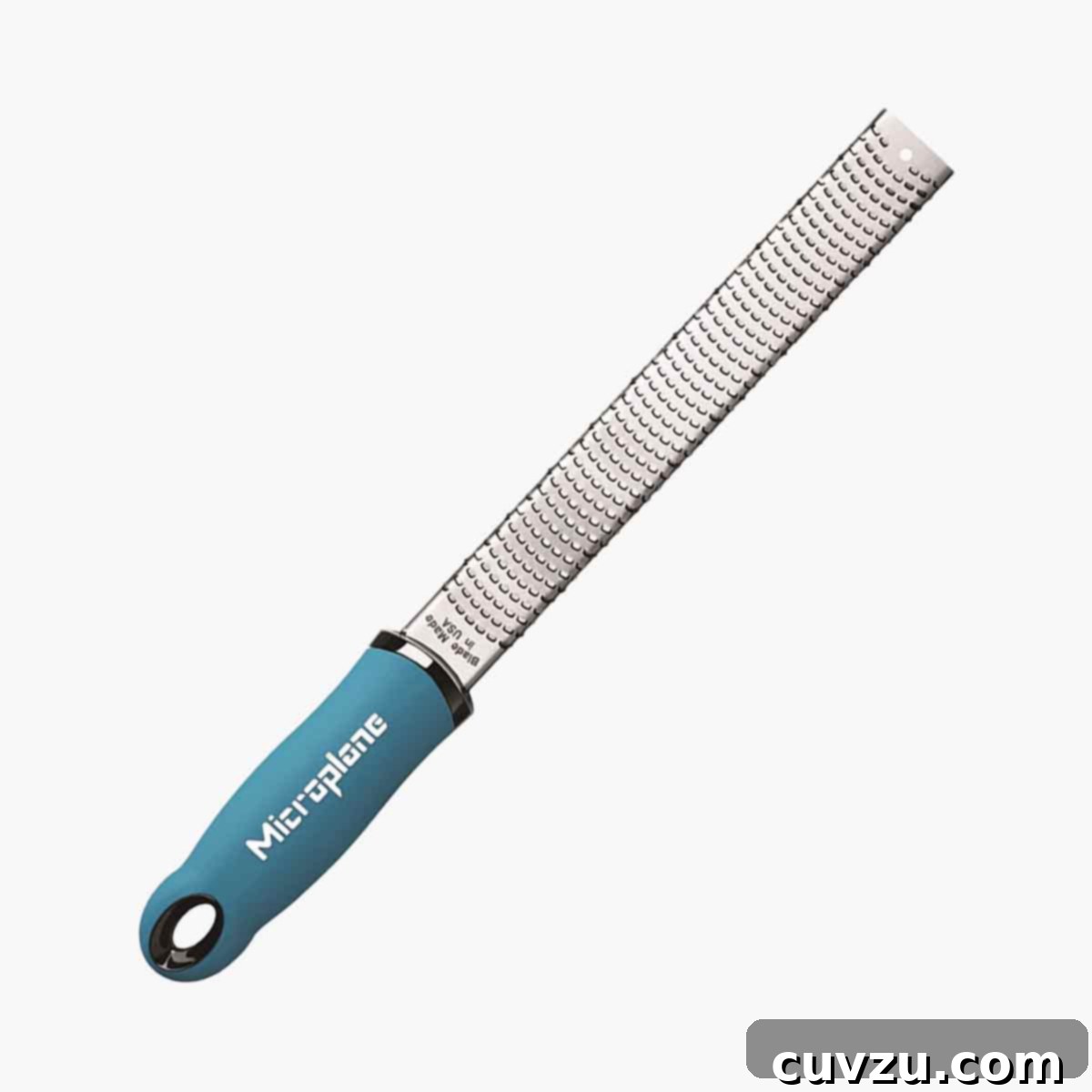
When it comes to zesters, one tool stands head and shoulders above the rest: the Microplane. Originally developed in the 1990s as a carpentry rasp, its incredibly sharp, etched blades were soon discovered by a Canadian cook to be revolutionary for grating Parmesan cheese. The culinary world quickly embraced it, and the Microplane zester quickly became a staple in professional and home kitchens alike. Its enduring popularity stems from its unparalleled ability to produce incredibly fine, fluffy zest that melts into dishes, releasing maximum flavor.
Microplane Classic Zester Grater, $32 on Amazon.com
Initially, I admit I was skeptical. The idea of using a tool that so closely resembled a woodworking rasp in my kitchen seemed outlandish. But after acquiring one, primarily out of curiosity and perhaps a misguided thought of using it for smoothing calloused heels (a friend advised against it, and I concur – stick to kitchen tasks!), its utility quickly became apparent. The Microplane didn’t just meet expectations; it surpassed them, making quick work of even large quantities of citrus, like an entire bag of lemons from a bulk store. Its precision and ease of use quickly made it an indispensable gadget in my culinary arsenal.
Beyond Citrus: Versatile Uses for Your Zester
While the Microplane zester excels at its primary function, its utility extends far beyond just citrus. This versatile kitchen tool can tackle a surprising array of ingredients, making it one of the most hardworking items in your drawer. For hard cheeses like Parmesan or Pecorino Romano, it creates ethereal, feathery mounds that melt beautifully into pasta dishes or sprinkle delicately over salads. Forget chunky shreds; the Microplane delivers an elegant, flavorful garnish every time.
It’s also fantastic for grating spices such as whole nutmeg or cinnamon sticks, releasing their freshly ground potency that pre-ground versions simply can’t match. When it comes to aromatics, the Microplane is a lifesaver. Fresh ginger and garlic can be finely grated into a paste, seamlessly blending into sauces, marinades, and stir-fries without any fibrous chunks. The same goes for horseradish, providing an intense kick to prime rib or cocktails. For desserts, effortlessly shave chocolate for exquisite garnishes, or delicately grate expensive truffles to sprinkle over gourmet dishes. Other unexpected uses include grating vegetables like radishes or carrots for very fine garnishes, or even hard nuts like almonds for baking. Given its multi-faceted capabilities, it’s no wonder many serious home cooks, myself included, keep two Microplanes: one dedicated solely to citrus to prevent flavor transfer, and another for everything else.
Maintaining Your Zester for Lasting Sharpness
To ensure your zester remains a sharp, reliable companion in your kitchen for years to come, proper maintenance is essential. Most quality zesters, particularly Microplanes, come with a protective cover. Always sheath your zester when it’s not in use. This simple habit protects the incredibly fine, delicate blades from accidental dents or damage when stored in a busy kitchen drawer, preserving their sharpness and effectiveness.
When it comes to cleaning, thin-bladed zesters like the Microplane are best washed by hand. While they might technically be dishwasher safe, the harsh detergents and the jostling against other utensils during a dishwasher cycle can dull the blades or cause tiny nicks. Instead, a quick rinse under warm, soapy water is usually sufficient. For any stubborn particles that get lodged in the tiny teeth, a stiff-bristled brush – perhaps a dedicated cleaning brush kept specifically for kitchen tools, or even an old toothbrush – works wonders. Just like our own teeth, those tiny blades sometimes need a gentle scrub to keep them dazzlingly clean and ready for their next task. By following these straightforward maintenance tips, your zester will continue to perform optimally, making every zesting task a pleasure rather than a chore.
Mastering the humble art of zesting is a small but impactful step towards becoming a more efficient and confident cook. It’s a testament to how minor adjustments in technique and the right tools can unlock a world of flavor and ease in your kitchen. So, next time you reach for that lemon, remember to flip your zester, embrace the flow, and savor the aromatic rewards.