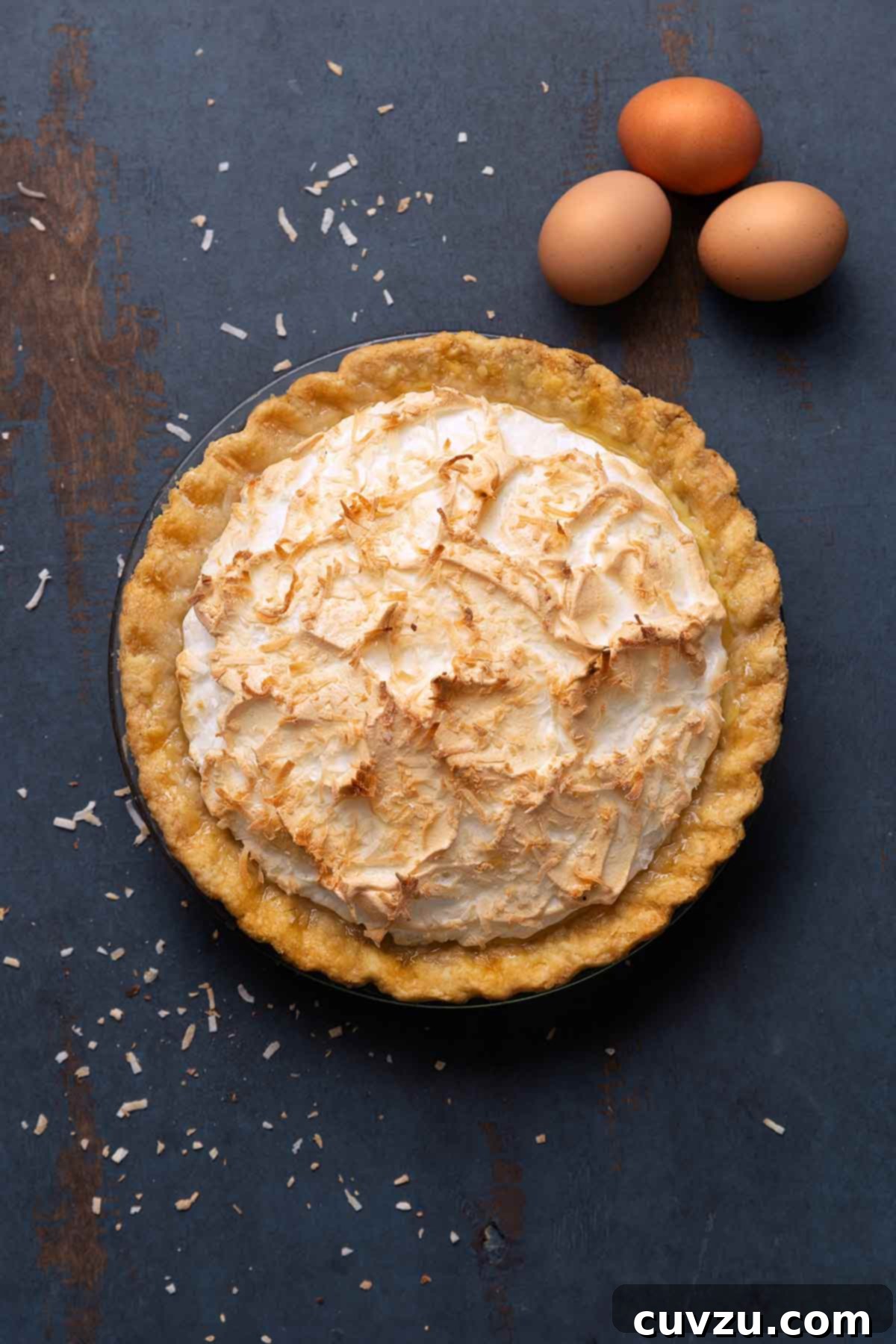
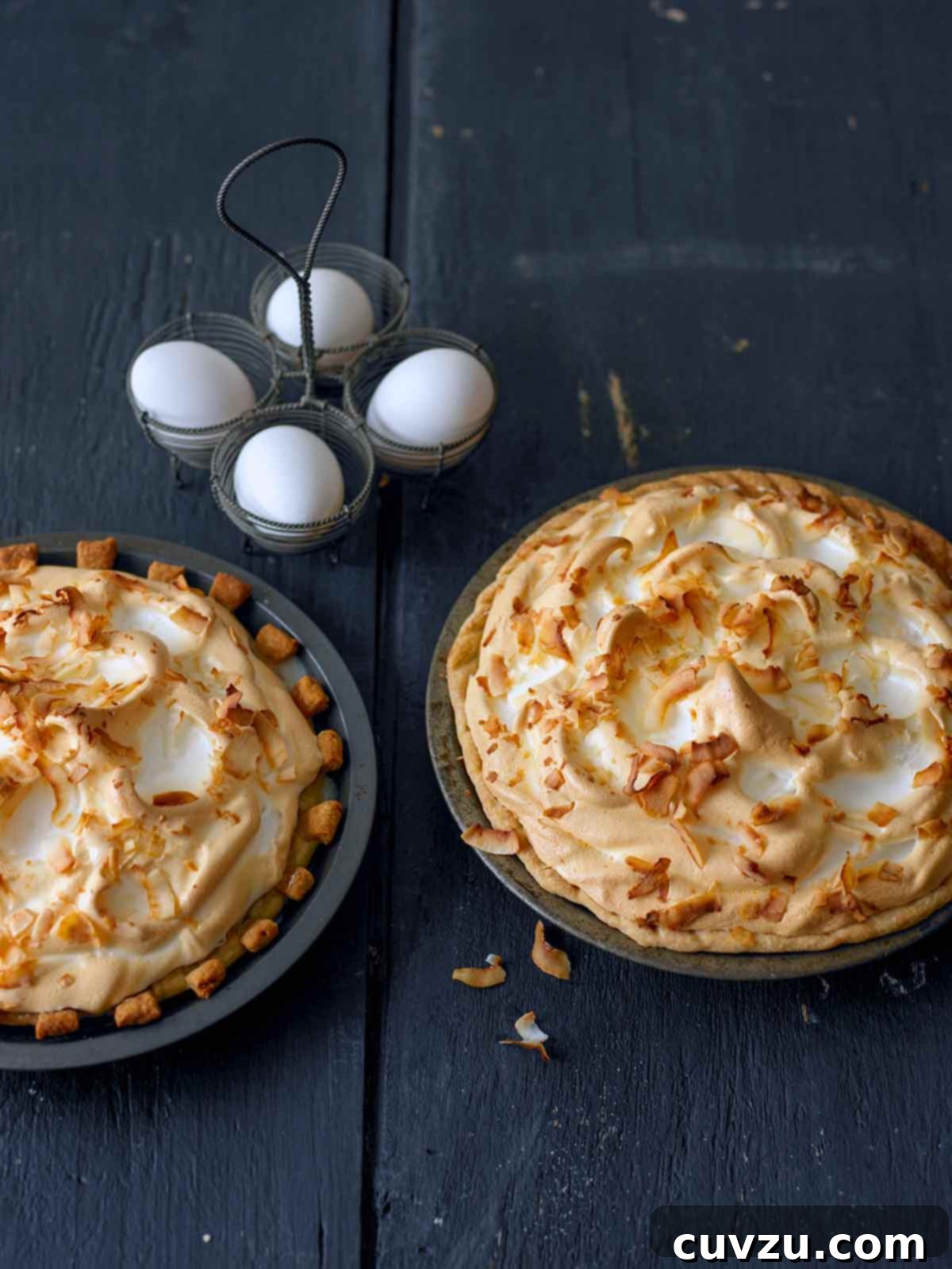
Discover the ultimate indulgence with this **classic coconut cream pie recipe**, a delightful journey back to an era of pure, unadulterated bliss. Imagine a luscious coconut custard, richly flavored and generously studded with tender coconut flakes, crowned with majestic billows of sweet meringue, and delicately sprinkled with toasted shredded coconut. What sets this extraordinary dessert apart is its foundation: a exquisitely buttery, flaky homemade pie crust, offering a savory counterpoint that perfectly balances the sweetness of the filling and meringue – a sublime alternative to the more common graham cracker crust. This cherished recipe has been meticulously perfected, retested, and updated to ensure every slice is a testament to timeless dessert perfection.
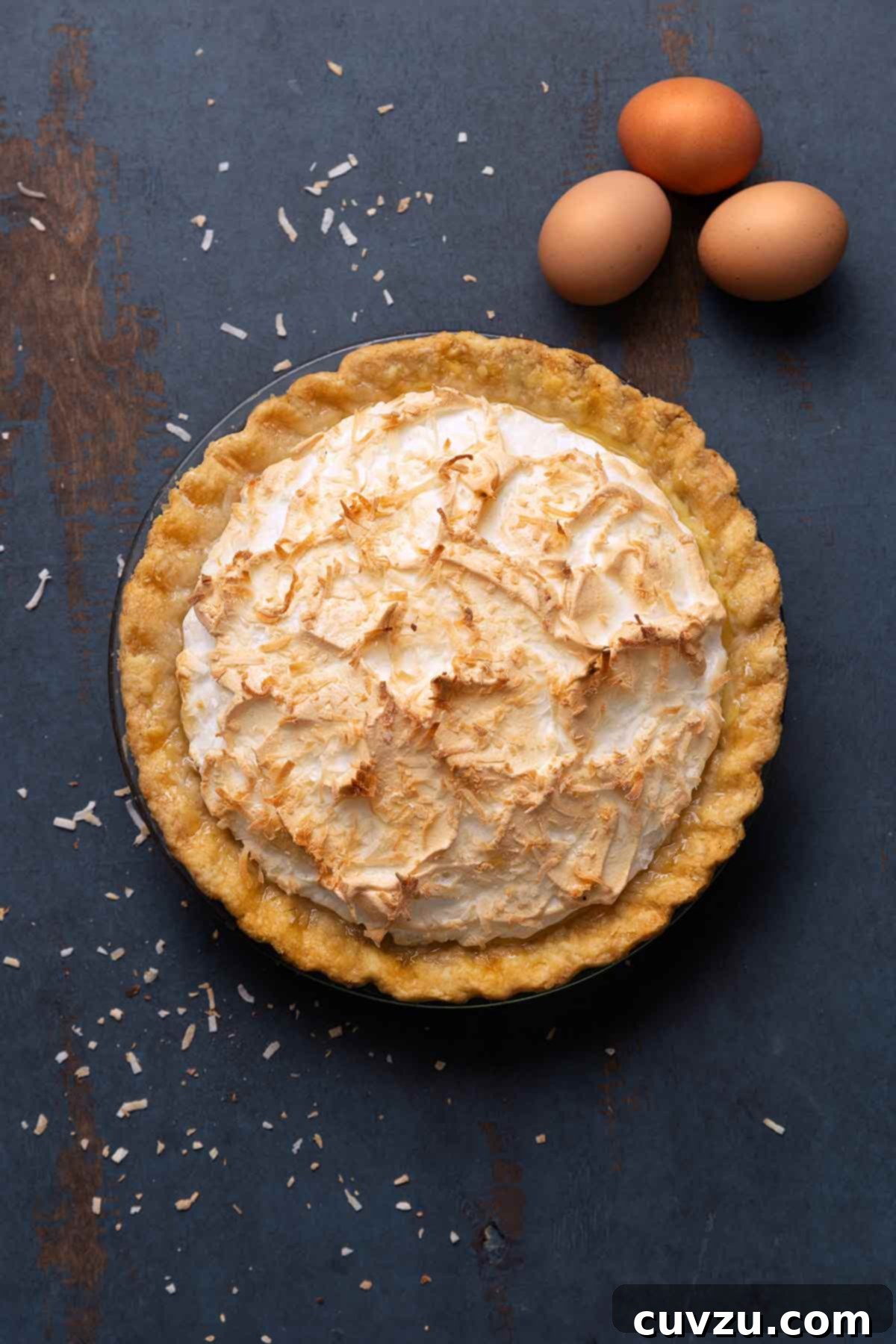
For over two decades since the inception of this culinary site, my passion for coconut has been undeniable, much like my friend Nora Coccaro’s. I’ve explored a myriad of coconut sweets, from the comforting nostalgia of old-fashioned coconut layer cake to the familial warmth of my aunt’s Portuguese coconut custard cups and the sophisticated elegance of coconut brûlée tarts. Yet, for years, I deliberately sidestepped the iconic coconut cream pie. My hesitation stemmed from a profound respect for its status as a beloved Southern classic. As a proud New Englander, delving into such revered territory felt akin to a Kentuckian boasting about making the perfect clam-shack fried clams – a culinary sacrilege, almost. The gravity of creating a truly authentic and outstanding **homemade coconut cream pie** weighed heavily.
However, my inherent culinary adventurousness eventually prevailed. Channeling my inner Icarus, I decided to cast aside caution and embarked on the ambitious journey of crafting this pie. And oh, what a journey it was!
What truly distinguishes this **easy coconut cream pie recipe** and elevates it, in my humble opinion, is its foundation: a rich, butter-based pie crust rather than the more common graham cracker crust. The delightful interplay between the savory notes of the pastry and the sweet, creamy filling creates a flavor profile that is simply irresistible. This approach not only enhances the taste but also streamlines the preparation, as the cooled custard filling is added to the fully baked crust, making handling significantly easier and preventing a soggy bottom—a common pitfall in pie making. This commitment to a superior crust ensures every bite offers a perfect textural and flavor harmony, making it a standout among coconut desserts.
After successfully perfecting what I confidently declared the **best coconut custard** north of Savannah, Georgia, a touch of overconfidence (as often befalls a culinary Icarus) led to a rather humbling series of meringue mishaps. I first overbaked it, resulting in a brittle, overly browned topping. Then, attempting to correct course, I underbaked it, leaving it unappealingly soft and weeping. It was only after these trials, humbled by my earlier tumbles, that I finally achieved the ideal meringue: light, airy, gently toasted, and holding its perfect, cloud-like peaks. This journey, fraught with both triumph and minor setbacks, ultimately led to the creation of a truly exceptional **coconut cream pie** that perfectly balances flavor, texture, and visual appeal, ready to grace any table.

Why Our Testers Raved About This Pie
The feedback from our recipe testers for this **homemade coconut cream pie** was overwhelmingly positive, filled with enthusiastic accolades. From the profoundly **rich coconut flavor** permeating every bite of the creamy custard to the exquisitely **light, airy meringue topping** that crowns it, every element received high praise. For many, this was their inaugural attempt at making a pie from scratch, complete with a meringue topping, and they were utterly delighted and genuinely surprised by their magnificent results. This pie not only delivers on taste but also empowers home bakers to achieve culinary success.
Essential Ingredients for Your Perfect Coconut Cream Pie
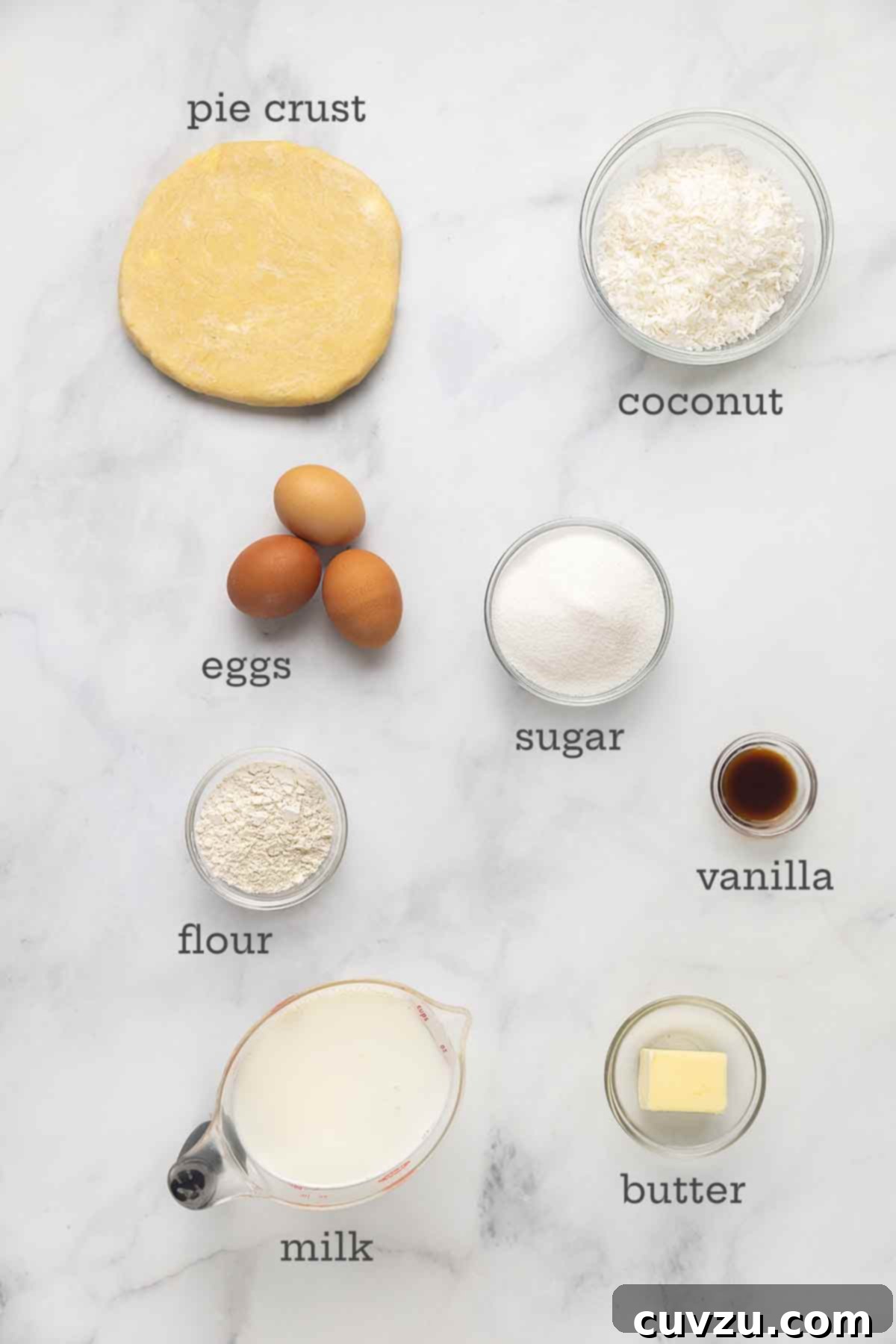
- Pie Crust – The foundation of this incredible **coconut dessert** is a single pie shell. Feel free to use your absolute favorite homemade pie crust recipe for that artisanal touch, or opt for a high-quality store-bought version for convenience. If your go-to recipe yields a double crust, simply freeze the other half of the dough for another delicious pie down the line. A **flaky pie crust** is key!
- Eggs – This recipe cleverly utilizes both parts of the egg: the rich yolks are essential for creating the velvety custard filling, while the whites are transformed into the spectacular meringue topping. For easier separation, we recommend separating your eggs while they are still cold. Once separated, place the egg whites back into the refrigerator to chill until about 15 minutes before you’re ready to whip them, ensuring they reach optimal volume.
- NOTE: Exercise extreme caution when separating eggs. Even the slightest trace of fat from the egg yolks can prevent your meringue from whipping up properly, leading to a flat result.
- Milk – To achieve the creamiest, most luxuriously rich-tasting **coconut custard**, we strongly advise using full-fat whole milk. Its higher fat content contributes significantly to the smooth texture and decadent flavor.
- Coconut – The choice between sweetened or unsweetened coconut is entirely up to your personal sweetness preference. I typically lean towards flaked coconut due to the delightful texture it imparts to the custard. However, in my local “culinary cemetery” (as I playfully call it), I often find myself limited to shredded coconut, which still works wonderfully to infuse that essential **rich coconut flavor**.
- Butter – For baking, unsalted butter is always my recommendation, as the salt content in salted butter can vary significantly between brands, making precise flavor control difficult. If you only have salted butter on hand, simply omit the additional salt specified for the filling to maintain the desired balance.
- Vanilla Extract – Please, for the purest and most authentic flavor, insist on using only real vanilla extract. Imitation vanilla simply cannot replicate the depth and warmth that true vanilla brings to this **classic coconut dessert**.
Mastering the Art of Coconut Cream Pie: A Step-by-Step Guide
Crafting the perfect **homemade coconut cream pie** is a rewarding experience. Follow these detailed steps to achieve a dessert that’s both beautiful and delicious.
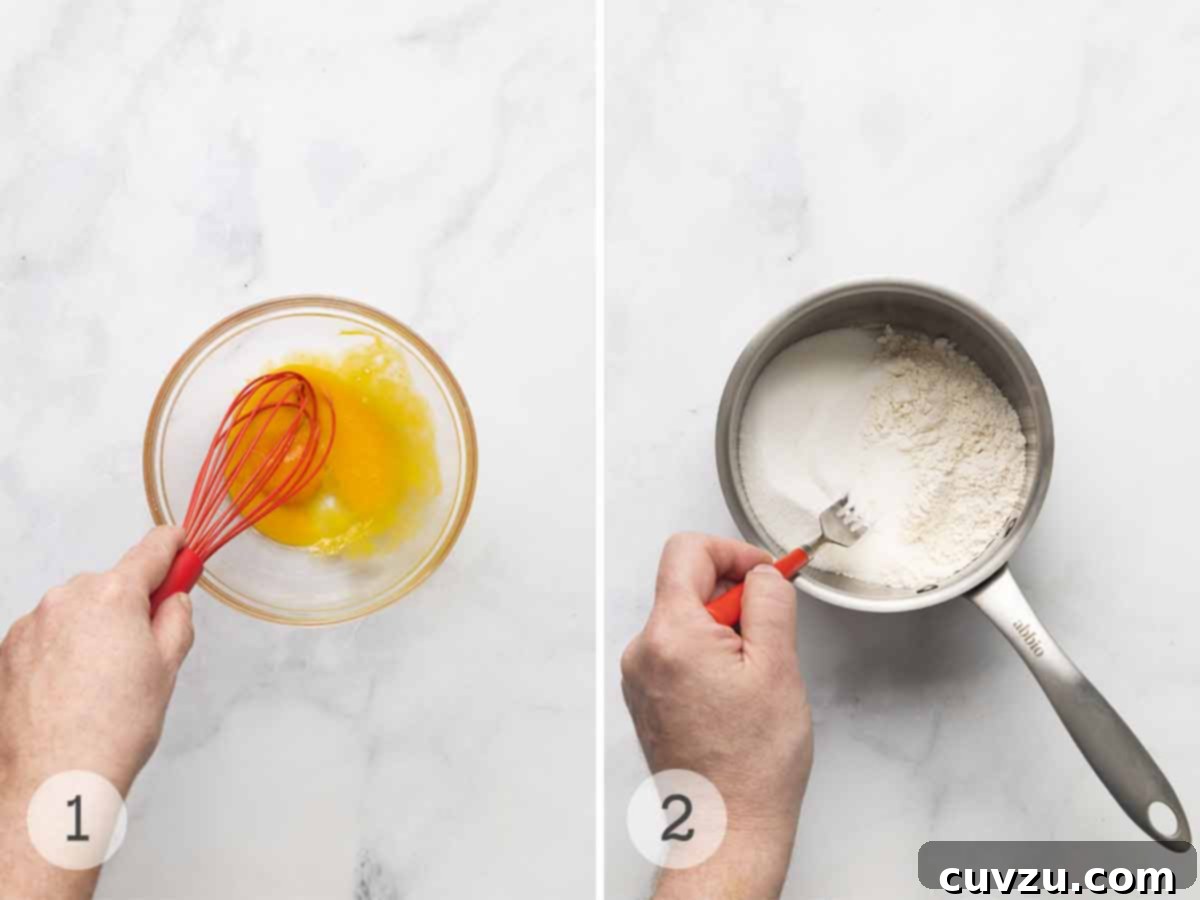
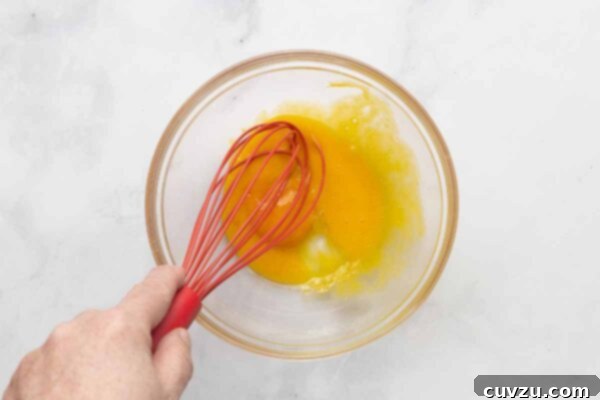
- Prepare the Egg Yolks: Begin by placing your separated egg yolks in a medium-sized bowl. Whisk them thoroughly until they are light in color and slightly frothy. This ensures they are ready to be smoothly incorporated into the custard.
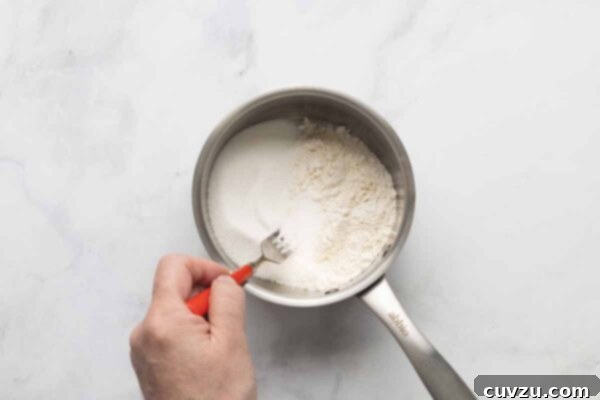
- Combine Dry Ingredients: In a separate medium saucepan, combine the granulated sugar, all-purpose flour, and salt. Use a whisk to vigorously mix these dry ingredients together until they are completely uniform. This prevents lumps in your finished custard and ensures an even sweetness and thickening.
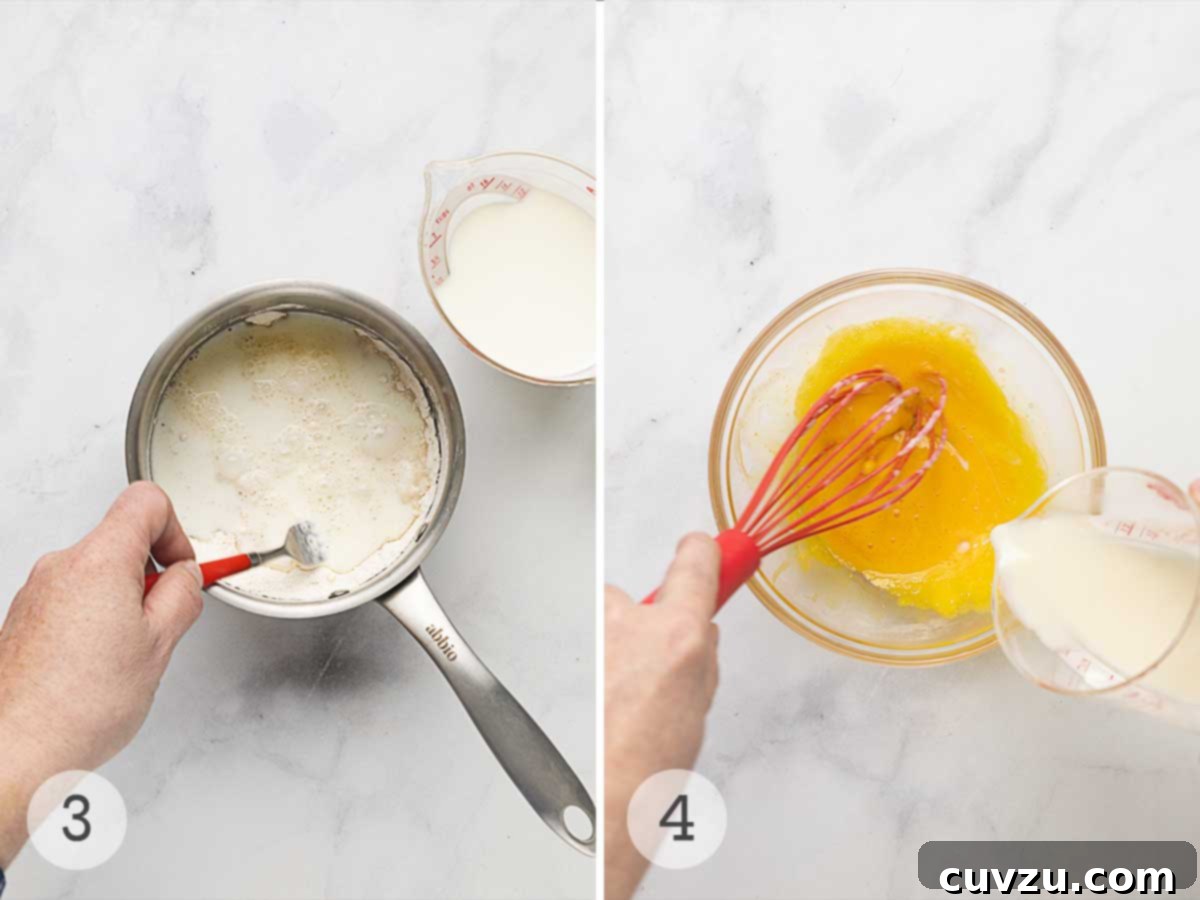
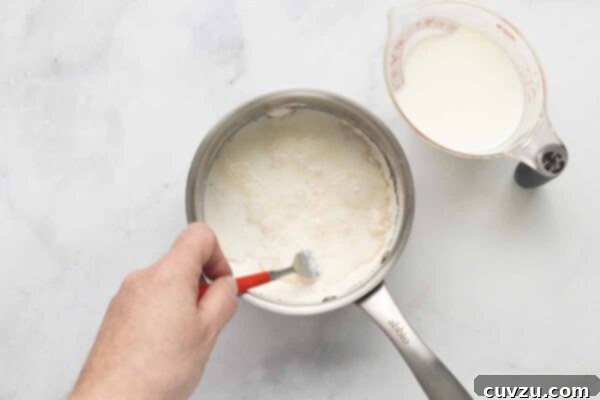
- Whisk in Milk and Thicken: Gradually whisk the milk into the dry ingredients in the saucepan until all the dry components have fully dissolved and the mixture is smooth. Place the saucepan over medium heat and cook, stirring continuously with a whisk or spatula. Continue cooking until the mixture visibly thickens into a smooth, sauce-like consistency. Remove the saucepan from the heat immediately to prevent scorching.
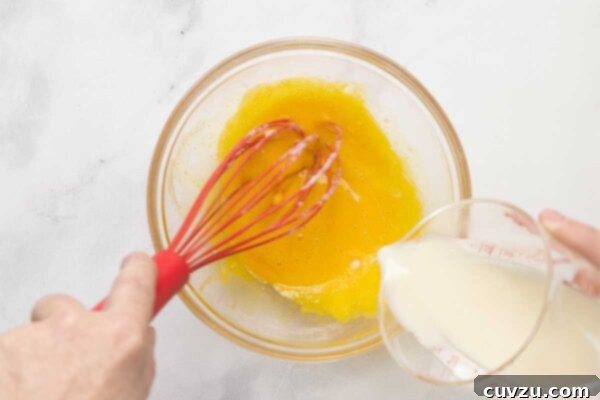
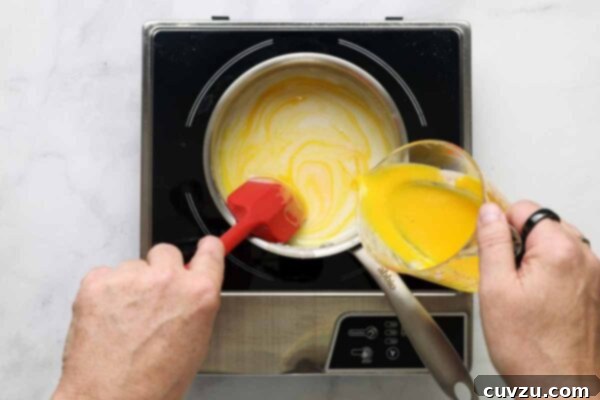
- Temper the Egg Yolks: This crucial step prevents the egg yolks from scrambling. Slowly, ladle about 1/2 cup of the hot milk mixture into your beaten egg yolks, whisking constantly and vigorously. This gradual addition raises the temperature of the egg yolks gently. Once tempered, carefully pour the warmed egg yolk mixture back into the saucepan with the remaining hot milk mixture, continuing to stir constantly until fully combined.
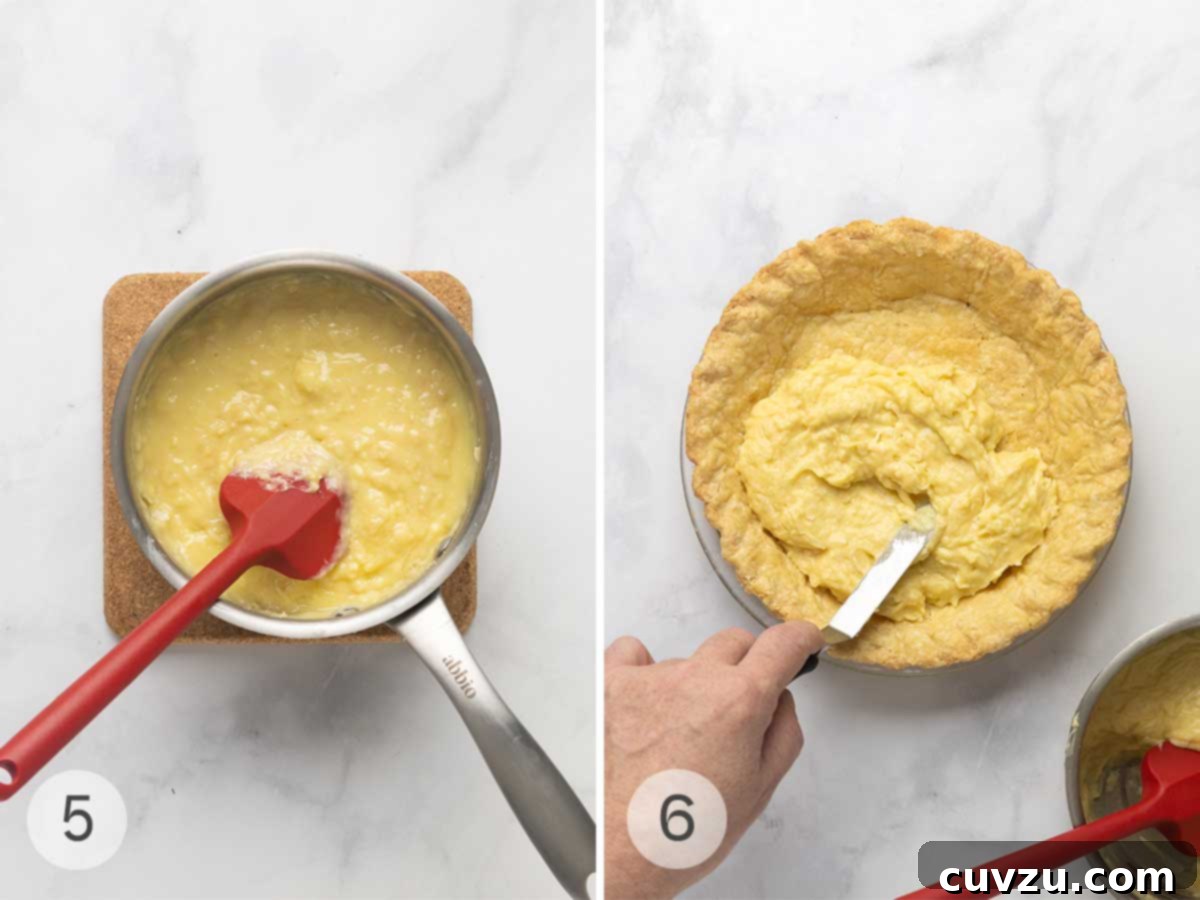
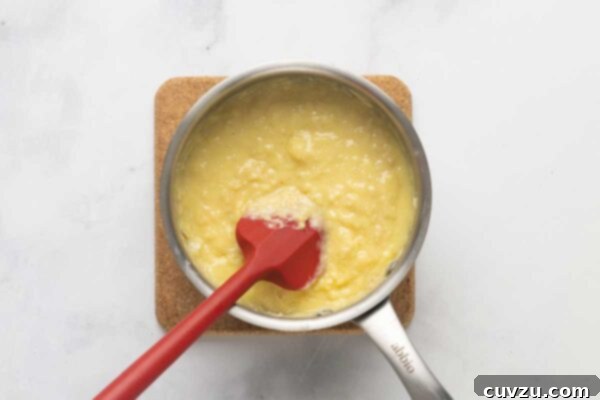
- Finish the Custard: Return the saucepan to medium heat and continue to cook, stirring frequently and scraping the bottom of the pan to prevent sticking. Cook until the custard becomes very thick and starts to hold its shape when a spoonful is lifted. Bring it to a gentle, bubbling boil for 1 minute to ensure proper thickening. Remove from the heat. Stir in 1 cup of the shredded or flaked coconut, the butter, and the vanilla extract until the butter is completely melted and incorporated. Press a sheet of plastic wrap directly onto the surface of the custard to prevent a skin from forming, and let it cool completely to room temperature.
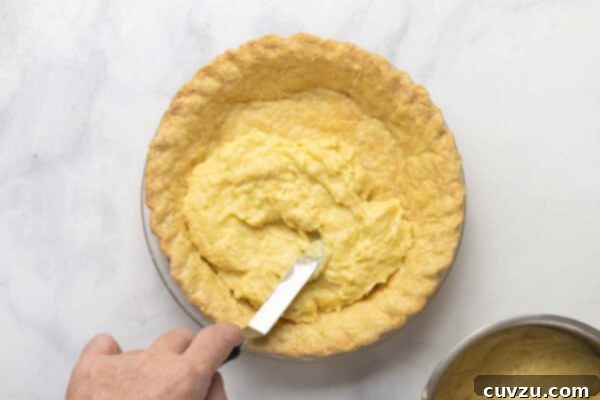
- Fill the Pie Crust: Once the custard has completely cooled, remove the plastic wrap and spoon the rich, creamy filling evenly into your pre-baked pie crust. Spread it gently to create a smooth surface, preparing it for the meringue topping.
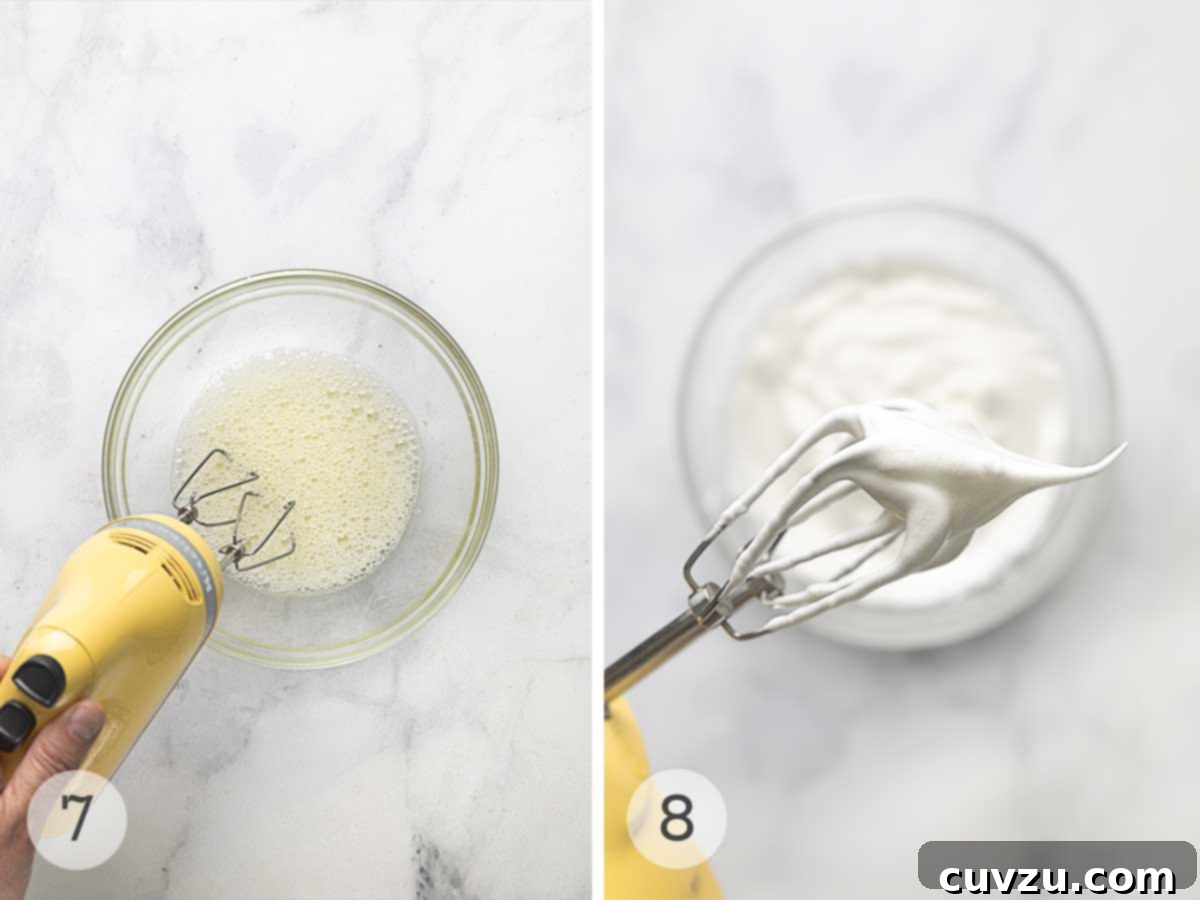
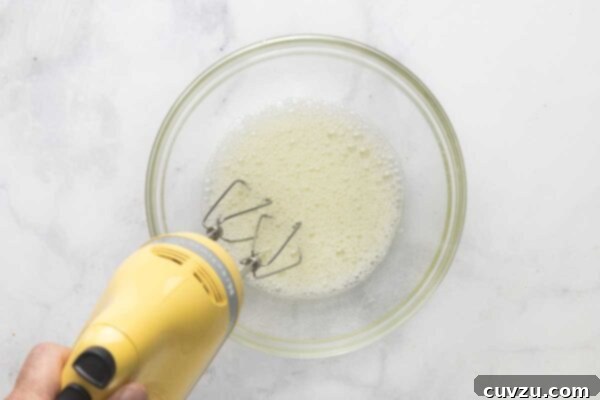
- Whip Egg Whites: In a clean, dry medium bowl, beat the egg whites with an electric mixer on medium speed until they become foamy and opaque. Ensure there is no trace of fat, as this will prevent them from whipping properly.
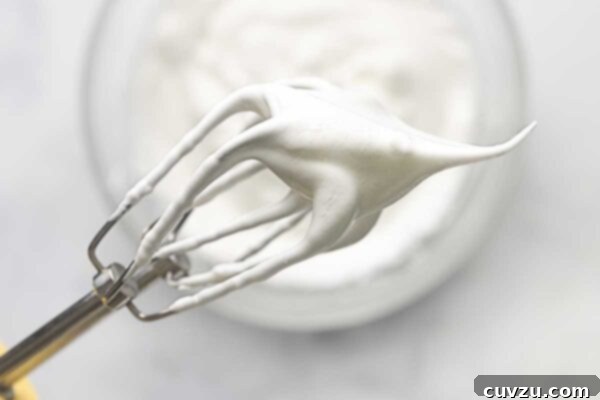
- Create Meringue Peaks: Increase the mixer speed to high. Gradually add the granulated sugar, about a tablespoon at a time, continuously beating. Continue to beat until the egg whites are glossy, form stiff, shiny peaks that hold their shape firmly, and the sugar has completely dissolved. This creates the perfect **sweet meringue** for your pie.
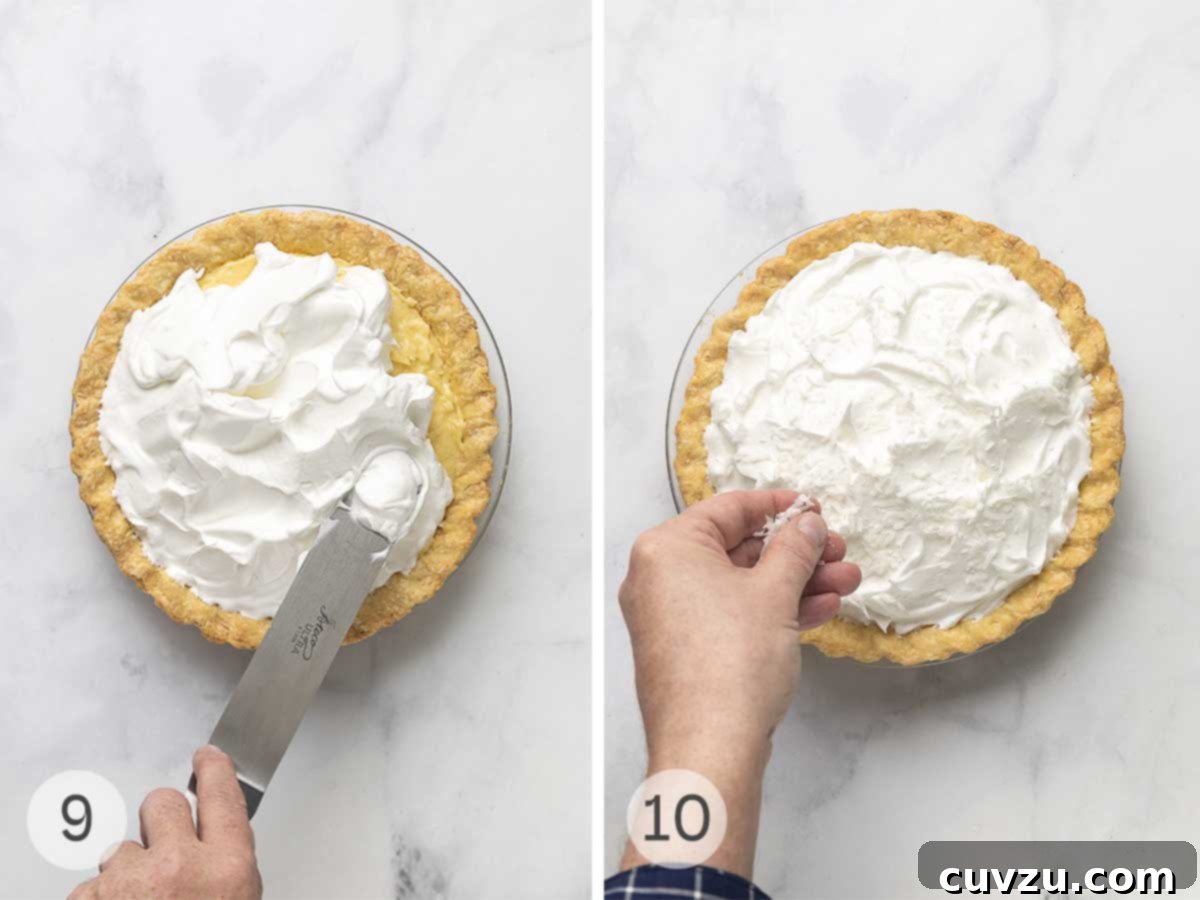
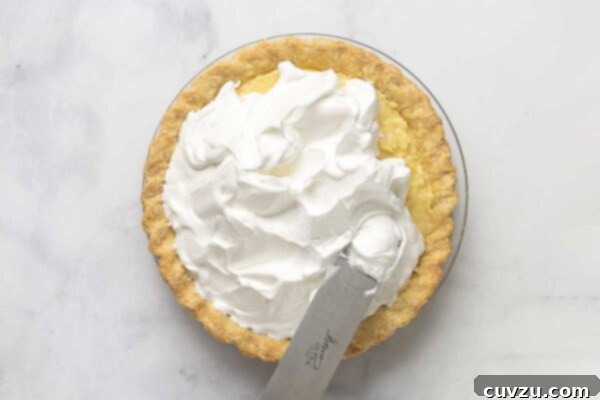
- Top with Meringue: Gently spoon and pile the fluffy meringue on top of the cooled custard filling in the pie crust. Spread it to the edges, ensuring the meringue creates an appealing mound in the center, touching the crust to seal the filling. You can create decorative swirls and peaks with the back of a spoon.
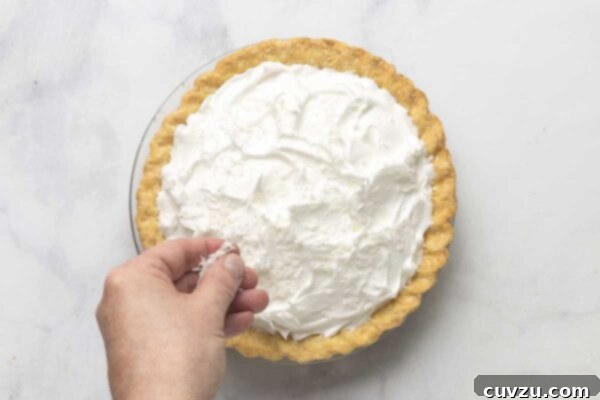
- Bake and Serve: Sprinkle the remaining 1/4 cup of coconut evenly over the meringue topping. Bake the pie in a preheated 350°F (175°C) oven until the meringue achieves a beautiful, golden-brown hue, typically 10 to 15 minutes. Once baked, transfer the pie to a cooling rack and allow it to cool completely to room temperature before slicing and serving. This ensures the custard sets perfectly and the flavors meld.
Common Questions About Coconut Cream Pie
Meringue weeping, where small beads of liquid pool on top, often occurs if the meringue is undercooked or contains excessive moisture. To help stabilize it and prevent this, try beating 1 tablespoon of cornstarch and 1/4 teaspoon of cream of tartar into the egg whites during the whipping process. These ingredients help absorb moisture and strengthen the meringue’s structure.
While both are delightful coconut desserts, the primary distinction lies in their preparation. A **coconut cream pie**, like this recipe, features a custard that is cooked on the stovetop until thickened before being poured into a pre-baked pie shell. In contrast, for a **coconut custard pie**, the uncooked custard mixture is poured into an unbaked pie shell, and both components thicken and bake together in the oven simultaneously.
For a custard to achieve its desired thickness, the egg proteins must reach a sufficient temperature to denature and kill alpha-amylase, an enzyme that can break down starches. This typically happens around 190°F (88°C), just below a full boil. If your custard remains thin, it likely hasn’t reached this critical temperature. Continue cooking it a bit longer over medium heat, stirring consistently, and ensure it comes to a gentle boil for at least one minute to guarantee proper thickening.
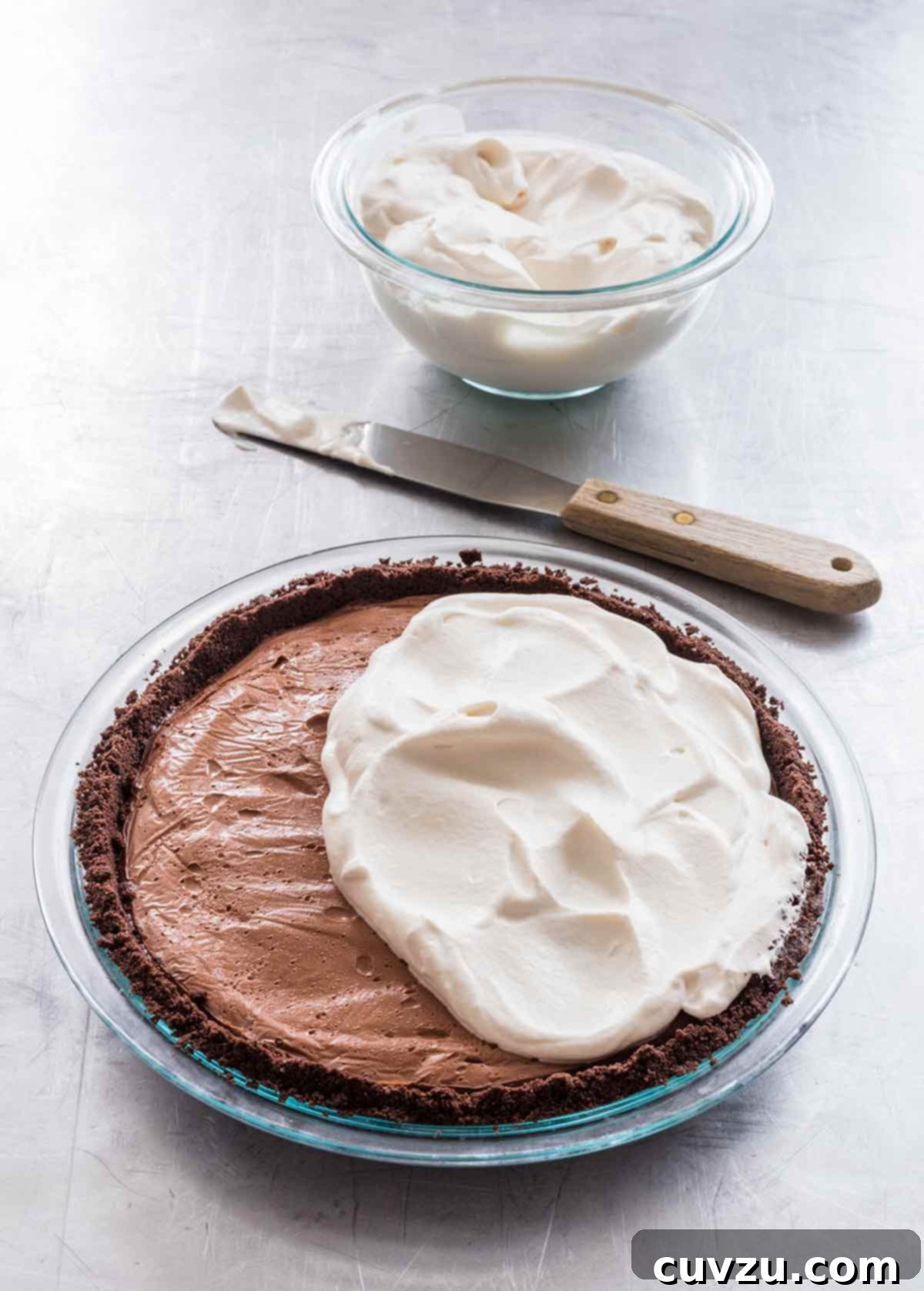
Absolutely! While meringue is the classic and traditional topping for this **coconut cream pie**, if it’s not to your preference, you can easily substitute it with homemade whipped cream. Simply top your cooled custard with generous dollops of freshly whipped cream, and for an extra touch of flavor and texture, sprinkle a handful of toasted coconut flakes over it. This alternative is wicked easy and equally delicious!
You can certainly prepare and freeze your pie crust dough up to 3 months in advance of baking, which is a great time-saver. However, we do not recommend freezing the *finished* **coconut cream pie**. Both the creamy filling and the delicate meringue topping are prone to becoming watery and separating upon thawing, compromising the pie’s exquisite texture and appearance.
Pro Tips & Troubleshooting for Perfect Pie
- Ensure Complete Cooling: This is a golden rule for **creamy custard** pies! Always allow your coconut custard filling to cool completely to room temperature before spreading it into the crust and topping it with meringue. Introducing warm custard to meringue can cause the meringue to deflate, become wet, or even separate from the filling, leading to a less than ideal presentation and texture.
- The Hot Knife Trick: To achieve picture-perfect, clean slices of pie without deflating or tearing the beautiful meringue, employ this simple professional trick: dip your sharp knife into a glass of very hot water before making each cut. Wipe it clean between slices. The heat from the knife will glide effortlessly through the meringue and custard, yielding beautifully pristine portions every time.
Storage Instructions for Your Coconut Cream Pie
While **meringue-topped pies** are truly at their peak when served fresh on the day they are made, any leftover pie can be safely refrigerated for up to 2 days. To protect the delicate meringue from sticking to plastic wrap, insert a few toothpicks into the meringue topping, then loosely cover the entire pie with plastic wrap. The toothpicks will create a small tent, preventing the plastic from touching and potentially damaging the meringue, preserving its beauty and texture.
Explore More Delicious Custard Pie Recipes
Share Your Experience: Write a Review!
We love hearing from you! If you try this exquisite **coconut cream pie recipe**, or any other dish from Leite’s Culinaria, please consider leaving a review. Share your star rating and your best photo in the comments section below – your feedback truly inspires us! –David
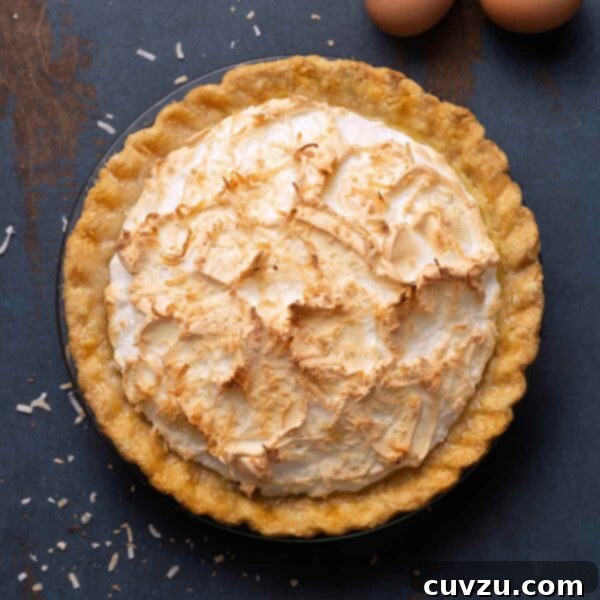
Coconut Cream Pie
David Leite
Ingredients
For the crust
- Food Processor Pie Crust, fully blind baked
For the coconut custard filling
- 3/4 cup granulated sugar
- 1/3 cup all-purpose flour
- 1/8 teaspoon salt
- 3 large egg yolks
- 2 1/4 cups milk, preferably whole milk
- 1 1/4 cups shredded or flaked coconut, sweetened or unsweetened
- 3 tablespoons (1 1/2 oz) unsalted butter
- 1 teaspoon vanilla extract
For the meringue
- 3 large egg whites
- 5 tablespoons granulated sugar
Instructions
Make the coconut custard filling
-
In a medium bowl, beat the egg yolks.

-
In a medium saucepan, combine the sugar, flour, and salt. Use a fork or a whisk to mix them well.
-
Pour the milk into the pan and stir well with a whisk or a spatula until everything is very well combined and the dry ingredients seem to have dissolved.
-
Place the saucepan over medium heat and cook, still stirring with the whisk or spatula, until the mixture heats up and almost reaches a boil and steams and thickens into a smooth, velvety sauce, 6 to 8 minutes. Remove the pan from the heat.
-
Scoop out about 1/2 cup of the hot milk mixture with a measuring cup. Begin stirring the beaten egg yolks with a whisk or a large spoon and slowly, slowly start to add the 1/2 cup of the steaming hot milk mixture, stirring constantly as you pour. (This warms up the eggs and discourages them from curdling.)
-
Slowly pour the egg yolk and milk mixture back into the mixture in the pan, stirring until completely incorporated.
-
Place the pan back over medium heat and continue to cook, stirring and scraping the bottom of the pan often, for 2 to 3 minutes. Continue to cook, still stirring and scraping but a little more occasionally, until the mixture thickens considerably and begins retaining its shape when a blob is dropped from the spoon.
-
Let it come to a gentle but noisy boil, with large, blobby bubbles surfacing, popping, plopping, and steaming like lava in a cartoon volcano. Let it boil gently for 1 minute. Remove the pan from the heat.
-
Add 1 cup of the coconut, the butter, and the vanilla to the custard in the pan and stir to combine. When the butter is melted and incorporated into the custard, place a sheet of plastic wrap directly onto the surface of the custard and set it aside to cool to room temperature.
-
When the custard has cooled to room temperature, remove the plastic wrap and scoop the custard filling into the pie crust.
Make the meringue
-
Heat the oven to 350° F (176°C)
-
Beat the egg whites in a medium bowl with an electric mixer on medium speed until foamy.
-
Increase the speed to high and gradually add the sugar, about 2 tablespoons at a time. Beat the egg whites until they swell up into plump, shiny, soft clouds that hold firm, curly peaks.
Assemble and bake the pie
-
Scoop the meringue on top of the cooled custard filling, spreading it all the way to the crust and mounding the meringue slightly in the center of the pie.
-
Create swoops and swirls in the meringue for decorative effect and sprinkle the remaining 1/4 cup of the coconut over the top of the meringue.
-
Place the coconut cream pie on the middle rack of the oven and bake until the meringue is a beautiful golden brown, 10 to 15 minutes. Place the pie on a cooling rack or a folded kitchen towel and let cool to room temperature. Serve at room temperature or, if desired, refrigerate and serve chilled.
Notes
- Cool it Completely: It is paramount to let your **coconut custard** filling cool completely to room temperature before adding it to the crust and topping with the meringue. Warm custard can cause the meringue to deflate, become watery, and compromise the overall texture.
- Precise Cutting: For flawless, picture-perfect slices of pie without damaging the delicate meringue, dip your knife in a glass of hot water before each cut. The heated blade will glide smoothly, ensuring clean, elegant portions.
- Storage Best Practices: Store any leftover pie, loosely covered with plastic wrap, in the refrigerator for up to 2 days. For best results, consume within this timeframe to enjoy its optimal freshness and texture.

Adapted From
Southern Pies
Buy On Amazon
Explore More with AI
Nutrition
Nutrition information is automatically calculated, so should only be used as an approximation.
What Our Recipe Testers Are Saying
Joan Osborne
I finally did it! I successfully made my very first cream pie with a meringue topping, and the results were absolutely fantastic. I owe it all to this incredible **coconut cream pie recipe**. It truly guided me step-by-step, leading to a culinary triumph.
I simply stood back, basking in the “oohs and aahs” of my family and friends, grinning like the Cheshire Cat at my beautifully finished pie. While I’m sure this pie would be wonderful with any homemade pie crust, I wholeheartedly recommend pairing it with the food processor pie crust featured on the site. Needless to say, both the crust and this divine pie will be making regular appearances in my kitchen!
Adrienne Lee
The aroma of the **homemade coconut cream pie** filling was so utterly enticing that it almost didn’t make it into the crust! (As a side note, I reduced the butter by 1 tablespoon and opted for non-fat milk, and it still tasted incredibly rich and satisfying.) My entire family absolutely adored it.
We enjoyed one slice that very evening—the still-warm meringue boasted a delightful, slightly burnt marshmallow flavor, which was pure yum. Then, we indulged in another piece the next morning, chilled straight from the fridge. It genuinely tastes wonderful whether served warm or cold, offering two distinct and equally pleasurable experiences.
Natalie Reebel
I am so incredibly pleased that this particular recipe was my inaugural attempt at a **homemade coconut pie**, as the outcome was absolutely flawless. The creamy coconut pie filling was wonderfully silky and perfectly sweet, interspersed with tender bits of coconut that added a lovely texture. The meringue, a cloud of light and airy perfection, offered a subtle chewiness from the toasted coconut and its beautifully golden-brown top. It was a truly delightful and impressive dessert!
Sandy Hill
This exquisite **coconut cream pie** immediately transported me back to my Texas childhood! Recipes for this classic dessert were a staple at every church dinner and family gathering. This specific rendition features a truly delicious custard, and the ethereal puffs of meringue complete it to absolute perfection.
The instructions for preparing the filling initially seemed a bit lengthy, but they proved entirely necessary to meticulously guide the process and prevent the custard from curdling, ensuring a silky-smooth result. We are eagerly looking forward to making this delightful pie again very soon!
Kim Venglar
This pie truly delivered on both flavor and its incredibly creamy texture. I opted to use my tried-and-true homemade pie crust recipe and chose sweetened coconut, which complemented the filling beautifully. I used my hand mixer for the meringue this time, but next time I’ll definitely bring out my KitchenAid. It took a remarkably long time for my meringue to reach the perfect consistency, but the effort was well worth it; the result was a stunning, beautifully toasted coconut meringue that had everyone utterly drooling!
Trudy Ngo-Brown
The **homemade coconut cream pie filling** for this recipe was truly excellent. I didn’t have whole milk readily available, so I improvised by using one cup of half-and-half and supplementing the rest with 2% milk, and the rich flavor was still outstanding. I used sweetened shredded coconut, and the amount was perfectly balanced for each bite; however, those who prefer less texture from shredded coconut might consider a slight reduction.
A crucial tip I learned: ensure the **coconut custard** is completely cooled before you even think about putting the meringue on top to bake. I rushed this particular step, and I believe it caused my meringue layer to separate from the filling and become a little runny. I refrigerated the pie overnight, and by morning, it appeared slightly less watery, and fortunately, I don’t think it affected the taste at all, though the appearance wasn’t quite as pristine. On a final note, my meringue ended up rather squat and restrained, not as buoyant and exuberant as I had envisioned, reinforcing the importance of patience and proper technique!