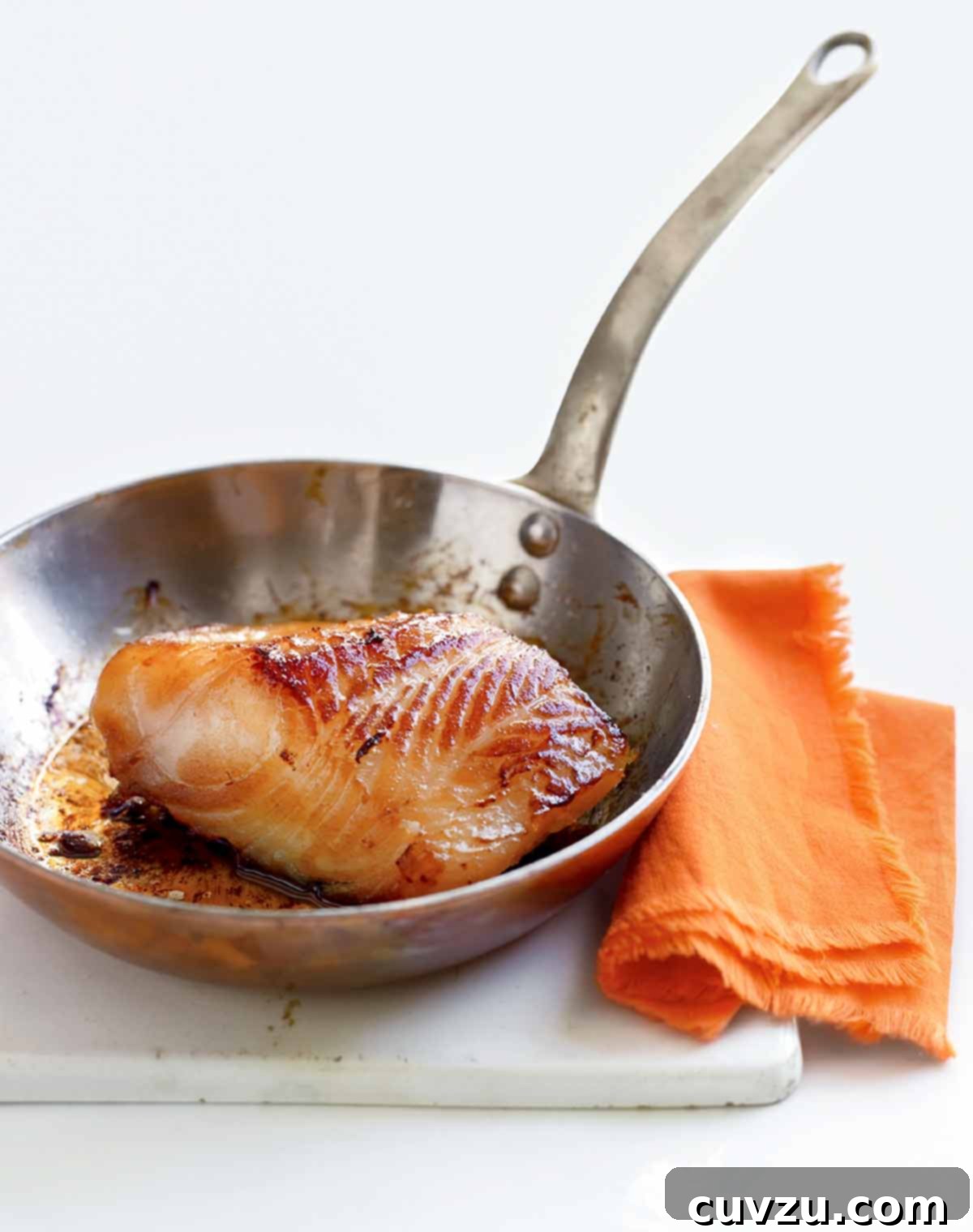
Exquisite Miso Cod: Crafting Nobu’s Signature Dish at Home
Step into the world of gourmet cooking from the comfort of your kitchen. This extraordinary miso cod recipe, originally popularized by the renowned restaurateur Nobu Matsuhisa, brings a rich, caramelized, and intensely flavorful Japanese glazed fish directly to your dining table. With a simple marinade of mirin, miso, and sugar, followed by a quick pan-sear and bake, you’ll achieve a dish that’s both elegant and surprisingly easy to master. Prepare to impress with this iconic culinary masterpiece.
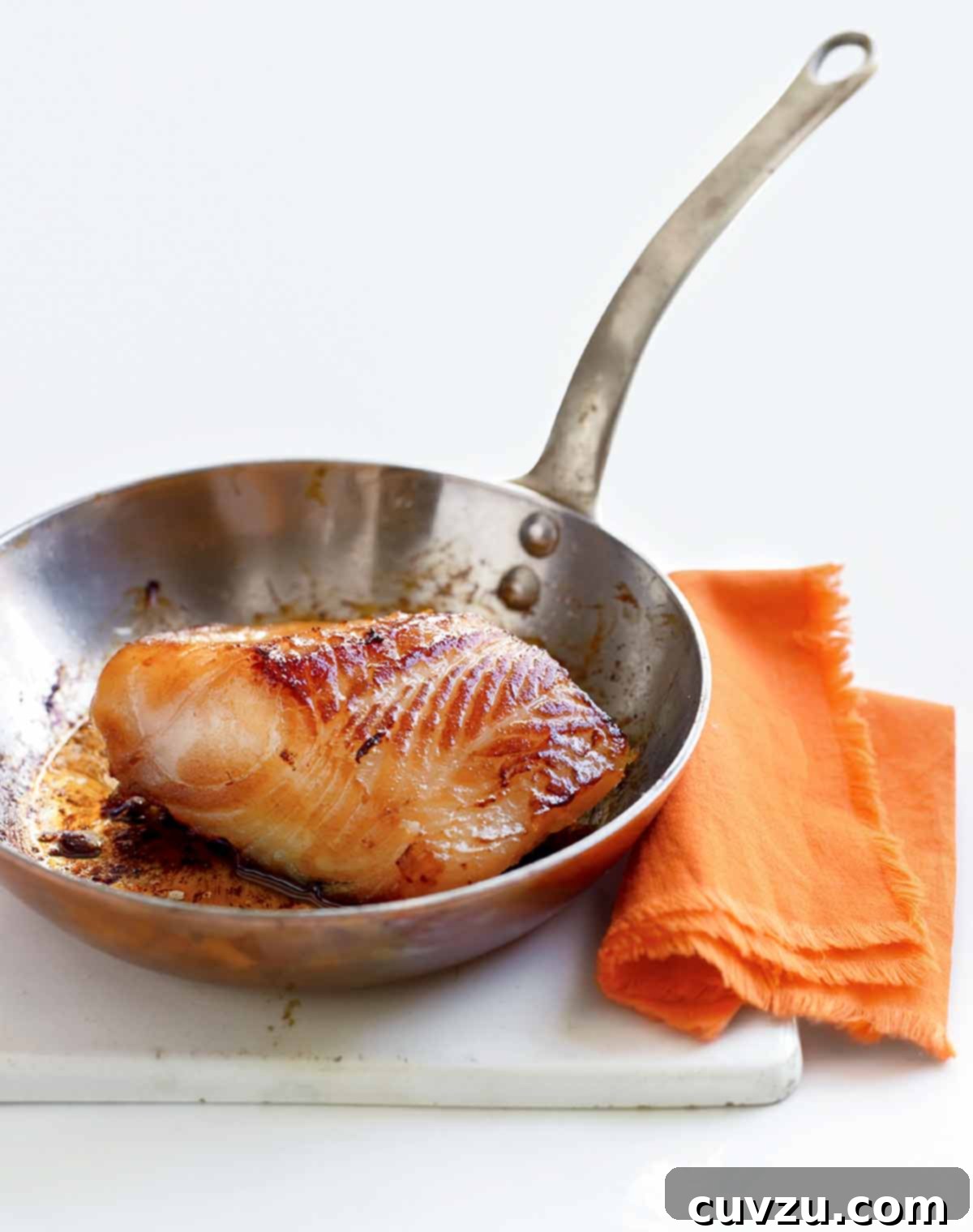
Restaurateur Nobu Matsuhisa forever changed the landscape of modern Japanese cuisine with his signature miso cod. This dish, a harmonious blend of Japanese culinary tradition and innovative techniques, relies on a deeply flavorful miso marinade to transform an ordinary piece of fish into a succulent, caramelized delight with a remarkable toothsome texture. It’s a testament to the power of simple, high-quality ingredients and a technique that allows their best characteristics to shine. Now, you too can channel your inner Nobu and create this unforgettable dish. This rendition is lovingly shared by Renee Schettler.
Understanding Black Cod: The Ideal Canvas for Miso
While commonly referred to as “black cod,” this exquisite fish is not actually a member of the true cod family. Scientifically known as Anoplopoma fimbria, it is more precisely called sablefish or butterfish due to its incredibly rich, buttery, and velvety texture. Unlike its leaner, firmer namesake, black cod boasts a high oil content, which contributes to its moistness and delicate flakiness, making it exceptionally forgiving to cook and incredibly flavorful.
Its natural richness perfectly complements the sweet and savory notes of the miso marinade, allowing the flavors to meld beautifully without overwhelming the fish itself. The high fat content also aids in achieving that coveted caramelized crust during the searing process without drying out the interior. This combination results in a truly luxurious eating experience.
Excellent Substitutes for Black Cod
If black cod proves elusive at your local fish market, don’t despair! Several alternatives can still yield a delicious miso-glazed fish, though their textures and cooking times may vary slightly:
- Chilean Sea Bass (Patagonian Toothfish): Often considered the closest equivalent to black cod due to its comparable fat content and firm, yet tender texture. It holds up exceptionally well to dry-heat cooking methods like broiling and grilling.
- Pacific Cod: A more readily available option, Pacific cod has a milder flavor and a slightly firmer, less fatty texture than black cod. It will still absorb the marinade well and cook beautifully.
- Halibut: Known for its firm, white flesh and mild flavor, halibut is another excellent choice. It’s leaner than black cod but its robust texture can handle the marinade and cooking process gracefully.
- Salmon: For a different flavor profile, salmon can be a fantastic substitute. Its inherent richness and distinct taste pair wonderfully with miso, creating a deeply satisfying dish.
- Mackerel or Sole: As some recipe testers have discovered, thinner, oilier fish like mackerel can also work, creating “fish candy” with extra crispy caramelized bits. Sole, while delicate, can be used if handled carefully.
When substituting, remember that leaner fish may cook faster, and fattier fish will yield a richer result. Adjust cooking times as needed to ensure your chosen fish is cooked through and flaky, but not overdone.
Miso Cod: A Restaurant Classic at Home
This is a mouthwatering variation on the classic dish found in many modern Asian-inspired restaurants. The marinade bath both flavors and cures the fish, creating an unparalleled depth of taste and tender texture.
Recipe by David Leite
Cuisine: Japanese
Course: Mains
Servings: 4 servings
Calories: 419 kcal per serving
Prep Time: 15 minutes
Cook Time: 10 minutes
Total Time: 1 day 25 minutes (includes marinating time)
Ingredients
- 1 cup mirin
- 2 cups white or yellow miso paste
- 1 1/4 cups granulated sugar
- Four (6-ounce) black cod fillets (may substitute Pacific cod, halibut, or Chilean sea bass)
- Canola oil, for searing
Instructions
- In a small saucepan over medium heat, gently warm the mirin. It’s crucial not to let it boil, as this will burn off the alcohol and alter its flavor. Simply warm it until it’s comfortably hot to the touch.
- Once the mirin is warm, add the miso paste to the saucepan. Stir continuously with a whisk or spoon until the miso is completely dissolved and incorporated into the mirin, forming a smooth, uniform mixture. This typically takes about 5 minutes.
- Now, add the granulated sugar to the mirin and miso mixture. Continue to stir until the sugar is fully dissolved. Once dissolved, remove the saucepan from the heat and allow the marinade to cool completely to room temperature. This step is essential before marinating the fish.
- Carefully pat the fish fillets dry with paper towels. This helps the marinade adhere better to the fish. Place the dried fillets in a baking dish, ensuring they fit snugly but are not overcrowded. Generously slather both sides of each fillet with the cooled miso mixture, making sure they are thoroughly coated.
- Cover the baking dish tightly with a piece of plastic wrap, ensuring an airtight seal. Refrigerate the fish for a minimum of 24 hours. For an even deeper flavor and more pronounced curing effect, you can marinate the fish for up to 3 days. This extended marinating time is key to the dish’s signature taste and texture.
- When you’re ready to cook, preheat your oven to 400°F (200°C). Lightly oil a rimmed baking sheet; this will prevent the fish from sticking during the final baking stage.
- Heat a nonstick skillet over medium-high heat. Uncover the marinated fish and, using paper towels, gently wipe off any excess marinade from the fillets. This step is critical as the high sugar content in the marinade can quickly scorch and blacken the fish in the hot pan.
- Add the prepared fillets to the hot skillet, skin-side down if applicable. Sear until the bottom of the fish is beautifully golden brown and caramelized. This takes a very short time, typically 30 seconds to 1 minute, due to the sugar in the coating. Watch it carefully to prevent burning.
- Once seared, carefully transfer the fillets from the skillet to the prepared baking sheet, ensuring the seared side is facing up.
- Bake in the preheated oven until the fish is cooked through and flakes easily with a fork. This usually takes about 7 minutes, but cooking time may vary based on the thickness of your fillets.
- Arrange the perfectly cooked fillets on a platter or individual plates and serve immediately. Garnish with a sprinkle of toasted sesame seeds or finely chopped scallions for an extra touch of elegance.
Adapted From
This remarkable recipe draws inspiration from “The Supper Club,” a culinary gem that has brought many cherished dishes to home cooks.
Buy On Amazon
Nutrition
Serving: 1 portion | Calories: 419 kcal | Carbohydrates: 62 g | Protein: 34 g | Fat: 5 g | Saturated Fat: 1 g | Monounsaturated Fat: 1 g | Trans Fat: 1 g | Cholesterol: 80 mg | Sodium: 3304 mg | Fiber: 4 g | Sugar: 43 g
Nutrition information is automatically calculated, so should only be used as an approximation.
Expert Tips for Miso Cod Success
Creating the perfect miso cod is a culinary journey, and insights from experienced cooks and recipe testers can elevate your dish. Here’s a compilation of valuable tips to ensure your homemade Miso Cod is nothing short of spectacular:
Embrace the Marinade Time
The 24-hour minimum marinating period is not just a suggestion; it’s essential. As Brenda Carleton noted, the marinade isn’t just about flavor—it also cures the fish, transforming its texture into something toothsome and deeply satisfying. An extended marination (up to 3 days) will only enhance this effect, leading to a more complex and integrated flavor profile.
Wipe Off Excess Marinade
This is a critical step that cannot be overemphasized. The marinade contains a significant amount of sugar, which caramelizes quickly at high heat. As Karen Taylor wisely pointed out, failing to wipe off the excess can lead to the fish scorching and blackening rapidly during searing. A thin, even coating is all you need for that beautiful golden-brown crust.
Monitor Sugar Levels and Adjust to Taste
Jennifer V. suggested reducing the sugar content to 3/4 cup, depending on personal preference. Miso pastes vary in sweetness and saltiness, so feel free to adjust the sugar to achieve your desired balance. If you’re using a saltier red miso, like Karen Taylor did, consider reducing the amount of miso or sugar accordingly to prevent an overly salty or sweet outcome.
The Joy of Caramelization
Don’t be afraid to achieve a good sear. Brenda Carleton raved about the “caramelized bits” that fell off the fish, calling them “amazing” and likening them to “fish candy.” This golden crust is where a lot of the magic happens, contributing a wonderful textural contrast and depth of flavor. Just be vigilant to prevent burning.
Choose Your Fish Wisely (and Don’t Fear Substitutions)
While black cod is the traditional choice, both Linda Pacchiano and Karen Taylor successfully used substitutes like Pacific cod and North Atlantic cod. Linda found Pacific cod to be quite comparable in flavor and flakiness, though it required slightly longer baking. Karen even experimented with whole mackerels with delicious results. Don’t let the unavailability of black cod deter you; understanding the characteristics of suitable substitutes (like fat content and thickness) will guide your cooking process.
Adjust Baking Times for Fish Thickness
As Linda Pacchiano observed, thicker fillets will naturally require a few extra minutes in the oven to cook through completely. Use a fork to gently test the thickest part of the fish; it should flake easily when done. An instant-read thermometer should register around 145°F (63°C) for perfectly cooked fish.
Serving Suggestions for a Complete Meal
Miso cod is a versatile dish that pairs beautifully with a variety of sides. Jennifer V. enjoyed hers with steamed brown rice and roasted broccoli for a light and healthy meal. Other excellent accompaniments include:
- Steamed white or brown rice to absorb the savory juices.
- Simple stir-fried or roasted Asian greens (bok choy, broccolini).
- A fresh cucumber salad with a light vinaigrette to cut through the richness.
- Sautéed mushrooms or asparagus.
- A light miso soup to complete the Japanese-inspired theme.
Experiment with Different Fish “Candy”
Brenda Carleton’s idea of trying the recipe with a thin fish like sole to maximize caramelization is an exciting prospect. The thinness would allow for more surface area to crisp up, potentially creating delightful “fish bacon.”
By keeping these tips in mind, you’re well on your way to mastering this beloved restaurant classic and bringing an exceptional dining experience into your home.
What Our Recipe Testers Said
We asked our dedicated team of recipe testers to put this Miso Cod recipe to the test. Their honest feedback and valuable insights help us refine and understand the nuances of this dish, ensuring you get the best possible results. Here’s what they had to say:

Brenda Carleton
Frankly, I didn’t expect this dish to be as delicious as it turned out to be. Upon tasting the marinade paste, my husband wasn’t impressed, and my thoughts were that it was okay but not fabulous. Were we in for a surprise!
After the cod was marinated for 24 hours, the excess marinade rubbed off, the fish seared until caramelized (about 2 minutes), and then baked for just over 6 minutes—wow! The caramelized bits that fell off were my favorite part of the whole thing. They were amazing. It’s true that the fish actually cures, as evidenced by the change in texture. The fish itself was very flavorful. If you want to try fish “candy” or fish “bacon” (in a good way), maybe try this with a thin fish such as sole so the entire thing caramelizes. You can bet I’ll be trying that.

Linda Pacchiano
I first had this dish at Nobu in NYC. Then I made it at home using Nobu: The Cookbook. This version of the recipe works very well and is a convenient variation to Nobu’s original recipe since you marinate the cod for only 24 hours rather than 3 days.
I wasn’t able to find black cod in my market so I substituted a nice thick Pacific cod. This worked very well—the flavor was quite comparable to Nobu’s version and the fish turned out nice and flaky. Baking time was several minutes longer than 7 minutes, most likely due to the thickness of the cod.

Jennifer V.
This is a simple and elegant fish recipe that requires relatively little work. I love ordering miso cod in restaurants, and it’s nice to have a recipe for it so I can replicate the dish at home.
The only amendment I’d make would be to use a little bit less sugar in the recipe, perhaps cutting down to 3/4 cup or so, depending on your taste. Do indeed pay attention to the fish while cooking—the sugar does cause the fish to blacken quickly.
I served this with some steamed brown rice and roasted broccoli, and it made for a nice light and healthy meal.

Karen Taylor
I had the original miso-marinated black cod at Nobu back in the ’90s when the dish was first invented and I still think of the experience with fondness. The sweet-salty miso marinade wasn’t overpowering or even obvious but was an excellent counterpart to the rich unctuousness of the fish. I’ve had this at other places since, but Nobu did it best. So of course I had to test this recipe out.
I had to make a few adjustments. There was no black cod to be found at my local fish market and I just couldn’t bring myself to purchase the endangered Chilean sea bass/Patagonian toothfish, so I settled on good old North Atlantic cod. All they had were fillets, so there was no skin for me to sear as was the case with the original. I also had a big bucket of red miso and was too lazy to go out to the Asian grocery for white or yellow miso. As red miso is saltier than the white/yellow kinds, I used only half of what was recommended in the recipe. I ended up putting the raw fish directly into a 400°F oven on greased foil for 13 minutes. The fish turned out much firmer than regular oven-baked cod—almost like it had been dry-cured. The marinade had done its job and drawn out a lot of moisture from the fish. It was a little salty for my taste though, so next time I’d make sure to wipe off the majority of the marinade, then moisten another paper towel to get the rest.
Great recipe—I tried it again with whole mackerels and got equally delicious results.

Sofia Reino
Extremely simple and tasty recipe, perfect for a weeknight. For those that love the taste of fish, this is perfect as its seasoning doesn’t overwhelm the fish. I’d even think that it’d be delicious with a steak fish such as shark.
For more detailed reviews and insights, you can often find additional feedback on the original source.