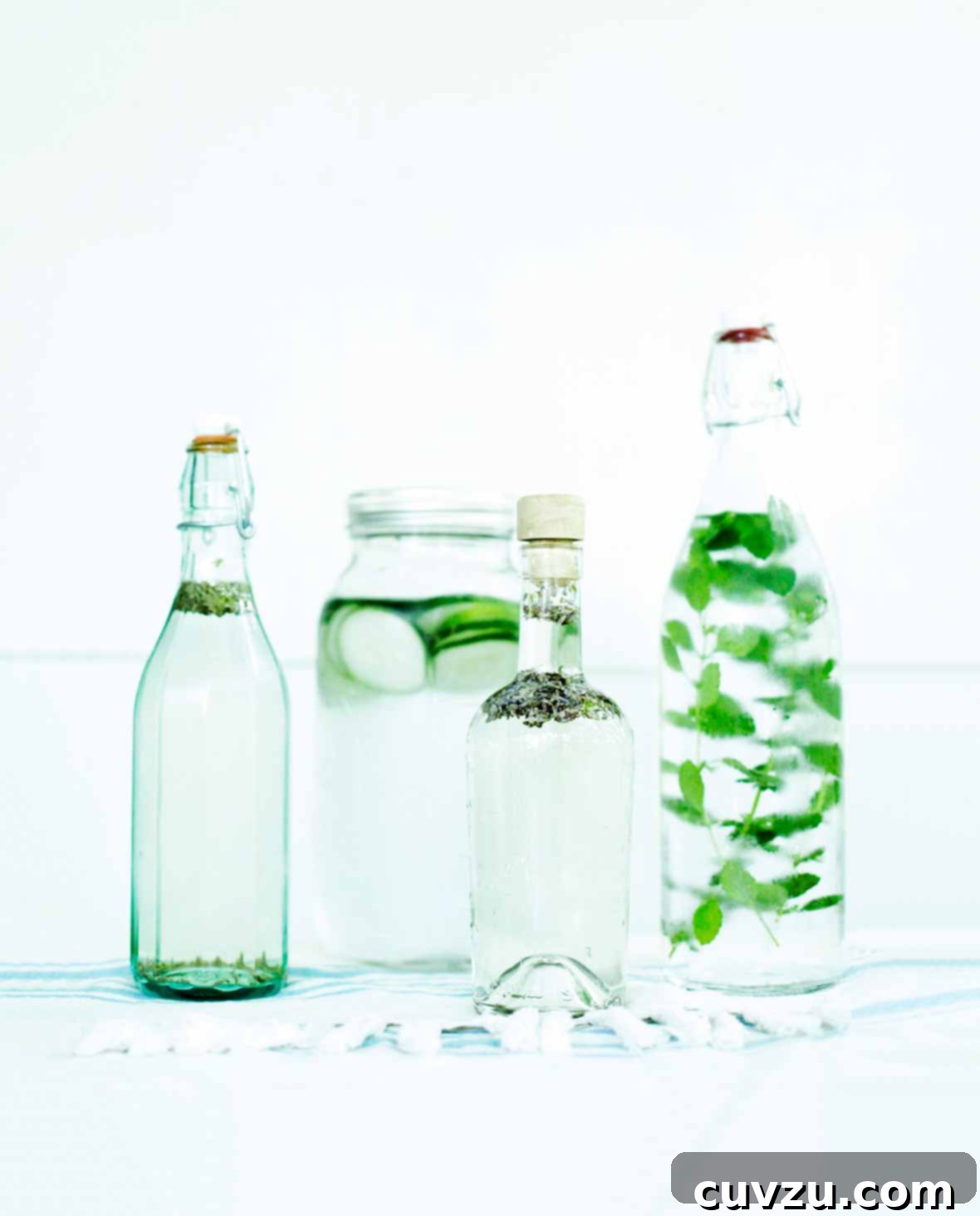
Have you ever considered elevating your hydration routine with natural, vibrant flavors? Wonder no longer! Learning how to infuse water with herbs, fruits, and spices is a remarkably easy, cost-effective, and delicious way to transform plain water into an enticing beverage. Whether you’re seeking a refreshing alternative to sugary drinks or simply want to boost your daily water intake, infused water offers a world of possibilities. Imagine the delightful taste of fresh mint and cucumber, the subtle sweetness of berries, or the invigorating zing of ginger and lemon dancing in your glass.
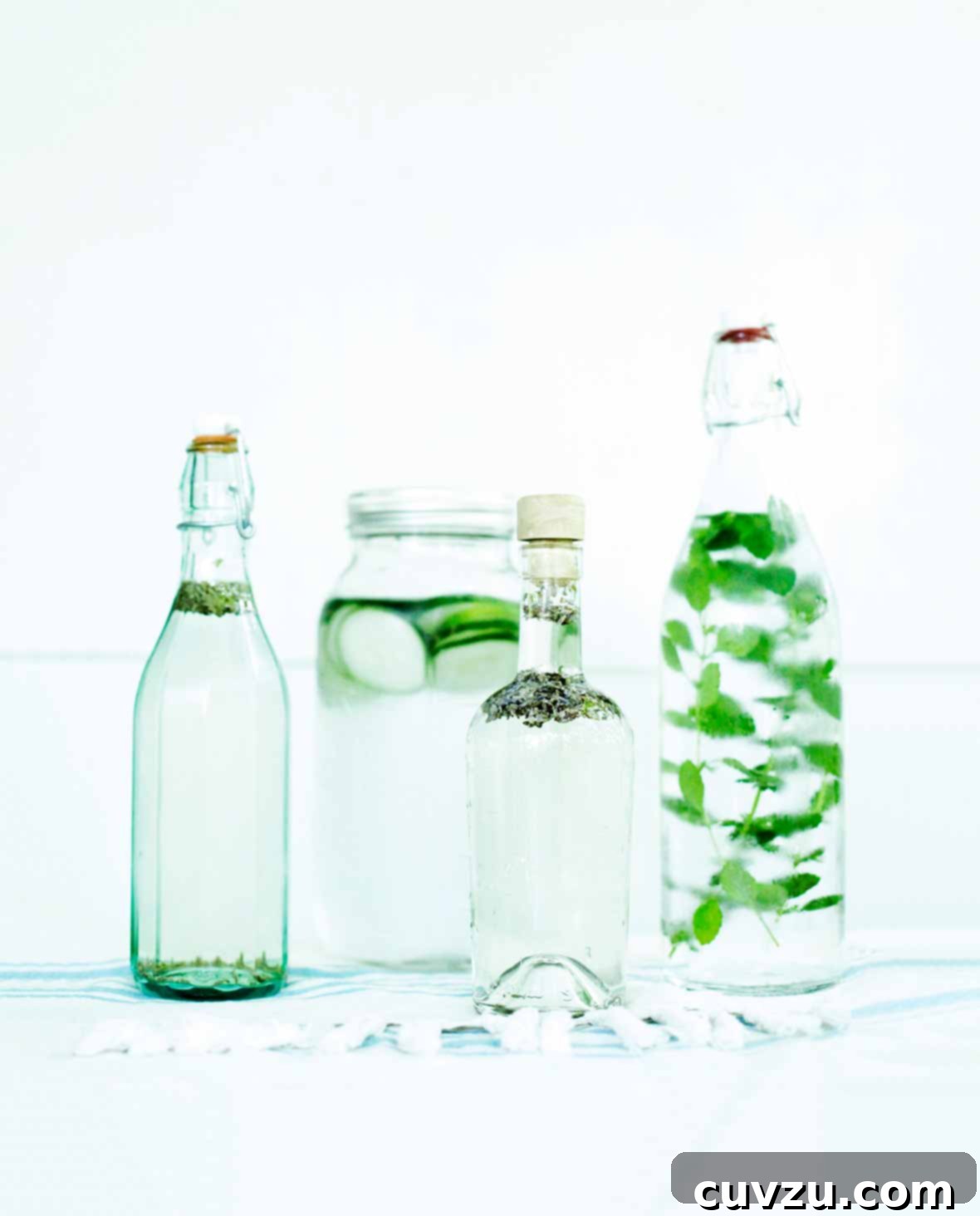
There’s no need to spend a significant portion of your budget on expensive bottled infused waters when you can craft custom concoctions right in your own kitchen. Not only is homemade infused water significantly more affordable, but it also grants you complete creative control. You can select your favorite herbs, vibrant citrus slices, aromatic spices, crisp vegetables, or even delicate flower petals to create a drink that perfectly suits your mood and palate. It’s the perfect antidote when you find yourself bored by the monotonous task of sipping plain water throughout the day, as renowned culinary expert Renee Schettler Rossi wisely noted.
Why Choose Infused Water? The Benefits Beyond Taste
Beyond its undeniable deliciousness, infused water offers a myriad of health benefits that make it an excellent addition to any lifestyle. Firstly, it naturally encourages increased hydration. Many people struggle to drink enough water daily, but adding a touch of natural flavor can make it far more appealing and easier to consume the recommended amount. Proper hydration is crucial for overall health, supporting everything from cognitive function and energy levels to skin health and metabolic processes.
Secondly, infused water provides a guilt-free alternative to sugary sodas, juices, and artificially flavored drinks. By opting for water infused with natural ingredients, you avoid added sugars, artificial sweeteners, and synthetic colors, reducing your calorie intake and promoting healthier habits. This makes it an ideal choice for those managing weight, blood sugar levels, or simply seeking a cleaner diet.
Furthermore, some infusing ingredients can impart beneficial vitamins, minerals, and antioxidants into your water. While the nutrient concentration may not be as high as eating the whole fruit or herb, it still contributes to your daily intake. For instance, lemon offers vitamin C, mint aids digestion, and ginger provides anti-inflammatory properties. It’s a simple, enjoyable way to subtly incorporate more goodness into your daily routine.
Unleashing Your Creativity: How to Vary Up Your Infused Water
Prepare to be amazed by the sheer variety of ingredients you can use to transform ordinary water into an extraordinary beverage. Below, you’ll discover an expansive array of fruits, vegetables, herbs, spices, and edible flowers that are perfect candidates for your next infused water creation. When selecting your ingredients, prioritize fresh, high-quality produce. It is highly recommended to steer clear of anything that has been sprayed with pesticides or herbicides, as these chemicals can unfortunately infuse into your water as well. This means opting for organic ingredients whenever possible or sourcing them directly from local farmers who can confirm their cultivation methods.
A Quick Tip for Ingredient Ratios: The suggested amounts for infusing ingredients listed below are generally for using only one type of ingredient at a time. If you wish to combine multiple ingredients, which is highly encouraged for complex flavors, simply reduce the quantity of each individual ingredient slightly to avoid an overwhelming flavor profile.
Herbal Infusions: Freshness in Every Sip
Herbs offer a wonderfully aromatic and refreshing dimension to infused water. Their diverse flavor profiles range from bright and citrusy to earthy and peppery.
- Anise hyssop
- Apple mint
- Basil (its slightly peppery notes are excellent)
- Calendula (for a mild, slightly spicy flavor)
- Chamomile (soothing and gently floral)
- Chives (a surprising savory twist)
- Dill (fresh and slightly tangy)
- Lemon balm (citrusy and calming)
- Lemongrass (exotic and zesty)
- Lemon verbena (intensely lemony and fragrant)
- Marjoram (mild and sweet, with hints of pine and citrus)
- Mint (classic refreshing choice; includes varieties like peppermint and spearmint)
- Oregano (earthy and robust, use sparingly)
- Parsley (clean and green flavor)
- Rosemary (piney and assertive, use in moderation)
- Sage (especially pineapple sage, which offers a delightful tropical note)
- Thyme (lemon thyme is particularly fantastic for infused water)
Floral Infusions: Elegance and Aroma
Edible flowers can add delicate flavors and beautiful visual appeal to your water, turning it into a truly gourmet experience. Ensure flowers are organically grown and free of pesticides.
- Bee balm (minty and slightly spicy)
- Borage (cucumber-like flavor)
- Carnations (spicy, clove-like notes, use petals)
- Dianthus (clove-like, spicy flavor)
- Fennel fronds (anise-like sweetness)
- Hibiscus (tart, cranberry-like, and vibrant in color)
- Hollyhock (mild, slightly sweet)
- Honeysuckle flowers (sweet and fragrant; avoid the poisonous berries)
- Jasmine flowers (intensely aromatic and floral)
- Johnny-jump-ups (mildly sweet, slightly minty)
- Lavender buds (fragrant and calming, use sparingly)
- Lilac (sweet, floral, use petals)
- Nasturtiums (peppery and vibrant)
- Pansies (mild, grassy flavor)
- Roses (delicate floral notes, use petals from unsprayed roses)
- Scented geraniums (wide variety of aromas like rose, lemon, mint)
- Sunflowers (mild, slightly nutty flavor, use petals)
- Violets (sweet and fragrant)
Spice Infusions: Warmth and Depth
Spices can introduce complex, warming, or exotic notes to your infused water, creating a truly unique beverage.
- Allspice berries (warm, sweet, a mix of clove, cinnamon, and nutmeg)
- Cardamom pods (aromatic, citrusy, and slightly sweet)
- Whole cloves (intensely aromatic and warming)
- Crystallized ginger pieces (sweet and spicy kick)
- Fennel seeds (licorice-like, sweet, and aromatic)
- Juniper berries (piney, slightly resinous, and citrusy)
- Star anise (distinct licorice flavor, visually appealing)
- Vanilla bean (rich, sweet, and comforting aroma)
Fruit and Vegetable Infusions: Classic Refreshment
These are perhaps the most common and versatile choices, offering a wide range of sweet, tart, and crisp flavors.
- Citrus peel (lemons, limes, grapefruits, oranges, tangerines, tangelos, etc. – ensure they are well-washed and preferably organic to avoid wax and pesticide residues)
- Cranberries (tart and refreshing, adds a beautiful color)
- Cucumber slices (crisp, cooling, and classic spa water flavor)
- Fresh berries (strawberries, blueberries, raspberries, blackberries – sweet, juicy, and colorful)
- Fresh ginger slices (zingy, spicy, and invigorating)
- Melon cubes (watermelon, cantaloupe, honeydew – sweet and hydrating)

How to Infuse Water: Your Simple Guide
By David Leite
Ingredients
Choose one of the following infusion options:
- 2 cups fresh herbs or edible flowers for an herbal or floral infusion (see lists above)
OR
- 1/4 cup spices for a spice infusion (see list above)
OR
- 1 cup fruits or vegetables for a fruit or vegetable infusion (see list above)
- 8 cups fresh water (filtered or spring water recommended)
Instructions
-
Carefully place your chosen infusing ingredients into a large, clean container with a secure lid. Ensure your container is large enough to hold 8 cups of water plus your ingredients comfortably. Pour the fresh water over the ingredients, secure the lid tightly, and gently shake the container a few times to help distribute the ingredients.
-
For Intensely Flavored Infused Water (Sun Infusion): Place the lidded container of water in direct full sunlight for 5 to 8 hours. The duration depends on how robust and concentrated you wish the flavor to be. The longer the ingredients steep in the sun, the more intense the flavor will become. A clear glass container is ideal for this method, as sunlight can best penetrate and warm the vessel, enhancing the infusion process. Be aware that this method might cause the water to take on some of the natural color of the infusing ingredients.
For Mildly Flavored Infused Water (Refrigerator Infusion): Alternatively, if you prefer a milder flavor or don’t have access to direct sunlight, place the lidded container of water in the refrigerator for 5 to 8 hours. Similar to sun infusion, the steeping time directly impacts the flavor strength; longer steeping yields a more pronounced taste. -
Once your desired flavor intensity is achieved, your infused water is ready to enjoy. Straining the water to remove the solid ingredients is not strictly necessary, but you can certainly do so if you prefer a smoother drink. Discard the solids into your compost or trash. Transfer the infused water to smaller bottles or a pitcher and store it in the refrigerator. For the best taste and safety, consume your homemade infused water within a couple of days.
Adapted From
Quench
Buy On Amazon
Nutrition Information
Calories: 5 kcal
Carbohydrates: 1 g
Protein: 0.4 g
Fat: 0.1 g
Saturated Fat: 0.02 g
Monounsaturated Fat: 0.04 g
Sodium: 20 mg
Fiber: 0.5 g
Sugar: 0.1 g
Nutrition information is automatically calculated and should only be used as an approximation.
Tried this recipe?
Mention @leitesculinaria or tag #leitesculinaria!
Tips for the Perfect Infused Water
- Quality Water Matters: Start with good quality filtered water or spring water for the best taste.
- Prepare Ingredients Properly: Thoroughly wash all fruits, vegetables, and herbs. For citrus, consider peeling the zest to avoid bitterness if infusing for extended periods. Slicing fruits and vegetables thinly or lightly bruising herbs can help release flavors more effectively.
- Experiment with Combinations: Don’t be afraid to mix and match. Lemon and ginger, cucumber and mint, strawberry and basil, or orange and star anise are just a few popular combinations to start with.
- Adjust Steeping Time: Flavor intensity is a personal preference. Taste your infused water periodically, especially if it’s your first time with a specific ingredient or combination, and remove the solids when it reaches your desired strength.
- Storage: Store infused water in the refrigerator. While some sources say it can last up to 3-4 days, it’s generally best to consume it within 1-2 days for optimal freshness and flavor, especially if fruit is left in.
- Glass Containers are Best: Use glass pitchers, jars, or bottles for infusing. They don’t leach chemicals into your water, are non-porous, and allow you to admire the beautiful colors of your infusion.
- Reusing Ingredients: While you can sometimes get a second, milder infusion from your ingredients, the flavor will be significantly reduced. For the best taste, it’s recommended to use fresh ingredients for each batch.
What Our Recipe Testers Thought: Real Experiences with Infused Water
Curious about how others fared with their infused water experiments? Our dedicated recipe testers put this method to the test, exploring various ingredients and infusion techniques. Read on for their insights, favorite combinations, and helpful tips.
Amy B.
This was my very first attempt at infusing water, and I was absolutely delighted with the results! While I’ve enjoyed store-bought flavored sparkling waters like LaCroix in the past, this homemade infused water recipe easily surpasses those manufactured brands.
I tried the sun-infused method using spearmint as my herb of choice. Never having used fresh mint this way before, I was quite surprised to discover a “sun tea” effect upon returning home—my water had developed a brownish tint! However, one taste was all it took for me to become addicted to infused water. The water was incredibly refreshing and delicious; I enjoyed a cup straight from the sun. I refrigerated the rest overnight and brought it to work the next day, finishing the entire bottle. I raved about it to my health-conscious co-workers and am now determined to try many new mixtures in the future.
Kim Venglar
Why didn’t I try this sooner? It seems I will be drinking much more water now, as this infused water recipe is incredibly refreshing, perfect for our hot Texas summers. It’s so simple to make and truly revitalizing. I initially placed mine in the sun to infuse but plan to try refrigerating it next to compare the difference—perhaps a cold brew for water! I now have several flavored waters in my refrigerator. My favorite, so far, is vanilla bean. The herbs I experimented with were lemon balm, basil, and pineapple mint, all freshly picked from our garden. I also tried orange peel, cranberries (frozen and thawed), and fresh blackberries. I’m really looking forward to combining some of the herbs with fruit; I think lemon or orange with basil will create a fantastic flavor combination.
I highly recommend starting with just one batch to test the flavor. Once you find what you like, feel free to double the batch and enjoy! I tasted the water after 5 hours but decided to let it infuse for the full 8 hours. Be forewarned: basil left to infuse for 8 hours resulted in a very strong flavor.
Susan Bingaman
Do you know what this is? It’s like sangria, but without the wine! I’ve always infused water to some extent, often tossing in slices of lemon or cucumber. However, this recipe truly opened the floodgates for me. I never thought to add a handful of fresh herbs or a bunch of berries. And what happened when the two mingled in the fridge? I ended up with a delightful basil-strawberry water, perfect for an afternoon treat.
My first infused water was basil. I have a very prolific basil plant by my kitchen window, and I must have used three-quarters of its leaves for a half-batch of infused water. I let it rest in the fridge for a few hours and was completely surprised that the water tasted exactly as the basil smelled—it wasn’t overpowering but quite lovely and light. Next, I tried strawberries. I must tell you that the water takes on a beautiful pink hue the longer it sits. Strawberry water was a bit stronger than basil water, perhaps because I sliced the berries before adding them. This is the kind of water that truly benefits from a little fizz; it would make the loveliest cocktail, though I suppose that defeats the purpose of infused water. I didn’t bother to strain the herbs or berries out of the water. I was quite sad once the pitcher was empty, but I knew the herbs and berries had given all they could. Now, I look at the produce section with entirely new eyes!
Camilla Maybee
Infused water seems ubiquitous these days, though primarily in the form of cucumber or lemon water, often branded as “Spa Water” and sold at exorbitant prices at places like Whole Foods. What I truly appreciated about this recipe was how it elevated infused water beyond just another fruity beverage. Floral and herb waters? Yes, please! Especially considering the vast number of unique combinations of floral and herbal flavors that meld exquisitely with various fruits in cooked dishes—why not explore them in water? For instance, strawberry and thyme or cherry and black pepper are wonderful when enjoyed whole, but they are definitely worth a shot when used to delicately flavor a pitcher of ice-cold water.
Elsa M. Jacobson
I am notoriously bad at staying hydrated, so adding a healthy flavoring to plain water significantly helps me drink more. From another perspective, adding flavor also dresses up water nicely for guests, and you can choose flavors that enhance the food being served or offer a sophisticated alternative for those who prefer not to imbibe.
As a list-maker, I absolutely love the comprehensive infusion options provided. I decided to try one from the Fruit and Vegetable Infusions list. I had just purchased a lovely muskmelon and cut it into nice little cubes for my infusion. Since I started this at night, there was no sunshine available, so I opted for a refrigerator infusion. Also, because it was in the fridge, I let it infuse longer than the suggested duration—a full 18 hours. When I opened the lid of my glass jar, it was wonderfully fragrant and, upon tasting, had a pleasant, gentle, and appealing melon flavor. It would be incredibly easy to drink a lot of this delicious infusion.
Next on my list is something from the Spice Infusions, specifically the crystallized ginger pieces. Or perhaps another from the Fruit and Vegetable Infusions, like fresh ginger slices. Or maybe I’ll be happily surprised by an herb at the farmers market and try it as an Herbal Infusion. I’m also keen on trying some combinations—perhaps mixed melons, given how pleased I was with the muskmelon infusion!
Michele F.
I’m currently trying to cut back a bit on my alcohol intake, and drinking infused waters instead is a fantastic way to do it. This recipe is truly limited only by your imagination, and I thoroughly enjoyed thinking up various combinations for my water. My favorite so far was a blend of two sliced lemons and two palm-sized pieces of peeled and sliced ginger root. As the water warmed up slightly, the flavors became even more pronounced and enjoyable.
I also made an infusion using two oranges and two crushed star anise pods tied in cheesecloth. While it wasn’t quite as refreshing as the lemon and ginger combination, it was still quite good and had a unique aroma. Next, I’m excited to try berries with basil, and cucumber with mint. For all my trials, the water infused in the refrigerator overnight for about 8 hours.
Barb P.
Lately, I’ve been experimenting with aromatherapy in a somewhat futile attempt to sharpen my thinking skills. So, when I came across this recipe, I thought perhaps drinking the infused water might increase my chances more effectively than just sniffing essential oils. The only real challenge with this recipe was hoping for enough sunshine to aid the process. In the sun, 4 hours yielded a perfect light infusion. I achieved similar results with rosemary in the refrigerator after 7 hours.
I definitely recommend straining the water once your desired strength is reached. Did it help my thinking? Well, it was while I was sipping peppermint water that it occurred to me that by doubling the leaves or halving the water, I could create an infusion concentrated enough to be frozen into ice cubes. Now I can vary the flavors and easily carry my infused water to my nearby workplace in the form of convenient ice sticks.
Elizabeth and Lena Alvarez
We prepared this simple infusion using chocolate mint from our garden and placed the jar in the sun for 5 hours. The result was pleasant, refreshing, and absolutely delightful.
We have two main hints for others: First, thoroughly clean your herbs, as you certainly don’t want any flavor of dirt in your refreshing drink. Second, you might as well make a double batch from the very beginning, because you will drink this up incredibly quickly!
Rita Reino-Kinch
Wow, what a refreshing beverage! Water is my go-to drink, and I’ve tried variations of this recipe in the past. For this particular recipe, I decided to include one sliced lemon, one sliced cucumber, and four stems of parsley in five gallons of water. I noticed that the cucumber taste really stood out and was quite prominent. In previous attempts, I’ve experimented with other fruits such as strawberries, kiwis, oranges, and pineapple. This remains one of my absolute favorite ways to add a simple, delicious twist to plain water.