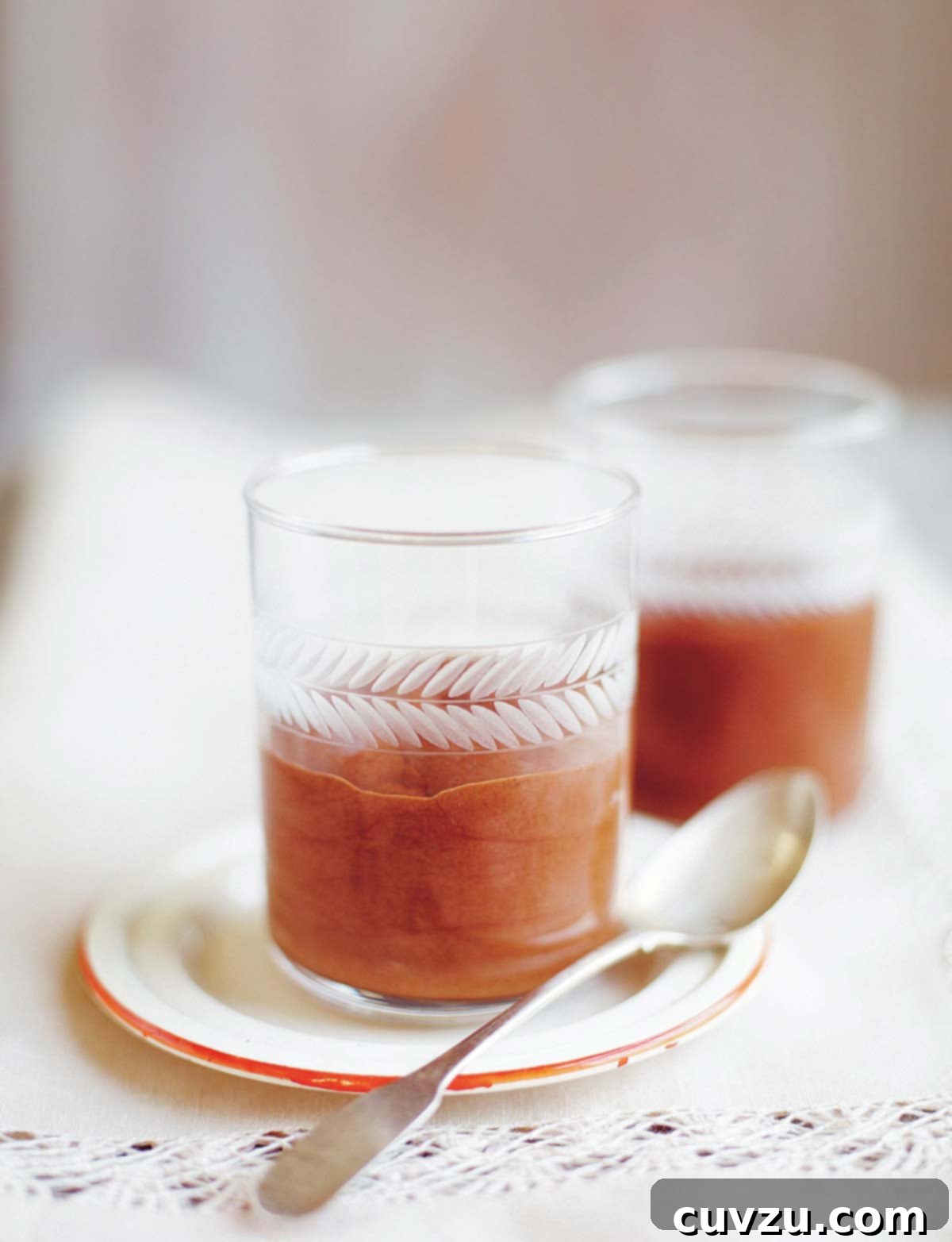
Elizabeth David’s Quintessential Chocolate Mousse: A Timeless 3-Ingredient Dessert
Step into the world of classic French desserts with Elizabeth David’s remarkably simple yet exquisitely decadent chocolate mousse. This iconic recipe, celebrated for its minimal ingredients and maximum flavor, defies expectations by delivering a luxurious, feather-light treat using just three core components: fine chocolate, fresh eggs, and a touch of water or coffee. Whether you crave a solitary indulgence or plan to impress at a dinner party, this versatile recipe effortlessly scales to your needs, promising a sophisticated finale to any meal.
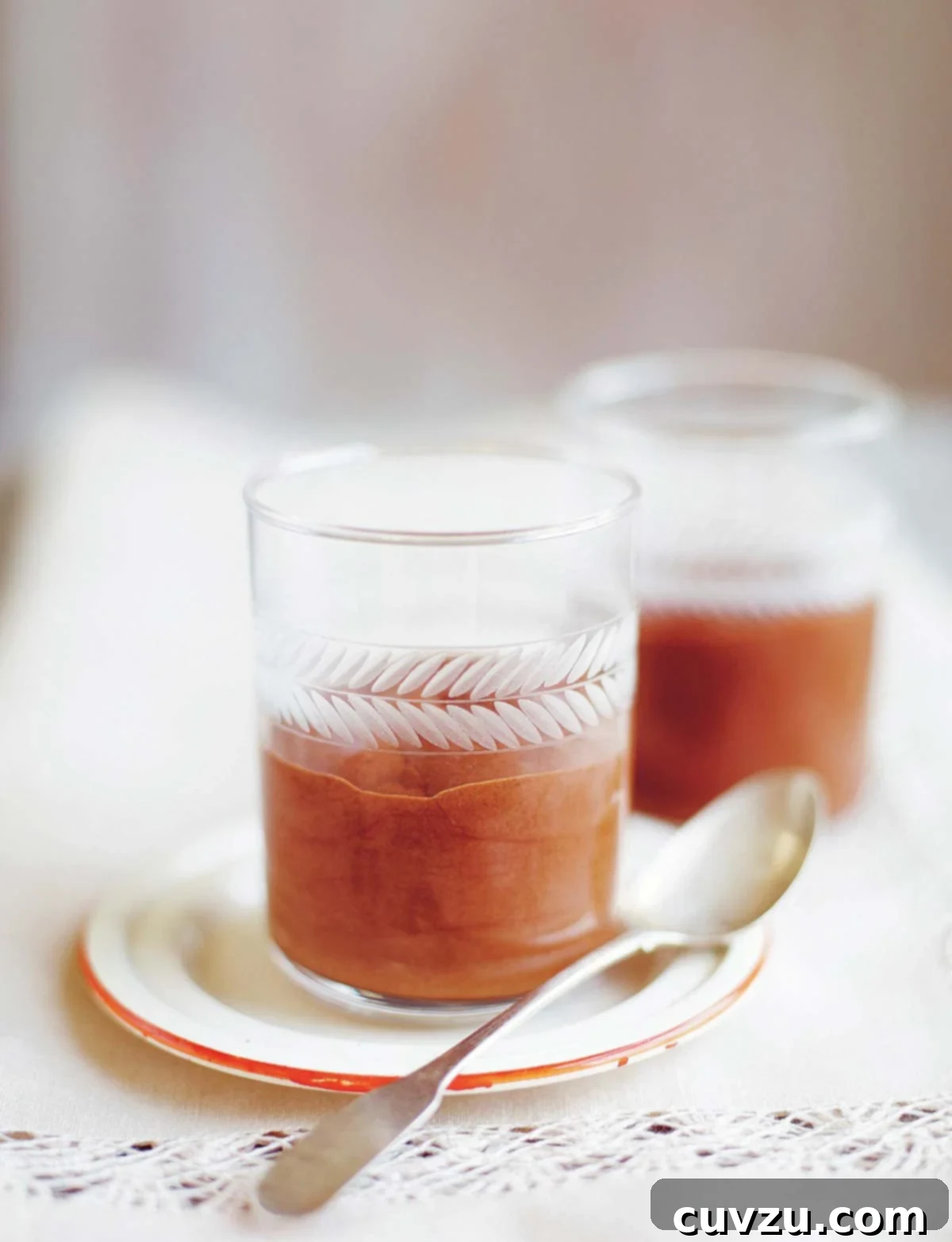
In the realm of gourmet desserts, few recipes achieve such profound satisfaction with such an unpretentious list of ingredients. Elizabeth David’s chocolate mousse is a shining example of this culinary philosophy. It’s a testament to the power of quality components and refined technique, transforming humble chocolate, eggs, and water into a remarkably airy, intensely flavored confection. This seemingly sophisticated dessert comes together in mere minutes, offering a deeply satisfying chocolate fix. Uniquely, its core design caters to individual servings, a boon for those moments of personal craving, yet its genius lies in its straightforward scalability – a simple multiplication is all it takes to cater to a crowd.
Important Health Advisory: Raw Egg Consumption
This traditional chocolate mousse recipe features raw eggs, which are integral to its classic texture and preparation. While delicious, the consumption of raw or undercooked eggs carries an inherent risk of foodborne illness. Please exercise caution and be mindful if you are preparing this dessert for individuals who may be at higher risk, including very young children, the elderly, pregnant individuals, or anyone with a weakened or compromised immune system. For those with concerns, using pasteurized eggs is a recommended alternative to minimize health risks while still achieving a similar result.
Classic Chocolate Mousse
5 / 5 votes
Inspired by Elizabeth David, this chocolate mousse is an effortlessly elegant dessert made with just chocolate, eggs, and water. It’s quick, decadent, and easily scaled for any occasion.
Recipe by David Leite
Dessert
French
1 serving
236 kcal
5 minutes
15 minutes
20 minutes
Ingredients
- 1 ounce semisweet or bittersweet chocolate, per person
- 1 tablespoon water or coffee, per person
- 1 large egg, per person
Instructions
-
In a heavy-bottomed saucepan, combine the chocolate and water or coffee over a very low flame. Heat gently, stirring constantly, until the chocolate is completely melted and the mixture is smooth and lustrous. Be careful not to scorch the chocolate. Once smooth, remove the pan from the heat and allow the mixture to cool slightly for about 5 minutes. This cooling step is essential to prevent the egg yolks from cooking prematurely in the next stage.
☞ TESTER TIP: To simplify this step and avoid washing an extra pan, you can heat the water in a microwave or use freshly brewed hot coffee. Simply pour the hot liquid over your chopped chocolate and stir until it melts into a smooth, even consistency.
-
While the chocolate cools, carefully separate the egg yolk(s) from the white(s). In a medium bowl, lightly beat the egg yolk(s) just enough to combine them. Gradually and very slowly, drizzle the slightly cooled melted chocolate mixture into the beaten egg yolk(s), whisking continuously. This process, known as tempering, gently brings the yolks up to temperature without scrambling them, ensuring a smooth and cohesive base for your mousse.
-
In a separate, impeccably clean and dry bowl (either a stand mixer bowl or a large mixing bowl for a hand mixer), beat the egg white(s) on high speed until they form very stiff peaks. The whites should be glossy and hold their shape firmly when the whisk is lifted. Using a rubber spatula, carefully and gently fold the stiffly beaten egg white(s) into the chocolate-yolk mixture. Use an ‘over and over’ motion, lifting from the bottom of the bowl, until the ingredients are perfectly blended and no white streaks of egg white remain. It’s crucial not to overmix, as this can deflate the air from the whites, which is vital for the mousse’s signature light and airy texture.
-
Once thoroughly blended, spoon the delicate mousse into individual serving vessels. Ramekins or elegant glasses are ideal for single or double servings. If you’re preparing the mousse for several guests, a larger soufflé dish can be used for a beautiful communal presentation.
☞ TESTER TIP: When selecting your serving dishes, aim for appropriate sizing. A small amount of mousse can appear underwhelming if served in an overly large glass or bowl, diminishing the visual appeal of this exquisite dessert.
-
Refrigerate the mousse to allow it to set. If an intense craving strikes, a mere 10 minutes in the fridge will yield a very soft-set mousse. For a slightly firmer yet still creamy consistency, chill for about 30 minutes. If you’re serving this as part of a dinner party, aim for approximately 3 hours of refrigeration. It’s important not to refrigerate the mousse for much longer than this, as excessive chilling can cause the delicate texture to become too hard, detracting from its intended melt-in-your-mouth experience.
Adapted From

At Elizabeth David’s Table
Buy On Amazon
Nutrition Information
Calories: 236 kcal
Carbohydrates: 15 g
Protein: 8 g
Fat: 16 g
Saturated Fat: 8 g
Monounsaturated Fat: 5 g
Trans Fat: 1 g
Cholesterol: 188 mg
Sodium: 74 mg
Fiber: 2 g
Sugar: 11 g
Note: Nutrition information is an automatic calculation and should be used as an approximation.
Tried this exquisite recipe?
We’d love to see your creations! Mention @leitesculinaria or tag #leitesculinaria on social media!
The Enduring Charm of Elizabeth David: A Culinary Visionary
Elizabeth David (1913-1992) stands as a monumental figure in British culinary history, credited with transforming the nation’s post-war cooking landscape. Through her evocative writing and meticulous recipes, she introduced a generation to the vibrant, fresh, and often simple flavors of Mediterranean and French cuisines. Her philosophy was always about quality ingredients, authenticity, and a straightforward approach to cooking – principles beautifully embodied in this chocolate mousse. David’s recipes weren’t just instructions; they were invitations to a more sensual and appreciative way of eating. This chocolate mousse, with its elegant simplicity, perfectly encapsulates her culinary legacy, proving that genuine luxury often comes from the purest sources and the most unadorned techniques. It’s a dessert that speaks volumes through its quiet perfection, a true reflection of David’s lasting influence.
The Alchemy of Three Ingredients: Crafting Decadence from Simplicity
The magic of Elizabeth David’s chocolate mousse lies in its brilliant reliance on just three fundamental ingredients. This minimalist approach is not a compromise but a celebration of culinary science and exquisite flavor. Each component plays a crucial role:
- Chocolate: The star of the show, providing not only the primary flavor but also the dessert’s body and, crucially, its sweetness.
- Eggs: Separated into yolks and whites, the eggs perform a dual function. Yolks act as an emulsifier, enriching the chocolate base and providing structure. Whipped whites introduce air, transforming the dense chocolate mixture into a light, ethereal foam.
- Water or Coffee: This seemingly minor addition is vital for melting the chocolate smoothly and serves as a medium for flavor. Coffee, in particular, enhances the chocolate’s inherent bitterness and depth.
When these elements are expertly combined, their individual properties coalesce into a harmonious, melt-in-your-mouth experience. The result is a mousse that is rich in flavor but surprisingly light in texture, a true testament to the power of thoughtful ingredient selection and precise technique.
Choosing Your Chocolate: The Foundation of Flavor
The type and quality of chocolate you select are paramount to the success of this mousse, as it is the primary flavor and sole source of sweetness. For an intensely rich, profound chocolate experience with a hint of pleasing bitterness, opt for a dark chocolate with a high cacao content, typically between 60% and 75%. If your preference leans towards a sweeter, milder dessert, a good quality semisweet chocolate (around 45-55% cacao) or even a premium milk chocolate will yield delightful results. As tester Melissa Maedgen noted, using 70% dark chocolate creates an intensely flavored mousse with minimal sweetness, while a white chocolate version offers a much sweeter, distinct profile. Always choose chocolate you would happily eat on its own – its flavor will be front and center in your mousse.
The Liquid Element: Water, Coffee, or a Hint of Liqueur
The single tablespoon of liquid in this recipe is more than just a melting agent; it’s an opportunity to subtly deepen and complexify the chocolate’s character. While water allows the pure essence of the chocolate to shine, many culinary enthusiasts, including our own recipe testers, advocate for the use of hot coffee or espresso. The robust, slightly bitter notes of coffee act as a natural enhancer for chocolate, intensifying its flavor without overpowering it, creating a more sophisticated profile. Testers like Joan Osborne and Eydie Desser found this addition particularly rewarding. For an adult-oriented treat, consider incorporating a tablespoon of a complementary liqueur such as Kahlua, Grand Marnier, or Frangelico, as suggested by Debbie White. These additions can introduce intriguing aromatic dimensions and elevate the mousse to an even more celebratory dessert.
Mastering the Technique: Tips for a Flawless Chocolate Mousse
While the ingredient list is short, precision in technique ensures the perfect light and airy texture:
- Gentle Chocolate Melting: Whether you opt for a heavy saucepan or the microwave, ensure your chocolate melts slowly and evenly. High heat can cause chocolate to seize, becoming grainy and unusable. The goal is a smooth, flowing consistency, free of lumps.
- Tempering the Yolks: The most crucial step to avoid scrambled eggs! Slowly incorporating the slightly cooled, melted chocolate into the beaten egg yolks allows the yolks to gradually warm up. This prevents them from cooking upon contact with the warm chocolate, ensuring a silky, stable base.
- Achieving Stiff Egg Whites: Beat your egg whites until they form firm, distinct peaks. The whites should not slide in the bowl, and a lifted whisk should reveal a peak that stands tall. However, be cautious not to overbeat, especially since this recipe contains no sugar to stabilize them. Overbeaten whites can become dry and difficult to fold, leading to a less smooth mousse, a point highlighted by tester Cindi Kruth. Just-stiff peaks are often more manageable for folding.
- The Art of Folding: The lightness of your mousse comes from the air trapped in the egg whites. When combining the whites with the chocolate base, use a rubber spatula and a gentle, upward-lifting motion. Fold until no white streaks are visible and the mixture is uniformly colored, but stop immediately to prevent deflating the whites. Over-folding will result in a denser, heavier mousse.
- Optimal Chilling for Texture: The recommended chilling times are key to the mousse’s final texture. Short chilling (10-30 minutes) yields a softer, almost liquid consistency, ideal for immediate gratification. Longer chilling (around 3 hours) provides a firmer, yet still delicate set. As Rebecca R. observed, extended chilling beyond 3 hours can make the mousse too hard, detracting from its signature melt-in-your-mouth quality. Plan your chilling time according to your desired texture and serving schedule.
Elegant Serving and Garnish Ideas
Elizabeth David’s chocolate mousse is a dish of inherent elegance, often requiring little more than its own presence to impress. However, a thoughtful garnish can elevate it further. Consider these simple enhancements:
- Dusting of Cocoa: A light sifting of unsweetened cocoa powder or high-quality Dutch-processed cocoa adds a beautiful visual contrast and an extra layer of chocolate aroma.
- Fresh Berries: The tartness of fresh raspberries or sliced strawberries provides a delightful counterpoint to the richness of the chocolate, both in flavor and color.
- A Pinch of Sea Salt: For a sophisticated touch, a few flakes of flaky sea salt sprinkled just before serving can remarkably enhance the chocolate’s depth, a secret favored by tester Kristin Cole.
- Citrus Zest: A delicate grating of orange or lemon zest can add a bright, aromatic lift, cutting through the richness and offering a fresh finish.
- Chocolate Shavings: Simple chocolate curls or shavings offer textural interest and reinforce the chocolate theme.
Remember the tester tip about choosing appropriate serving vessels; a beautifully presented mousse in a well-proportioned glass or ramekin makes the experience all the more delightful.
Effortless Scalability: Adapting the Recipe for Any Crowd
One of the most practical and appealing features of Elizabeth David’s chocolate mousse is its incredible adaptability in terms of serving size. Unlike many baking recipes that require complex adjustments when scaled, this mousse is inherently designed with a straightforward ratio: one ounce of chocolate, one tablespoon of liquid, and one large egg per person. This makes it exceptionally easy to adjust. If you desire two servings, simply multiply each ingredient by two. For a dinner party of six, multiply by six. This simple mathematical approach, much appreciated by tester Debbie White, removes any guesswork, allowing you to confidently prepare this exquisite dessert for an intimate moment of self-indulgence or a grand celebration.
Recipe Testers’ Collective Insights: Real-World Experiences
Our team of dedicated recipe testers explored Elizabeth David’s chocolate mousse, providing valuable feedback and practical tips that highlight its versatility and inherent brilliance:
- Chocolate Selection Dictates Sweetness: Several testers, including Melissa Maedgen, emphasized that the choice of chocolate is paramount. They noted a significant difference in sweetness and intensity between using a 70% dark chocolate (resulting in a more bitter, sophisticated profile) versus a white chocolate (yielding a much sweeter dessert). The consensus: choose your chocolate based on your desired sweetness level, as it’s the recipe’s sole sweetening agent.
- The Power of Coffee: Joan Osborne and Eydie Desser enthusiastically endorsed replacing water with hot, strong coffee or espresso. They found that the coffee deepens and enhances the chocolate flavor, adding a layer of complexity without extra effort, often melting the chocolate effortlessly.
- Unexpected Flavor Enhancers: Kristin Cole, a self-professed sea salt fanatic, discovered that a tiny sprinkle of flaky sea salt beautifully accentuated the chocolate’s nuances. She also suggested considering lemon or orange zest for a vibrant, aromatic garnish. Debbie White proposed experimenting with liqueurs like Grand Marnier or Kahlua for an intriguing flavor dimension.
- Texture Preferences and Control: Testers offered varied experiences regarding the final texture. Debbie White found a 30-minute chill yielded a perfect mousse-like texture, while Rebecca R. noted a consistently soft, melt-in-your-mouth texture even after different chilling durations, contrasting it with firmer, cream-based mousses. Cindi Kruth provided expert advice on how factors like chocolate type, the stiffness of egg whites, and careful folding technique all influence the final set, suggesting that “just-stiff peaks” are often ideal for folding and texture.
- Trust the Process (and the Ratios): Alexander Cowan’s experience served as a valuable lesson in trusting the original recipe. His attempt to mitigate perceived bitterness by adding sugar resulted in an overly sweet mousse. His advice to “remain calm” and stick to the simple, precise ratios is key to achieving the delicate balance Elizabeth David intended.
- Effortless Elegance: Across the board, testers like Sandy Hill praised the mousse for its remarkable simplicity, speed of preparation, and elegant outcome, solidifying its status as a perfect last-minute dessert or a go-to for special occasions.
Frequently Asked Questions About Elizabeth David’s Chocolate Mousse
- What is the best kind of chocolate to use for this mousse?
- For the most authentic and intense chocolate flavor, a high-quality semisweet or bittersweet chocolate (around 60-70% cacao) is highly recommended. However, if you prefer a sweeter mousse, you can opt for a chocolate with a lower cacao percentage or even a good quality milk chocolate. The quality of your chocolate will significantly impact the final taste, so choose wisely!
- Can I make this chocolate mousse sweeter?
- This recipe relies on the chosen chocolate for its sweetness. If you desire a sweeter mousse, select a chocolate with a lower cacao percentage (like a good milk chocolate or a sweeter semisweet variety). While you can cautiously add a pinch of sugar to the egg yolks before tempering or to the egg whites during whipping, be mindful that this might slightly alter the texture and delicate balance of the original recipe.
- Is it safe to eat raw eggs in this recipe?
- As this traditional recipe uses raw eggs, there is a potential risk of salmonella contamination. Individuals who are pregnant, very young, elderly, or have compromised immune systems should avoid consuming raw eggs. For a safer alternative, consider using pasteurized eggs, which have been heat-treated to eliminate harmful bacteria while retaining their liquid form and functionality.
- How long does chocolate mousse typically last in the refrigerator?
- Due to the inclusion of raw eggs, it is best to consume this chocolate mousse within 1 to 2 days of preparation. Always store it covered tightly in the refrigerator to maintain freshness and prevent absorption of other odors. While extended chilling (beyond 3 hours) can affect the texture, the mousse remains safe for this short storage period.
- Can I prepare this mousse using a hand mixer instead of a stand mixer?
- Absolutely! A handheld electric mixer is perfectly suitable for whipping the egg whites to stiff peaks, especially if you’re preparing a single or double serving. If you’re feeling adventurous and only making a small batch, whisking the egg whites by hand is also possible, though it requires more effort and patience.
- What are some recommended garnishes for this classic chocolate mousse?
- Simple garnishes beautifully complement this elegant mousse. Popular choices include a light dusting of unsweetened cocoa powder, a sprinkle of fresh berries (such as raspberries or sliced strawberries), a few flakes of flaky sea salt, or a delicate curl of premium chocolate. A hint of finely grated orange or lemon zest can also add a bright, aromatic finish.