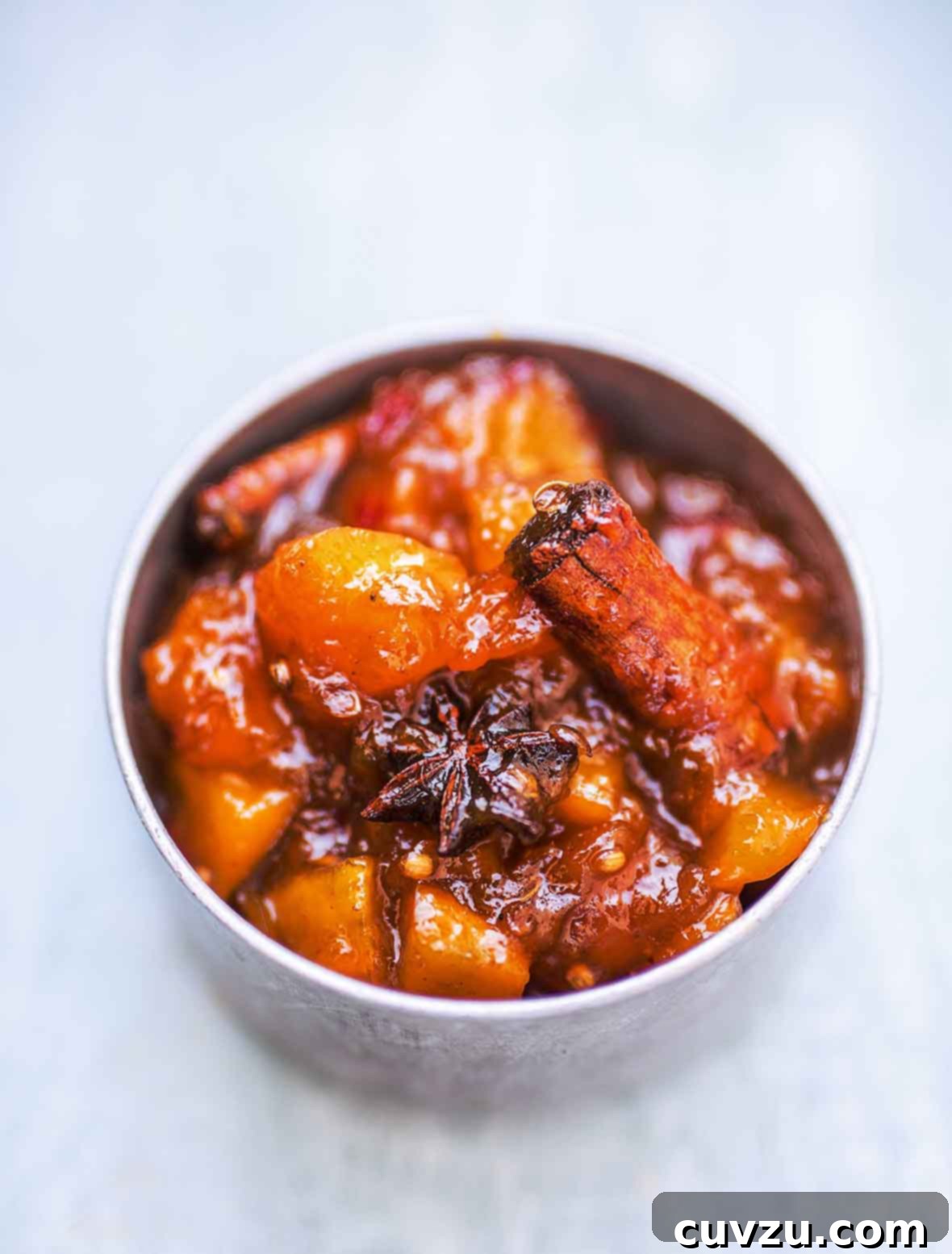
The Ultimate Homemade Mango Chutney: A Sweet, Spicy, and Tangy Indian Delight
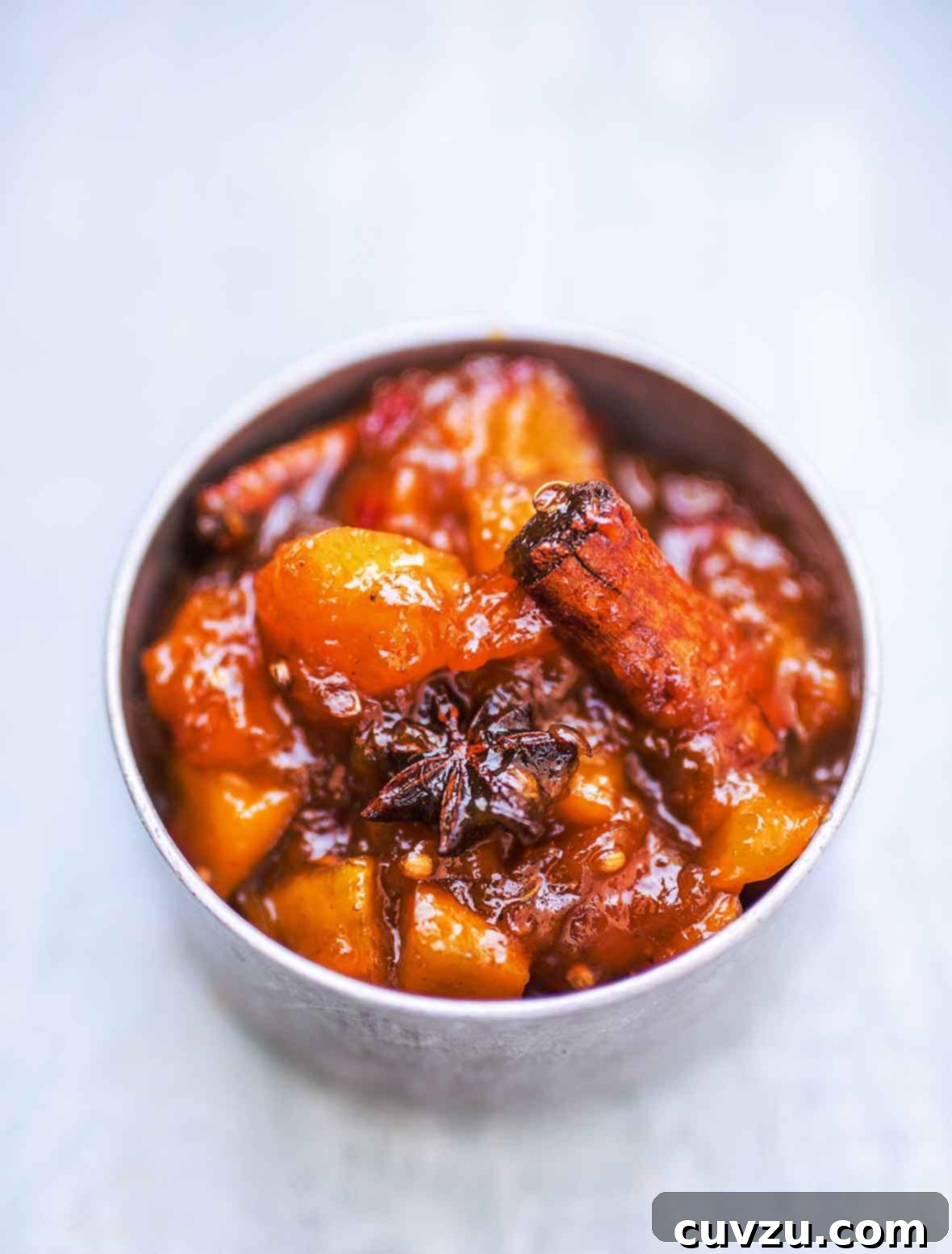
Embark on a culinary journey to India with this incredible homemade mango chutney recipe. More than just a condiment, this sweet, spicy, and tangy creation is a celebration of authentic flavors that will elevate countless dishes. Crafted from juicy mangoes, fiery chile, and a symphony of aromatic Indian spices like cinnamon and cardamom, it’s a versatile staple you’ll find yourself reaching for again and again. Forget bland, store-bought versions; making your own mango chutney is surprisingly simple, deeply rewarding, and promises a burst of exotic taste in every spoonful.
As culinary enthusiast Angie Zoobkoff aptly describes, this mango chutney is “easy as can be to make and its uses are nearly endless—spoon it atop grilled meat or fish, schmear it on toast, fold it into an omelet, or fancy up your cheese plate. Heck, it’s so darn good you may just find yourself spooning it up straight from the jar.” This sentiment perfectly encapsulates the irresistible charm and broad appeal of this vibrant condiment.
Authentic Indian Mango Chutney Recipe
This delightful mango chutney is a perfect blend of sweet, spicy, and tangy flavors, made with fresh mangoes, chile pepper, and a rich combination of traditional Indian spices including cinnamon and cardamom. It’s an incredibly versatile condiment that pairs beautifully with a wide array of dishes.
Recipe by David Leite
Condiments
Indian
6 servings (makes about 1 1/2 cups)
187 kcal
15 minutes
55 minutes
10 minutes
1 hour 20 minutes
Equipment
- Canning jar and lid
- Cheesecloth (optional, for bundling whole spices)
- Heavy-bottomed saucepan
Ingredients
- 1 pound unripe green mangoes (or mangoes that are as unripe as possible), washed, peeled, pitted, and cut into 3/4-inch (2-cm) dice
- 1 tablespoon mild vegetable or olive oil
- 1 large red chile, finely diced (e.g., serrano, jalapeño, or cayenne, adjusted to preferred heat)
- One (2-inch) cinnamon stick
- 2 teaspoons coriander seeds
- 8 green cardamom pods, cracked
- 5 cloves
- 2 star anise
- 1 cup cold water
- 1/2 teaspoon garam masala
- Generous 3/4 cup unrefined brown sugar (adjust to mango sweetness)
- 1/2 teaspoon sea salt
- 2 to 3 tablespoons apple cider vinegar (optional, based on mango ripeness and desired tanginess)
Instructions
- Prepare the Mangoes: Begin by thoroughly washing, peeling, and discarding the skins of the mangoes. Carefully slice the fruit away from the large central pit, then cut the mango flesh into uniform 3/4-inch (2-cm) dice. Set the diced mango aside while you prepare the spices.
- Toast the Spices: Place a heavy-bottomed saucepan over medium heat. Add the mild vegetable or olive oil and allow it to heat slightly until shimmering. Toss in the finely diced chile, the entire cinnamon stick, coriander seeds, cracked cardamom pods, cloves, and star anise. Cook these aromatic spices for approximately 30 seconds, stirring constantly, until they release their enticing fragrance. (Chef’s Tip: For those who prefer a smoother chutney texture without whole spices, consider bundling the cinnamon, coriander seeds, cardamom, cloves, and star anise in a small piece of cheesecloth before adding them to the pan. This allows their flavors to infuse while making them easy to remove later.)
- Combine and Bring to a Boil: To the saucepan with the fragrant spices, add the diced mango chunks, cold water, garam masala, unrefined brown sugar, and sea salt. If your mangoes are on the sweeter side or if you desire a more pronounced tangy kick in your chutney, now is the ideal time to incorporate the apple cider vinegar. Stir all the ingredients well to combine, then bring the mixture to a full boil over medium-high heat.
- Simmer and Thicken: Once boiling, reduce the heat to a gentle simmer. Continue to cook, uncovered, stirring frequently to prevent sticking. The chutney will gradually thicken as the liquid evaporates and the mangoes break down. This crucial simmering process typically takes anywhere from 50 to 80 minutes, depending on your mangoes and desired consistency. As the chutney becomes thicker towards the end of cooking, you will need to stir more and more frequently to ensure it doesn’t scorch on the bottom of the pan. The chutney is ready when it achieves a nice, thick, jam-like consistency with very little runny liquid remaining.
- Cool and Prepare for Storage: Once the chutney has reached the perfect thickness, remove the saucepan from the heat. Allow it to cool for about 10 minutes. If you opted to use cheesecloth to bundle the whole spices, carefully retrieve and discard the spice bundle at this stage. If the whole spices were added directly, you may wish to use a spoon to remove larger pieces like the cinnamon stick and star anise for a smoother eating experience, though many enjoy their visual appeal. Spoon the slightly cooled chutney into a clean, sterilized jar.
- Final Cooling and Refrigeration: Let the jarred chutney cool completely to room temperature before securely screwing on the lid. Once cooled, stash the chutney in the refrigerator. Properly stored in an airtight container in the fridge, your homemade mango chutney will keep for up to several weeks, ready to be enjoyed at your leisure.
Adapted From

Peace & Parsnips
Buy On Amazon
Nutrition Information
Serving: 1 serving
Calories: 187 kcal
Carbohydrates: 42 g
Protein: 1 g
Fat: 3 g
Saturated Fat: 1 g
Monounsaturated Fat: 1 g
Trans Fat: 0.01 g
Sodium: 206 mg
Fiber: 3 g
Sugar: 37 g
Nutrition information is automatically calculated and should be used as an approximation only. Individual results may vary based on specific ingredients and preparation methods.
Unlocking the Magic of Mango Chutney: A Culinary Deep Dive
Mango chutney isn’t just a simple condiment; it’s a testament to the rich and diverse culinary traditions of India. Originating centuries ago, chutneys were developed as a way to preserve fruits and vegetables, transforming them into intensely flavorful accompaniments designed to complement a wide range of meals. This particular recipe expertly captures the essence of traditional Indian chutneys, striking a masterful balance between the natural sweetness of mangoes, the pungent kick of chile, the comforting warmth of an intricate spice blend, and a delightful, invigorating tanginess.
The Art of Selecting Mangoes for Perfect Chutney
The success of your homemade mango chutney hinges significantly on the quality and, more importantly, the ripeness of your chosen mangoes. While some chutney variations utilize very ripe mangoes for an exceptionally sweet profile, this recipe specifically calls for unripe green mangoes or those that are as unripe as possible. This choice is deliberate: unripe mangoes offer a firm texture that impressively holds up during the long cooking process, preventing the chutney from becoming too mushy. Furthermore, their inherent tartness provides a crucial counterpoint to the added brown sugar and the rich spices, resulting in a more complex and balanced flavor. If you find yourself using slightly riper mangoes, be prepared to adjust the apple cider vinegar quantity to achieve that desired tangy brightness, as some of our experienced recipe testers have noted.
A Symphony of Aromatic Spices
The distinctive, deep flavor profile of this Indian mango chutney is largely attributed to its carefully selected blend of whole spices. Each spice plays a crucial role, contributing unique notes to the overall harmony:
- Cinnamon Stick: Imparts a quintessential warm, sweet, and woody aroma, a classic and beloved scent in many Indian and South Asian dishes.
- Coriander Seeds: Offer a subtle yet essential mild, citrusy, and slightly earthy flavor that expertly rounds out the entire spice blend, adding a layer of sophisticated complexity.
- Green Cardamom Pods: These tiny powerhouses provide a unique, intensely aromatic, and delicately floral flavor profile that is absolutely essential for achieving an authentic Indian taste. Cracking the pods before adding them to the pan helps to fully release their potent, fragrant essence.
- Cloves: Contribute a strong, pungent, yet sweet-peppery flavor, adding significant depth and a hint of warmth to the chutney’s intricate character.
- Star Anise: Not only visually striking with its beautiful star shape, but star anise also delivers a distinctive liquorice-like, sweet, and warm flavor, infusing the chutney with an exotic and memorable touch.
As one of our astute recipe testers, Jan C., wisely suggested, if you or your dining companions find the occasional crunch of whole spices distracting in the finished chutney, there’s a simple solution. You can easily bundle the whole spices in a small piece of cheesecloth before adding them to the pan. This ingenious trick allows their wonderful flavors to fully infuse the chutney while making them effortless to remove before jarring. However, many home cooks appreciate leaving them in, especially the aesthetically pleasing star anise, as it undeniably enhances the visual presentation of the chutney.
Mastering the Balance: Sweetness and Heat
The dynamic interplay of sweetness from the unrefined brown sugar and the vibrant heat from the red chile is absolutely fundamental to this chutney’s irresistible allure. The recipe calls for a large red chile, providing flexibility to adjust the heat intensity to perfectly suit your personal palate. Angie Zoobkoff, for instance, achieved a “perfect amount of heat” by skillfully using a partially seeded jalapeño. If you are someone who craves a little more “zip” in your condiments, as observed by Elsa M. Jacobson, you can certainly experiment with hotter chile varieties like serrano, or even add a judicious dash of Sriracha after the chutney has cooked. However, a word of caution: moderation is key to ensure you enhance the flavor without completely overpowering the delicate, fruity notes of the mango.
Beyond the Recipe Card: Endless Serving Inspirations
The true magic of homemade mango chutney lies in its remarkable versatility. While it is a beloved and traditional accompaniment to Indian curries and main dishes, its application extends far beyond these customary pairings. Our enthusiastic recipe testers have generously offered a wealth of creative and delicious ideas to help you integrate this chutney into almost any meal:
- Grilled Meats and Seafood: A generous spoonful over grilled chicken, succulent lamb curry, tender pork loin, or flaky white fish. Its vibrant sweet, spicy, and tangy profile expertly cuts through the richness of meats and seafood, creating a delightful contrast.
- Elevated Cheese Boards and Appetizers: This chutney is an absolute star on any cheese plate, pairing beautifully with creamy cheeses and crisp crackers. It also shines when incorporated into cocktail meatballs or as a vibrant accompaniment to various savory appetizers. Its rich color and complex flavor make it an instant crowd-pleaser for entertaining.
- Breakfast and Brunch Delights: For an exotic start to your day, simply schmear it generously on warm toast. Alternatively, fold it into scrambled eggs or an omelet for a surprising and delightful burst of flavor that will awaken your taste buds.
- Sandwich and Wrap Enhancer: Add a generous layer to your favorite sandwich, whether it’s a simple, comforting grilled cheese or a more elaborate deli creation. The chutney adds moisture, flavor, and an unexpected gourmet twist.
- Creative Dips and Soups: Stir it into a creamy white bean dip for an instant flavor upgrade, or try the popular suggestion from one of our testers: swirling it into black bean soup for a truly memorable culinary experience. It can also be pureed into a vibrant vinaigrette to dress a salad, especially one served alongside Indian-inspired meals.
- Unexpected Gourmet Pairings: For the adventurous palate, Elsa M. Jacobson even dared to suggest pairing it with raw oysters for a truly unique and unexpected gourmet twist!
The possibilities for incorporating this extraordinary condiment into your daily cooking are genuinely endless, actively encouraging culinary experimentation and sparking new flavor combinations in your kitchen.
Expert Tips for Perfect Chutney Making and Storage
Achieving the perfect homemade mango chutney is a straightforward process, but a few key tips can ensure outstanding results every time:
- Consistent Dicing: Taking the time to ensure your mango chunks are roughly the same size is crucial. This uniformity promotes even cooking, guaranteeing a consistent and pleasing texture throughout your chutney.
- Vigilant Stirring is Key: Especially during the crucial thickening phase, frequent and thorough stirring is absolutely vital. This constant agitation prevents the chutney from sticking to the bottom of the pan and, more importantly, from scorching, which can impart an unpleasant burnt flavor.
- Checking for Doneness: The ideal chutney consistency is thick and jam-like, with very little runny liquid visible. A simple and effective test is to drag a spoon across the bottom of the pan; if it leaves a clear path for a few seconds before the chutney slowly flows back, it’s a strong indication that your chutney is perfectly cooked.
- Adjusting Sweetness: While brown sugar is essential for both flavor and its role in achieving the desired consistency, Jan C. highlighted the potential for the chutney to be excessively sweet for some palates. If your mangoes are particularly sweet, or if you simply prefer a less sugary chutney, feel free to slightly reduce the amount of brown sugar. However, be mindful that altering the sugar content might slightly affect the final jam-like texture and its shelf life if not refrigerated properly.
- Sterilization for Longevity: Always use clean, thoroughly sterilized canning jars for storage. Proper sterilization is paramount for maximizing the shelf life of your homemade chutney and ensuring its safety for consumption over several weeks.
What Our Testers Loved: Firsthand Insights from the Kitchen
Our dedicated team of recipe testers enthusiastically praised this mango chutney, consistently highlighting both its ease of preparation and its phenomenal, complex flavor profile.
Jan C. was “so impressed with the simplicity of this recipe coupled with its outstanding flavor.” Her positive experience was so profound that she even considered making it for thoughtful Christmas gifts! Her testing process underscored the importance of frequent stirring during the hour-long simmering and led her to suggest the use of cheesecloth for bundling spices, which effectively addresses any potential textural distractions from whole spices.
For Angie Zoobkoff, both the exquisite finished taste and the “lovely cooking aroma” were equally captivating. She specifically lauded the chile’s heat contrast and the spectacular blend of spices, finding the chutney to be a perfect accompaniment to a spicy lamb curry. She also envisioned its potential with grilled chicken or firm white fish. Her practical advice on partially seeding chiles offers an excellent method for precise heat control.
Helena Pereira appreciated the “easy-to-make and delicious recipe” which thoughtfully features visible chunks of mango throughout. She particularly praised the harmonious sweet and sour balance and the rich, complex spice combination. Her choice of red cayenne chile and a generous amount of cider vinegar further emphasizes the recipe’s adaptability to individual taste preferences.
Mary Joan L. found the chutney to have a “nice ‘bite'” and enthusiastically used up her batch in incredibly creative ways, including in a delicious cheese ball and flavorful cocktail meatballs. Her enjoyment was so profound and the chutney so addictive that she immediately planned to make another batch very soon, highlighting its irresistible quality.
Elsa M. Jacobson took her culinary exploration even further, delving into a wide array of diverse serving suggestions. These ranged from simple crackers with cream cheese to a hearty black bean soup, and even a unique and adventurous pairing with raw oysters. Her insightful note about adjusting the heat with a splash of Sriracha further underscores the recipe’s impressive flexibility. The small jar, in her words, was indeed a “spoon-grabber” for spontaneous snacking, serving as a testament to its truly irresistible nature.
These firsthand accounts from our recipe testers collectively paint a vivid picture of a mango chutney recipe that is not only straightforward to follow and prepare but also consistently delivers exceptional results. It delights a variety of palates and actively inspires creative culinary uses, making it a valuable addition to any home chef’s repertoire.
Tried this recipe? Share your culinary creation!
We’d love to see your homemade mango chutney masterpiece. Mention @leitesculinaria or tag #leitesculinaria on Instagram to share your culinary success and inspire others!