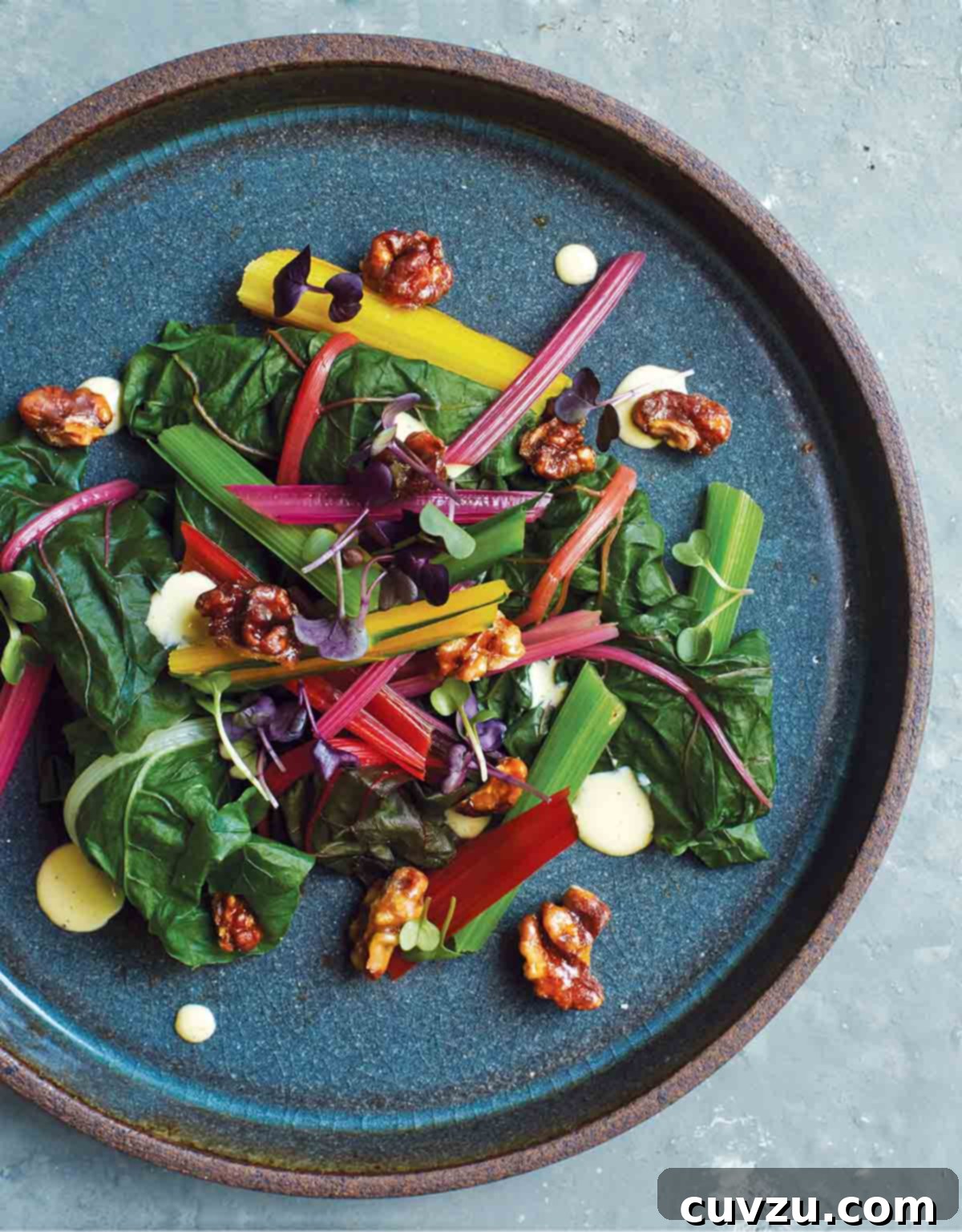
In the culinary world, where vibrant colors often signal both beauty and nutrition, the Rainbow Chard Salad stands out as a true masterpiece. This recipe beautifully showcases the inherent magnificence of Swiss chard, transforming it into a dish that is both sophisticated and surprisingly simple. By serving the chard ever so slightly cooked, retaining a pleasant bite alongside tender leaves, it achieves a textural harmony that elevates the humble green to gourmet status. The addition of crunchy candied walnuts and a delicate, creamy dressing only adds layers of intrigue and irresistible flavor, making this salad far more than just a side dish.
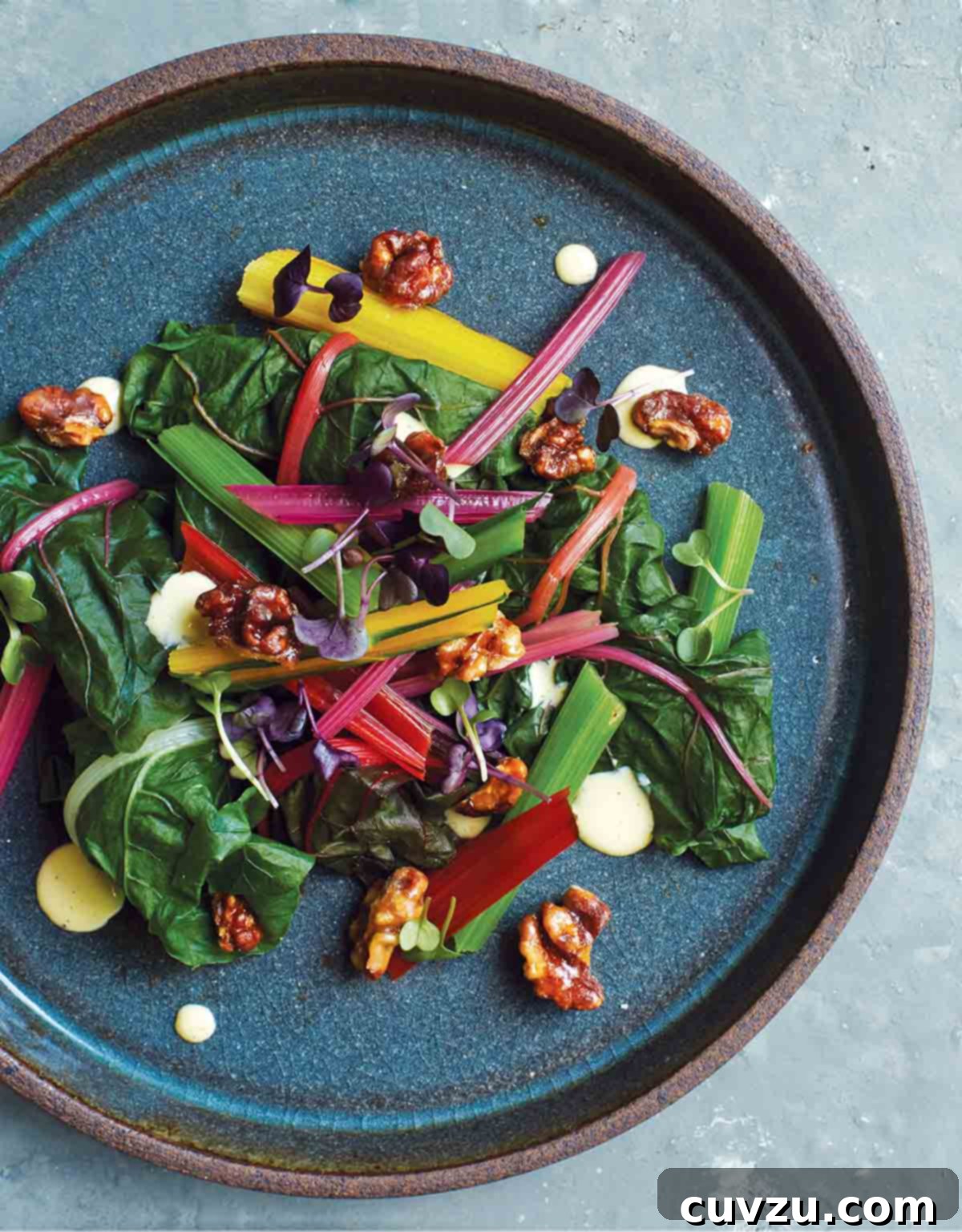
This Rainbow Chard Salad is the perfect solution for those delightful moments when your garden is overflowing with chard, or perhaps you simply got a little carried away at the farmer’s market. It’s a creative and incredibly satisfying way to utilize a bountiful harvest. The inspired combination of perfectly cooked chard, a luscious, tangy dressing, and those wonderfully sweet and crunchy candied walnuts creates a symphony of flavors that is so ridiculously delicious, you’ll instantly remember why you enthusiastically planted (or bought) so much of this beautiful green in the first place. As Angie Zoobkoff aptly put it, it’s a “simply fantastic” dish that makes the most of garden fresh chard.
Why Rainbow Chard Salad is a Culinary Gem
What makes this particular salad so exceptional? It’s the thoughtful interplay of textures and tastes. Unlike raw chard salads that can sometimes feel too fibrous, this recipe introduces a gentle cooking method that softens the chard just enough to make it tender and palatable, while preserving its vibrant color and a slight crispness. The stems, often discarded or overcooked, are treated with respect, blanched to a perfect al dente, offering a satisfying crunch. This nuanced approach to preparing the chard is what truly sets this salad apart, showcasing the green in its best possible light.
Beyond the chard itself, the supporting cast of ingredients plays a crucial role. The candied walnuts are not merely an afterthought; they provide a delightful sweetness and an essential textural counterpoint to the earthy chard. Their caramelized crunch is addictive and adds a layer of sophistication. The creamy dressing, with its balance of tang from vinegar and lemon, the subtle heat of Dijon, and the richness of egg yolk and quality oils, binds all the elements together without overpowering them. And for those who enjoy an extra dimension of flavor, a sprinkle of goat cheese, feta, or even a bold Roquefort adds a creamy, salty, or pungent note that can transform the dish yet again.
The Magnificence of Swiss Chard: More Than Just a Green
Swiss chard, often overshadowed by its more famous cousins like spinach and kale, is a nutritional powerhouse and a visual delight. Belonging to the beet family, it boasts large, crinkly leaves that can range in color from deep green to ruby red, with stems that flaunt an array of colors—from white and yellow to pink and crimson. This colorful variety is aptly named “rainbow chard,” and its striking appearance makes it a star ingredient in any dish, especially a salad.
With an earthy, slightly bitter flavor profile, Swiss chard offers a unique taste that is less assertive than kale but more robust than spinach. Both its broad, tender leaves and its firm, crunchy stems are edible. While younger, more tender leaves can be enjoyed raw, cooking often helps to mellow its earthiness and enhance its natural sweetness, making it incredibly versatile in the kitchen. The beauty of this recipe is its ability to highlight the best of both worlds: lightly cooked to soften and release flavor, yet retaining a vibrant freshness.
Unlocking the Health Benefits of Chard
Incorporating rainbow chard into your diet is a delicious way to boost your nutritional intake. This leafy green is packed with an impressive array of vitamins, minerals, and antioxidants, making it a superfood in its own right:
- **Rich in Vitamins:** Chard is an excellent source of Vitamin K, crucial for blood clotting and bone health. It also provides significant amounts of Vitamin A (in the form of beta-carotene), essential for vision and immune function, and Vitamin C, a powerful antioxidant.
- **Packed with Minerals:** It’s a good source of essential minerals like magnesium, which supports muscle and nerve function, potassium for maintaining fluid balance, and iron, vital for oxygen transport in the blood.
- **High in Fiber:** The high fiber content in chard aids in digestion, promotes gut health, and helps in regulating blood sugar levels, contributing to a feeling of fullness.
- **Antioxidant Powerhouse:** Chard contains various antioxidants, including flavonoids and carotenoids, which help protect the body’s cells from damage caused by free radicals, potentially reducing the risk of chronic diseases.
Choosing rainbow chard for your salad means you’re not just getting a beautiful dish, but one that is remarkably good for you, supporting overall well-being with every colorful bite.
Crafting the Perfect Rainbow Chard Salad: A Step-by-Step Guide
Rainbow Chard Salad Recipe
This vibrant and flavorful Rainbow Chard Salad is designed to impress, whether as a sophisticated side or a light main course. It combines tender-crisp chard with sweet candied walnuts and a rich, tangy dressing for an unforgettable culinary experience.
Yields: 4 generous servings
Prep time: 20 minutes
Cook time: 10 minutes
Total time: 30 minutes
Cuisine: American
Course: Side Dish
Calories: Approximately 400 kcal per serving
Rating: 5 out of 5 stars (from 1 vote)
This rainbow Swiss chard salad is, quite truly, a rainbow on a plate. Colorful and super tasty, not only is it pretty healthy but it also just begs to be eaten.
Recipe by David Leite, an esteemed figure in American food writing.
Print Recipe |
Pin Recipe
Ingredients
For the Rainbow Chard Salad
- Sea salt (for blanching water and seasoning)
- 1 pound tender young rainbow chard, meticulously washed; stems separated and cut into 2-inch (5-cm) lengths, leaves left whole
- 1/2 cup walnut halves, lightly toasted for enhanced flavor
- 2 tablespoons granulated sugar
- 2 tablespoons water
- 3 ounces chèvre, crumbled feta cheese, or Roquefort, for an optional creamy and tangy element
- Radish sprouts, delicate chervil sprigs, or vibrant microgreens, for an elegant garnish (optional)
For the Dressing
- 1 large egg yolk, providing richness and emulsification
- 1 tablespoon red wine vinegar, for a sharp, fruity tang
- 1 tablespoon fresh lemon juice, adding brightness and acidity
- 1 tablespoon Dijon mustard, for depth and emulsifying power
- 1/2 garlic clove, finely chopped, for aromatic depth
- Freshly ground black pepper, to taste
- 3 tablespoons grapeseed oil, chosen for its neutral flavor
- 3 tablespoons extra-virgin olive oil, for its robust, fruity notes
Instructions
Follow these steps carefully to ensure a perfectly balanced and flavorful Rainbow Chard Salad:
Prep the Rainbow Chard and Candied Walnuts
- **Prepare the Chard Stems:** Bring a large pot of generously salted water to a rolling boil. Keep a large rimmed baking sheet nearby for cooling. Add the prepared chard stems to the boiling water and cook until they are almost tender but still retain a delightful, crisp bite. This usually takes up to 3 minutes, depending on the thickness of your stems. Using a slotted spoon, carefully transfer the cooked chard stems to the baking sheet, spreading them out to cool.
- **Blanch the Chard Leaves:** Add the chard leaves to the same boiling water. Cook them briefly, stirring gently and occasionally, until they are just barely wilted—this typically happens within 30 to 60 seconds. To prevent overcrowding, you may need to blanch the leaves in a couple of batches. Transfer the wilted leaves to a large colander to drain. Then, lightly press out any remaining water with paper towels. Spread the blanched leaves alongside the stems on the prepared baking sheet, pat them dry again, and allow them to cool completely. The cooled chard can be kept at room temperature for up to 4 hours if you’re preparing ahead.
- **Craft the Candied Walnuts:** Line a small plate with parchment paper. In a small skillet set over medium-high heat, combine the toasted walnut halves with the granulated sugar and water. Bring this mixture to a gentle simmer. Cook, shaking the pan occasionally to ensure even coating, until the nuts are beautifully caramelized and all the liquid has evaporated, a process that usually takes about 4 minutes. Immediately transfer the candied walnuts to the parchment-lined plate, spreading them in a single layer to prevent sticking and facilitate cooling. Once cooled, coarsely chop the nuts. These irresistible candied walnuts can be stored in a resealable container at room temperature for up to 5 days, making them excellent for meal prepping.
Craft the Creamy Dressing
- **Whip the Dressing to Perfection:** In a mini food processor or using an immersion blender, combine the egg yolk, red wine vinegar, fresh lemon juice, Dijon mustard, and chopped garlic. Season the mixture with a generous pinch each of sea salt and freshly ground black pepper. With the processor running (or immersion blender active), gradually stream in the grapeseed oil and then the extra-virgin olive oil in a slow, steady drizzle. Continue blending until the dressing emulsifies and thickens to a smooth, creamy consistency. If preparing in advance, cover the dressing and refrigerate for up to 4 hours. Always remember to shake or whisk the dressing vigorously to recombine the ingredients before serving.
Assemble and Serve the Salad
- **Assemble with Flair:** Artfully arrange the completely cooled chard leaves and stems on individual serving plates or a large, elegant platter. Drizzle a generous amount of the freshly prepared vinaigrette evenly over the chard. Garnish the salad by scattering the coarsely chopped candied walnuts over the top. If desired, crumble your chosen cheese (chèvre, feta, or Roquefort) over the salad, and add radish sprouts, chervil sprigs, or microgreens for an extra pop of color and freshness. Pass any remaining vinaigrette separately, allowing guests to add more to their liking. For the best possible flavor and texture, ensure that all components are prepped in advance but assembled just before you’re ready to serve.
Expert Tips for a Showstopping Rainbow Chard Salad
Creating an extraordinary Rainbow Chard Salad goes beyond just following the recipe. These expert tips, informed by years of culinary experience and insights from our recipe testers, will help you achieve perfection:
- **Perfectly Cooked Chard is Key:** The success of this salad hinges on the chard being cooked *just right*. The goal is to soften the stems and leaves enough to be tender, but still retain a vibrant color and a delightful, slight crispness. Overcooked chard will become mushy and lose its appealing texture and bright hue. As Irene Seales noted, aim for no more than 3 minutes for stems and just barely wilt the leaves.
- **Mastering Candied Walnuts:** Candying nuts requires your full attention. Sugar can go from perfect to burnt in a matter of seconds. Use a lower heat than you might instinctively, and watch the walnuts like a hawk, stirring frequently. If your first batch burns, don’t despair—start over with renewed vigilance. These crunchy, sweet nuggets are crucial to the salad’s character.
- **Achieving a Stable Dressing Emulsion:** When making the dressing, the gradual addition of oils is paramount for a smooth, stable emulsion. Pour the oils in a very slow, thin stream while the food processor or immersion blender is running continuously. This allows the oil to integrate properly with the egg yolk and acids, preventing the dressing from breaking. If you have a large food processor, an immersion blender can be a less messy and equally effective tool for dressings.
- **Choosing Your Cheese Wisely:** The optional cheese component offers a chance to personalize the salad. Chèvre provides a mild, tangy creaminess; feta introduces a salty, crumbly texture; and Roquefort delivers a bold, pungent flavor. Consider the main course you’re serving alongside the salad when selecting your cheese to ensure harmonious pairings.
- **Strategic Make-Ahead Planning:** While the salad is at its best when assembled just before serving, many components can be prepared in advance. Blanch the chard and cool it, make the candied walnuts (store at room temperature in an airtight container), and prepare the dressing (refrigerate). This allows for quick and easy assembly when it’s time to serve, making it an excellent option for entertaining.
- **Presentation Matters:** This salad is inherently beautiful due to the vibrant colors of rainbow chard. Take a moment to arrange the chard artfully on individual plates or a large, shallow platter to showcase its stunning appearance. As Irene suggested, “This is the kind of salad you want to make a dramatic presentation with.”
- **Embrace Variations:** Don’t be afraid to experiment! For an extra layer of flavor and texture, consider adding dried cranberries or cherries to the salad, or a sprinkle of toasted sesame seeds. A dash of orange zest in the dressing can add unexpected brightness. Pecans can also be a delightful substitute for walnuts.
Rainbow Chard Salad FAQs
Swiss chard is a dark leafy green that is a member of the beet family, celebrated for its large, tender leaves and often brightly colored stems (especially in the “rainbow” variety). It possesses an earthy flavor that mellows and sweetens slightly when cooked. Both the fibrous stems and the broad leaves are edible and can be prepared in various raw or cooked forms.
To maintain optimal freshness, wrap unwashed Swiss chard leaves in a slightly damp paper towel, then place them inside a plastic bag in the crisper drawer of your refrigerator. Stored this way, it typically remains fresh and vibrant for 3 to 5 days. Wash the chard thoroughly just before you intend to use it.
Absolutely! To adapt this recipe for a vegan diet, you will need to make a couple of simple substitutions. Omit the egg yolk from the dressing; a great vegan alternative for emulsification and richness is 1 tablespoon of aquafaba (the liquid from a can of chickpeas) or a good quality commercial vegan mayonnaise base. Additionally, ensure you use a dairy-free cheese alternative or simply omit the cheese altogether. The candied walnuts are naturally vegan as per the recipe instructions.
Swiss chard is incredibly versatile and can be utilized in many ways you would typically use spinach or kale. It is particularly wonderful when incorporated into cheesy, creamy dishes like leek and goat cheese tarts. It also serves as an excellent, healthy accompaniment to main courses such as classic French roast chicken. For a simpler preparation, it can be quickly sautéed with garlic and olive oil, or tossed with olive oil and salt and then oven-roasted until tender-crisp. Chard is also a fantastic addition to soups, frittatas, and stir-fries.
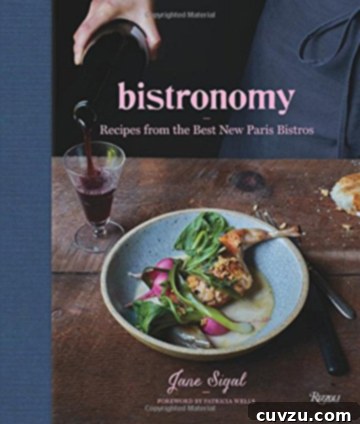
Adapted From
This exquisite Rainbow Chard Salad recipe draws inspiration from the acclaimed cookbook, “Bistronomy,” a celebrated work that champions accessible yet sophisticated French cuisine.
Buy On Amazon
Explore More with AI
Enhance your culinary journey with these AI-powered tools, designed to help you customize and understand your recipes better:
Substitutions
Scale
Summarize
Nutrition
Serving: 1 portion
Calories: 400 kcal
Carbohydrates: 14 g
Protein: 8 g
Fat: 37 g
Saturated Fat: 7 g
Monounsaturated Fat: 12 g
Cholesterol: 65 mg
Sodium: 529 mg
Fiber: 3 g
Sugar: 8 g
Nutrition information is automatically calculated and should be used as an approximation only. Individual results may vary based on exact ingredient choices and preparation methods.
Tried this vibrant recipe?
We’d love to see your creations! Mention @leitesculinaria or tag #leitesculinaria on Instagram to share your Rainbow Chard Salad masterpiece with our community!
Recipe Testers’ Reviews
Our dedicated team of recipe testers rigorously evaluates each dish to ensure perfection. Here’s what they had to say about the Rainbow Chard Salad:
Angie Zoobkoff
Wow. Simply fantastic. What a treat to be able to use the last of my garden Swiss chard for this beautiful dish. The dressing and walnuts really brought the whole dish together, and the overall flavor and presentation of the rainbow chard salad were wonderful.
Irene Seales
The flavors of the distinct parts of this rainbow chard salad—the greens, the stems, the dressing, and the walnuts—all combine for a very nice and satisfying salad. You might want to make some minor adjustments to keep the stems a little firm, so no more than 3 minutes, and barely wilt the leaves, then drain and dry them as carefully and gently as you can. The recipe easily scales down to be perfect for 2 people but go ahead and make the full recipe of dressing and candied walnuts so you can have them for another salad the next day or for use with other vegetables.
When making the walnuts, it’s very easy to go from caramelized and candied to burnt on the walnuts—my first batch got away from me and I started over using a lower heat and watching the walnuts like a hawk.
Since my food processor is large, it made much more sense (and less mess) to do the dressing using an immersion blender—I think I will be using that in place of a blender from now on for sauces and mayonnaise.
A dusting of microgreens (radish and broccoli sprouts) and some Pt. Reyes Farmhouse blue cheese and we had a completely new salad experience. I really think this is the kind of salad you want to make a dramatic presentation with, whether on a large platter for a dinner party or plated on large dinner plates so it can show off the colors and not be crowded. I used large shallow bowls but wished I had more space.
The dressing was still lovely the next day on cooked vegetables. With just a little planning, this is an easy weeknight salad but shows off for entertaining. The steps are simple although they do require your brief attention. The dressing comes together very quickly and the candied nuts cool down quickly so you can break them up or chop.