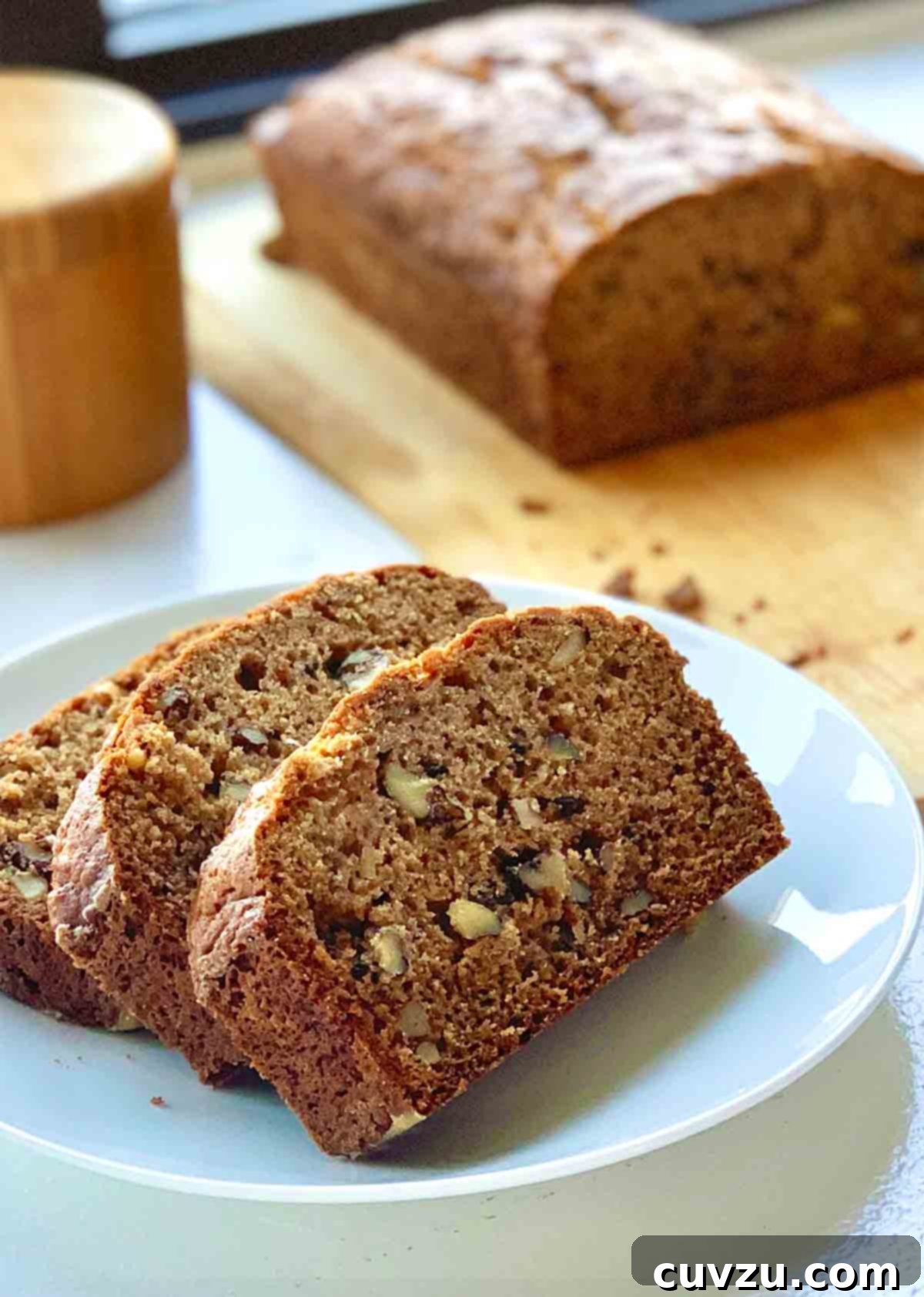
Delicious Homemade Pear Bread: A Timeless Southern Recipe
Indulge in the heartwarming embrace of this incredibly moist and fragrant pear bread, a true culinary gem steeped in Southern tradition. This spice-infused tea bread, generously dotted with tender pear pieces and crunchy walnuts, is more than just a treat—it’s an experience. Whether you’re seeking a delightful addition to your breakfast table, an elegant offering for a tea party, or a comforting dessert, this pear walnut bread consistently delivers. Its rich flavors and tender crumb make it an instant favorite, earning its place on your must-bake list for cozy mornings and sweet afternoons.
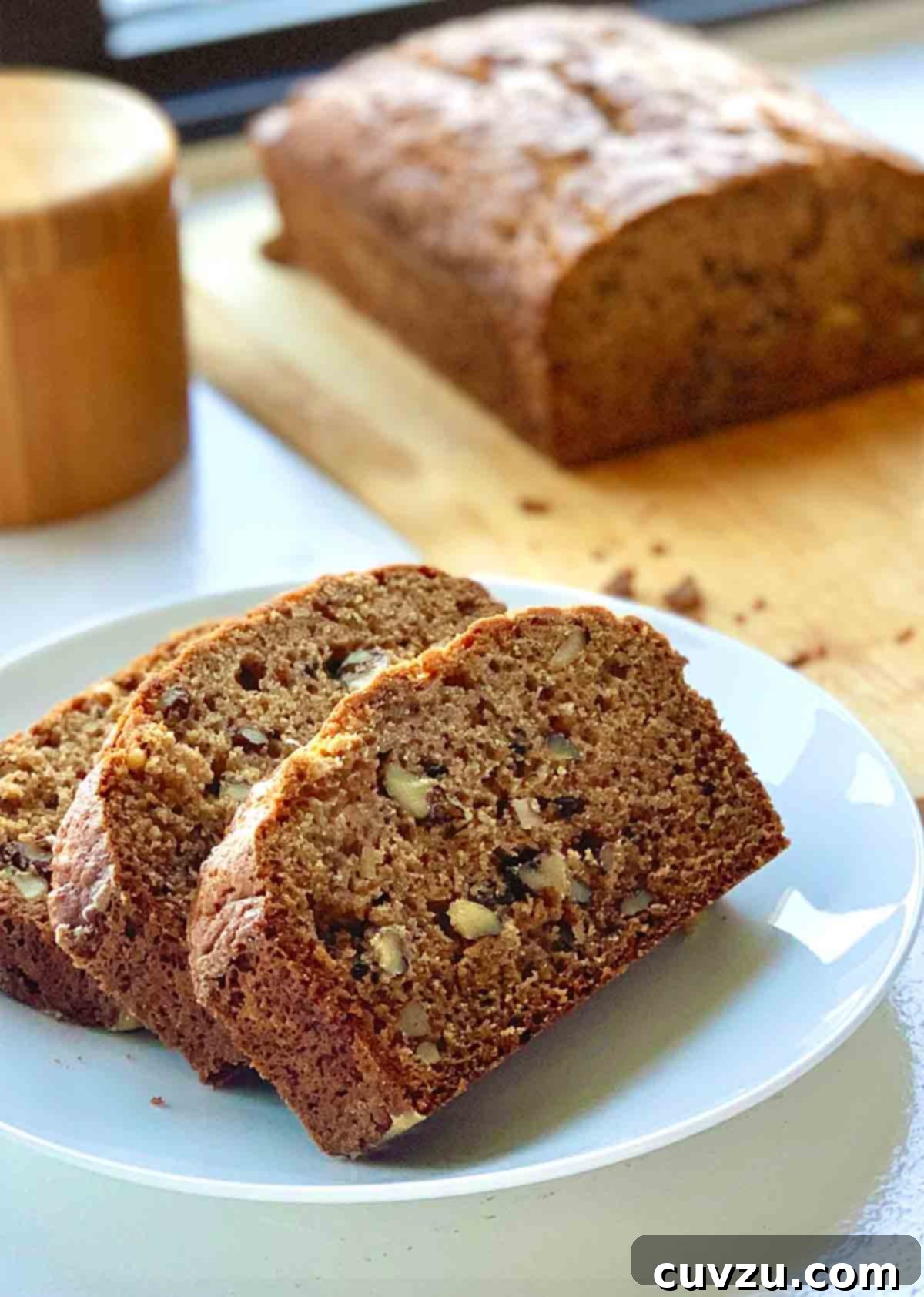
This exquisite spice-infused pear bread recipe is a treasured inheritance from the kitchen of Mrs. Cornelia Walker Bailey, a revered historian, muse, and steadfast guardian of Sapelo Island’s rich heritage, nestled off the picturesque Georgia coast. Mrs. Bailey’s family lineage on Sapelo Island stretches back to the pivotal year of 1806, and her life’s profound dedication has been to meticulously preserve and champion the vibrant stories, invaluable wisdom, and authentic culinary traditions of her ancestors. Through her eloquent words, compelling storytelling, insightful books, and the sharing of cherished recipes that have sustained her community for over two centuries, she keeps their spirit vibrantly alive. This particular recipe is not merely a collection of ingredients; it’s a piece of living history, an edible narrative passed down through generations, embodying the resilience and rich cultural tapestry of the Geechee community.
The origin of this easy pear bread recipe is further detailed in The Foods of Georgia’s Barrier Islands: A Gourmet Food Guide to Native American, Geechee and European Influences on the Golden Isles. This remarkable book, co-authored by Mrs. Bailey with Yvonne J. Grovner and William “Doc Bill” Thomas, is a testament to the diverse and flavorful culinary landscape shaped by centuries of cultural intermingling on these unique barrier islands. Baking this bread is not just an act of cooking; it’s an homage to a profound history and a vibrant culture, bringing a piece of Sapelo Island’s soul into your home. Its depth of flavor speaks volumes of the traditions it represents, offering a taste of genuine Southern hospitality and culinary expertise. You’ll truly appreciate the simplicity yet profound taste this heritage recipe offers.
Pear Bread FAQs: Your Questions Answered for the Perfect Bake
For baking quick breads like this delicious pear bread, selecting the right pear variety is key to achieving the perfect texture. You’ll want crisp pears that can maintain their structure and offer a pleasant bite even after baking, preventing your bread from becoming overly mushy or watery. The Bosc pear is an excellent choice, known for its firm flesh, subtle sweetness, and slightly nutty undertones, which complement the warm spices beautifully. Anjou pears are another widely available and reliable option, offering a smooth texture and juicy flavor that holds up well during baking. It’s generally advisable to steer clear of softer varieties like Bartletts for baking, as they tend to break down too much, potentially making your bread overly wet. However, if using Bartletts, ensure they are ripe but still very firm, as noted in some of our recipe tester reviews, emphasizing the importance of firmness even within a softer variety to prevent a soggy outcome.
Knowing when a pear is perfectly ripe for baking can be a bit tricky, especially for varieties like Bosc and Anjou that don’t soften significantly throughout. The key indicator for these crisp pears is a very slight give in the neck of the pear, right near the stem, when you gently apply a bit of pressure with your thumb. The body of the pear should still feel firm. If the entire pear feels soft, it’s likely overripe for baking and might contribute too much moisture, affecting the bread’s structure and leading to a dense or gummy texture. A ripe but firm pear will grate easily and hold its shape wonderfully within the bread, imparting its distinct flavor without compromising the loaf’s integrity.
Yes, absolutely! This versatile homemade pear bread recipe can be easily adapted to be gluten-free without sacrificing flavor or texture. Simply substitute your favorite high-quality gluten-free all-purpose flour blend for the regular all-purpose flour in the recipe, using a 1:1 ratio. Many gluten-free blends are specifically formulated for baking quick breads and will yield excellent results. Always ensure your chosen blend contains xanthan gum or add a small amount (about 1/2 teaspoon per cup of flour) if it doesn’t, to help with the bread’s structure and elasticity. Keep in mind that gluten-free flours can absorb liquids differently, so observe your batter’s consistency and adjust slightly if needed, though typically a direct swap works well.
While this recipe is specifically crafted to highlight the delicate flavor and moist texture of pears, you certainly can experiment with other fruits for a delightful variation. Apples are a fantastic and common substitute; just ensure they are firm baking apples like Honeycrisp, Fuji, or Granny Smith, and grate them similarly to the pears to maintain a consistent texture. Asian pears would also work beautifully, offering a slightly different crispness and sweetness profile. However, it’s crucial to avoid very juicy berries (like raspberries or blackberries) or soft stone fruits (like overly ripe peaches or plums) as they contain a much higher water content. This excess moisture can lead to a soggy bread that doesn’t bake through properly. If you do opt for a fruit with higher moisture, you might need to slightly adjust baking times or incorporate a bit more flour to compensate, but generally, stick to less watery alternatives for the best results in this quick bread format.
Yes, pear bread freezes beautifully, making it perfect for meal prep, unexpected guests, or simply enjoying a fresh slice whenever a craving strikes! After baking, allow the loaves to cool completely on a wire rack. This is a critical step, as wrapping warm bread can lead to condensation, which results in sogginess and potential mold growth. Once fully cooled, wrap each loaf (or individual slices for convenience) tightly in plastic wrap, ensuring no air pockets are left. For extra protection against freezer burn, you can then wrap them again in aluminum foil or place them in a heavy-duty freezer-safe bag. Frozen pear bread can be stored for up to 3 months. To enjoy, simply thaw at room temperature for several hours or overnight. You can even gently warm individual slices in a toaster oven for that freshly baked taste and aroma. At room temperature, wrapped tightly, the bread will stay fresh for 3-4 days.
The term “tea bread” refers to a category of quick breads or cakes, often lightly sweetened and flavored with fruits, nuts, or spices, that are traditionally served alongside tea. They are typically less rich and ornate than a typical dessert cake, offering a comforting yet refined accompaniment to a warm beverage. This moist pear bread fits the description perfectly with its comforting spices, tender fruit, and a not-overly-sweet profile (especially when enjoyed without the optional glaze). Its balanced flavors are designed to complement rather than overpower your drink, whether it’s afternoon tea, morning coffee, or a glass of milk. This makes it a wonderfully versatile baked good, suitable for various occasions throughout the day.
Classic Pear Bread with Buttermilk Glaze Recipe
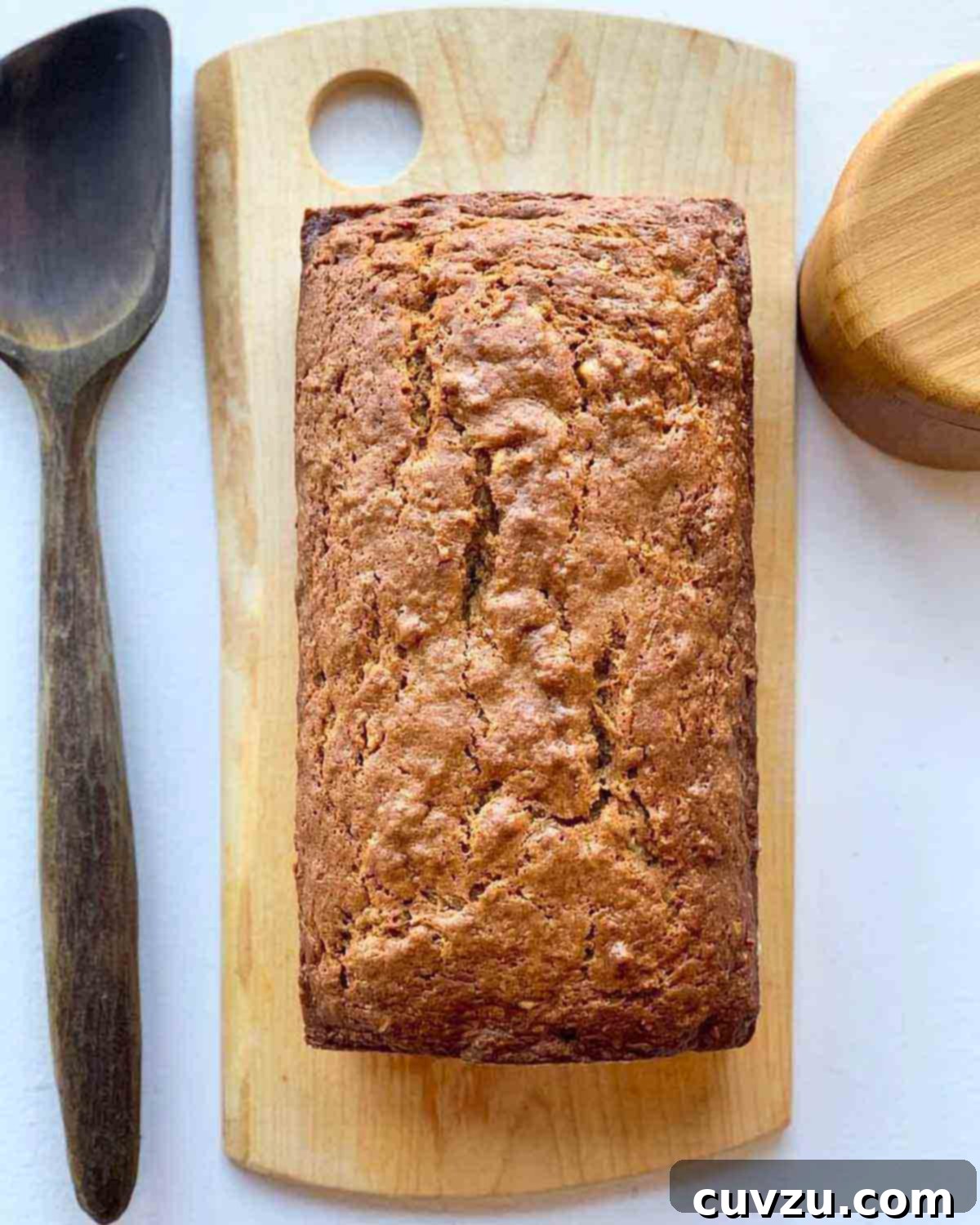
Pear Bread
This moist pear bread recipe, steeped in history and flavor, boasts a tender crumb, warming spices, and a delightful optional buttermilk glaze that truly elevates it. Its lengthy pedigree is evident in every delicious bite, making it an instant classic for any home baker.
By David Leite
- PIN
Print Recipe
Ingredients
For the Pear Bread
- 3 cups all-purpose flour, plus more for the pan(s)
- 1 teaspoon baking soda
- 1/4 teaspoon baking powder
- 1 teaspoon table salt
- 1 tablespoon ground cinnamon (for that signature warmth)
- 1 cup chopped walnuts (adds delightful crunch)
- 1 1/2 sticks unsalted butter, room temperature, or 3/4 cup vegetable oil, plus more for the pan(s)
- 3 large eggs, lightly beaten (binds ingredients for a moist crumb)
- 2 cups granulated sugar
- 2 cups peeled and finely grated ripe but firm pears (such as Bosc or Anjou)
- 2 teaspoons vanilla extract (enhances all flavors)
- Confectioners’ sugar, for dusting (optional, for a simple elegant finish)
For the Buttermilk Glaze (Optional)
- 1/2 cup buttermilk (either low-fat or full-fat, for a tangy richness)
- 1/2 cup granulated sugar
- 1/4 cup unsalted butter
- 1 1/2 teaspoons cornstarch or all-purpose flour (to thicken the glaze)
- 1/4 teaspoon baking soda
- 1 teaspoon vanilla extract
Instructions
Prepare the Pear Bread
-
Preheat your oven to 350°F (175°C). Prepare your chosen baking pan(s) by lightly buttering and flouring them. You can use a 10-inch tube pan for a more cake-like presentation or two standard 9-by-5-inch loaf pans for traditional quick bread loaves. Ensuring all surfaces are coated helps prevent sticking and makes for easy release after baking.
-
In a large mixing bowl, whisk together the dry ingredients: all-purpose flour, baking soda, baking powder, salt, and ground cinnamon. This step ensures an even distribution of leavening agents and warm spices throughout the bread, guaranteeing uniform rise and flavor. In a separate small bowl, take about 1/4 cup of this flour mixture and toss it with the chopped walnuts. This clever trick helps prevent the walnuts from sinking to the bottom of the batter during baking, ensuring they are evenly dispersed throughout your delightful pear walnut bread.
-
In a medium bowl, combine your wet ingredients: the softened unsalted butter (or vegetable oil for a slightly lighter texture), lightly beaten large eggs, granulated sugar, finely grated ripe pear, the floured walnuts, and vanilla extract. Stir these ingredients thoroughly until everything is well combined and the mixture is uniform. Then, gently scrape the wet pear mixture into the larger bowl containing the dry flour mixture. Stir carefully, using a spatula or spoon, just until the flour streaks disappear and the batter is evenly moistened. Be careful not to overmix, as this can develop the gluten too much, leading to a tough, dry bread.
-
Quickly and gently transfer the batter into your prepared pan(s). Smooth the top evenly. Bake in the preheated oven at 350°F (175°C) for 60 to 70 minutes. The bread is ready when it is beautifully browned on top, feels firm to the touch when lightly pressed, and a wooden skewer or toothpick inserted into the very center comes out clean. Baking times may vary slightly depending on your specific oven and the type of pan used, so start checking for doneness around the 60-minute mark.
-
Once baked, cool the pear bread in its pan(s) on a wire rack or a folded kitchen towel for approximately 10 minutes. This crucial resting period allows the bread to set slightly and firm up, making it easier to handle. After this initial cooling, carefully invert the bread onto a plate or directly onto the wire rack to cool completely, top side up. Cooling completely is important for both clean slicing and for the best application of the optional glaze.
-
Serve this delightful moist pear bread as is for a simple pleasure, dust it lightly with confectioners’ sugar for an elegant touch, or enhance its flavor further with the optional homemade Buttermilk Glaze for an extra layer of sweetness and tang. It pairs wonderfully with coffee, tea, or even a glass of cold milk.
Prepare the Buttermilk Glaze (Optional)
-
In a medium saucepan, combine the buttermilk (whether low-fat or full-fat), granulated sugar, unsalted butter, cornstarch (or all-purpose flour for thickening), and baking soda. Place the saucepan over medium heat and stir constantly with a whisk or spoon until the mixture comes to a gentle boil. Continuous stirring prevents the sugar from scorching and ensures a smooth glaze.
-
As soon as it reaches a gentle boil, immediately remove the pan from the heat. Stir vigorously for another minute to ensure all ingredients are well incorporated and the glaze is smooth and lump-free. Allow the glaze to cool slightly to room temperature before stirring in the vanilla extract. The glaze will thicken a bit as it cools, achieving the perfect consistency for drizzling or spreading.
Glaze the Pear Bread (Optional)
-
Once the pear bread has cooled slightly but is still warm to the touch, generously spoon or drizzle the prepared Buttermilk Glaze over the entire surface of the loaf or loaves. Use the back of the spoon to gently spread it if desired. Allow the glaze to set and cool completely before slicing and serving. This ensures the glaze adheres beautifully and doesn’t run off, creating a perfect, glossy finish for your pear quick bread.
Adapted From
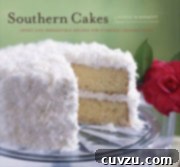
This delightful recipe is adapted from Southern Cakes by the esteemed Nancie McDermott, a renowned authority on Southern baking. Her book is a treasure trove of classic recipes, each steeped in history and tradition, making it an essential guide for anyone looking to explore the rich culinary heritage of the American South. This particular pear bread is a shining example of the comforting, flavorful bakes found within its pages.
Buy On Amazon
Nutrition Facts
Calories: 388 kcal
Carbohydrates: 54 g
Protein: 5 g
Fat: 18 g
Saturated Fat: 8 g
Monounsaturated Fat: 4 g
Trans Fat: 1 g
Cholesterol: 66 mg
Sodium: 255 mg
Fiber: 2 g
Sugar: 34 g
Nutrition information is automatically calculated and should be used as an approximation only. Actual values may vary based on ingredients, substitutions, and preparation methods.
Tried this recipe?
We’d love to see your creations! Mention @leitesculinaria or tag #leitesculinaria on Instagram!
Insights from Our Recipe Testers: Why You’ll Love This Pear Bread
Our dedicated team of recipe testers put this moist pear bread recipe through its paces, and their unanimous enthusiasm speaks volumes about its quality. Here’s what they had to say about this delightful quick bread:
Regina Hayden’s Take
Regina Hayden, one of our trusted recipe testers, enthusiastically shares that this pear bread recipe has swiftly become a household favorite. “I’ve already had three requests for it!” she exclaims, highlighting its undeniable and immediate appeal. She particularly praised its excellent texture and fine crumb, noting that it’s wonderfully moist without being overly dense, and perfectly balanced in sweetness – a hallmark of a truly great quick bread. Regina initially harbored reservations about using both butter and oil in the recipe, fearing an oily outcome, but was pleasantly surprised. “It was perfect,” she confirms, indicating that the combination contributes to the bread’s exceptional moistness and tender mouthfeel. She also appreciates the unique use of pears, offering a refreshing and unexpected change from more common banana or apple breads, and found the buttermilk glaze to be a superb finishing touch that adds just the right amount of tang. Regina emphatically recommends this recipe as a cherished one, worth keeping and passing down through generations.
Susan Bingaman’s Take
Susan Bingaman enthusiastically declares this pear bread, which she also refers to as a delightful tea cake, to be “so good and even better the day after it’s baked—if you can wait that long!” This speaks volumes about its irresistible flavor profile that deepens and melds beautifully with time. Susan diligently tested the recipe with both the recommended pan suggestions (a tube pan and two loaf pans), noting successful results with minor adjustments to baking time, proving its versatility. She also experimented with both fat suggestions (butter and vegetable oil) in the batter. While both yielded a great loaf, she observed subtle differences in texture and flavor, suggesting bakers can choose based on their personal preference for richness or lightness. Her top tip for the optional buttermilk glaze is to allow it to boil for a minute or two longer than the initial instruction. She discovered that this extra simmering encourages the sugar to caramelize slightly, creating a richer, more profound flavor that truly elevates the glaze to superb, almost toffee-like levels, making it a standout accompaniment to the pear bread.
Cindi Kruth’s Take
Cindi Kruth initially considered skipping this pear quick bread, believing pear season was past its prime. However, a fortuitous find of perfectly ripe yet firm Bartlett pears at the market changed her mind—and she was immensely glad it did! Cindi describes the baking experience as delightful, filling her kitchen with a “wonderful, sweet and warmly spicy” aroma that promised deliciousness. The taste, she confirms, was just as delicious as the aroma suggested: moist, wonderfully dense with crunchy walnuts, richly buttery, and beautifully infused with natural pear flavor. She acknowledges that while the buttermilk glaze might not be strictly necessary for enjoyment, it proved to be a “tangy addition” that perfectly complemented the bread’s inherent sweetness, creating a more complex flavor profile. Cindi highly recommends this versatile bread for breakfast alongside a steaming cup of coffee, finding it robust enough to start the day yet delicate enough for a light snack with tea. She also thoroughly tested its shelf life, confirming that it keeps exceptionally well both at room temperature for several days when wrapped tightly, and equally well when frozen, making it an incredibly convenient bake-ahead option for busy weeks or unexpected cravings.
This homemade pear bread is more than just a recipe; it’s a journey through Southern heritage, a testament to enduring culinary traditions, and a truly delightful treat for any occasion. Its moist texture, warm spices, and the delightful crunch of walnuts make it a standout quick bread that will impress family and friends alike. We encourage you to try it, savor its nuanced flavors, and perhaps even make it a new, cherished tradition in your own home. Enjoy the process of baking and the joy of sharing this wonderful, historically rich creation!