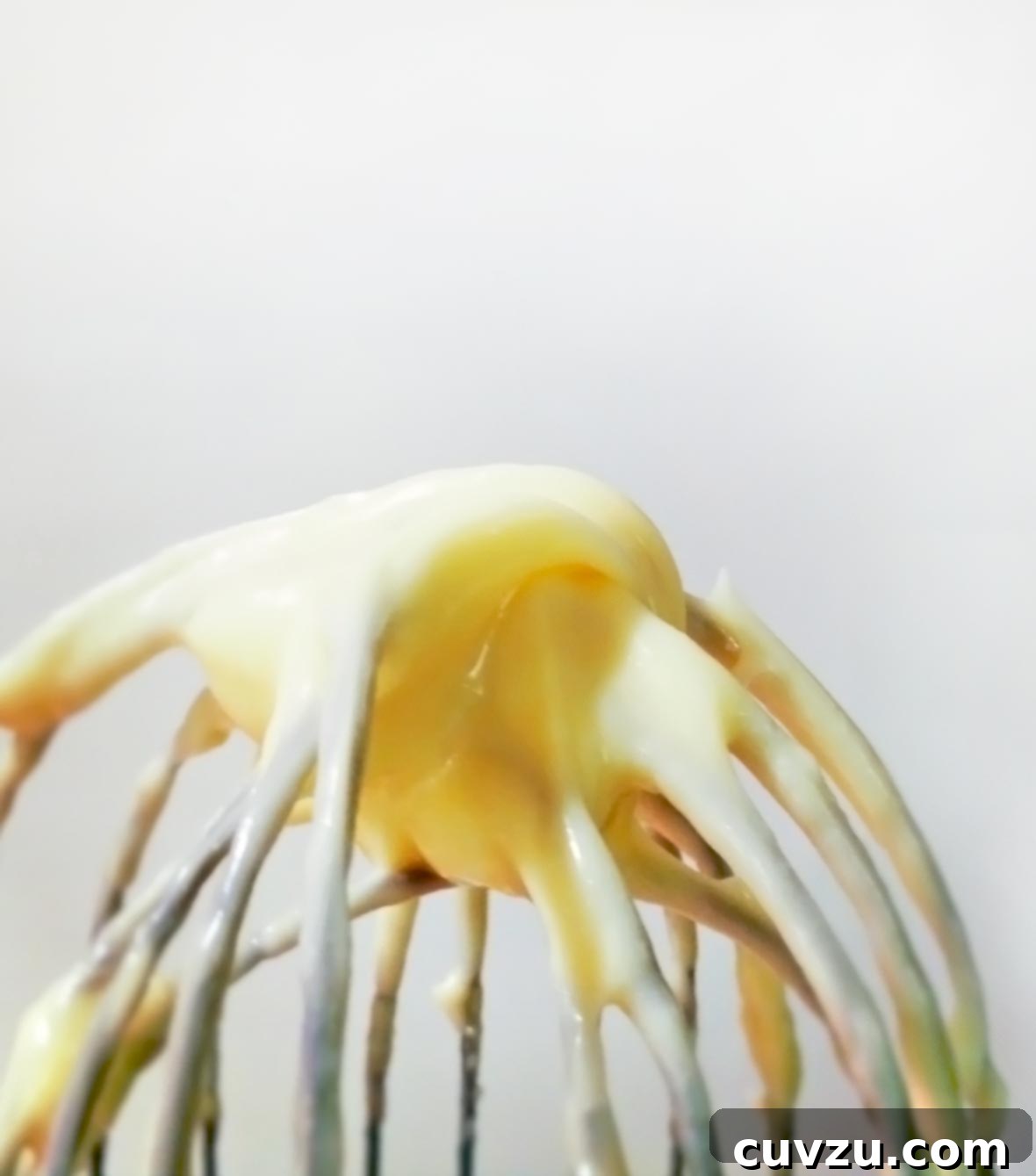
Mastering Homemade Mayonnaise: Your Ultimate Guide to a Perfect Emulsion
There’s a certain magic to crafting condiments from scratch, and among them, homemade mayonnaise stands out. Forget the bland, overly processed versions from the grocery store. This detailed guide and foolproof homemade mayonnaise recipe will empower you to create a silky, rich, and flavorful emulsion that will elevate every dish it graces. Made simply with egg yolks, oil, mustard, and vinegar, this essential staple will quickly become your go-to condiment, offering unparalleled freshness and taste. We also provide invaluable tips and tricks, including a renowned chef’s method for rescuing a seemingly hopelessly broken mayonnaise.
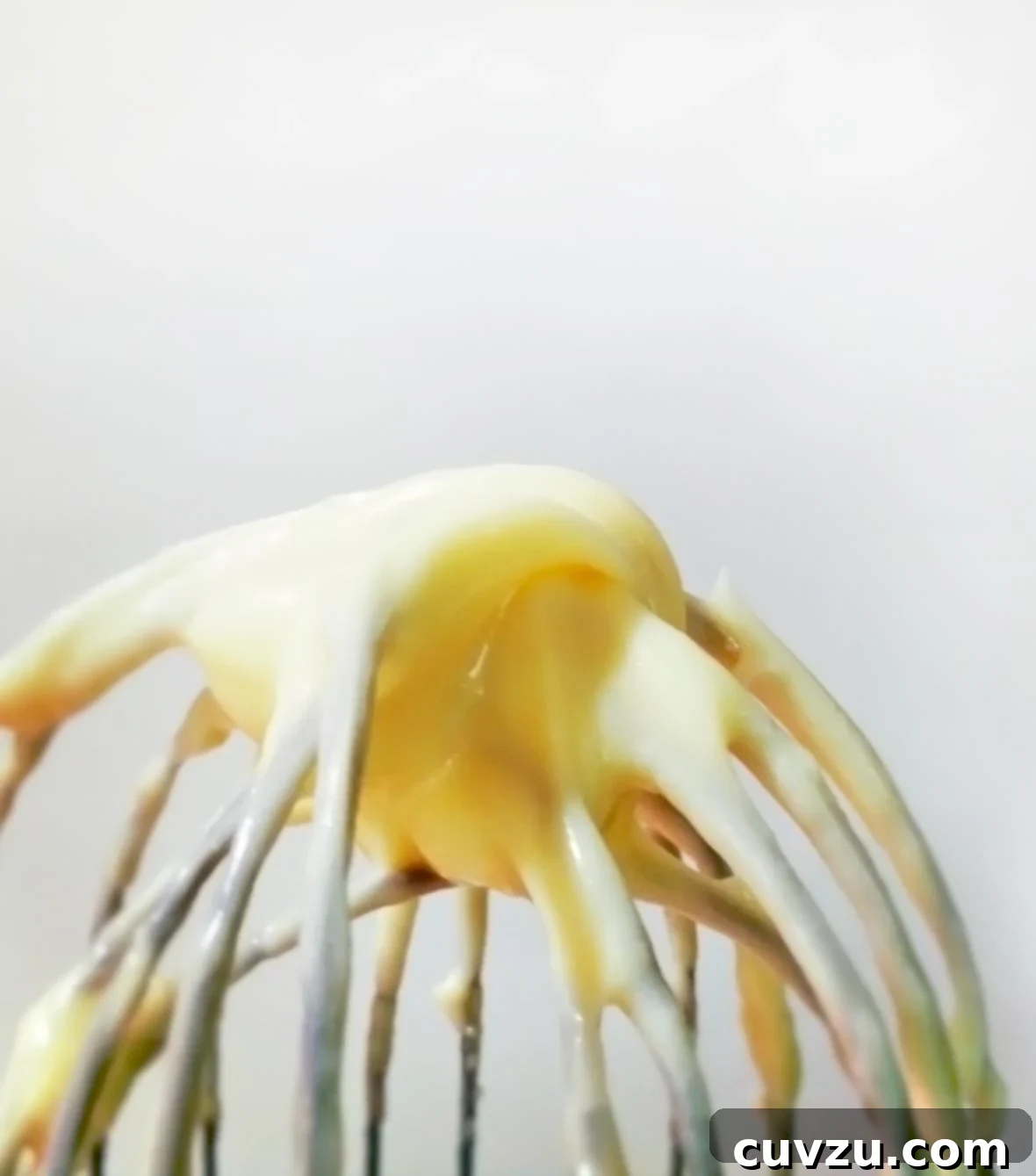
While millions effortlessly spread mayonnaise on sandwiches, salads, and countless other foods, surprisingly few venture into making it at home. This often comes from a misconception that homemade mayo is difficult or prone to failure. However, this classic, simple recipe is designed to change that perception, making it accessible to even novice cooks. As culinary expert Renee Schettler Rossi notes, with a reliable guide, the journey to homemade perfection is remarkably straightforward.
Why Homemade Mayonnaise is a Game-Changer
The allure of homemade mayonnaise extends far beyond just the pride of making something from scratch. It’s a culinary revelation that brings a vibrant freshness and depth of flavor that store-bought varieties simply cannot match. Here’s why mastering this simple condiment is worth your time:
- Superior Flavor and Texture: Freshly made mayonnaise boasts a nuanced flavor profile that is creamy, tangy, and subtly rich. You control the balance of ingredients, resulting in a condiment free from the often metallic or overly acidic notes found in commercial products. The texture is smoother, more luxurious, and incredibly satisfying.
- Control Over Ingredients: When you make mayonnaise at home, you know exactly what goes into it. This means choosing high-quality, fresh eggs, your preferred type of oil, and avoiding any unwanted additives, preservatives, or artificial flavors. This is particularly important for those with dietary concerns or who simply prefer clean eating.
- Remarkable Versatility: Homemade mayonnaise serves as an incredible base for an endless array of sauces and dressings. From a simple aioli with garlic to a vibrant herb mayo, a spicy sriracha mayo, or a creamy ranch dressing, your homemade batch is a blank canvas for culinary creativity. It’s perfect for sandwiches, deviled eggs, potato salad, tuna salad, dipping fries, or accompanying grilled meats and vegetables.
- Cost-Effective: Once you have the basic ingredients on hand, making your own mayonnaise is often more economical than regularly purchasing premium store-bought brands.
- Empowering Culinary Skill: Successfully creating an emulsion like mayonnaise is a fundamental cooking skill. It builds confidence in the kitchen and opens the door to experimenting with other homemade staples.
The Classic Homemade Mayonnaise Recipe
This easy mayonnaise recipe takes just minutes to prepare, offering a creamy, tangy, and rich condiment that will transform your meals. Say goodbye to preservatives and hello to fresh flavor!
Author: David Leite
Course: Condiments
Cuisine: French
Yields: 16 tablespoons | 1 cup
Prep Time: 10 minutes
Total Time: 10 minutes
Calories per tablespoon: Approximately 124 kcal
Ingredients for Perfect Mayonnaise
- 1 large egg yolk, at room temperature
- 1 teaspoon Dijon mustard, or more to taste
- Pinch of fine sea salt
- Pinch of white pepper (or freshly ground black pepper)
- Several drops of vinegar (up to 1 teaspoon), any kind (white wine, apple cider, or distilled white vinegar work well)
- 1 cup mild vegetable oil (such as canola, grapeseed, sunflower, or light olive oil)
Step-by-Step Instructions
- Bring Ingredients to Room Temperature: For optimal emulsification and a firm mayonnaise, ensure your egg yolk and mustard are at room temperature. Take them out of the refrigerator at least 30 minutes before you plan to start. This helps the ingredients combine more readily and creates a more stable emulsion.
- Combine Base Ingredients: In a large, sturdy bowl, combine the room-temperature egg yolk, Dijon mustard, a pinch of salt, a pinch of pepper, and a few drops of vinegar. For best results, use an electric mixer (either a stand mixer with a whisk attachment or a hand-held electric mixer) or an immersion blender with a wide-mouth Mason jar. If using an electric mixer, angle the beaters slightly towards the bottom of the bowl to encourage emulsification. Begin beating the mixture at the highest speed until the ingredients are thoroughly combined and slightly frothy.
- Slowly Incorporate the Oil: This is the most crucial step for successful mayonnaise. While the beaters are running at high speed, begin to add the oil very, very slowly. Start with just a few drops at a time initially, then gradually transition to a slow, steady, thin stream. The key is patience; adding the oil too quickly will cause the emulsion to break. Continue beating continuously. You should observe the mixture thickening and “taking” – meaning it starts to resemble a thick, creamy mayonnaise rather than an oily liquid. Once it begins to thicken, you can increase the oil stream slightly, but never pour in a large amount at once, as this can still liquefy the emulsion. Continue adding oil until it’s all incorporated and the mayonnaise is thick and smooth.
- Adjust Seasoning: Taste your freshly made mayonnaise. If it requires more salt, do not add salt directly to the finished mayonnaise, as it won’t dissolve properly and can make the sauce grainy. Instead, place a pinch of salt in a small bowl, add about half a teaspoon of vinegar (or lemon juice), and stir until the salt dissolves. Then, gently stir this seasoned vinegar mixture into your mayonnaise. This method allows the salt to be fully incorporated without affecting the texture.
- Storage: Your delicious homemade mayonnaise is now ready! Transfer it to an airtight container, such as a Mason jar with a lid, and store it in the back of your refrigerator. It will keep well for up to 3-5 days. Due to the raw egg, it’s important to consume it within this timeframe.
Mastering the Art: How to Fix Broken Mayonnaise
Even seasoned cooks can encounter a broken mayonnaise – where the oil and egg separate into an unappetizing mess. But do not despair! Renowned chef Joël Robuchon assures us, “If your mayonnaise falls apart—that is to say, if the ingredients separate instead of remaining suspended in a homogeneous emulsion—all is not lost.” With a little technique and patience, you can bring it back to its creamy glory. Here’s his expert advice, expanded for clarity:
- Temper the Broken Mayo: First, take the separated mayonnaise out of the refrigerator and let it sit at room temperature for about 30 minutes. This allows the ingredients to relax and become more receptive to emulsification.
- Prepare a New Base: In a clean bowl, beat in about half a teaspoon of fresh Dijon mustard. Mustard contains emulsifiers that are crucial for binding the ingredients. An electric mixer is highly recommended for this process to ensure thorough beating.
- Start the Emulsion: Place a spoonful of warm water in a separate, clean bowl. Warmth helps the fat molecules become more pliable. To this warm water, gradually add a spoonful of the broken mayonnaise, bit by bit, while beating continuously and at high speed. The mixture should begin to foam and thicken, forming a new, stable emulsion.
- Gradual Incorporation: Once the new base has formed and looks cohesive, add a second spoonful of the broken mayonnaise, beating thoroughly until it’s fully integrated. Repeat with a third spoonful. At this point, you should clearly see the sauce thickening and “taking” shape, regaining its characteristic smooth texture.
- Reunite the Mayonnaise: Now, using a small ladle or spoon, very gradually incorporate the remaining broken mayonnaise into this newly formed mixture. Add it in small increments, beating well after each addition, until all of the separated mayonnaise has been smoothly integrated. The finished product will be perfectly smooth, firm, and indistinguishable from a mayonnaise that never broke in the first place.
This technique demonstrates that even culinary mishaps can be easily corrected with the right approach, saving your precious ingredients and your homemade creation!
Expert Tips and Customization for Your Homemade Mayonnaise
Storage and Safety
Because homemade mayonnaise contains raw egg yolk, proper storage and food safety are paramount. Always store your mayonnaise in a clean, airtight container in the coldest part of your refrigerator. It is best consumed within 3-5 days. If you’re concerned about raw eggs, you can use pasteurized egg yolks or consider a recipe that uses a whole egg, as some immersion blender methods are said to be safer.
Choosing Your Oil
The type of oil you use significantly impacts the flavor of your mayonnaise. A mild-flavored oil like canola, grapeseed, sunflower, or a light olive oil is generally recommended as it won’t overpower the other ingredients. Extra virgin olive oil can be used, but it has a strong flavor that might make the mayonnaise bitter; if you prefer it, use a blend of light olive oil and extra virgin, or use it sparingly.
Flavor Variations
Once you have the basic homemade mayonnaise down, the possibilities for customization are endless:
- Herbs: Stir in finely chopped fresh herbs like dill, chives, parsley, tarragon, or basil for an aromatic boost.
- Garlic: Mince a fresh garlic clove or two into the mayo for a classic aioli.
- Citrus: Replace part or all of the vinegar with fresh lemon juice or lime juice for a brighter, tangier flavor.
- Spices: Add a pinch of smoked paprika, cayenne pepper, curry powder, or a dash of hot sauce for a spicy kick.
- Umami: A touch of Worcestershire sauce or even a tiny amount of anchovy paste can add a wonderful depth.
Adapted From
The wisdom on fixing broken mayonnaise comes from the culinary mastery found in “The Complete Robuchon” by Joel Robuchon, a testament to classic French cooking techniques.
Buy On Amazon
What Our Recipe Testers Say About This Mayonnaise
Our recipe testers consistently rave about the simplicity and superior quality of this homemade mayonnaise. They’ve put this recipe through its paces, offering valuable insights and confirming its status as a must-try kitchen staple. From its rich texture to its adaptable flavor, here’s what they discovered:

L. Mitchell
L. Mitchell heralds this recipe as a transformative “kitchen hack,” promising to elevate the humble sandwich, deviled egg, and tuna salad. She found the homemade mayonnaise “simple and so much better than the storebought stuff.” She customized her batch with a tablespoon of white wine vinegar infused with garlic, tarragon, and pink peppercorns, noting that “any nice sharp vinegar would do.” Mitchell also successfully used the whole egg, broadening the recipe’s versatility. She praised its stability and richness, emphasizing its ability to incorporate various add-ins without breaking. For an even easier preparation, she highly recommends an immersion blender with a wide-mouth Mason jar, where the magic of emulsification happens in seconds, yielding approximately 1 1/4 cups of superior mayo. “Bring on the BLTs! The creamy dressings! The potato salads! I may never buy another jar of storebought mayo again!” she exclaims.

Helena Pereira
Helena Pereira declares that once you experience homemade mayonnaise, you’ll abandon store-bought versions forever. She stresses the importance of following the instructions meticulously to achieve a “smooth and dense mayonnaise.” Her key takeaway is ensuring all ingredients are at room temperature and utilizing an electric mixer to facilitate the emulsification process. Helena confirms the effectiveness of the troubleshooting steps, noting that even when her mayonnaise broke, she was able to fix it perfectly as described. She needed to adjust the salt, dissolving it in white wine vinegar before stirring it in, a method that worked flawlessly. For an added layer of flavor, she suggests incorporating a tablespoon of olive oil into the vegetable oil before mixing with the egg yolk base.

Jean Cameron
Jean Cameron, initially hesitant due to her usual recipe using two eggs for the same oil quantity, found this recipe a resounding success. The resulting mayonnaise was “rich, creamy and moreish.” She advises against skimping on the vinegar, having used more than a teaspoon herself. Given its deliciousness and versatility—perfect as a dip, sauce, or salad dressing—Jean plans to double the recipe next time. She reasons that working with a larger volume of base ingredients would make the emulsification process more manageable and efficient. Drawing from past “disastrous attempts,” she meticulously added the oil “very, very slowly—literally one drop at a time for approximately 50 ml,” which took about 10 minutes to observe initial thickening. Afterward, she proceeded with larger splashes. She successfully employed the recommended method for adding salt by dissolving it in vinegar, which also allowed her to sharpen the flavor with more acidity.

Paula D.
Paula D. achieved perfect results with this mayonnaise recipe. After blending the yolk and mustard, she began with a few drops of oil, observing the mixture emulsify and come together quickly. Despite a brief moment where the mixture appeared oily after starting a tiny stream of oil, she continued blending on high for about 30 seconds, and it impressively recombined. She then maintained a tiny stream for another three minutes until all the oil was incorporated, yielding a firm, homogenous mayonnaise. Like other testers, she found it needed additional salt and successfully adjusted it by dissolving a pinch in half a teaspoon of vinegar, then blending it in. To highlight the quality of her homemade mayonnaise, Paula prepared a simple egg salad with boiled eggs, red bell pepper, green onions, and dill. She praised the mayonnaise for giving the egg salad a “nice texture, body, and homemade taste,” concluding that “homemade mayonnaise is quick and satisfying to make, and so much better than purchased.”
These enthusiastic reviews underscore that with a little attention to detail, this homemade mayonnaise recipe delivers consistent, delicious results that will undoubtedly impress.
Mayonnaise Nutrition Facts
Below is an approximation of the nutritional content per serving (1 tablespoon) of homemade mayonnaise. Please note that nutrition information is automatically calculated and should only be used as a general guideline, as values can vary based on specific ingredients and preparation.
Serving: 1 tablespoon
Calories: 124 kcal
Carbohydrates: 1 g
Protein: 1 g
Fat: 14 g
Saturated Fat: 2 g
Monounsaturated Fat: 3 g
Trans Fat: 1 g
Cholesterol: 12 mg
Sodium: 4 mg
Fiber: 1 g
Sugar: 1 g
Disclaimer: Nutrition information is automatically calculated, so should only be used as an approximation.
Tried this recipe? Share your culinary success!
We’d love to see your delicious homemade mayonnaise creations. Mention @leitesculinaria or tag #leitesculinaria on Instagram to share your results!