How to Make a Perfect Smoothie: Your Ultimate Guide to Healthy, Delicious Blends
Unlock the secrets to crafting the perfect smoothie every single time with this comprehensive guide. Forget bland, watery concoctions and say hello to vibrant, nutritious, and incredibly delicious blends. Our simple, adaptable formula empowers you to combine fruits, vegetables, healthy fats, protein, and natural sweeteners into a drink that’s not only good for you but also undeniably crave-worthy. Whether you’re a smoothie novice or looking to revitalize your blending routine, this guide provides all the knowledge and inspiration you need to transform your daily dose of goodness into a true delight. Get ready to banish boring blends forever and discover a world of flavor and wellness at your fingertips.
The Journey to Your Perfect Smoothie: Why Blending Matters
Smoothies have become a cornerstone of healthy eating for good reason. They offer a convenient, customizable, and incredibly efficient way to pack a concentrated dose of vitamins, minerals, fiber, and antioxidants into your diet. Beyond their nutritional prowess, smoothies are a fantastic solution for busy mornings, a satisfying post-workout refuel, or a guilt-free afternoon snack. They aid in hydration, support digestive health, and can even boost energy levels. The beauty of a homemade smoothie lies in your complete control over the ingredients, allowing you to tailor it precisely to your dietary needs, taste preferences, and health goals.
This guide isn’t just about a single recipe; it’s about understanding the fundamental building blocks that make a smoothie truly great. We’ll move beyond the “toss-some-random-stuff-in-the-blender-and-hope-for-the-best” approach and equip you with a reliable framework. This formula provides precise proportions for essential components like liquids, fruits, and optional vegetables, along with suggestions for potent flavor boosters, healthy fats, and natural sweeteners. Even with this structure, there’s ample room for creative improvisation, ensuring your smoothies remain exciting and tailored to your desires.
Mastering the Art of Smoothies: The Foundational Formula
Crafting a truly exceptional smoothie involves understanding the interplay of different components. Think of it as a culinary architecture, where each element contributes to the overall flavor, texture, and nutritional profile. Our simple formula guides you through selecting the ideal ingredients to create a harmonious blend that’s both healthy and utterly delicious. Here’s how to build your perfect smoothie:
1. The Liquid Base: Your Smoothie’s Flow (Approx. 1 cup)
The liquid base is the foundation that brings everything together, influencing both consistency and flavor. Choose wisely to complement your other ingredients:
- Water: The simplest and most neutral option, perfect for letting fruit and vegetable flavors shine.
- Coconut Water: A hydrating choice, offering a subtle tropical sweetness and electrolytes.
- Milk or Plant Milk (unsweetened): Dairy milk provides creaminess, while unsweetened almond, soy, oat, or cashew milk offer dairy-free alternatives with varying nuances.
- Fruit Juice (not from concentrate): Adds sweetness and fruit flavor, but be mindful of added sugars. Opt for 100% natural juices.
- Vegetable Juice (not from concentrate): Great for an extra vegetable boost, often with a more savory profile.
- Plain Unsweetened Yogurt or Kefir: Adds probiotics, protein, and a wonderfully creamy, tangy texture. Check out our guide on how to make homemade yogurt for a truly fresh option.
- Tea (cooled): Green tea or herbal infusions can add unique flavor complexity and additional antioxidants.
2. Fresh or Frozen Fruits: The Sweetness & Texture Drivers (Approx. 1 to 2 cups)
Fruits are the sweet heart of most smoothies, providing natural sugars, fiber, and a host of nutrients. Frozen fruits are particularly excellent as they thicken the smoothie without needing ice, making it richer and colder.
- Banana: A classic for its creamy texture and natural sweetness. Frozen bananas are a game-changer for thick smoothies.
- Berries (strawberries, blueberries, raspberries, blackberries): Packed with antioxidants and offer a tart-sweet flavor. Excellent when frozen.
- Mango: Tropical, sweet, and incredibly creamy when ripe or frozen.
- Apple: Adds a crisp sweetness and fiber.
- Pineapple: Tropical tang and aids digestion.
- Peach, Pear: Offer delicate sweetness and smooth texture.
- Avocado: While botanically a fruit, it’s often used for its healthy fats and incredible creaminess.
- Cherries: Sweet and tart, full of antioxidants.
- Persimmon, Papaya, Orange, Grapefruit, Grapes, Kiwi, Passion Fruit: Introduce unique flavors and diverse nutritional benefits.
- Cooked Pumpkin: A fantastic way to add creaminess and nutrients, especially in fall-themed smoothies.
3. Optional Vegetables: The Green Powerhouse (Approx. 1/2 to 1 cup)
Don’t be shy about adding vegetables! They boost nutrients without significantly altering the flavor if chosen wisely, especially when balanced with fruits.
- Romaine Lettuce, Kale, Chard, Spinach: Excellent sources of vitamins and minerals. Spinach and romaine have very mild flavors, making them ideal “stealth” greens.
- Celery, Cucumber: High in water content, contributing to hydration and a refreshing taste.
- Bell Pepper: Adds a subtle sweet-tart note and Vitamin C.
- Broccoli: A powerhouse of nutrients; use sparingly if new to veggie smoothies.
- Rocket Leaves (Arugula), Dandelion Greens: More assertive, peppery flavors for those who enjoy a bolder taste.
- Carrots: Add natural sweetness, Vitamin A, and a lovely orange hue.
- Fennel: A unique licorice-like flavor, surprisingly good in some blends.
- Zucchini: Very mild, adds bulk and nutrients without much flavor, great for creamy texture when frozen.
4. Flavor Boosters & Superfoods: Elevating Your Blend (As many as you’d like!)
These optional additions can transform a simple smoothie into a flavor masterpiece or a nutritional powerhouse.
- Dry Spices: Cinnamon, ginger, cardamom, turmeric, and saffron add warmth, anti-inflammatory properties, and exotic flavors.
- Fresh Herbs: Mint, basil, or cilantro can add a refreshing or savory twist.
- Fresh Ginger & Fresh Turmeric: Pungent and vibrant, offering potent health benefits.
- Cacao Powder or Nibs: For a rich chocolatey flavor and antioxidants.
- Nuts (almonds, walnuts, cashews): Add healthy fats, protein, and a satisfying richness.
- Desiccated Coconut: For tropical flavor and healthy fats.
- Seeds (chia, flax, hemp): Excellent sources of fiber, omega-3s, and protein; they also act as natural thickeners.
- Protein Powders (hemp, pea, brown rice, whey): Boost satiety and muscle recovery.
- Superfood Powders (spirulina, maca, acai): Concentrated nutrients for an extra health kick.
- Bee Pollen: A unique addition for energy and micronutrients.
- Coffee (cooled): For a morning pick-me-up and coffee-flavored smoothie.
5. Healthy Fats: For Creaminess & Satiety (Choose 1 & use 1 to 2 teaspoons)
Adding a healthy fat not only makes your smoothie richer and more satisfying but also helps your body absorb fat-soluble vitamins.
- Coconut Oil: Adds a subtle tropical flavor and medium-chain triglycerides.
- Flax Oil: A good source of omega-3 fatty acids; has a mild, nutty flavor.
- Olive Oil: Best for savory or green smoothies; provides monounsaturated fats.
- Omega-3 Oil (from fish or algae): A potent supplement for heart and brain health.
- Evening Primrose Oil: Known for its gamma-linolenic acid (GLA) content.
6. Natural Sweeteners: Just a Touch of Bliss (Choose one, to taste)
While fruits provide natural sweetness, sometimes a little extra is needed to balance tart flavors or satisfy a sweet tooth.
- Soft Dates: Provide fiber and a rich caramel-like sweetness.
- Dried Figs, Prunes, or Apricots: Offer concentrated sweetness and additional fiber.
- Raw Honey: A natural liquid sweetener with beneficial enzymes.
- Pure Maple Syrup: Distinct flavor and a natural alternative to refined sugar.
- Stevia: A calorie-free natural sweetener.
- Frozen Bananas: The ultimate natural thickener and sweetener.
7. Thickeners: Achieving the Perfect Consistency (Approx. 1 tablespoon)
For those who prefer a thicker, more substantial smoothie, these ingredients are your best friends.
- Nut Butter (peanut, almond, cashew): Adds creaminess, protein, and healthy fats.
- Seed Butter (tahini, sunflower seed butter): Dairy-free creamy options.
- Chia Seeds & Flaxseeds: Absorb liquid and create a gel-like consistency, packed with fiber and omega-3s.
- Psyllium Seeds: A potent fiber source, use sparingly as it thickens quickly.
- Rolled Oats (or cooked oatmeal): Add bulk, fiber, and sustained energy.
- Unsweetened Greek Yogurt: Boosts protein and creates a very thick, creamy texture.
- Cooked White Beans: A surprising but effective way to add protein and fiber without altering flavor significantly.
- Tofu (silken or soft): Adds protein and incredible creaminess, especially in vegan smoothies.
Prep Like a Pro: How to Freeze Fruits and Vegetables for Smoothies
You don’t need an engineering degree to make a smoothie, but you do need ingredients at their prime. That perfectly ripe banana from four days ago won’t cut it. The same goes for that avocado or mango. The secret to consistently perfect smoothies is freezing your produce at its peak ripeness. This not only prevents food waste but also creates a colder, thicker smoothie without diluting the flavor with ice.
Here’s how to create a perpetual stash of smoothie-ready ingredients in your freezer:
- Bananas: Peel ripe bananas, break them into halves or thirds, and place them on a baking sheet lined with parchment paper. Freeze until solid (1-2 hours), then transfer to an airtight freezer bag.
- Avocados: Halve and pit ripe avocados, scoop out the flesh, and cut into chunks. Flash freeze on a baking sheet, then store in a freezer bag. This preserves their creaminess for future blends.
- Mango: Peel ripe mangoes, cut the flesh into cubes, and flash freeze before transferring to a freezer bag.
- Berries: Wash and thoroughly dry fresh berries. Spread them in a single layer on a parchment-lined baking sheet and freeze until solid. Once frozen, transfer to freezer-safe bags or containers.
- Greens (spinach, kale, chard): Wash and thoroughly dry your greens. Portion them into individual freezer bags or ice cube trays (blending with a little water first for cubes). This makes it easy to grab a serving without clumping.
- Other Fruits: For fruits like peaches, pineapple, or melon, peel, pit (if necessary), dice, and follow the same flash-freeze and store method.
Having a well-stocked freezer means you’re always just minutes away from a delicious and nutritious smoothie, ensuring that your ingredients are always ready when you are.
Your Essential Tool: Choosing the Right Blender
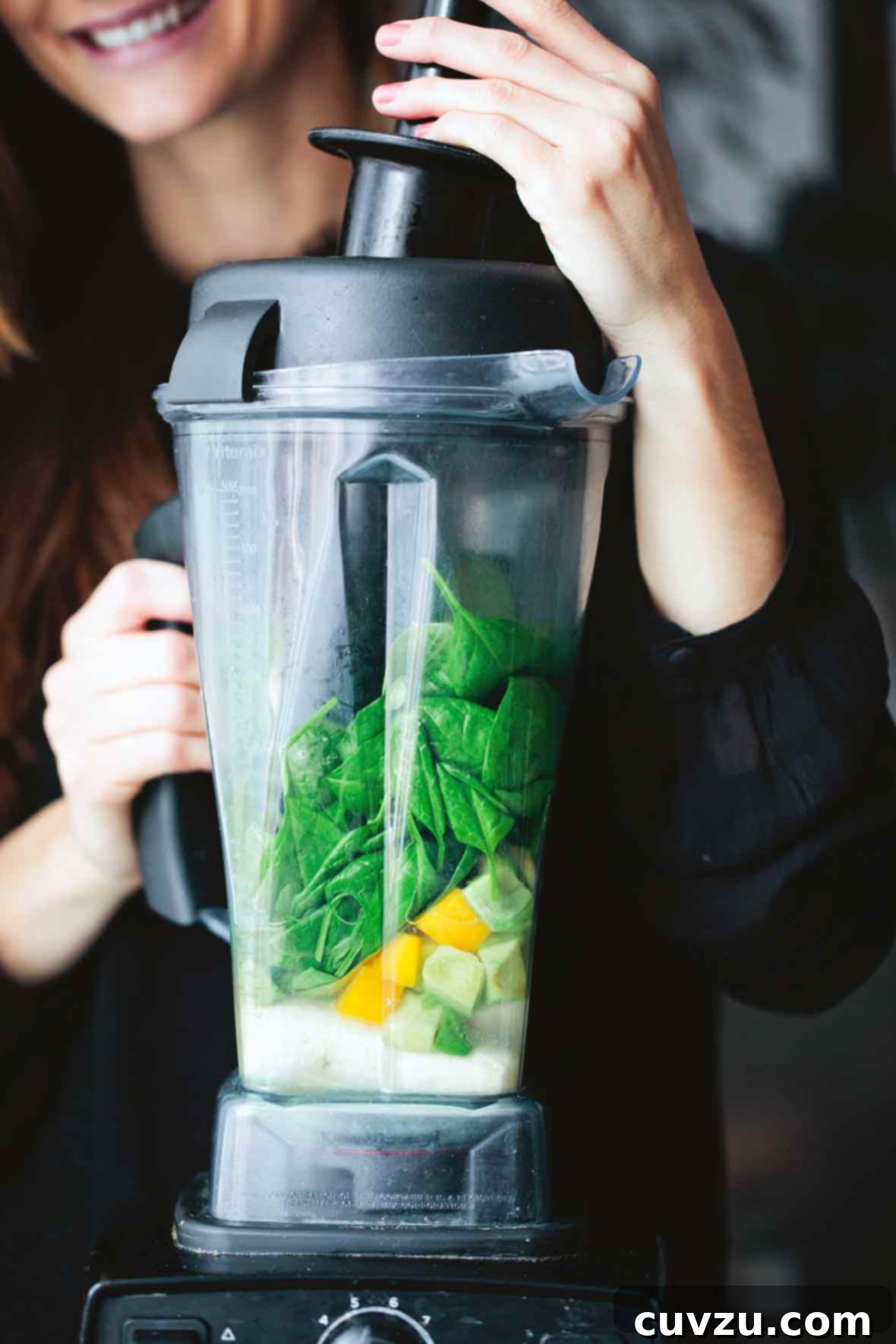
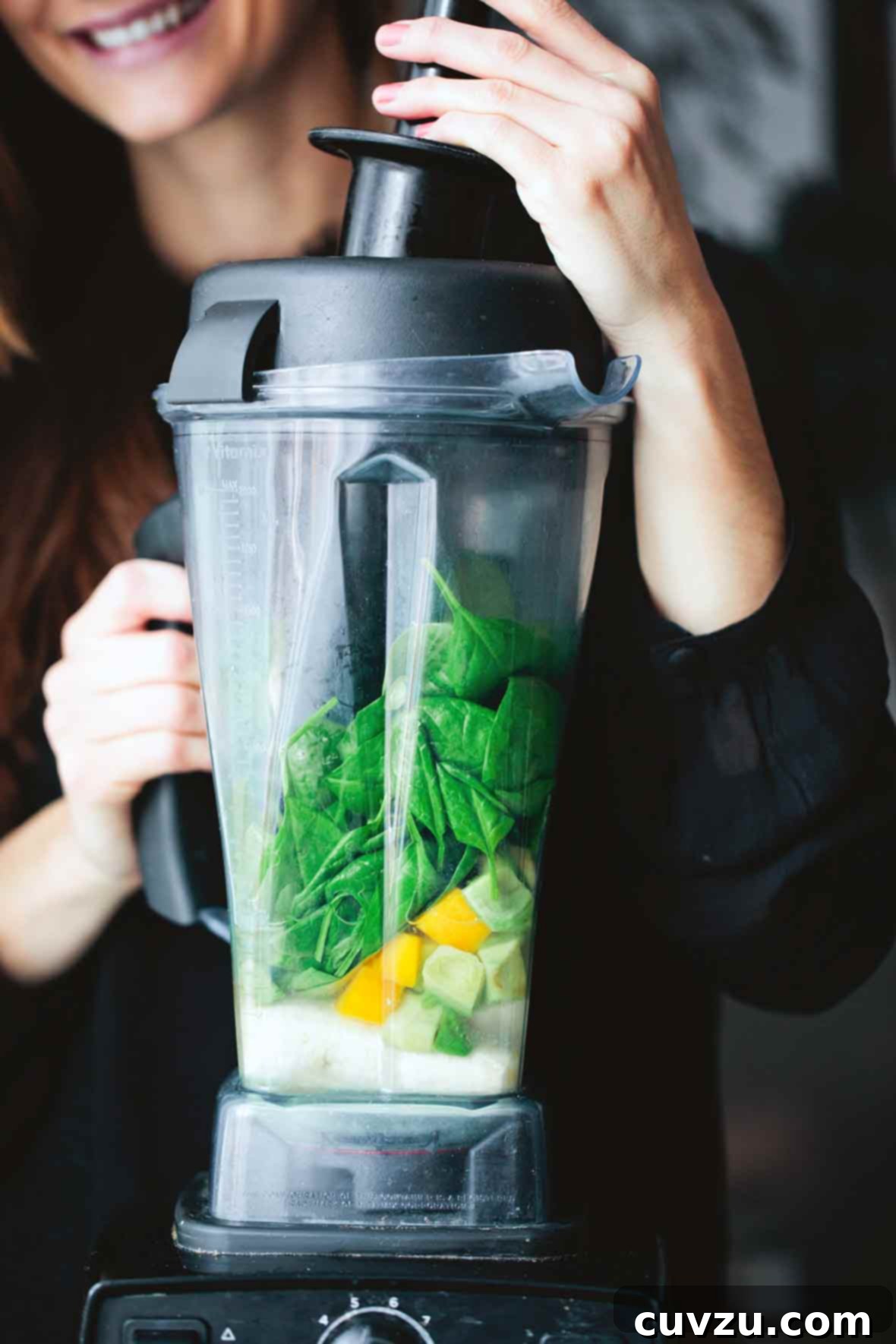
While the ingredients are paramount, a good blender is your indispensable partner in smoothie making. The right blender can make the difference between a chunky, unappetizing drink and a silky-smooth delight. Consider these factors when choosing your blending companion:
- Power: High-speed blenders (like Vitamix or Blendtec) are excellent for pulverizing tough ingredients like fibrous greens, nuts, and frozen fruits into an incredibly smooth consistency. Standard blenders are fine for softer ingredients but might struggle with harder items.
- Capacity: Personal blenders are great for single servings, while larger pitchers are ideal for families or meal prepping multiple smoothies.
- Features: Look for variable speed settings, pulse functions, and sturdy blades. Some blenders also come with tamper tools to help push ingredients down towards the blades, which is particularly useful for thick blends.
Remember, even a simpler blender can create a good smoothie; you might just need to cut ingredients into smaller pieces and have a little more patience. For demanding tasks like blending carrots or whole nuts, a powerful motor is highly recommended.
How to Make a Perfect Smoothie
David Leite
Ingredients
For the liquid base (about 1 cup total)
- Water
- Coconut water
- Milk or plant milk (unsweetened)
- Fruit juice (not from concentrate)
- Vegetable juice (not from concentrate)
- Plain unsweetened yogurt
- Kefir
- Tea (cooled)
For the fruit, fresh or frozen (1 to 2 cups total)
- Banana
- Berries
- Cherries
- Mango
- Apple
- Pineapple
- Peach
- Pear
- Avocado
- Persimmon
- Papaya
- Orange
- Grapefruit
- Grapes
- Kiwi
- Passion fruit
- Cooked pumpkin
For the optional vegetable (1/2 to 1 cup total)
- Romaine lettuce
- Kale
- Chard
- Celery
- Cucumber
- Bell pepper
- Broccoli
- Rocket leaves
- Dandelion greens
- Carrots
- Fennel
- Zucchini
For the optional boosters and flavorings (as many as you’d like!)
- Dry spices (cinnamon, ginger, cardamom, turmeric, saffron)
- Fresh herbs
- Fresh ginger
- Fresh turmeric
- Cacao powder or nibs
- Nuts
- Desiccated coconut
- Seeds
- Protein powders (hemp, pea, brown rice, whey)
- Superfood powders
- Bee pollen
- Coffee (cooled)
For the optional healthy fat (choose 1 & use 1 to 2 teaspoons)
- Coconut oil
- Flax oil
- Olive oil
- Omega-3 oil from fish or algae
- Evening primrose oil
For optional extra-thick smoothies (about 1 tablespoon)
- Nut butter
- Seed butter
- Chia seeds
- Flaxseeds
- Psyllium seeds
- Rolled oats (or cooked oatmeal)
- Unsweetened Greek yoghurt
- Cooked white beans
- Tofu (silken or soft)
For the optional sweetener (choose one)
- Soft dates
- Dried figs, prunes or apricots
- Raw honey
- Pure maple syrup
- Stevia
- Frozen Bananas
Instructions
-
In a high-speed blender, combine your selection of base, fruits, vegetables, flavorings, healthy fats, thickeners, and sweeteners. If you are not using any frozen fruits or vegetables, toss in a handful of ice cubes.
-
Blend on high speed until very smooth, 2 to 3 minutes. Serve immediately for the best taste and texture.
Adapted From
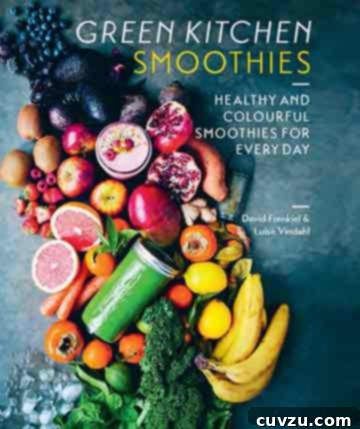
Green Kitchen Smoothies
Buy On Amazon
Nutrition
Calories: 114 kcal
Carbohydrates: 19 g
Protein: 1 g
Fat: 5 g
Saturated Fat: 1 g
Monounsaturated Fat: 3 g
Sodium: 13 mg
Fiber: 4 g
Sugar: 13 g
Nutrition information is automatically calculated, so should only be used as an approximation.
Tried this recipe?
Mention @leitesculinaria or tag #leitesculinaria!
Common Smoothie Mistakes and How to Avoid Them
Even with a great formula, it’s easy to fall into common traps that can derail your smoothie goals. Here are some pitfalls to avoid:
- Too Much Fruit/Sugar: While natural, excessive fruit can lead to a sugar overload, potentially spiking blood sugar. Balance with greens, healthy fats, and protein.
- Not Enough Liquid: A smoothie that’s too thick can be hard to blend and even harder to drink. Start with the recommended liquid amount and add more gradually.
- Only Using Fruit: This can lead to a less nutritious, less filling smoothie. Always try to incorporate greens and a source of healthy fat or protein.
- Warm Ingredients: Using room-temperature ingredients can result in a less refreshing smoothie. Rely on frozen fruits and a handful of ice for optimal chill.
- Imbalanced Nutrients: A perfect smoothie should have a good balance of carbohydrates (from fruit), protein, and healthy fats to keep you full and energized. Don’t skip the fat and protein!
- Poor Blending Technique: Always add liquid first, then soft ingredients, followed by frozen items and ice. Start blending on low and gradually increase speed to ensure everything is incorporated evenly.
Elevating Your Smoothie Game: Tips & Customizations
Once you’ve mastered the basic formula, don’t be afraid to experiment and customize your smoothies to fit any need or craving. This adaptable approach makes smoothies a dynamic and exciting part of your diet.
- Dietary Needs: Easily adapt for vegan (plant milk, plant protein, nut/seed butter), gluten-free (oats are naturally gluten-free but check labels for cross-contamination), or low-carb diets (focus on berries, greens, and healthy fats, limiting high-sugar fruits).
- Flavor Profiles: Go tropical with mango, pineapple, and coconut water. Create a green detox with kale, cucumber, ginger, and lemon. Indulge in a dessert-like blend with cacao, banana, nut butter, and a touch of maple syrup.
- Meal Prep: Portion out dry and frozen ingredients into freezer bags for quick assembly. Just add liquid and blend when ready.
- Texture Perfection: For a thicker, spoonable smoothie bowl, reduce the liquid. For a thinner, drinkable smoothie, increase it. Chia or flax seeds are excellent natural thickeners if you want to avoid ice.
Inspiration from Our Testers: Real-World Smoothie Creations
Our dedicated recipe testers put this formula to the test, exploring endless combinations to find their perfect blend. Their experiences highlight the versatility and delicious results achievable with our guide. Get inspired by their personal favorites and blending tips!
Megan S.
My breakfast smoothie was rich, creamy, and very enjoyable. It took about 5 minutes to make, including the blending time in my Vitamix, making it perfect for busy mornings.
- 1/3 cup plain homemade kombucha, flat
- Frozen mango
- Clementine
- Spinach
- Fresh ginger
- 2 tbsp Greek yogurt
This yielded 1 large serving or 2 smaller servings. I ended up enjoying it all myself as my husband, who isn’t usually a fan of mango, still admitted it was better than he expected!
Jean Usher
This recipe framework is brilliant for creating a consistently great smoothie. It simplifies experimenting with various fruits, vegetables, and flavorings, ensuring a fantastic result every time. The clear instructions and method were particularly helpful. The speed at which I could whip up a delicious smoothie, especially with frozen ingredients ready in the freezer, makes this a go-to. It’s also highly adaptable based on seasonal produce and what you have on hand!
My smoothie:
- 3 frozen bananas
- 1 English cucumber
- A little grated ginger
- 1/4 cup Greek yogurt
- 1/4 cup pure maple syrup
Paula D.
A year ago, I received an awesome margarita maker as a gift. After using it once, it’s been collecting dust and giving me pangs of guilt. This recipe inspired me to not only make healthy smoothies but also to finally figure out this “monster machine.”
As a smoothie beginner, the handy guide sections were incredibly helpful. I opted for a diverse blend:
- Kefir and black unsweetened tea
- 10 strawberries
- Red bell pepper
- Fresh ginger
- Desiccated coconut
- Peanut butter
- Rolled oats
- Dried cherries
- Frozen raspberries
- Maple syrup
Initially, I skipped the maple syrup, but it was quite tart. A tablespoon was just enough to balance the tartness without making it overly sweet. The texture was smooth with tiny pieces of oats and raspberry seeds, thick, creamy, and perfectly chilled. What truly surprised me was how incredibly filling it was. I’m excited to explore more adventurous ingredients from the list, as these will make a healthy and satisfying afternoon snack.
Irene Seales
Most of us can make a drinkable smoothie, but making one that’s truly healthy and perfectly balanced takes skill. This method helped me hone those skills. It’s too easy to get stuck in a rut, leading to boredom and abandoning smoothies altogether, so this was a refreshing exercise. This flexible list will reignite your smoothie game, whether you’re dealing with picky eaters or adapting to seasonal fruits.
I usually make smoothies for two, which helps with measuring and prevents me from getting too experimental in one go! These types of recipes are valuable because they encourage you to stretch your ideas of what works, moving beyond just fruit and yogurt. I avoid protein powders but often forget about the variety of other ingredients we can use. For spices, cinnamon or turmeric often make it into my smoothies, along with ginger or cardamom. Greens or cucumbers are regulars, but sometimes you need a nudge to consider other vegetables.
Smoothie #1
- Coconut water
- Blueberries (and raspberries added after tasting)
- Dry ground ginger and turmeric
- Cucumber
- Unsweetened coconut
- Frozen bananas
- Ice cubes
Smoothie #2
- Coconut water
- Fresh champagne mango
- Zucchini
- Dry ground ginger and turmeric
- Unsweetened coconut
- Strauss whole milk yogurt (not Greek)
- Frozen bananas
- Ice cubes
I invested in a Vitamix this past year and love its power, but even my old 2-speed Beehive Oster could make a good smoothie (it just required smaller cuts and more patience). I like a fair amount of punch, so I typically use about 2 teaspoons of ground ginger, or a similar minced amount of fresh ginger. Don’t be afraid to taste and adjust the sweetness to your liking!
C. Klopper
I thoroughly enjoyed testing this smoothie recipe due to its incredible versatility. I didn’t have to stress about finding specific ingredients; I simply used what I had in the fridge to create a delicious and nutritious combination.
I primarily focused on an apple, cinnamon, and ginger flavor combination—a personal favorite of mine. This worked wonderfully, and with the addition of banana and papaya, the smoothie was incredibly smooth and creamy. I was initially hesitant about adding oil, but after some experimenting to find the correct amount of coconut oil, I was pleasantly surprised by the subtle richness it added without detracting from my chosen flavor profile.
This is a fantastic basic recipe for anyone who enjoys smoothies and wants to reap their nutritional benefits, whether for breakfast or a post-workout boost. It’s made easy by the ability to prepare frozen bananas and avocado for future use, and it’s a brilliant way to utilize any ripe fruits or vegetables that need to be eaten, reducing food waste in the process.
- 1/2 cup plain yogurt plus 1 tbsp water
- 1 banana
- 1 apple
- 1 cup papaya
- Cucumber
- Cinnamon
- Sunflower seeds
- Coconut oil
- Honey
Mardi Michels
I’m a big fan of smoothies, but they can be hit or miss, especially when you just toss a boatload of ingredients into the blender and hope for the best. This template is absolutely perfect. I used it multiple times, and every smoothie turned out exceptionally well—no misses at all. I truly love this concept and think a laminated chart of this guide would be fantastic to keep in the kitchen for quick reference!
A truly good smoothie is only as good as its combination of components, so I’ve found it’s crucial to include a little from each category. Here are some of the successful combinations I made:
Smoothie #1
- Water
- 1 frozen banana
- 1/2 cup frozen blueberries
- 2 stalks celery
- 1/4 cup raw cashews
- 1/2 cup oats
- Honey
Smoothie #2
- 3 frozen bananas
- 2 cups baby spinach
- 1/4 cup almonds
- 1/4 cup oats
- Honey
Smoothie #3
- 1 cup frozen mango chunks
- 2 medium carrots
- Grated ginger
- 1/4 cup oats
- Honey
- Frozen avocados and mangoes: Shhh. I always have these (store-bought) in my freezer!
A note about the blender: I have a KitchenAid Torrent Blender, and it is incredibly powerful, easily blending tough items like carrots and nuts. It’s important to recognize that not all blenders will be able to handle these types of ingredients, so adjust your expectations and ingredient prep accordingly.
Also, note that each of these recipes makes approximately 3 cups, give or take, which is enough for 2 large or 3 smaller smoothies.
Shauna Hinchen-Joyal
This is a perfect and easy recipe for a smoothie with many great options! I had never tried freezing avocados before and absolutely loved this method. This particular blend made 1 really large smoothie or 2 smaller ones, perfect for sharing or a generous single serving.
- Coconut water
- 1 frozen banana
- Frozen avocado
- 1/4 cup raspberries
- 1 cup fresh spinach
- Minced ginger
- Hemp seeds
- Flax oil
- Honey
With this comprehensive guide and formula, you’re now equipped to create smoothies that are not only perfectly balanced and incredibly nutritious but also genuinely delicious. Experiment with combinations, find your favorite ingredients, and enjoy the endless possibilities of healthy blending. Happy blending!