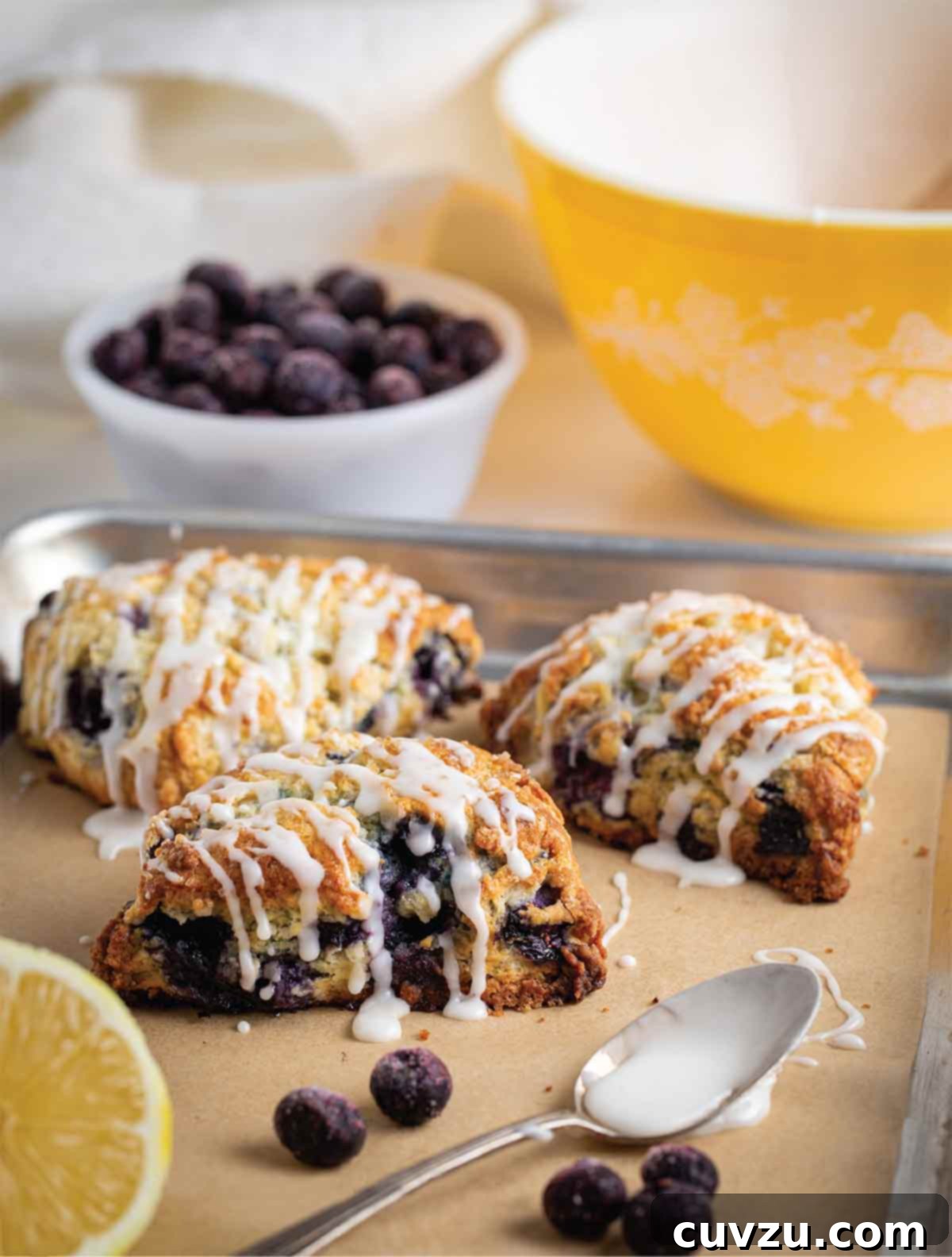
Irresistibly Flaky Glazed Blueberry Lemon Scones: Your New Go-To Recipe
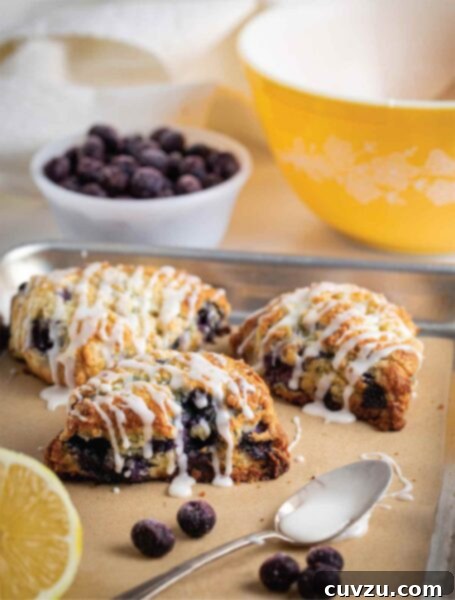
Prepare to elevate your breakfast and brunch experience with these extraordinary glazed blueberry lemon scones. Renowned for their delicate flakiness, tender crumb, and an exquisite burst of fresh blueberry and zesty lemon flavor, these scones have consistently been hailed by our testers as the absolute best they’ve ever tasted. Forget everything you thought you knew about scones; this recipe promises a pastry so delightful, it will become an instant staple in your baking repertoire.
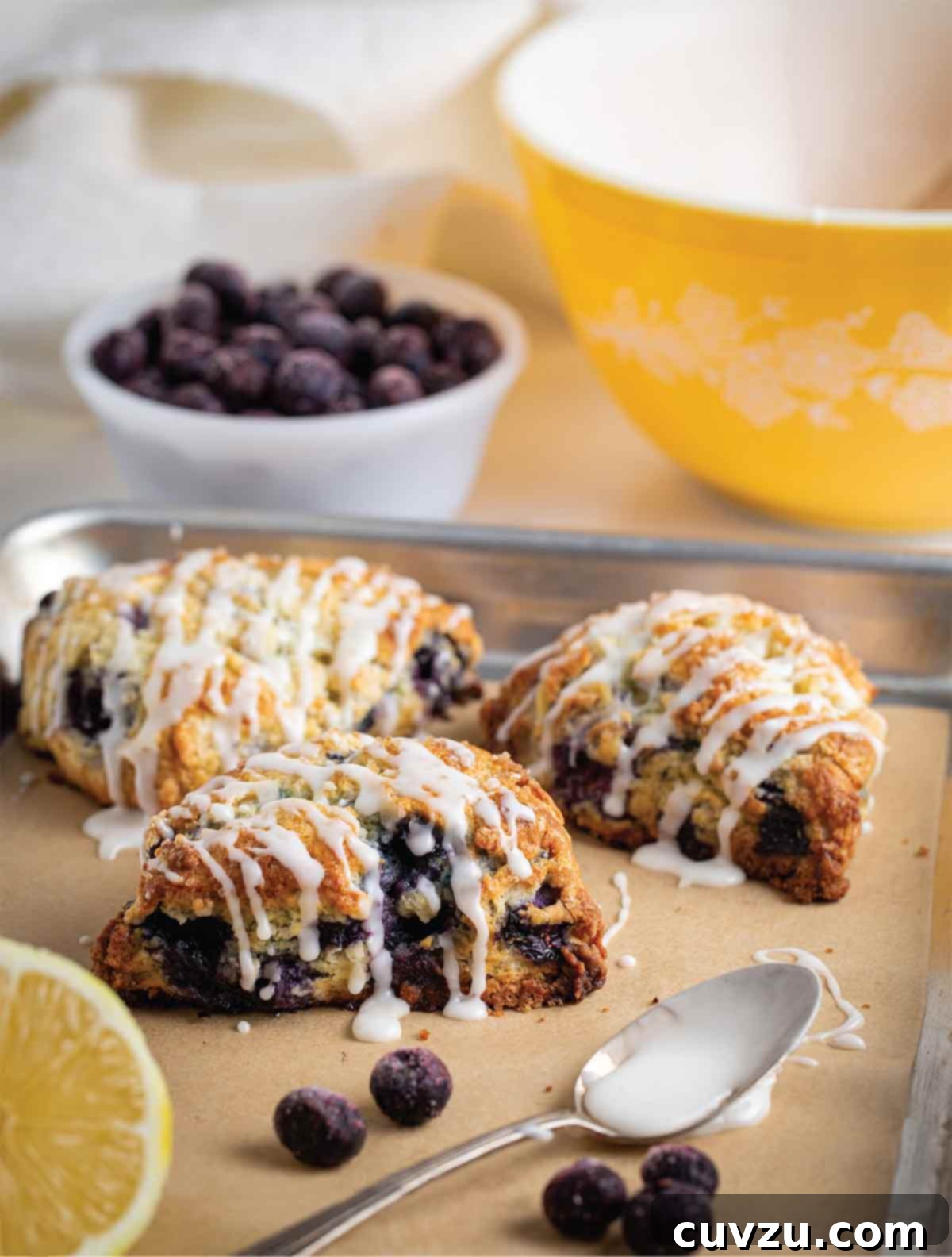
Unlike their more traditional British counterparts, these blueberry lemon scones embrace the indulgent spirit of American bakery-style pastries. They are notably fluffier, sweeter, and possess a richness that places them closer to a light, tender cake than a dense biscuit. The hallmark of these delightful treats is often their sweet confectioners’ sugar glaze, which adds another layer of irresistible flavor and a touch of elegance. While these stand perfectly on their own, the versatility of this scone recipe extends to other delicious possibilities. For a festive twist, consider making cranberry scones, or prepare them plain and serve with your favorite fillings. They even make an exceptional base for a homemade strawberry shortcake, offering a unique and memorable dessert experience.
The Art and Science Behind Perfect Scones
Achieving the perfect scone—light, flaky, and tender—is a delightful culinary journey that hinges on a few key techniques and understandings. Our recipe for these blueberry lemon scones incorporates these principles to guarantee exceptional results every time. Let’s delve into the secrets that make these scones truly stand out.
The Magic of Cold Butter for Flaky Scones
The role of very cold, or even frozen, butter in scone making cannot be overstated. When tiny pieces of cold butter are incorporated into the flour and then hit the hot oven, they melt rapidly, releasing steam. This steam creates tiny pockets and layers within the dough, resulting in that signature light and flaky texture we all crave. If the butter is too warm, it will melt into the flour before baking, leading to a denser, more cake-like scone without the desired flakiness. Cutting the butter into small cubes or grating it helps distribute it evenly while keeping it cold.
The Importance of Not Overworking the Dough
Once the wet ingredients meet the dry, it’s a race against time and gluten development. Overmixing scone dough is a common pitfall that leads to tough, chewy scones. The goal is to mix just until the liquid is absorbed and the dough barely comes together. Even if it looks a bit crumbly at first, gentle handling and a few strategic folds will bring it into a cohesive mass without activating too much gluten. This minimal handling ensures a tender crumb that practically melts in your mouth.
Heavy Cream vs. Milk: The Cream Wash Advantage
Our recipe calls for heavy cream, and for good reason. Heavy cream contributes a luxurious richness and tenderness to the scones that is difficult to replicate. Its high fat content also plays a role in the scone’s texture, making it incredibly moist. While an egg wash is a common choice for adding shine to baked goods, a heavy cream wash offers a distinct advantage for scones. The proteins and natural sugars in the cream caramelize beautifully in the oven, imparting a lovely golden-brown color and a subtle sheen to the tops, without the strong flavor or more pronounced crispness that an egg wash might give. If you’re ever in a pinch and don’t have heavy cream, you can create a viable substitute using milk and butter. For every cup of heavy cream required, simply use 1/4 cup of melted butter combined with 3/4 cup of milk. This clever swap will yield virtually the same delicious results, ensuring your scones remain tender and flavorful.
The Folding Technique: Layers of Perfection
One of the elements that sets these scones apart is the gentle folding technique employed during the dough preparation. Similar to laminating dough for puff pastry or creating flaky pie crusts, this method helps to build multiple thin layers within the scone dough. Each fold further incorporates the cold butter and creates distinct strata that separate during baking, enhancing the flakiness. It might seem like an extra step, but this technique is crucial for achieving that incredibly light, airy, and layered texture that defines these truly exceptional scones. Even if the dough crumbles slightly during the initial folds, persist gently, patting it back together. The effort is immensely rewarding.
Optimal Baking Conditions: Preheat and Chill
For scones that rise beautifully and maintain their shape, a properly preheated oven is non-negotiable. High heat helps the scones set quickly before the butter has a chance to spread too much, ensuring a tall, proud bake. An optional but highly recommended step is to chill the formed scones in the freezer for about 10 minutes before baking. This extra chill solidifies the butter even further, maximizing the steam production and resulting in scones that are incredibly tall and flaky, preventing them from spreading excessively on the baking sheet.
Blueberry Lemon Scones FAQs
Once these delightful blueberry lemon scones are baked to golden perfection and have cooled slightly, serving them is an absolute pleasure. Simply break them apart with your fingers—no need for a knife unless you prefer a neater presentation—and enjoy them as you would any fine pastry. As our recipe testers enthusiastically suggest, you can use these versatile scones as a tender base for a classic strawberry shortcake. Imagine the sweet, juicy strawberries and a dollop of fresh whipped cream atop these lemony, blueberry-studded wonders! Alternatively, for a more traditional scone experience, slice them open and spread them with a generous helping of creamy butter, a tangy Meyer lemon curd to amplify the citrus notes, or a spoonful of sweet blueberry jam to double down on the berry goodness. A hot cup of coffee or a fragrant tea makes the perfect accompaniment, transforming any moment into a special occasion.
While heavy cream is the preferred liquid in this recipe for its unparalleled richness and tenderness, we understand that sometimes you might find yourself without it. Fortunately, if you’re in a bind, you can absolutely substitute milk and butter for the heavy cream, achieving a final product that is remarkably similar. To do this, for each cup of heavy cream called for in the recipe, simply combine 1/4 cup of melted unsalted butter with 3/4 cup of whole milk. Whisk them together thoroughly before adding them to your dry ingredients. This clever substitution ensures you still get a good amount of fat into your dough, which is essential for those light, moist, and flavorful scones.
You might be more familiar with an egg wash, which is commonly used on pies and pastries to create a distinct glistening shine. While an egg wash can certainly be used here if that’s your preference, a heavy cream wash offers unique benefits for scones. The protein and natural sugars present in the heavy cream work wonders during baking, caramelizing to add a beautiful golden hue to your otherwise pale scones. This results in a more appealing, richly colored crust. Furthermore, the fat content in the cream contributes a lovely, subtle shine to the tops, giving them a wonderfully inviting appearance. It’s a simple touch that makes a significant difference in both presentation and the delicate outer texture of your scones.
Using very cold butter, or even butter that has been frozen and then grated or cut into small pieces, is a fundamental technique for achieving truly light, tender, and flaky scones. The reason lies in how the butter interacts with the dough during baking. When cold butter is quickly introduced to the high heat of the oven, it melts slowly, releasing steam. This steam acts as a leavening agent, creating tiny air pockets and layers throughout the scone dough. These pockets are what give scones their characteristic flakiness. If the butter is at room temperature or too warm, it will blend too readily with the flour, creating a more uniform mixture and a denser, tougher scone. Cold butter ensures the dough remains cool and the butter stays in distinct pieces until it hits the oven, preventing premature spreading and promoting a beautiful rise.
More Summery Blueberry Recipes to Savor
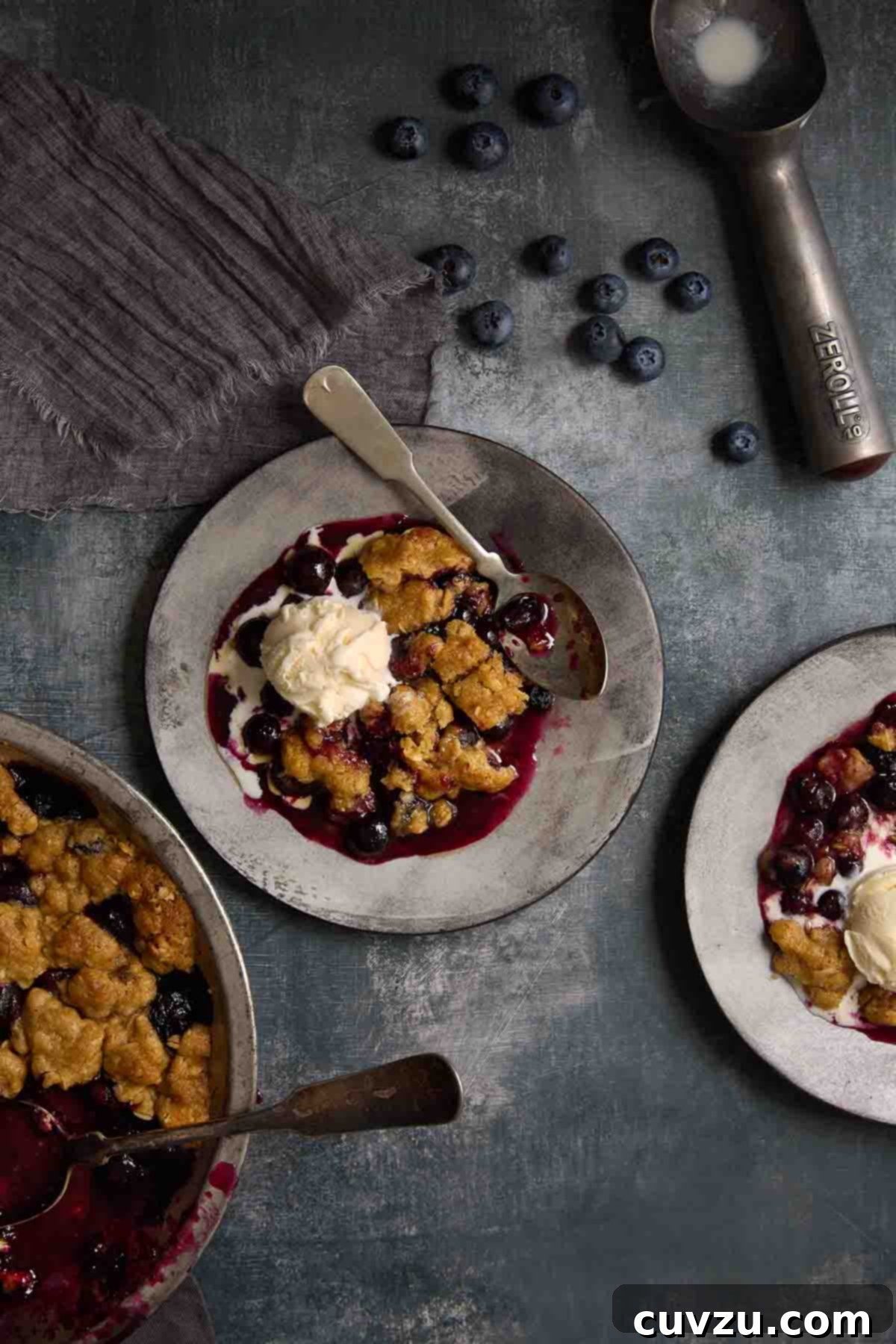
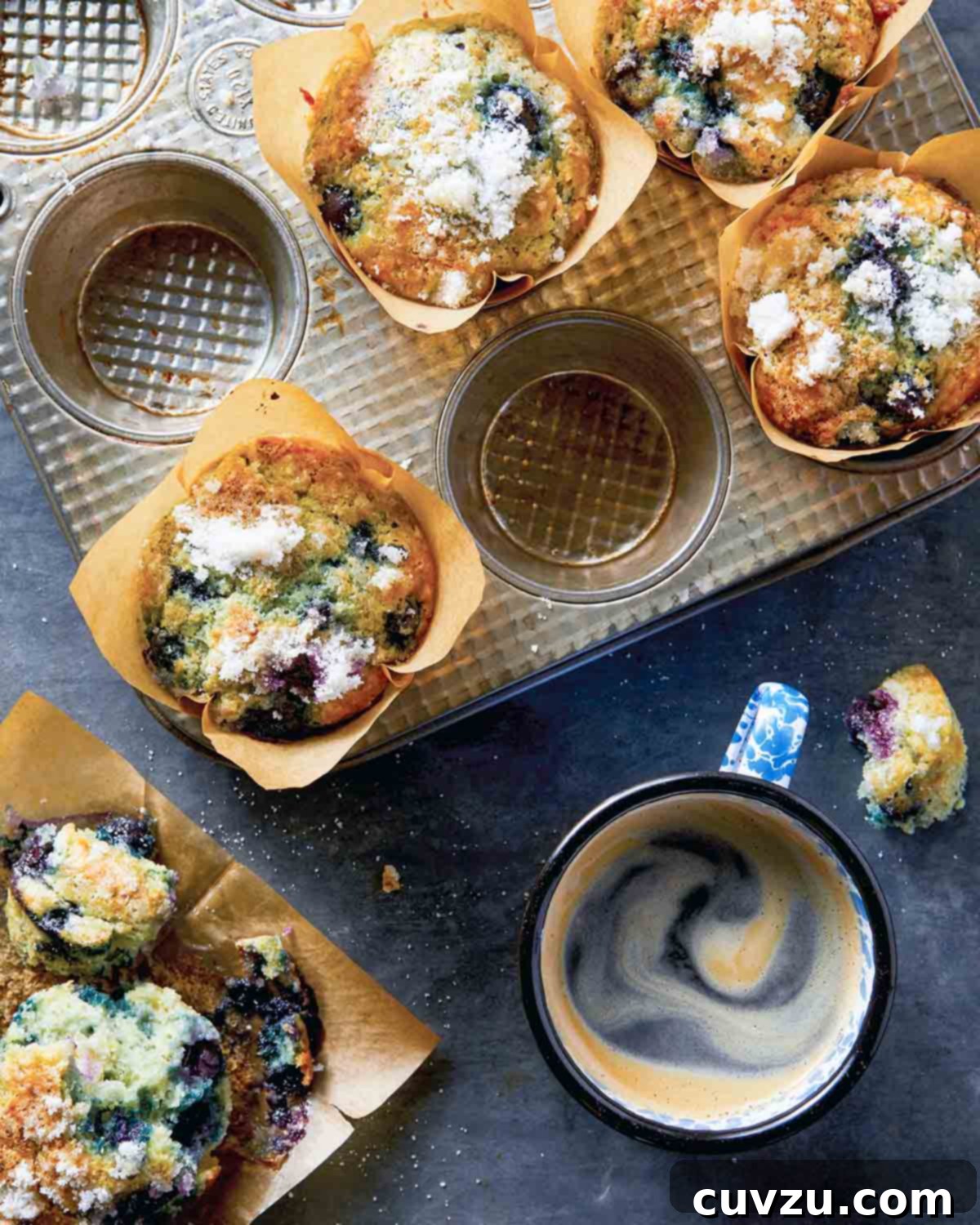
If these blueberry lemon scones have awakened your appreciation for the humble yet mighty blueberry, you’re in luck! Blueberries are a quintessential summer fruit, versatile enough for a myriad of sweet applications. Explore more delightful ways to enjoy this vibrant berry with these other irresistible recipes:
Blueberry Lemon Scones
By David Leite
Breakfast, Brunch, Snack
American
8
scones
395
kcal
35 minutes
15 minutes
1 hour
Ingredients
For the scones
- 2 cups all-purpose flour, plus more for working the dough
- 1/2 cup granulated sugar
- 1 tablespoon baking powder
- 1/2 teaspoon kosher salt
- 1 stick (4 oz) unsalted butter, very cold, cut into small cubes or grated
- 1 cup fresh or frozen blueberries, (if using frozen, keep frozen, do not thaw)
- 1 large egg, cold
- 1/2 cup heavy cream, cold, plus a few tablespoons of additional heavy cream for brushing the tops
- 1 tablespoon lemon zest, preferably organic
- 1 tablespoon fresh lemon juice
- Coarse sugar, for topping (optional)
For the lemon glaze
- 1 cup confectioners’ sugar
- 1 tablespoon lemon zest, preferably organic
- Pinch salt
- 2 to 3 tablespoons fresh lemon juice
Instructions
Make the scones
-
Position an oven rack in the center of your oven. Preheat the oven to 425°F (220°C). It is crucial to allow the oven ample time to preheat thoroughly, typically 20-30 minutes, even after it signals it’s ready. If the oven isn’t hot enough, the butter in the scones will melt too slowly, causing the scones to spread horizontally rather than rise vertically, resulting in a flatter, denser product.
-
Line a rimmed baking sheet with parchment paper or a silicone baking mat. This prevents sticking and ensures even browning.
-
In a large mixing bowl, thoroughly whisk together the all-purpose flour, granulated sugar, baking powder, and kosher salt. Whisking ensures all dry ingredients are evenly distributed, especially the leavening agent.
-
Add the very cold, cubed or grated unsalted butter pieces to the dry mixture. Using a pastry blender, two knives, or even your fingertips (working quickly to avoid warming the butter), cut the butter into the flour mixture. Press down on the fat with the wires of your pastry blender or the tines of a fork as you move it around the bowl, breaking the butter into smaller and smaller pieces. Continue this process until most of the butter pieces are about the size of small peas, with a few larger pieces (up to the size of a walnut half) still visible. These larger pieces will create wonderful pockets of steam, contributing to the flaky texture.
-
Gently toss the blueberries throughout the flour and butter mixture. If using frozen blueberries, do not thaw them; adding them frozen helps them hold their shape and prevents them from bleeding into the dough, maintaining distinct pockets of fruit.
-
In a separate medium bowl, lightly whisk together the cold large egg, cold heavy cream, fragrant lemon zest, and fresh lemon juice. Ensure all these wet ingredients are cold to maintain the chill of the butter in the dry mixture.
-
Pour the combined wet ingredients into the dry ingredients. Using a silicone spatula or a wooden spoon, mix just until the liquid is absorbed. This should only take a few turns—resist the urge to overmix! The dough will appear somewhat incohesive and shaggy at this stage, but it will come together beautifully on the countertop in the next step.
-
Turn the shaggy dough out onto a lightly floured countertop. Sprinkle a bit more flour on top of the dough. It is perfectly normal for the dough to be quite crumbly at this point. Using the heel of your hand and a bit of firm pressure, gently press and gather the dough together into one cohesive mass. Be patient and work quickly to keep the dough cool.
☞ TESTER TIP: Working the dough on top of a sheet of parchment paper or wax paper can make the folding process significantly easier. You can use the paper to help lift and fold the dough without excessive handling, keeping your hands clean and the dough cold.
-
Once the dough is a single mass, pat it out gently into an approximate 1-inch (2.5-cm) thick rectangle.
-
Using a bench knife or a sturdy metal spatula, carefully fold the dough in half. Then, rotate the dough 90 degrees. Pat it out again to a 1-inch thick rectangle and fold it in half. Repeat this process for a total of 6 folds. The dough might feel quite crumbly during the initial few turns; this is expected. Be very gentle and continue to pat it back together, dusting with a little more flour as needed if it becomes too sticky. This strategic folding process is what creates the wonderful layers that result in exceptionally flaky scones. If you are using frozen berries, the dough may be slightly moister and more challenging to work with; don’t hesitate to use additional flour on your countertop and on the dough to make it manageable.
-
After the final fold, pat the dough out to form a circle about 7 inches (18 cm) in diameter and roughly 1.5 inches (4 cm) thick. Using a bench knife or a sharp chef’s knife, cut the circle into 8 equal triangle-shaped pieces, much like slicing a pizza. Carefully transfer the scone triangles to your prepared baking sheet, spacing them evenly. For an extra touch of golden color and a hint of sweetness, lightly brush the tops with a few tablespoons of additional heavy cream and generously sprinkle with coarse sugar, if desired.
-
As an optional but highly recommended step, place the entire baking sheet with the formed scones into the freezer for 10 minutes before baking. This extra chilling period is a secret weapon: it ensures the butter remains very cold, which helps the scones rise dramatically in the oven and prevents them from spreading too much, yielding perfectly shaped, tall scones. It also gives your oven a final opportunity to reach its optimal temperature.
-
Bake the scones in the preheated oven for 14 to 18 minutes, or until they are beautifully golden brown on top and firm to the touch when gently pressed. Baking time can vary slightly depending on your oven.
-
Once baked, immediately transfer the hot scones to a wire cooling rack. Allow them to cool for at least 10 minutes before applying the glaze. This cooling time allows them to set fully and ensures the glaze doesn’t melt off immediately.
Make the lemon glaze
-
While the scones are cooling on the rack, prepare your vibrant lemon glaze. In a small bowl, combine the confectioners’ sugar, lemon zest, and a pinch of salt. Gradually add the fresh lemon juice, starting with 2 tablespoons and adding more bit by bit, whisking constantly until you achieve a thick, pourable glaze. The ideal consistency should be similar to that of honey—it should flow slowly and steadily off the whisk. If the glaze accidentally becomes too thin, simply whisk in a bit more confectioners’ sugar to thicken it. Once the scones are sufficiently cooled, generously drizzle the glorious lemon glaze over each one.
-
Store any leftover scones, once completely cooled and the glaze has set, at room temperature. Wrap them tightly in aluminum foil or plastic wrap to maintain their freshness for up to 2 days. For a convenient future treat, you can also freeze the unbaked scone dough triangles. Arrange them on a baking sheet and freeze until solid, then transfer to an airtight freezer bag for up to 2-3 months. When ready to bake, place the frozen scones directly onto a prepared baking sheet and bake at 425°F (220°C) for 18 to 22 minutes, or until thoroughly baked and golden brown. Enjoy fresh scones whenever the craving strikes!

Adapted From
Baker Bettie’s Better Baking Book
Buy On Amazon
Nutrition Information
Serving:
1 scone
Calories:
395 kcal
Carbohydrates:
56 g
Protein:
5 g
Fat:
18 g
Saturated Fat:
11 g
Monounsaturated Fat:
5 g
Trans Fat:
1 g
Cholesterol:
70 mg
Sodium:
167 mg
Fiber:
1 g
Sugar:
30 g
Nutrition information is automatically calculated, so should only be used as an approximation.
Tried this recipe?
Mention @leitesculinaria or tag #leitesculinaria on social media! We love seeing your creations!
Recipe Testers’ Reviews: What Our Bakers Say
The true measure of a recipe’s success lies in the feedback from those who actually make it. Our dedicated team of recipe testers put these blueberry lemon scones to the test, and their enthusiastic reviews confirm that this recipe is truly exceptional. Here’s what they had to say about their experience:
Mollie T.
“Oh Mylanta, these glazed blueberry lemon scones were absolutely delicious! I must admit, I was a little skeptical at first about laminating scones, as it’s a technique I’ve only ever used for more complex pastries. However, the effort was completely worth it. I even adapted the recipe by using gluten-free flour, and to my delight, it converted beautifully—which isn’t always the case with gluten-free baking! These scones turned out incredibly flaky and light, a testament to the technique and the well-balanced ingredient ratios. The flavors of blueberry and lemon were perfectly harmonious, though next time I might be tempted to add a few more blueberries, simply because I adore them! What’s more, I appreciate that this recipe relies mostly on pantry staples, making it accessible for any home baker. I will definitely be making these again, and again!”

Ingrid Marino
“This is truly the first ’10’ I have ever given a recipe, and I can confidently say it will be my new go-to blueberry scones recipe from now on. The scones are absolutely bursting with bright lemon and sweet blueberry flavor, creating a perfect symphony for the taste buds. What’s more, the recipe was straightforward enough for me to whip up before school, much to the delight of my kids. The recipe yields 8 generously sized scones, but for smaller servings or a larger crowd, they could easily be cut in half to make 16 mini scones. While these scones are sweeter than many other recipes I’ve tried, the vibrant lemon flavor provides a wonderful tang that perfectly balances the sweetness, preventing them from being cloyingly rich. A truly outstanding bake!”
Lisa C.
“The horror! To think I wouldn’t eat blueberries as a child. Had that aversion continued, I would have tragically missed out on these truly wonderful, tender, and flaky blueberry lemon scones. I can confidently say this may very well be the best recipe I have tested yet for Leite’s Culinaria. The blueberry lemon scones themselves boast a pillowy soft interior that provides a delightful contrast with their crisp, golden edges. The initial sweet and lemony hints gracefully give way to the unmistakable burst of fresh blueberry flavor, making each bite a revelation. While the glaze is a lovely addition, especially if these are intended as a sophisticated teatime treat, I personally found that simply sprinkling my scones with demerara sugar before baking provided all the sweetness and crunch they needed for a perfect breakfast scone. It truly highlights the scone’s inherent flavors.
I typically use a similar folding technique when making pie crusts, but I had never encountered it for scones before. I’m now a convert—it absolutely made a significant difference in achieving the incredible texture and unparalleled flakiness. Placing the dough on a silicone mat (or parchment paper, as the recipe suggests) was incredibly helpful for the folding process, making it much easier to lift and turn the dough without overworking it. I baked four of the scones immediately to enjoy fresh, and thoughtfully froze the other four raw, which also worked beautifully for future enjoyment. This recipe is a keeper!”