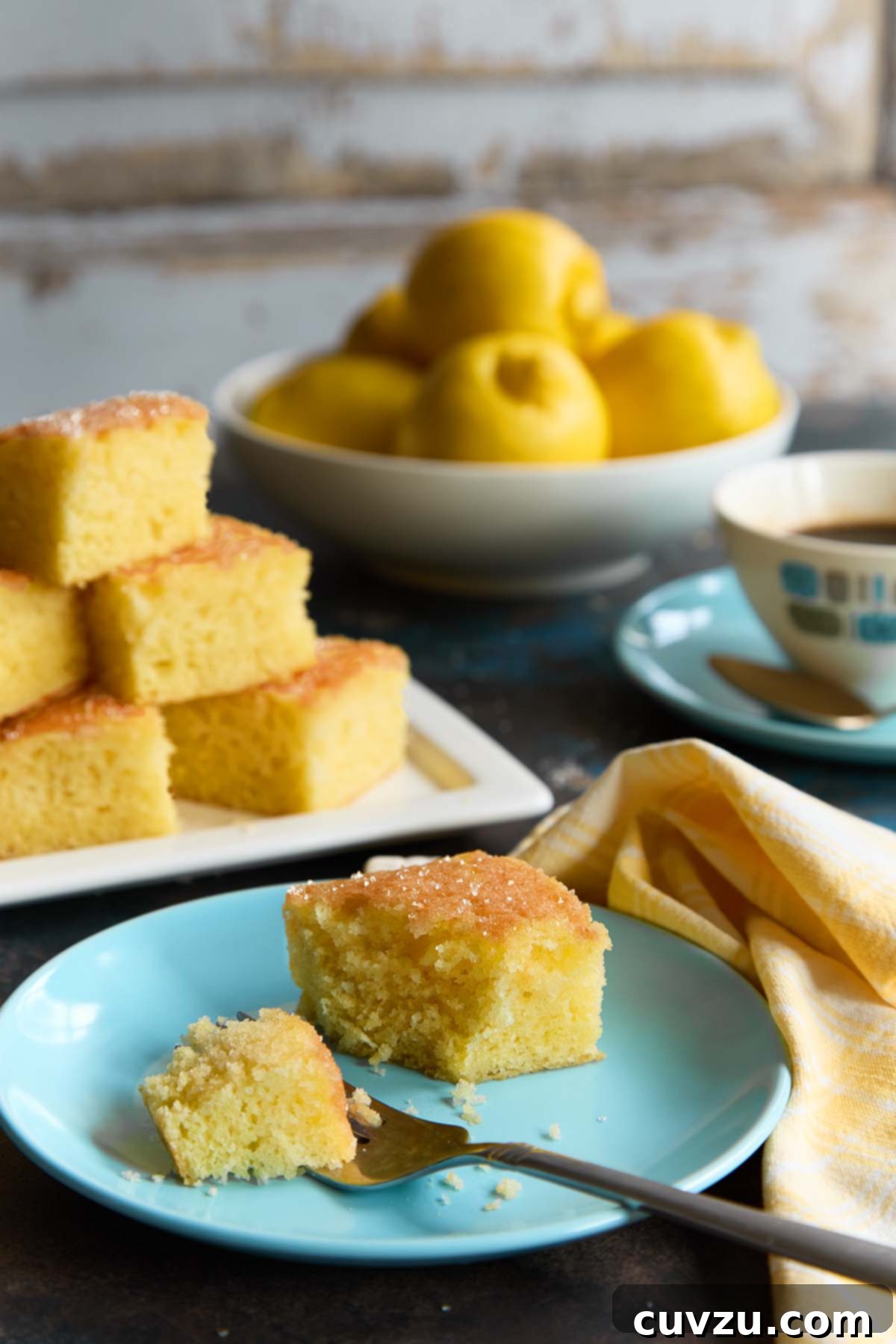
Is there anything more utterly delightful than a truly spectacular lemon drizzle cake? We think not! Imagine a slice of pure sunshine, where every tender bite delivers that perfect sweet-tart citrus zing, crowned with an irresistible crunchy, sugary topping. If you’ve been on a quest for ‘the one’ – that effortlessly reliable recipe that never disappoints, yields a consistently moist crumb, and vanishes from the plate in record time – then consider your search over. Welcome to your new favorite lemon cake obsession.
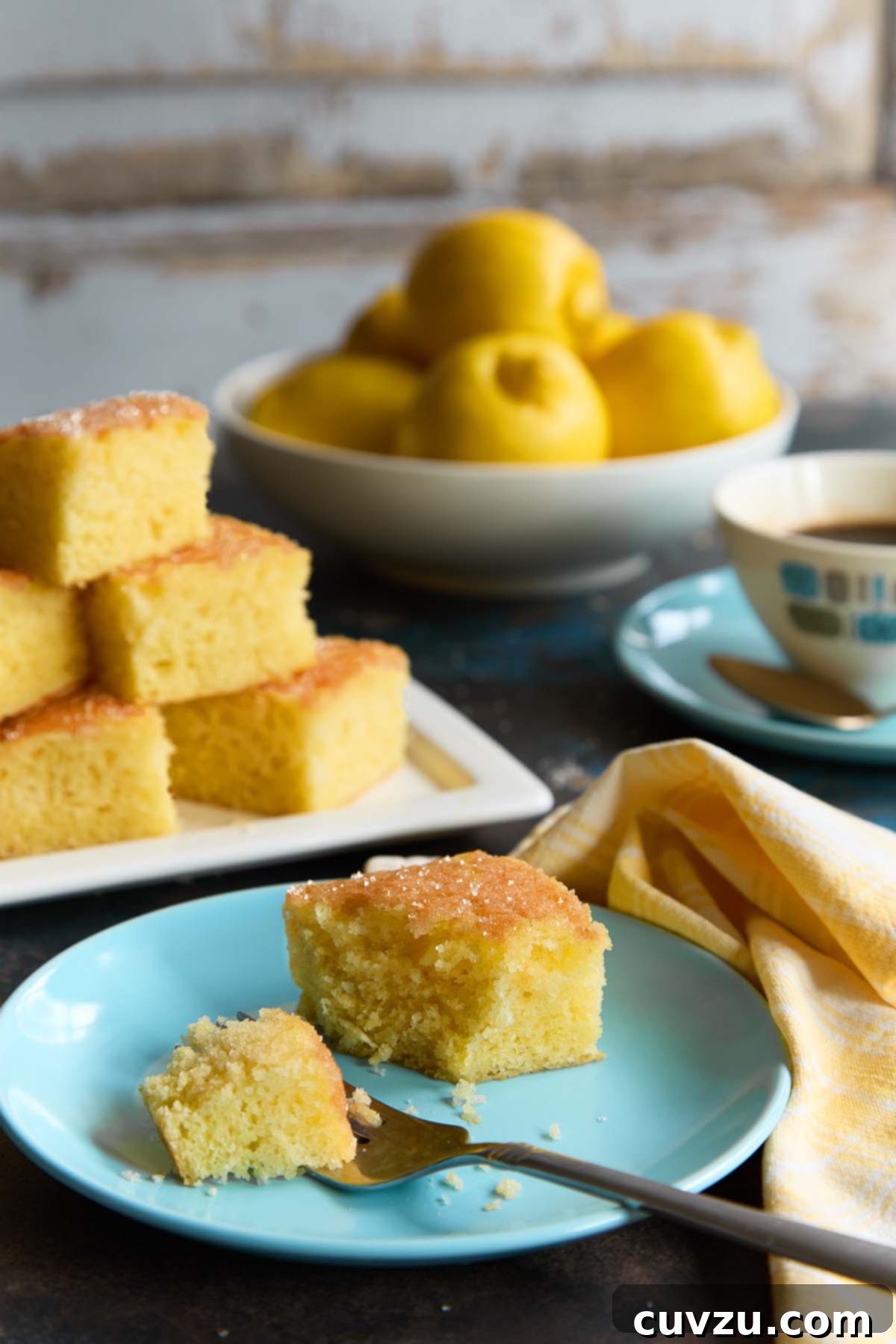
Quick Glance: Your Perfect Lemon Drizzle Cake
- What it is: A sumptuously soft and tender lemon snacking cake, crafted with delicate cake flour and creamy sour cream, then bathed in a bright, tangy lemon syrup for ultimate moisture.
- Why you’ll adore it: Boasting an intense citrus flavor, a delightful crackly sugar crust, and a crumb so moist it remains fresh and tender for days, this cake is your go-to for elegant tea times and satisfying desserts.
- How to create it: Begin by infusing sugar with lemon zest, then cream with butter, incorporate eggs and dry ingredients. Bake to golden perfection, then generously soak the warm cake in a zesty lemon syrup.
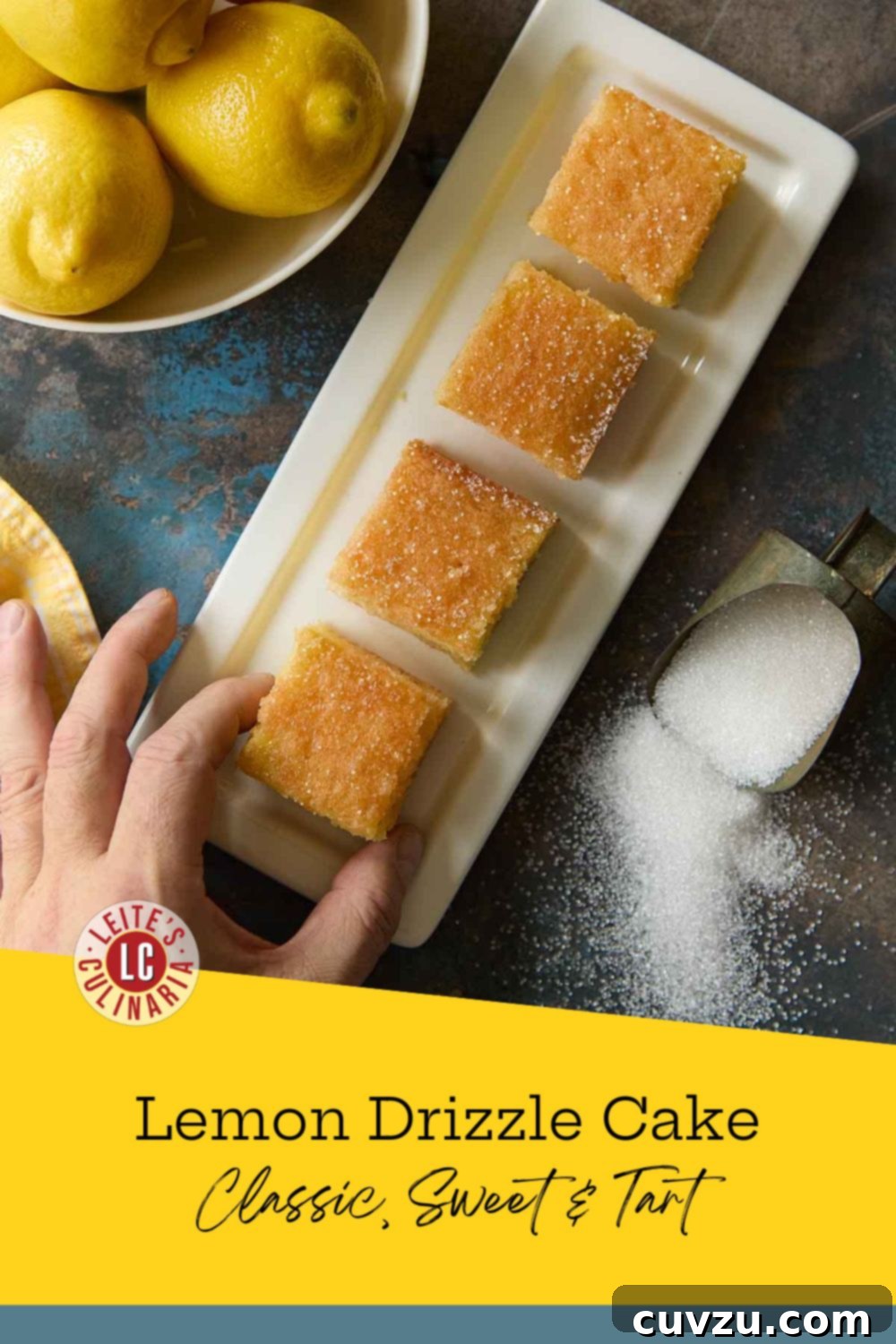
Every home baker deserves a foolproof lemon drizzle cake recipe, or a reliable lemon snacking cake, that they can pull out at a moment’s notice. It should be a cake that ripples with that quintessential sweet-tart lemon flavor and boasts a tenderness that simply melts in your mouth. After extensive testing and numerous iterations, we’re confident that this recipe not only meets but exceeds those expectations.
My journey to this ultimate lemon drizzle cake began with a popular recipe by Paul Hollywood, which once graced this very site. While promising, I soon found it to be inconsistent. Sometimes the center would stubbornly collapse, other times it would dome dramatically, creating an uneven bake. Such unpredictability simply doesn’t belong in a truly great recipe, so, regrettably, it had to go.
This led me on a dedicated quest to find a replacement. Given that lemon drizzle cake is a quintessential British treat, I naturally started by exploring numerous British recipes. However, time and again, I encountered the same frustrating result: dry, dense cakes that lacked the delicate crumb and vibrant moisture I craved. After my fifth attempt, the root of the problem became clear: the difference in flour. English plain flour typically has a lower protein content (around 9–10%) compared to U.S. all-purpose flour (10.5–12%). Furthermore, U.S. all-purpose flour tends to absorb more liquid, contributing to the dryness often found when using these traditional recipes without modification.
The Secret to a Tender Crumb: Flour and Finesse
Understanding the critical role of flour, I pivoted to cake flour, which boasts a significantly lower protein content of just 6–8%. As baking experts like King Arthur Baking confirm, this lower protein level is the key to achieving an incredibly fine, soft, and tender crumb – precisely the texture I was determined to achieve for the perfect lemon drizzle.
However, my quest wasn’t over. Many British recipes also call for self-rising flour, an ingredient that isn’t always readily available in the States and can vary in leavening potency by brand. To ensure maximum reliability and ease for home bakers everywhere, I reverse-engineered the leavening. This perfected recipe now explicitly calls for precise, separate amounts of cake flour, baking powder, and salt, eliminating any guesswork.
And that, dear bakers, made all the difference. The result is a plush, unbelievably tender, and perfectly sweet-tart cake that, in my honest and enthusiastic opinion, far surpasses every other lemon drizzle cake I tested. I genuinely hope you’ll find yourself just as captivated by its sunshiney charm!
Warmly,


Why This Recipe is a True Winner
This lemon drizzle cake embodies everything a truly exceptional tea cake should be – it’s vibrantly bright, astonishingly tender, and unapologetically bursting with lemon flavor. The masterful balance of flavor and texture is at the heart of its appeal. Our unique approach of rubbing fresh lemon zest directly into the sugar meticulously releases the lemon’s fragrant essential oils, ensuring that every single crumb is infused with glorious citrusy goodness long before the batter even touches the pan.
The strategic use of delicate cake flour is pivotal, contributing to the cake’s remarkably fine and delicate crumb. Simultaneously, a thoughtful addition of sour cream works wonders, not only enhancing moisture and richness but also lending a subtle tang that beautifully complements the sweetness, all without weighing down the cake. The delightful outcome? A plush, buttery interior that maintains its structural integrity beautifully when sliced, yet simply melts in your mouth with each bite.
But the real magic happens post-bake: a perfectly balanced tangy-sweet lemon syrup is generously poured over the still-warm cake. This allows the syrup to soak deeply into the porous crumb, locking in moisture and creating that iconic, subtly crackly sugar top. For a final flourish, a sprinkle of sanding sugar adds a charming subtle crunch and a hint of sparkle – because who doesn’t love a little extra shimmer on their slice of heaven?
Essential Ingredients: The Building Blocks of Perfection
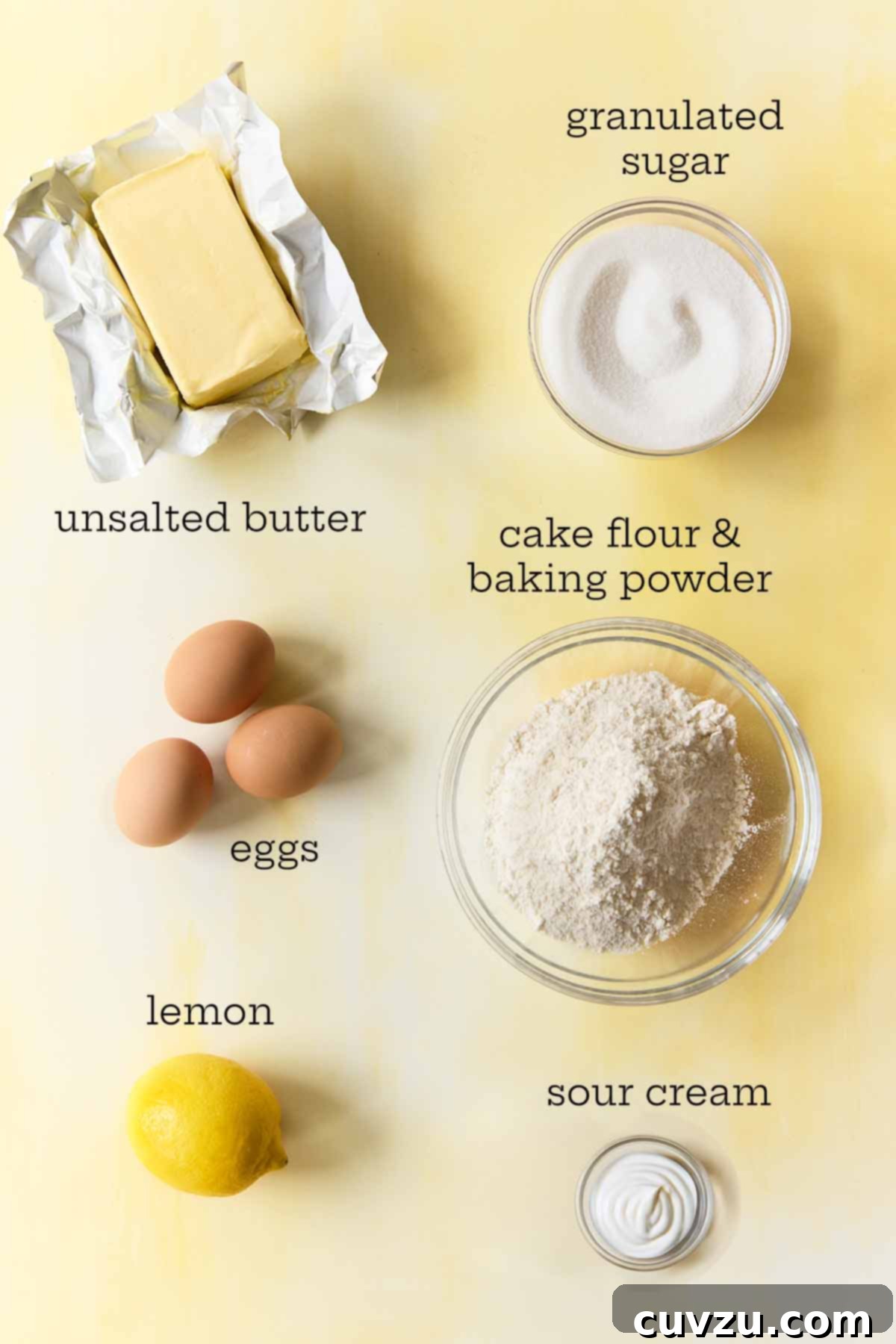
- Unsalted Butter: This is the foundation of richness and moisture in our cake, instrumental in developing its signature soft, tender crumb. It’s crucial for the butter to be fully softened to the ideal “creaming” temperature before mixing. This ensures it creams evenly with the sugar, incorporating air to create a light and airy batter that bakes up beautifully.
- Granulated Sugar: Beyond simply sweetening the cake, sugar plays a vital role in its texture and flavor. When rubbed vigorously with lemon zest, the sugar granules act as tiny abrasives, extracting and absorbing the lemon’s aromatic essential oils. This process infuses the entire cake with a bright, consistent lemon flavor that is simply unparalleled. It also forms the essential base for our tangy lemon syrup topping.
- Cake Flour and Baking Powder: The secret weapon for an exquisitely delicate and fine crumb. Cake flour, with its lower protein content, creates a softer cake than all-purpose flour. The precise amount of baking powder ensures a reliable, even rise, resulting in a beautifully light and fluffy texture. If you must use all-purpose flour, be prepared for a slightly denser and potentially drier cake, as its higher protein content will develop more gluten.
- Eggs: Large eggs, at room temperature, are key to the cake’s structure, richness, and lift. The yolks contribute moisture and flavor, while the whites provide aeration and stability. Room temperature eggs emulsify smoothly into the butter and sugar mixture, preventing curdling and ensuring a homogenous, airy batter.
- Lemon: The undisputed star of this show! Both the vibrant zest and the tangy juice are indispensable. The zest, when rubbed with sugar, provides intense aromatic compounds, while the freshly squeezed juice brings a bright, sharp acidity to both the cake and its transformative syrup. Always use fresh, unwaxed lemons for the best flavor and zest before juicing.
- Sour Cream: A small but mighty addition, sour cream is the secret to an extra-tender and moist cake. Its fat content adds richness, while its slight acidity helps activate the baking powder and breaks down gluten, contributing to a plush crumb. It also imparts a subtle tang that perfectly balances the cake’s sweetness. While whole milk can be used in a pinch, the cake’s texture won’t be quite as luxurious or moist.
Crafting Your Lemon Drizzle Masterpiece: Step-by-Step
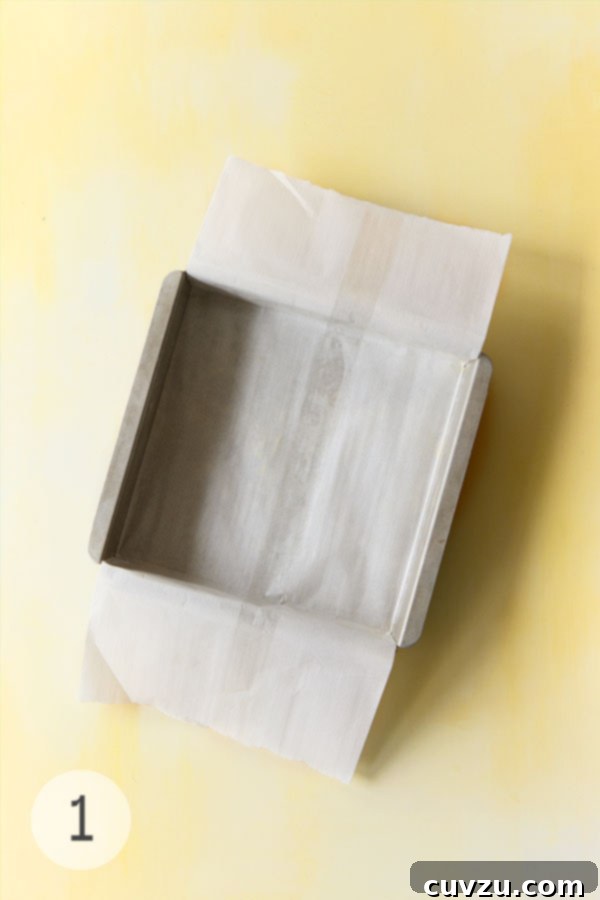
- Prepare the Pan: Begin by generously buttering an 8-inch square cake pan. Then, line it with parchment paper, ensuring you leave a slight overhang on two opposing sides. This thoughtful step creates a convenient “sling” that will allow you to effortlessly lift the delicate cake out of the pan once it’s baked and cooled, preventing any breakage.
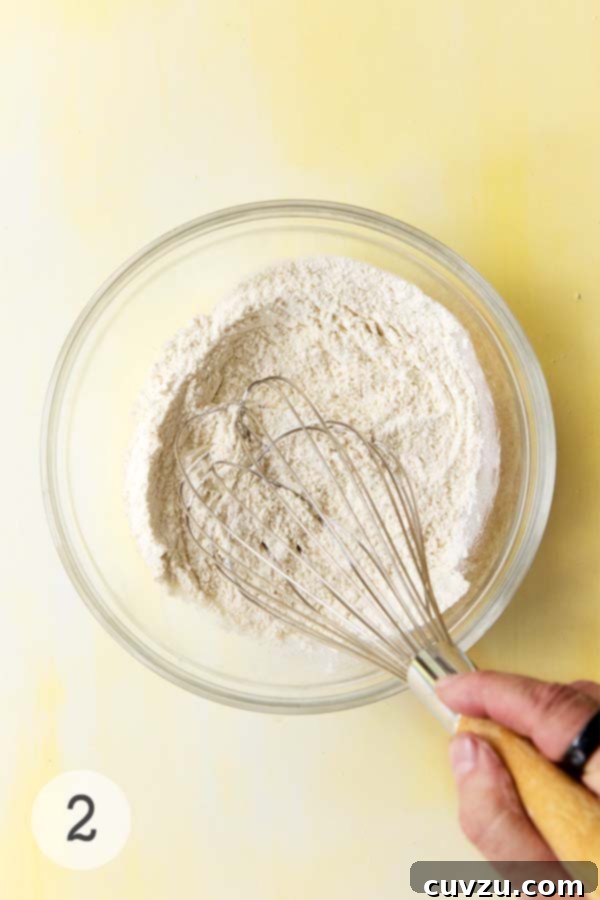
- Combine Dry Ingredients: In a medium bowl, whisk together the measured cake flour, baking powder, and salt until thoroughly combined. This crucial step ensures that the leavening agent is perfectly distributed throughout the flour mixture, leading to a consistently light, even rise and a uniform crumb in your finished cake.
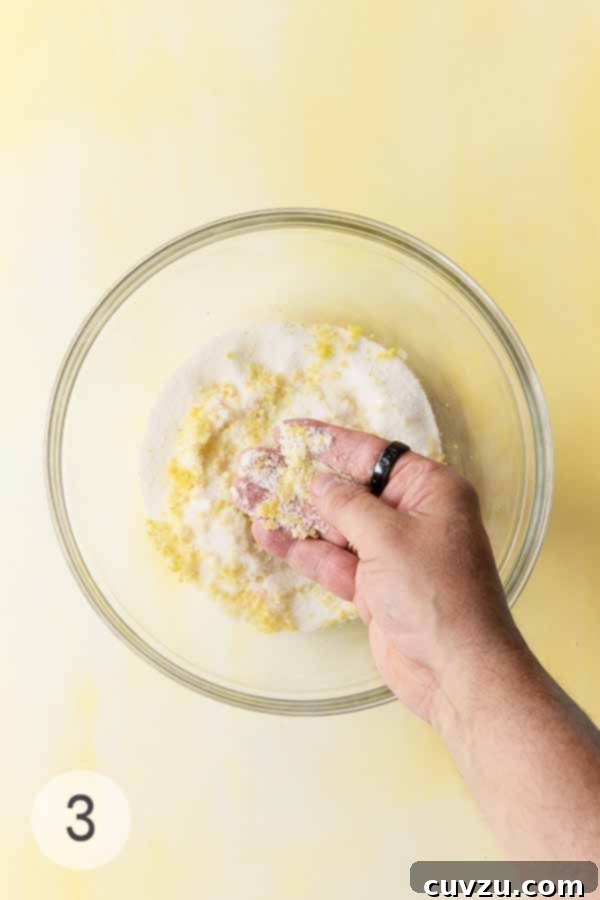
- Infuse the Sugar with Zest: In a large mixing bowl, combine the granulated sugar and lemon zest. Now, get your hands in there and rub the zest into the sugar with your fingertips for a minute or two. This action releases the lemon’s vibrant essential oils, perfuming the sugar and ensuring a deeply infused, bright citrus flavor throughout the cake. You’ll notice the sugar turning a pale yellow and becoming wonderfully fragrant.
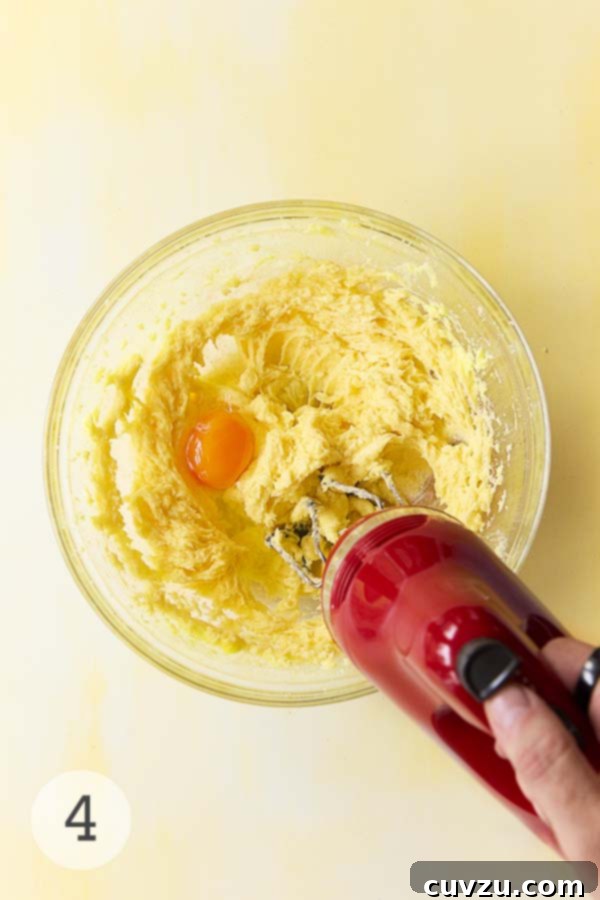
- Cream Butter and Eggs: Add the softened unsalted butter to the lemon-infused sugar mixture. Beat with an electric mixer on medium speed until the mixture is visibly lightened in color and fluffy in texture, usually about 3 to 4 minutes. This process incorporates air, essential for a tender cake. Next, beat in the large eggs, one at a time, ensuring each egg is fully incorporated before adding the next, approximately 45 seconds per egg. Scrape down the sides of the bowl after each addition to ensure everything is evenly mixed. Finally, beat in the sour cream until just combined, contributing richness and moisture.
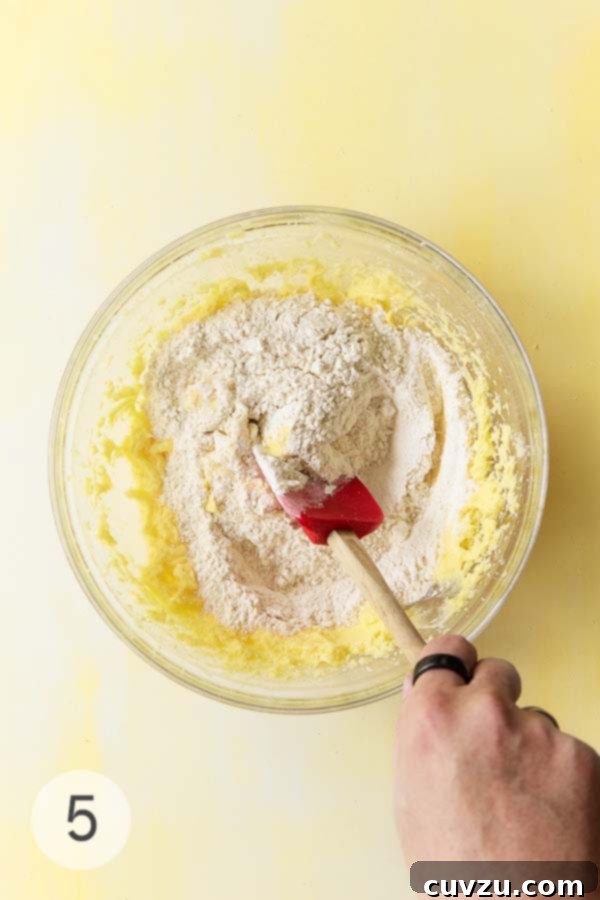
- Fold in Dry Ingredients: With a spatula, gently fold the whisked dry ingredients into the wet batter until no streaks of flour remain. The key here is to mix minimally; overmixing can develop too much gluten, resulting in a tough cake. The batter will be notably thick at this stage.
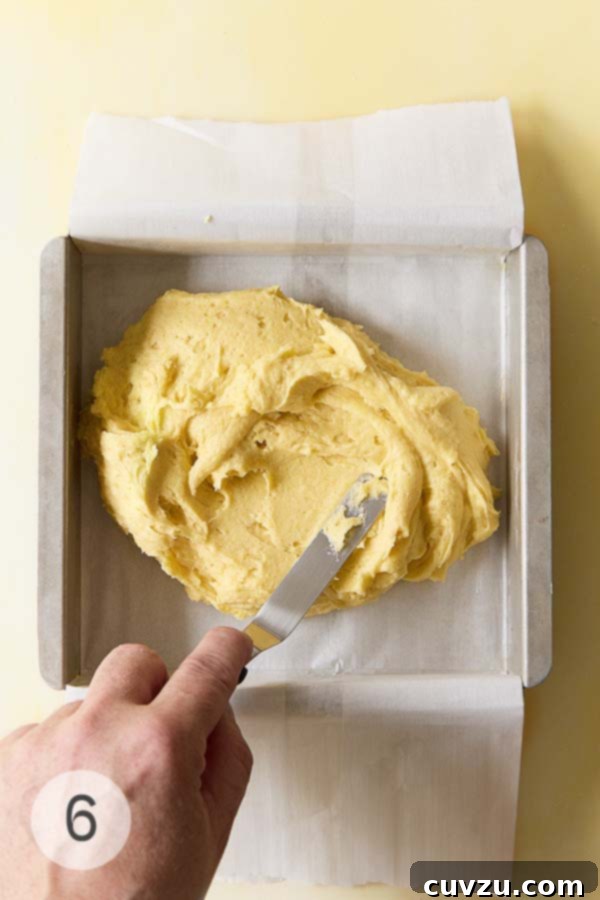
- Fill the Pan and Bake: Carefully spoon the thick batter into your prepared cake pan. Use an offset spatula or the back of a spoon to gently smooth the top surface evenly. Precision isn’t paramount, but an even layer ensures the cake bakes uniformly. Bake the lemon cake in a preheated oven until it turns a beautiful golden color, is well-risen, and a skewer inserted into the center emerges clean, typically around 25 minutes.
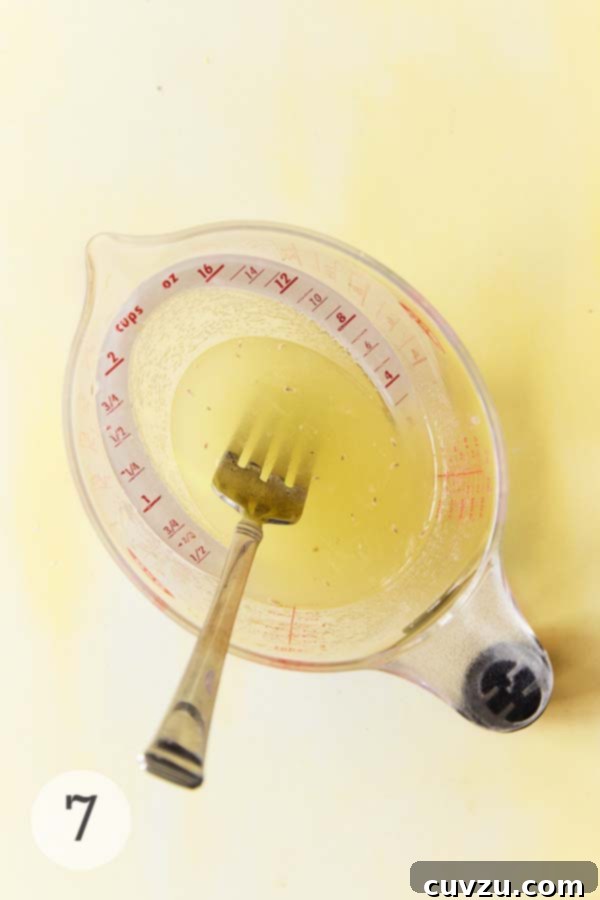
- Prepare the Drizzle: While the cake bakes, prepare the lemon drizzle. In a small measuring cup or bowl, stir together the remaining granulated sugar and the freshly squeezed lemon juice until the sugar is mostly dissolved. This simple yet powerful mixture will transform into the sweet-tart magic that permeates the warm cake, giving it its signature flavor and moist texture.
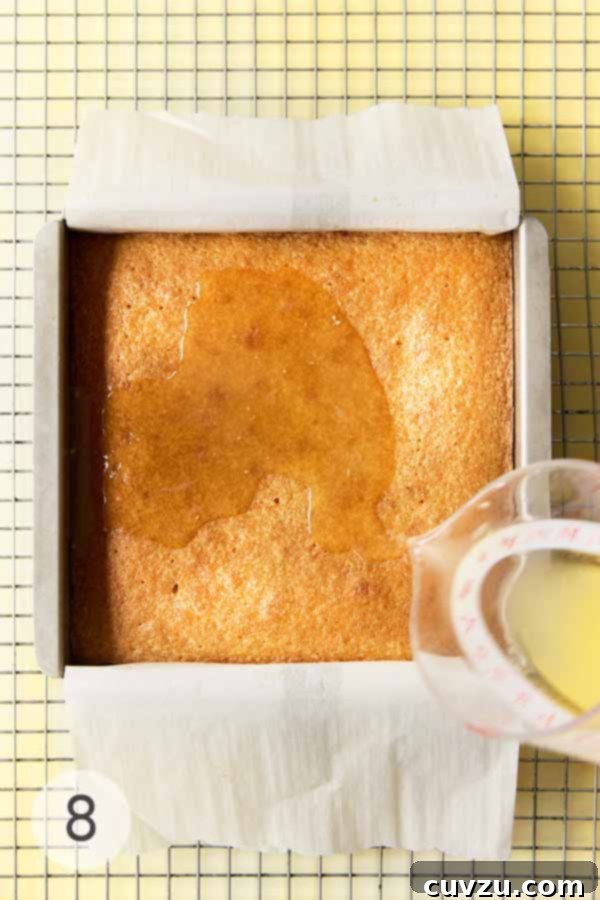
- Drizzle and Cool: Immediately upon removing the cake from the oven, transfer the pan to a wire rack. While still warm, generously prick the entire top surface of the cake all over with a skewer or a fork. Allow the cake to cool for exactly 5 minutes. After this brief rest, pour the prepared lemon syrup evenly across the entire surface of the warm cake. The warmth of the cake helps it absorb the syrup slowly and thoroughly, creating that iconic crunchy top as it cools. For an extra touch of sparkle and crunch, sprinkle 1 to 2 tablespoons of sanding sugar (or more granulated sugar) evenly over the cake. Allow the cake to cool completely in the pan before carefully lifting it out using the parchment sling. Cut into small squares to serve and enjoy!
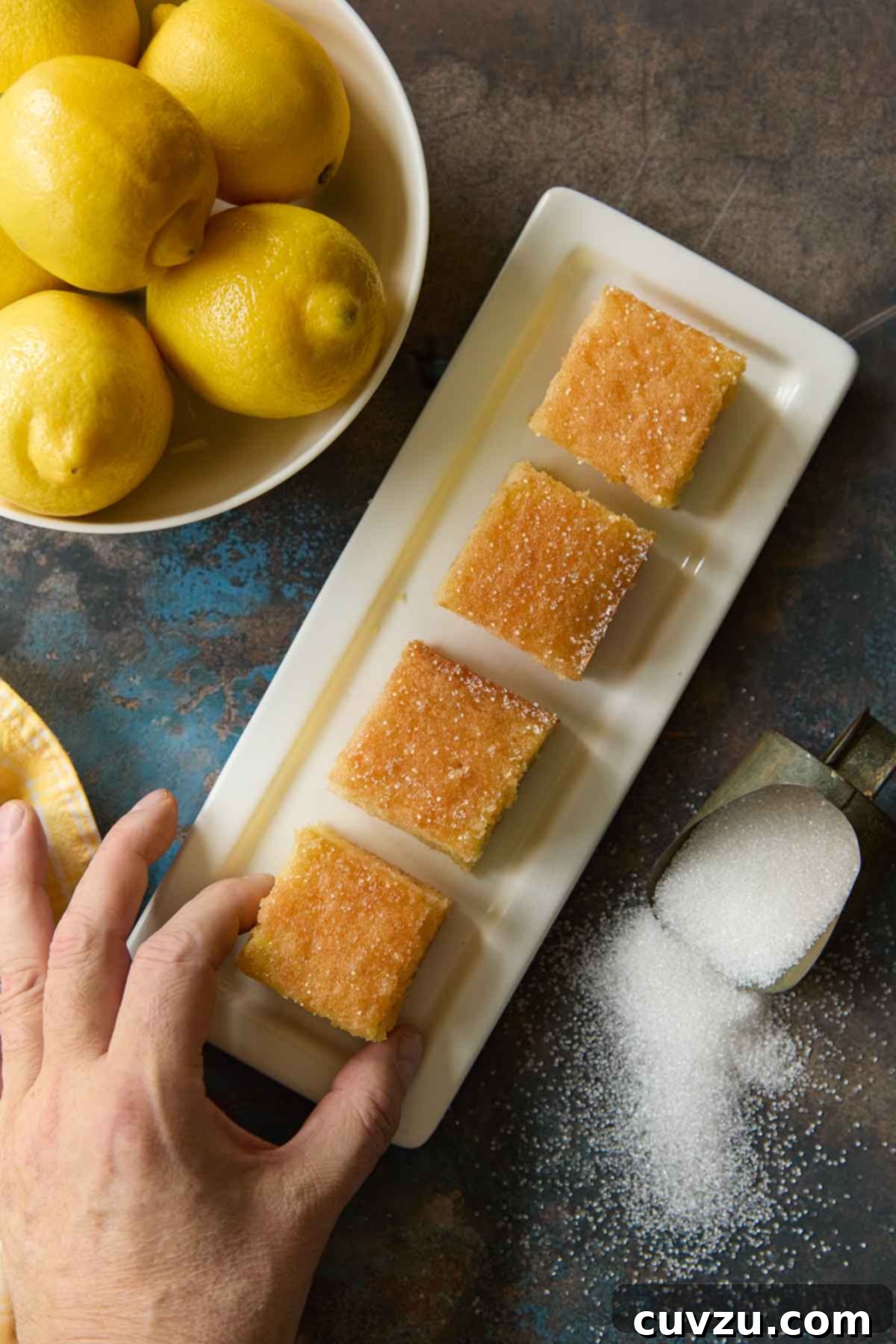
Common Questions for Lemon Drizzle Cake Perfection
While often used interchangeably in recipes, “room temperature” and “softened” butter have subtle yet crucial differences that significantly impact the outcome of your lemon drizzle cake, especially if you’re aiming for that delicate, tender crumb.
Room temperature butter typically refers to butter that has lost its refrigerator chill but still feels relatively cool to the touch. Its ideal temperature range is generally 65°F to 68°F (18°C to 20°C). At this stage, you should be able to press your finger into it and leave a clean indent, but the butter should still hold its shape without appearing shiny or greasy.
Softened butter, particularly when a recipe calls for creaming with sugar, needs to be slightly warmer for optimal results: ideally 68°F to 72°F (20°C to 22°C). This is when butter is at its most pliable and spreadable, perfectly primed for whipping in air alongside sugar, which is essential for creating a light and fluffy cake batter. The aeration achieved at this temperature contributes significantly to a cake that bakes up wonderfully airy and tender.
👉 Pro tip: If your butter feels warmer than 75°F (24°C), it’s likely too soft. It will appear shiny or greasy and won’t cream properly, potentially leading to a dense or greasy cake. The easiest test? Gently press your finger into the butter: if it leaves a clean dent and maintains its shape, you’re good to go. If it collapses or looks oily, pop it back into the refrigerator for 5 to 10 minutes to firm up slightly.
This recipe specifically calls for cake flour because it is fundamental to achieving the remarkably light, plush crumb that distinguishes this lemon drizzle cake. Cake flour has a lower protein content than standard all-purpose flour, which means it develops less gluten during mixing. Less gluten results in a softer, more tender, and delicate cake texture, preventing the cake from becoming dense or chewy.
If you only have all-purpose flour available, you can certainly use it, but be aware that the final cake will have a slightly firmer and more rustic texture. To approximate the delicate crumb of cake flour, you can create a homemade substitute: measure out 1⅓ cups (170 g) of all-purpose flour, then remove 2 tablespoons (16 g) of that flour and replace it with 2 tablespoons (16 g) of cornstarch. Sift this mixture once or twice to ensure it’s well combined and aerated. While this substitution will get you closer to the desired texture, remember that commercial cake flour is milled more finely, providing superior results.
Yes, absolutely! While it might seem like a small, extra step, rubbing the lemon zest into the granulated sugar with your fingertips is a game-changer for intensifying the cake’s lemon flavor. This technique is often referred to as “zest-infusion.” The sugar granules act like tiny scrubbers, effectively bursting the oil glands in the lemon zest. This action releases the zest’s volatile essential oils, which are then absorbed by the sugar. This ensures that the lemon essence is not merely present, but deeply infused and evenly distributed throughout the entire batter, leading to a much bolder and more aromatic lemon flavor in every bite.
Simply stirring the zest into the wet ingredients later in the process won’t yield the same profound, integrated flavor. Plus, as an added bonus, your kitchen will smell utterly divine during this step!
This particular step is absolutely critical to the very definition of a “lemon drizzle cake,” setting it apart from a simply “lemon glazed cake.” Pouring the tangy lemon syrup over the cake while it is still warm is essential because the cake’s crumb is still soft and porous. At this temperature, the cake acts like a sponge, readily soaking up the liquid. This deep absorption locks in incredible moisture and, as the cake cools, creates that distinctive, slightly tangy, and wonderfully crackly layer just beneath the surface.
If you allow the cake to cool too much before drizzling, its pores will contract, making it less receptive to the syrup. This can cause the syrup to merely sit on top, potentially running off the sides, rather than truly seeping in to moisten and flavor the interior. The ultimate goal of this technique is a cake with an incredibly moist, citrus-infused crumb and a subtly crunchy, sweet-tart top, perhaps with a delightful sparkle if you’ve added sanding sugar.
If your lemon drizzle cake turns out dry or crumbly, it’s typically due to one of three common culprits: overbaking, overmixing, or insufficient moisture management. This specific recipe is designed for a beautifully tender, plush texture, achieved through the careful balance of sour cream and delicate cake flour. However, it still requires a gentle hand during preparation and precise timing during baking. To ensure your cake remains wonderfully moist and delicate, keep these tips in mind:
🍋 Bake just until done: Always bake the cake only until a skewer inserted into the center comes out clean. Even a few minutes of overbaking can significantly dry out a cake.
🍋 Mix gently: When incorporating the dry ingredients, fold them in with a light hand, mixing only until no streaks of flour are visible. Overmixing develops gluten, which can lead to a tougher, drier crumb.
🍋 Drizzle while warm: Ensure you pour the lemon syrup over the cake while it’s still warm, as outlined in the instructions. This allows the cake to fully absorb the syrup, locking in crucial moisture. Neglecting this step or letting the cake cool too much can result in a less moist outcome.
Even one of these elements being slightly off can unfortunately transform your soft, lemony dream cake into a less-than-ideal dry or crumbly version. Attention to these details is key for success!
Pro Tips & Troubleshooting for the Perfect Bake
- Maximize Lemon Flavor with a Microplane: For the most vibrant lemon flavor, invest in a Microplane zester. Its ultra-fine blades yield incredibly delicate zest, which in turn releases more fragrant essential oils. Don’t forget to rub this fine zest into the sugar with your fingers as instructed – this step truly amplifies the citrus kick throughout the cake.
- Prevent Syrup Pooling: After the initial 5-minute cooling period post-baking (step 8), take a moment to run a thin knife around the perimeter of the cake while it’s still in the pan. This simple trick helps to release the edges slightly. When you then pour over the lemon syrup, it will soak evenly into the cake from the top and sides, rather than pooling excessively around the edges and potentially making them soggy. This ensures a consistent, moist crumb and a perfect crackly top.
- Experiment with Sugar for Texture and Flavor: While sanding sugar provides a lovely sparkly crunch, consider reaching for demerara sugar for a different, equally delightful effect. Demerara sugar, as described in The Food Lover’s Companion, is a type of raw sugar with larger, amber-colored crystals. These larger crystals provide a bolder, more substantial crunch and introduce subtle molasses undertones that beautifully complement the bright lemon flavor. Alternatively, a few elegant curls of homemade candied lemon or orange peel can add both visual flair and an extra layer of citrusy sweetness.
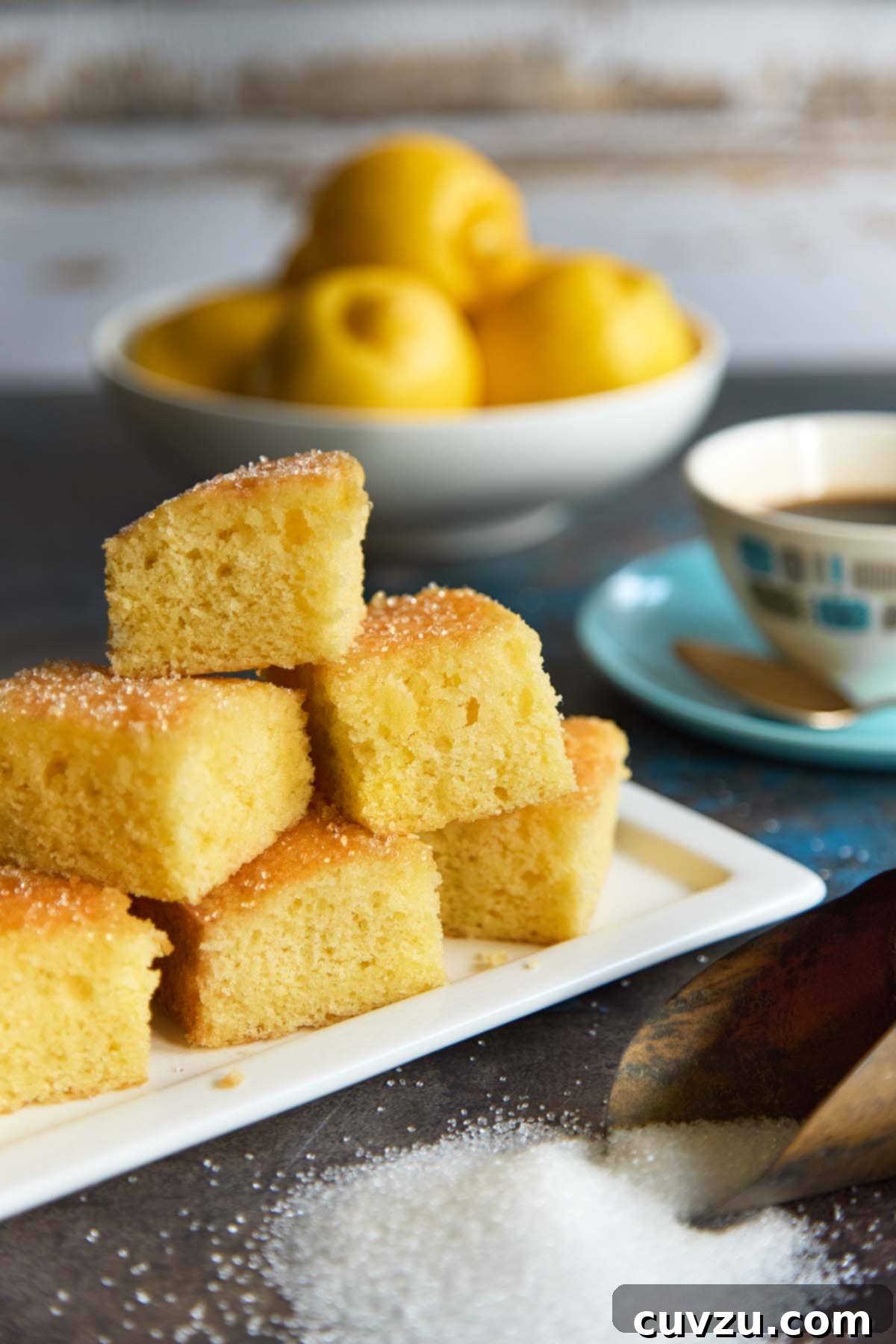
Serving Your Sunny Lemon Drizzle Cake
This exquisite lemon snacking cake is utterly delightful on its own, but it also welcomes a touch of accompaniment to elevate the experience. For a simple yet elegant presentation, serve it alongside a dollop of freshly whipped cream or a handful of vibrant fresh berries, such as raspberries or blueberries. A delicate drizzle of raspberry coulis would introduce a beautiful tart contrast and a splash of color. For an extra touch of sophistication and fresh aroma, garnish with a fresh mint sprig. And for a truly impressive flair, consider adding a few intricate curls of homemade candied lemon or orange peel – a showstopper! Boo-yah!
Storage & Reheating for Lingering Lemon Joy
Room Temperature Storage
If, by some miracle, you find yourself with any leftovers of this irresistible cake (and we’ll be thoroughly impressed if you do!), storing them properly is key to maintaining freshness. Simply place the cooled cake in an airtight container and keep it at room temperature. It will remain wonderfully moist and delicious for up to 3 days, perfect for enjoying a slice with your morning coffee or afternoon tea.
Freezing for Future Indulgence
Planning ahead or want to save some sunshine for a rainy day? This lemon drizzle cake freezes beautifully! For best results, allow the baked cake to cool completely – but here’s a crucial tip: do NOT pour the lemon drizzle syrup over it before freezing. Once thoroughly cooled, wrap the cake tightly in plastic wrap, then an additional layer of aluminum foil. Label and freeze for up to 2 months. When you’re ready to enjoy, simply thaw the cake overnight on your kitchen counter, like any civilized person would!
Reheating for a Freshly Baked Experience
To bring your frozen or refrigerated cake back to life, achieving that “just baked” warmth and aroma, preheat your oven to 325°F (160°C). Reheat the cake for 10 to 15 minutes, just until it’s warmed through and your kitchen begins to fill with that delightful freshly baked lemon scent once more. Then, and this is the vital part, poke it all over with a skewer or fork and pour over a freshly made batch of warm lemon syrup. Voilà! Your cake is revived, rehydrated, and ready to wow again with its renewed moisture and vibrant flavor.
Explore More Sweet-Tart Lemon Cake Recipes
Made This Lemon Drizzle Cake?
Share Your Experience!
If you’ve taken on the delightful task of baking this lemon drizzle cake, I’m genuinely eager to hear your thoughts! Please consider leaving a review, a star rating, and even sharing your best cake photo. Did that signature crunchy lemon topping hit all the right notes for you? Was the tartness perfectly balanced? I personally read every comment, as your valuable feedback not only helps fellow bakers but also guides me in continually refining our recipes. – David
This is a wonderful drizzle cake recipe. I tried it a week ago, and my family really loved it.
vigilon
Lemon Drizzle Cake
David Leite
Equipment
-
8-inch square cake pan
-
Parchment paper
Ingredients
For the cake
- ¾ cup (12 tablespoons) unsalted butter, softened, plus more for the pan
- 1 cup granulated sugar
- 2 tablespoons lemon zest, from 2 lemons
- 3 large eggs
- 2 tablespoons sour cream, or whole milk
- 1 ⅓ cups cake flour
- 2 teaspoons baking powder
- ½ teaspoon table salt
For the lemony topping
- 4 tablespoons granulated sugar
- freshly squeezed juice of 1 lemon, (3 tablespoons [45 ml])
- sanding sugar, (optional), for decorating
Instructions
Make the lemon cake
-
Preheat your oven to 350°F (175°C). Butter an 8-inch square cake pan and line it with parchment paper, leaving a slight overhang on two sides to create a convenient lifting sling.
-
In a large bowl, combine the 1 cup granulated sugar and 2 tablespoons lemon zest. Use your fingertips to rub the zest into the sugar vigorously until the sugar is wonderfully fragrant and has absorbed the lemon oils, turning a pale yellow.
-
Add the ¾ cup (12 tablespoons) unsalted butter (softened to the ideal temperature, see FAQ). Beat with a hand mixer on medium speed for approximately 3 to 4 minutes, until the mixture becomes light, fluffy, and significantly paler in color. This step is crucial for incorporating air into the batter.
-
One at a time, beat in the 3 large eggs, ensuring each egg is fully combined into the batter before adding the next, about 45 seconds per egg. Scrape down the sides and bottom of the bowl frequently after each addition to ensure a homogenous mixture. Finally, beat in the 2 tablespoons sour cream until just combined.
-
In a separate bowl, whisk together the 1 ⅓ cups cake flour, 2 teaspoons baking powder, and ½ teaspoon table salt. Gently fold these dry ingredients into the wet butter-sugar mixture using a spatula, mixing just until no streaks of flour are visible. Be careful not to overmix, as this can lead to a tough cake. The batter will be quite thick.
-
Spoon the thick batter into your prepared cake pan. Use an offset spatula or the back of a spoon to gently spread and smooth the top evenly.
-
Bake the lemon cake for approximately 25 minutes, or until it is beautifully golden, well-risen, and a skewer inserted into the center comes out clean, indicating it’s fully cooked.
-
Immediately transfer the pan to a wire rack. While the cake is still warm, generously prick the entire top surface all over with a skewer or the tines of a fork. This creates channels for the drizzle. Allow the cake to cool for exactly 5 minutes.
Add the lemon-crunch topping
-
In a small bowl or measuring cup, stir the 4 tablespoons granulated sugar into the freshly squeezed juice of 1 lemon until the sugar is mostly dissolved. After the 5-minute rest, run a knife around the cake edges, then pour this lemon syrup evenly over the warm cake.
-
For a delightful sparkly and slightly crunchy finish, sprinkle 1 to 2 tablespoons of sanding sugar (or additional granulated sugar) evenly over the surface of the cake. Allow the cake to cool completely in the pan on the wire rack. Once fully cooled, use the parchment sling to carefully lift the cake out of the pan. Cut into small squares for serving. Enjoy your perfect lemon drizzle!
☞ TESTER TIP: For optimal freshness, store the cooled cake in an airtight container at room temperature for up to 3 days.
Notes
- Boost lemon flavor with microplaned zest: To achieve the most intense lemon flavor, use a Microplane zester for your lemons. This tool creates finer zest that releases more aromatic oils. Remember to rub this delicate zest into the sugar with your fingers as instructed; this crucial step deeply infuses the sugar and, subsequently, the entire cake with vibrant citrus.
- Avoid soggy edges: A helpful trick to ensure even syrup absorption and prevent soggy edges is to gently run a thin knife around the perimeter of the cake after its 5-minute rest (as described in step 8). This slightly loosens the cake from the pan, allowing the lemon syrup to soak into the top and sides more uniformly, rather than pooling excessively at the edges.
- Swap your sugar for extra crunch: For a delightful textural variation and a deeper flavor profile, consider using demerara sugar instead of sanding sugar for your final sprinkle. Demerara sugar, with its larger, amber crystals, offers a more pronounced crunch and introduces subtle, appealing molasses notes that beautifully complement the tart lemon. Alternatively, for an elegant touch, garnish your slices with a few delicate curls of candied lemon or orange peel.
- Dress it up for company: While utterly delicious on its own, this lemon drizzle cake can be elegantly dressed up for entertaining. Serve individual slices with a dollop of freshly whipped cream, a scattering of colorful fresh berries (such as raspberries or blueberries), or a vibrant drizzle of raspberry coulis. A fresh mint sprig on the side adds a touch of gourmet flair – a true chef’s kiss!

An LC Original
View More Original Recipes
Explore More with AI
Nutrition
Nutrition information is automatically calculated, so should only be used as an approximation.
Recipe Testers’ Reviews: Real Feedback from Real Bakers
Terri Lyons
This straightforward lemon snack cake, with its minimal ingredients, truly delivers on moisture. My husband is a devoted lemon enthusiast, so his opinion on anything lemony is always paramount. He absolutely adored this cake and found himself constantly returning for more slices, which is the ultimate seal of approval!
Following the instructions meticulously, I creamed the sugar and butter for a full 4 minutes, ensuring it was perfectly light and fluffy. I then added the eggs one at a time, beating for 1 minute after each addition and diligently scraping down the bowl as directed. For the zest, I conveniently used 1 tablespoon of lemon zest I keep frozen, which worked perfectly.
The batter was quite thick, requiring a little gentle coaxing to spread evenly into the corners of the pan. Once baked, the parchment sling proved invaluable, making it incredibly easy to lift the delicate cake out without any fuss. My cake was beautifully golden brown, had a lovely springy top, and baked perfectly in 24 minutes.
I allowed the cake to cool for just a couple of minutes before drizzling with the lemon syrup. The combination of the zest baked into the cake and the tangy lemon drizzle on top created a perfectly balanced lemony explosion. While this cake is truly at its best when eaten the day it’s baked, I did notice it became a little denser and slightly less moist on the second day. However, a quick pop in the microwave for a few seconds brought it right back to its original tender glory!
Elsa M. Jacobson
Mmm…a lemon dessert that transcends the ubiquitous, albeit delicious, lemon bar. This recipe will undoubtedly become a cherished and user-friendly addition to my dessert repertoire. Its appeal lies in several key factors: it’s refreshingly uncomplicated to prepare, boasts a beautiful, authentic lemon flavor, and surprises with a wonderfully fine and unique texture. Furthermore, it’s a versatile dessert that will complement various cuisines throughout the year and, crucially for busy schedules, it keeps exceptionally well, offering the lovely advantage of being made in advance for seamless meal planning.
I experimented with the lemon drizzle cake in two different ways, and both proved successful. For my first test, I completed the entire cake, including the drizzle, and then stored it in the fridge. It was perfectly fine when brought out to serve. However, my second method yielded even better results, adopting a brilliant suggestion from Renee in the comments: bake the cake, then freeze it *before* drizzling. I then thawed the cake overnight and added the drizzle right before serving. This approach perfectly preserved the crisp, sugary crust on top, which I found to be a truly perfect counterpoint to the clean, intensely lemony flavor of the cake.
My friend Douglas, upon tasting, enthusiastically commented that his favorite part of the cake was the sugary crunch on top, though he also made sure to note how much he enjoyed its light and refreshing taste. I personally appreciated the cake’s elegant and understated presentation. Another friend suggested it would be further enhanced by a dollop of whipped cream, even going so far as to recommend a delicate sprinkle of cinnamon atop the whipped cream for an intriguing flavor twist.
A Quick Heads-Up (Updated April 2025): This beloved recipe has undergone a complete makeover! I’ve thoroughly updated my lemon drizzle cake from the original 2010 post, as I am far more delighted with this new, improved version. You might still notice some older comments below; I’ve kept the ones that continue to capture the general love for a truly great lemon drizzle, even if they were posted before this specific recipe update!