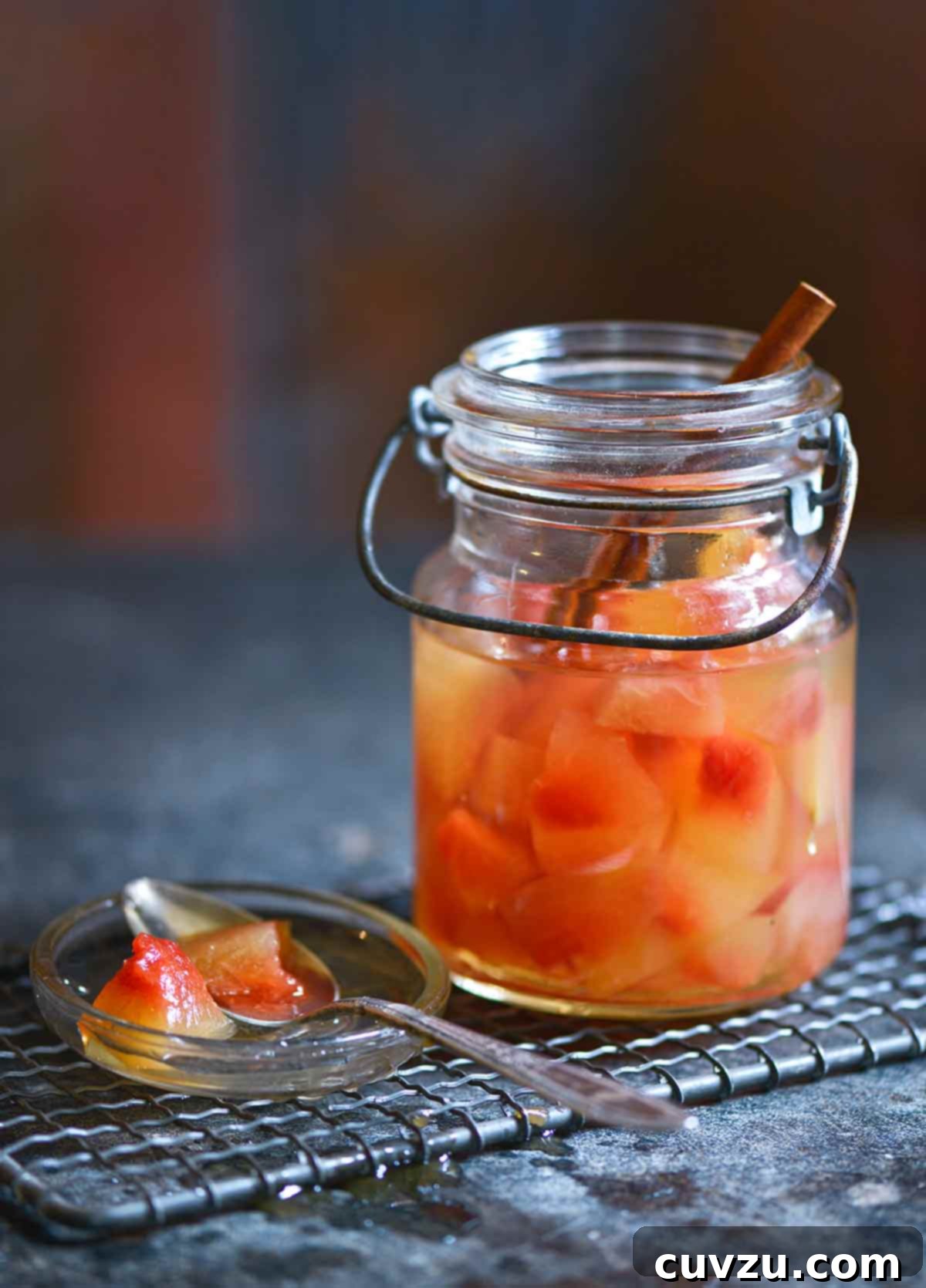
The Ultimate Guide to Pickled Watermelon Rind: A Sweet and Tangy Southern Delicacy
Step into the rich culinary heritage of the American South with a recipe that transforms a humble fruit into an unforgettable treat. Pickled watermelon rinds are more than just a preserve; they are a crisp, sweet, and tangy revelation that embodies the spirit of summer. This comprehensive guide will walk you through creating your own batch of this enticing Southern classic, ensuring zero food waste and a delightful addition to your pantry.
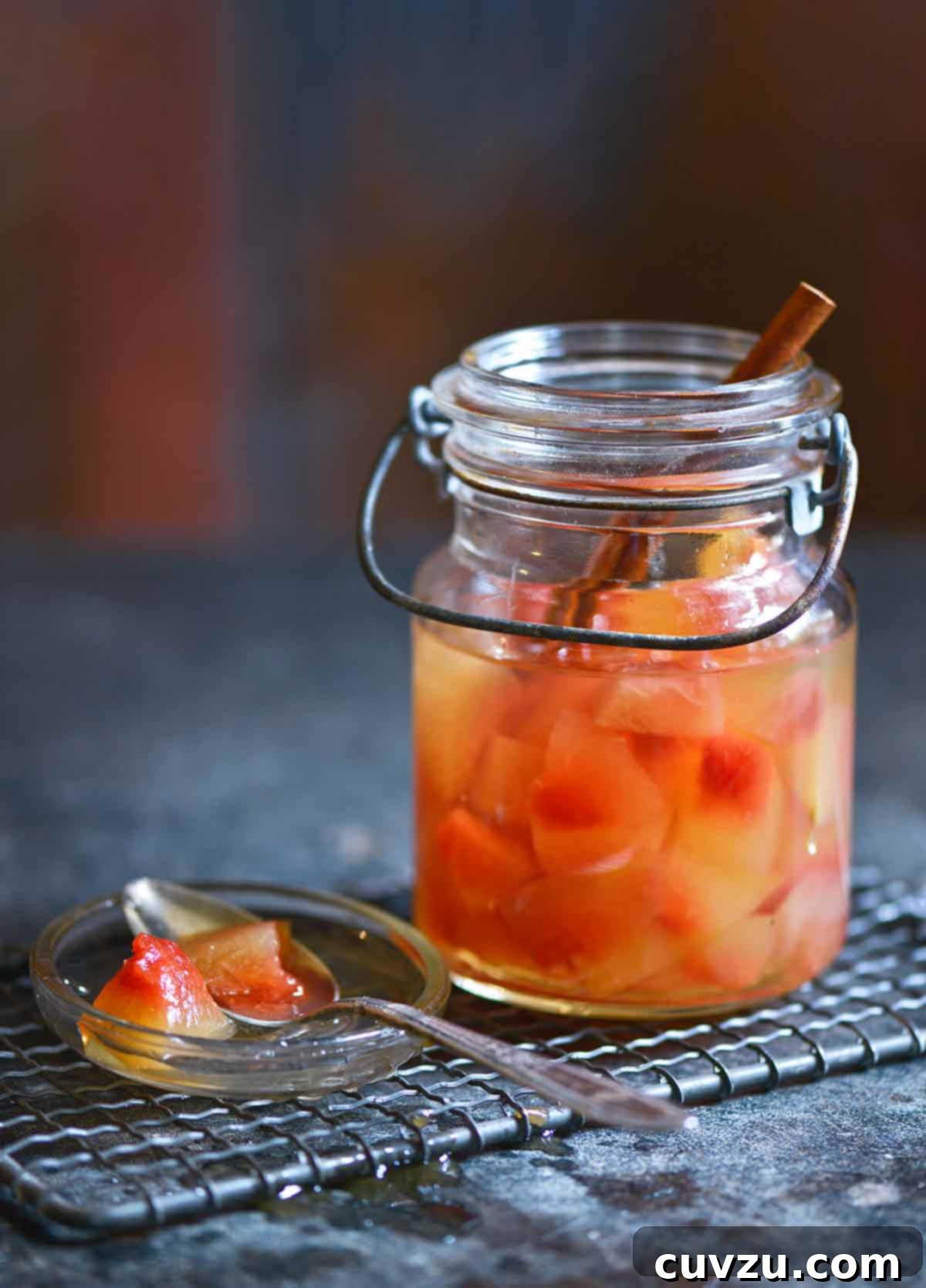
As Angie Zoobkoff aptly puts it, “This watermelon pickle recipe makes a sweet and tangy treat that’ll remind you long after the season is gone. It’s also a nifty way to ensure zero food waste solution, so you can feel even better this summer and beyond while enjoying the, er, fruits of your labor.” This sentiment perfectly captures the essence of this recipe: a delicious indulgence that’s also mindful of sustainability and celebrating every part of the harvest.
Why Pickle Watermelon Rind? More Than Just a Treat
Beyond its irresistible flavor and delightful texture, pickling watermelon rind offers several compelling benefits that make it a worthwhile kitchen endeavor. Firstly, it’s a brilliant strategy for achieving truly zero-waste cooking. Instead of discarding the robust and often-overlooked rind, you transform it into a culinary treasure, maximizing the value of each watermelon. This not only significantly reduces kitchen waste but also stretches your food budget further.
Secondly, the unique texture of pickled watermelon rind sets it apart from other preserves. It retains a delightful crispness, offering a satisfying bite that holds up beautifully in the sweet and tangy brine. This makes it an incredibly versatile ingredient, whether served as a standalone snack or incorporated into more complex dishes. And of course, the taste profile—a harmonious blend of sweet, sour, and warm, aromatic spices—is simply captivating. It’s a flavor that evokes summer memories and provides a refreshing counterpoint to richer meals, making it a staple in Southern kitchens for generations.
Frequently Asked Questions About Pickled Watermelon Rind
How Can I Adjust the Recipe Yield for Pickled Watermelon Rind?
One of the great advantages of this recipe is its incredible adaptability, allowing you to easily scale it up or down to match your specific needs. Whether you’re planning to prepare a large batch for holiday gifting or desire a smaller quantity for personal enjoyment, adjusting the recipe is straightforward.
The key is to maintain the correct proportions relative to the amount of watermelon rind. For every pound of prepared watermelon rind you use, simply apply the following consistent ratio for your pickling brine and spices:
- Granulated Sugar: 1 1/4 cups
- Apple Cider Vinegar: 1 cup
- Whole Cloves: 3/4 teaspoon
- Whole Allspice: 1/2 teaspoon
- Cinnamon Stick: Add 1/2 cinnamon stick to each 1/2 pint (250-ml) jar if you plan to can the pickles.
This flexible ratio empowers you to confidently prepare anywhere from a single half-pint jar to a bountiful supply, ensuring you always have the perfect amount of delicious pickled rinds for any occasion.
Essential Tips for First-Time Canners
Venturing into canning for the first time might seem a little daunting, but by following a few crucial guidelines, you can ensure a safe and successful outcome. The cornerstones of effective food preservation are paramount: safety and meticulous hygiene. Begin by ensuring your entire workspace is immaculately clean and completely free of any unnecessary clutter. Every jar and lid must be thoroughly sterilized; this step is absolutely non-negotiable for preventing spoilage and ensuring the longevity of your preserves. You can achieve sterilization by boiling jars in water for a minimum of 10 minutes, or by running them through a high-temperature cycle in your dishwasher.
Preparation is key. Before you even start cooking, gather all the necessary tools and arrange them within easy reach. This includes essential items like jar lifters, a wide-mouth funnel, ladles, extra dishtowels, and oven mitts. An organized setup significantly reduces stress and helps prevent accidents during the hot and fast-paced canning process. When filling your sterilized jars, always adhere strictly to the recommended headspace, which is crucial for establishing a proper vacuum seal. Finally, follow the water bath canning instructions precisely, paying close attention to recommended processing times and temperatures. These measures are vital for destroying potential bacteria, ensuring a reliable vacuum seal, and guaranteeing the long-term shelf stability of your homemade pickled watermelon rinds.
How Long Does Pickled Watermelon Rind Last?
When properly prepared and stored, unopened jars of pickled watermelon rind boast an impressive shelf life, allowing you to enjoy the taste of summer for many months. To maintain their peak quality, store the sealed jars in a cool, dark pantry, cellar, or cupboard. Under these optimal conditions, unopened pickled watermelon rind will retain its delicious flavor and crisp texture for up to 12 months.
Once you’ve broken the seal and opened a jar, it’s essential to transfer any remaining contents to the refrigerator. For the best flavor, texture, and food safety, it is recommended to consume the opened pickled rinds within one month. Always ensure the rinds are submerged in their brine when stored in the fridge to prevent drying out and maintain quality.
Creative Ways to Use Watermelon Flesh
When preparing pickled rinds, you’ll be left with plenty of delicious watermelon flesh. Don’t let this juicy fruit go to waste! Beyond simply enjoying it fresh, there are countless delightful ways to incorporate watermelon flesh into other culinary creations, celebrating its refreshing sweetness:
- Refreshing Beverages: Blend the watermelon flesh into vibrant concoctions like watermelon lemonade, smoothies, or even adult cocktails for a truly summery and hydrating twist.
- Chilled Desserts: Transform it into a silky, vibrant watermelon sorbet or freeze chunks to use as healthy, icy snacks, or as flavorful ice cubes in your drinks.
- Savory Salads: Cube the watermelon and add it to innovative salads. It pairs beautifully with ingredients like crumbled feta cheese, fresh mint, thinly sliced red onion, and a drizzle of balsamic glaze, offering a fantastic sweet-and-savory contrast.
- Grilled Delights: A surprisingly delicious option! Grilling watermelon caramelizes its natural sugars, creating a unique smoky sweetness that makes it an excellent side dish or an intriguing appetizer when paired with savory elements.
- Spicy Watermelon Salsa: Finely dice the flesh and combine it with minced jalapeños, red onion, fresh cilantro, and a squeeze of lime juice for a refreshing salsa that’s perfect as a topping for grilled fish, chicken, or tacos.
- Gazpacho Enhancement: Add a sweet, cooling element to a traditional tomato gazpacho by blending in some fresh watermelon, creating a unique and refreshing soup.
The Classic Pickled Watermelon Rind Recipe
This traditional recipe yields perfectly crisp, sweet, and tangy pickled watermelon rinds, a true testament to Southern culinary ingenuity. Prepare to impress your family and friends with this unique preserve, crafted with care and steeped in flavor.
Pickled Watermelon Rind
A timeless Southern recipe for crisp, sweet, and tangy pickled watermelon rinds that will become a year-round favorite. This recipe has been highly rated by 14 users, averaging 5 out of 5 stars.
Recipe by: David Leite
Equipment You’ll Need
- 10 to 14 half-pint (250-ml) jars and lids
- Large stainless-steel bowl
- Colander
- 6-quart (5.7-liter) or larger stockpot
- Small piece of cheesecloth
- Wide-mouth funnel
- Jar lifter
- Water bath canner (optional, but highly recommended for safe processing)
- Clean dishtowels and oven mitts
Ingredients for Pickled Watermelon Rind
- 4 pounds watermelon rind (from approximately one large watermelon)
- 5 cups granulated sugar
- 4 cups apple cider vinegar
- 1 tablespoon whole cloves (where to buy)
- 2 teaspoons whole allspice (where to buy)
- 7 cinnamon sticks, broken in half
Step-by-Step Instructions
- Prepare the Rind: Begin by thoroughly cleaning your watermelon rind. Using a vegetable peeler or a sharp paring knife, carefully remove the dark green outer skin from the watermelon rind and discard it. Next, cut the white rind into uniform 1 1/2-inch (4-cm) strips or cubes. For an appealing visual touch, you can opt to leave a thin, delicate layer of pink watermelon flesh attached to each piece. Place all the prepared rinds in a large stainless-steel bowl and add enough cold water to completely cover them. Allow the rinds to soak overnight, ideally in the refrigerator, which helps to firm up their texture.
- Blanch the Rind: The following day, drain the soaked rind thoroughly using a colander set over the sink. Transfer the drained rind to a large (6-quart or 5.7-liter or larger) stockpot. Add enough fresh water to ensure the rind is fully covered. Bring this water to a slow simmer over medium heat and cook the rind until it becomes tender, yet still retains a pleasing crispness. This process should take approximately 15 to 20 minutes. Once tender, drain the blanched rind again in the same colander and immediately rinse it with cold water. This step is crucial for halting the cooking process and preserving the desired texture.
- Simmer in Brine: To infuse the pickles with their signature spice, create a small spice pouch. Gather the whole cloves and allspice in the center of a small piece of cheesecloth and tie it securely to form a sachet. Return the blanched watermelon rind to the large stockpot. Add the granulated sugar, apple cider vinegar, and the prepared spice pouch to the pot. Bring this mixture to a gentle simmer over medium heat. Continue to cook slowly until the watermelon rind pieces begin to appear translucent, which typically takes about 10 minutes. It’s important not to overcook the rind at this stage, as it will undergo additional cooking during the hot-water bath canning process. Once translucent, carefully remove and discard the spice pouch from the pot.
- Jar and Process: Prepare 14 sterilized half-pint (250-ml) jars by placing one half of a cinnamon stick into each. Using a wide-mouth funnel and a ladle, carefully transfer the hot watermelon rind into the prepared jars. Ensure that both the rind pieces and the flavorful, hot brine are evenly distributed among the jars, leaving a precise 1/4-inch (6-mm) headspace from the rim of each jar. Using a clean, damp cloth, meticulously wipe the rims of the jars to ensure they are free of any food residue, which is vital for a perfect seal. Place sterilized lids and screw bands on the jars and tighten them fingertip-tight. Carefully process the filled jars in a boiling hot water bath for 10 minutes. (For comprehensive and safe water bath canning instructions, please consult a reputable canning guide.)
- Cure and Store: After the processing time is complete, carefully remove the jars from the hot water bath using a jar lifter and place them on a clean wire rack to cool completely, undisturbed, for 12 to 24 hours. During this period, you should hear the satisfying “ping!” as the lids seal. Once cooled, check all jars for a proper seal; the lids should be concave and not flex when pressed in the center. Store the sealed jars of pickled watermelon rind in a cool, dark place for at least 3 months before consuming. This essential curing period allows the robust flavors to meld, deepen, and fully develop, resulting in a truly superior pickle.
Recipe Adapted From

The Vermont Country Store Cookbook
Buy On Amazon
Nutrition Information (Approximate per Serving)
- Serving: 1 portion
- Calories: 24 kcal
- Carbohydrates: 6 g
- Protein: 1 g
- Fat: 1 g
- Saturated Fat: 1 g
- Monounsaturated Fat: 1 g
- Sodium: 1 mg
- Fiber: 1 g
- Sugar: 6 g
Nutrition information is an estimation based on standard calculations and should be used as an approximation. Actual values may vary depending on ingredients and preparation methods.
Creative Ways to Serve Pickled Watermelon Rind
Once your homemade pickled watermelon rinds have cured to perfection, a world of culinary possibilities opens up. Their unique sweet, tangy, and subtly spiced flavor makes them incredibly versatile and a delightful addition to many meals. Here are some creative ways to enjoy your preserves:
- As a Classic Southern Side Dish: This is their most traditional role. Serve them alongside rich, savory Southern dishes such as fried chicken, slow-cooked pork barbecue, or succulent pulled pork. The pickles’ bright acidity and sweetness beautifully cut through the richness of the main course, balancing the flavors.
- Elevate Your Charcuterie Board: Add a vibrant pop of color and an unexpected, sophisticated flavor to your next cheese and cured meat platter. They pair wonderfully with sharp cheddar, creamy goat cheese, or robust blue cheese, providing a refreshing contrast.
- In Fresh Salads: Dice the pickled rinds into small pieces and incorporate them into green salads, creamy potato salads, or even chicken salads. Their delightful crunch and piquant taste will add an exciting dimension to familiar recipes.
- Homemade Relish: Finely chop the pickled rinds to create a unique and flavorful relish. This relish can be a fantastic topping for hot dogs, hamburgers, or even as a gourmet condiment for fish tacos or grilled sausages.
- Intriguing Cocktail Garnish: A thin slice or a small spear of pickled watermelon rind can make an intriguing and stylish garnish for certain cocktails, especially those with a gin or bourbon base, adding a sophisticated and unexpected flavor note.
- Festive Holiday Appetizer: Their beautiful color and unique flavor make them a perfect conversation starter during holiday gatherings. Serve them simply in a bowl, or as part of a larger appetizer spread.
- Sandwich Enhancer: Add a slice or two to your favorite deli sandwiches or wraps for an extra layer of flavor and texture that elevates an everyday lunch.
Recipe Testers’ Insights and Reviews
Our dedicated team of recipe testers rigorously put this pickled watermelon rind recipe to the test, offering invaluable feedback and practical tips derived from their own kitchen experiences. Their insights provide real-world perspectives and highlight key aspects of the recipe. Here’s what they discovered:

Melissa Maedgen
Melissa shared a deep personal connection to the recipe, recalling fond memories of her mother canning pickled watermelon rinds every summer during her childhood. While she typically favored sour pickles over sweet ones, she was pleasantly surprised by the nuanced balance of this particular recipe:
“Looking at the amount of sugar in this recipe, I was expecting the usual. But these pickles turned out to be nicely balanced. Yes, they’re a sweet pickle, but they’re not cloying. You still get a good acid kick, and the spices add a bit of warmth.”
She praised their aesthetic appeal, noting they would make a lovely addition to any pickle plate, and wisely suggested dicing them for a unique sweet relish. Melissa meticulously prepared her rind, cutting 4 pounds into batons ranging from 1 1/2 to 2 inches long and 1/4 inch wide, ensuring a thin strip of pink watermelon flesh remained attached for a pop of color. After tasting a jar opened prematurely, she found the pickles “pretty much perfect,” which led her to question the 3-month curing period for the cinnamon sticks placed directly in the jars. She offered a thoughtful alternative, suggesting it might be safer and equally effective to simmer the cinnamon sticks in the brine during cooking and then remove them before jarring, rather than leaving them in the sealed jars for an extended period.

Elsa M. Jacobson
Elsa lauded the recipe not only for its ability to produce a marvelous and attractive pickled watermelon rind but also for its significant contribution to reducing food waste. She expressed her happiness to revisit this type of pickle after many years and highlighted a key tip that she found significantly enhanced the visual appeal of the final product:
“This recipe not only makes a marvelous and attractive pickled watermelon rind but it also nicely addresses food waste head-on… I loved the hint to leave a little of the red flesh attached to make the prettiest pickle—a tip to definitely follow.”
She particularly appreciated the recipe’s clear and confident guidance on how to scale the amounts, whether increasing or decreasing, based on the size of the melon. Elsa noted that scaling down can often be tricky in other recipes, making this a valuable feature. Looking ahead, she expressed enthusiasm for gifting these pickles, observing that the 3-month curing period aligns perfectly with the upcoming holiday season. Her initial experience was overwhelmingly positive, and she anticipated sharing further updates after the full curing process.

K. Zimmerman
K. Zimmerman admitted to “sneaking a few pickled watermelon rinds” during the canning process, offering an early assessment of their texture and initial flavor profile. She noted that even at an early stage, the rind retained a pleasant crunch, and the immediate taste delivered a clear balance of sweet from the sugar and sour from the vinegar. However, an interesting observation was made regarding the spices:
“The spice flavor wasn’t detectable in the few pieces I tried. I’m curious as to how the flavor of the spices will come through after a few months—if you’ll be able to taste the combination of allspice and cloves or simply the cinnamon.”
This insight suggests that patience during the curing process is key for the full development of the spice notes. K. Zimmerman successfully halved the recipe to accommodate a smaller melon she had purchased, cutting the rind into 1 1/2-inch triangular pieces, also leaving a touch of pink flesh for visual appeal, a detail she found beneficial. She commended the instructions for being clear and easy to follow, a great endorsement for both novice and experienced picklers alike.
Connect with Leite’s Culinaria
We absolutely love seeing your culinary creations and hearing about your kitchen adventures! If you’ve tried this delightful pickled watermelon rind recipe, please share your experience on social media. Mention @leitesculinaria or tag your posts with #leitesculinaria! Your feedback and beautiful photos inspire our entire community of food lovers.