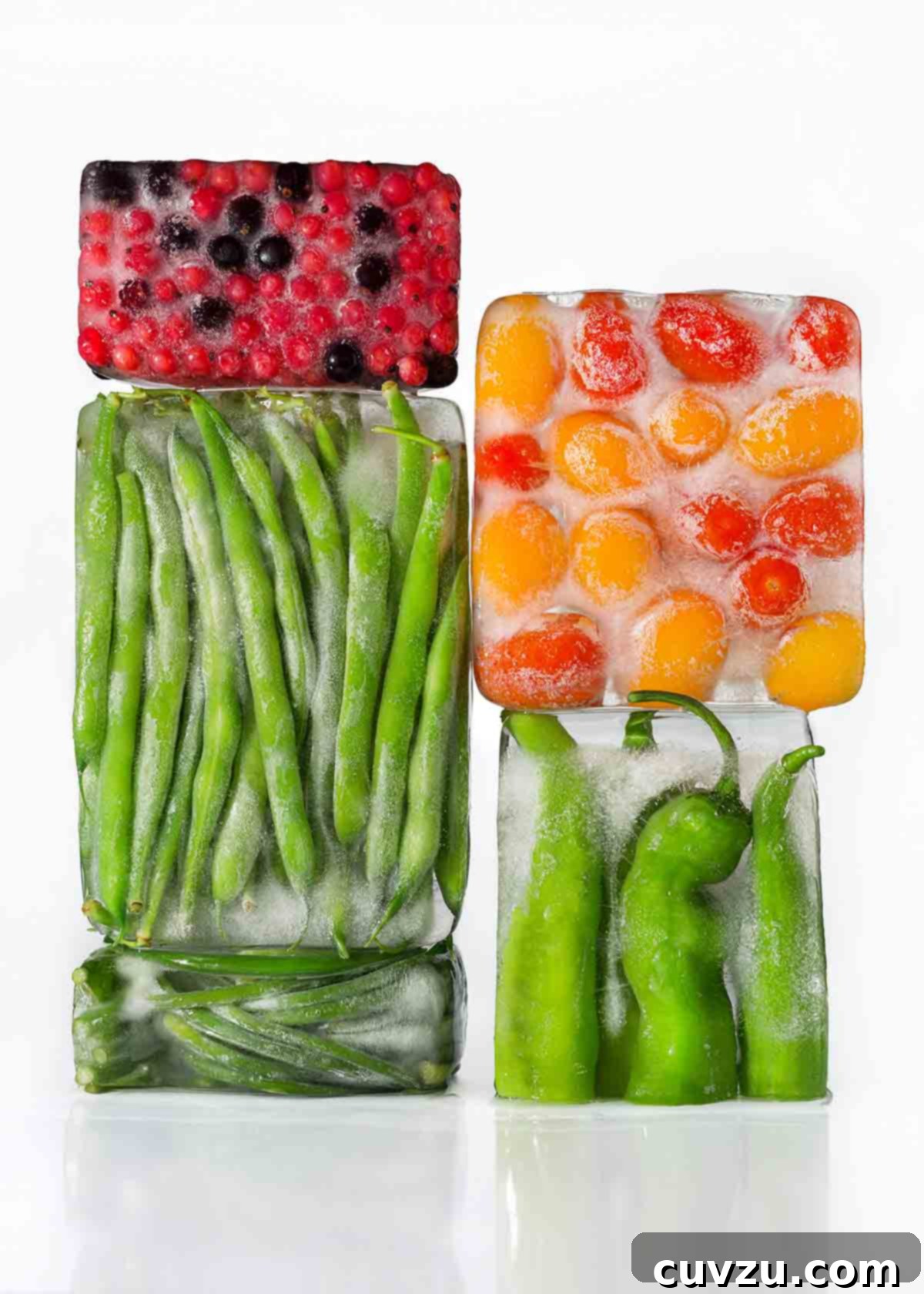
Unlock the full potential of your kitchen and dramatically reduce food waste with our ultimate guide to proper food freezing. This comprehensive resource covers everything from efficient freezer organization strategies to the best types of containers to use, and detailed instructions on how to freeze some of the most frequently used ingredients in your culinary repertoire. These invaluable hacks and insights come directly from our seasoned recipe testers, who rely on these techniques daily to streamline their cooking and food preservation efforts. We’re confident that once you integrate these simple yet effective methods into your routine, you’ll wonder how you ever managed without them.
Mastering Freezer Organization: Tips for Efficiency and Longevity
A well-organized freezer isn’t just about tidiness; it’s about maximizing storage space, ensuring food safety, and making meal prep a breeze. Before you start stashing away your weekly leftovers or bulk purchases, consider these essential tips that will transform your freezer into a highly efficient culinary asset.
The Golden Rule: Label EVERYTHING with Precision
One of the most common pitfalls of freezing food is forgetting what’s in there or when it was stored. This leads to forgotten ingredients, freezer burn, and ultimately, food waste. The solution is simple yet powerful: label everything meticulously. My personal favorites are painter’s tape and a permanent Sharpie marker. Every single item that enters my freezer receives a dated label that adheres reliably and whose writing won’t smudge or rub off. This crucial step ensures you always know what you have and when it needs to be used, following the ‘First In, First Out’ (FIFO) principle. Plus, painter’s tape is surprisingly easy to remove without leaving residue once the container is empty, making it incredibly practical.—Ellen Fuss
Embrace Reusable Containers for Sustainable Storage
Investing in quality reusable containers is a game-changer for long-term freezer storage. They are not only environmentally friendly but also incredibly durable and versatile. I’ve found great success with plastic reusable microwave/freezer-safe containers, available in small, medium, and large sizes, all utilizing the same interchangeable lid. This consistency simplifies storage and reduces clutter. I always add a piece of masking tape to the top, clearly labeling the contents and the date it was prepared. This way, everyone in the household can easily identify what’s inside and its freshness status, preventing confusion and ensuring efficient rotation.—Tricia M.
For even greater durability and professional-grade storage, Cambro containers are an excellent choice, suitable for the freezer, fridge, and pantry alike. I particularly favor the one-quart round containers for almost everything, as they offer generous space and stack efficiently. Pint and quart deli rounds are also incredibly useful for smaller portions or specific ingredients, although I sometimes find it harder to justify buying them by the case. These robust containers and their accompanying lids are readily available at restaurant supply stores and even some Costco business locations. Their sturdy construction ensures they hold up exceptionally well through countless dishwasher cycles and deep freezes, making them a long-lasting investment for any organized kitchen.—Irene Seales
Discover the Convenience of Disposable Aluminum Pans
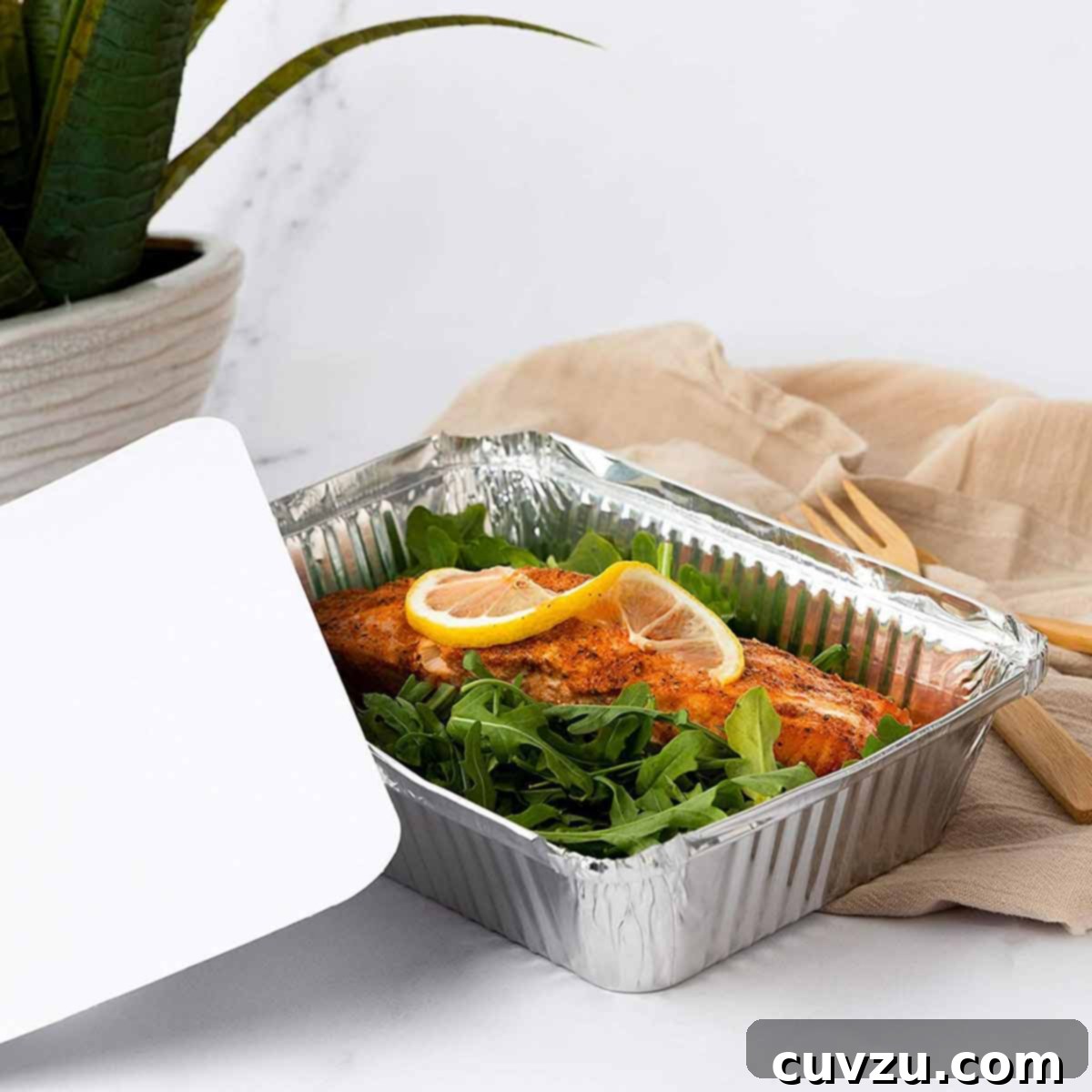
When it comes to make-ahead meals, disposable aluminum pans are an unsung hero. They are the workhorse of the takeout world for good reason: they’re convenient, inexpensive, and freezer-to-oven friendly. I regularly use two- and three-pound disposable aluminum pans (which can often be washed and reused a few times before recycling, extending their utility) for family-sized meals such as pot pies (with only the top crust added before freezing), comforting cottage pie, flavorful curries, and hearty casseroles. Their uniform shape allows them to stack neatly and compactly in the freezer, maximizing valuable space. The beauty of these pans is their sheer convenience: simply pull a pan out, thaw if desired (though many can go straight into the oven from frozen), and bake. Cleanup is virtually nonexistent, making weeknight dinners or impromptu gatherings wonderfully stress-free. Unexpected company suddenly appears? Just grab a couple of these pre-made meals, and you’re ready to host with minimal fuss.—Terri L.
Smart Strategies: How to Freeze Everyday Ingredients Like a Pro
You might be astonished not only by the sheer variety of ingredients you can freeze but also by how incredibly simple it is to preserve them for future use. Adopting these freezing techniques will ensure your pantry is always stocked and that future weeknight dinner preparation becomes an absolute cinch, saving you time, money, and stress.
Bacon: Always Ready, Always Delicious
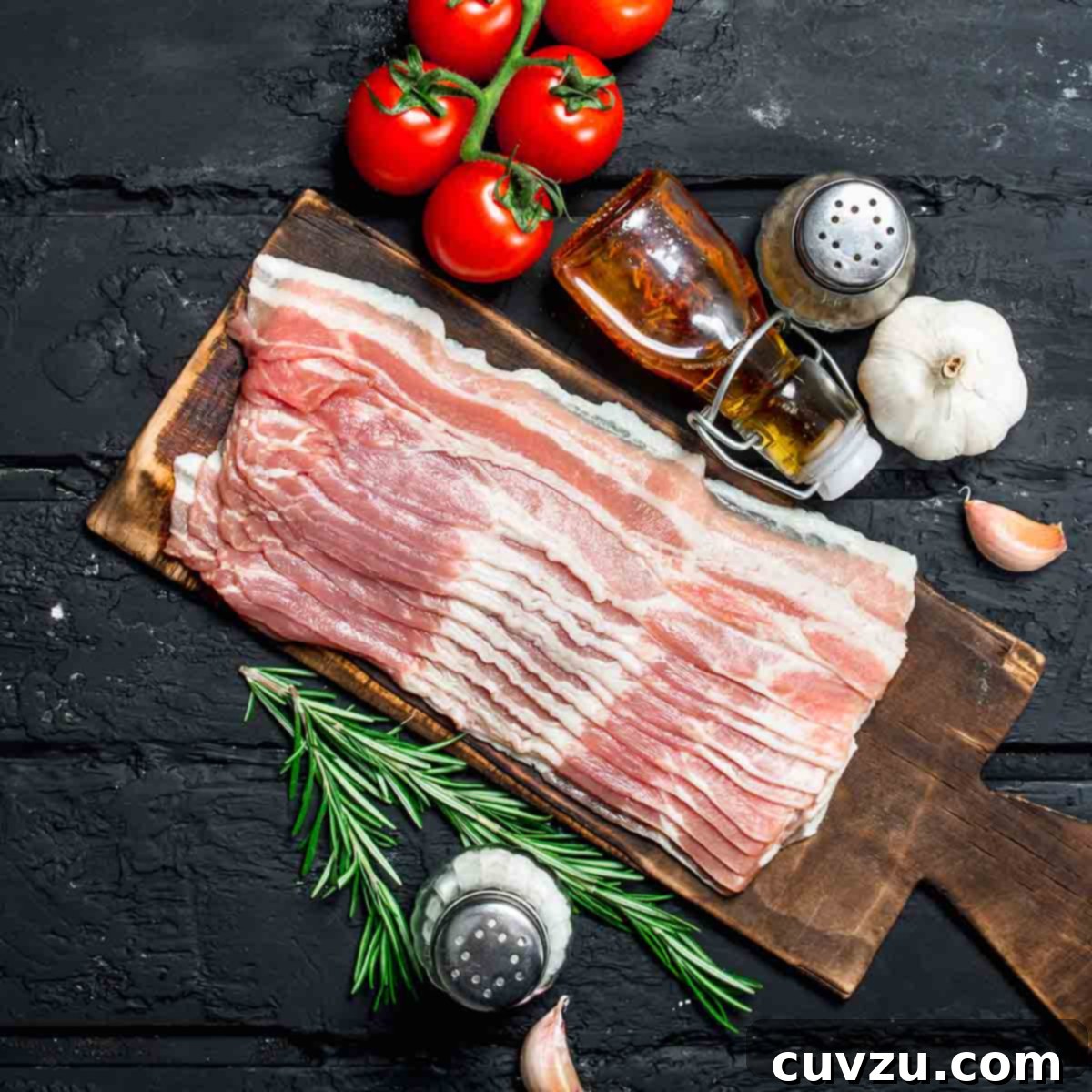
Bacon is a staple in many kitchens, but often a full package isn’t used in one go. To prevent waste and keep it ready for action, here’s a brilliant method: After opening a package, I separate the remaining strips of bacon and lay them out individually on a baking sheet lined with parchment paper. This flash-freezing step prevents them from sticking together. Once the strips are completely frozen solid (usually after an hour or two), I transfer them into a resealable plastic freezer bag. This way, it’s incredibly easy to grab precisely the quantity I need for a recipe, whether it’s a few strips for breakfast or a larger amount for a casserole. You can even cook them directly from frozen, or if thawing is required, they separate and defrost super fast. An added bonus? Chopping frozen bacon into lardons or smaller pieces is significantly easier and less messy than trying to cut raw, slippery bacon. This simple trick ensures you always have perfectly portioned bacon at your fingertips.—Trisha T.
Bananas: The Sweet Secret to Instant Treats
Never let overripe bananas go to waste again! Those black, spotty bananas that inevitably return home from school lunch boxes are actually a gift waiting to be frozen. I make it a habit to peel and freeze any such bananas immediately. I keep a BIG bag of these frozen treasures handy in my freezer, exclusively dedicated to making delicious banana bread or refreshing banana ice cream. My kids absolutely adore homemade banana ice cream, which is incredibly simple: just blend frozen bananas in a food processor until smooth and creamy. Voila! An instant, healthy, and satisfying treat that’s always a crowd-pleaser. Freezing ripe bananas not only prevents food waste but also sweetens them naturally, making them perfect for baking and desserts without added sugar.—Louisa Sadiq
Bell Peppers: Quick Color and Flavor for Any Dish
Bell peppers are versatile and add wonderful color and flavor to many dishes, but they can spoil quickly. Freezing them is a fantastic way to extend their usability and have them ready for quick meals. I often chop bell peppers and onions together, then spread them flat in a freezer bag. This flat freezing method allows you to easily break off just a quick handful as needed, perfect for jazzing up omelets, stir-fries, or any dish you want to get done quickly without the hassle of chopping fresh vegetables. Another smart move is to buy red peppers when they are on sale or clearance. I then roast and peel them, a process that intensifies their sweetness, and freeze them in bags. These roasted peppers are fantastic for making sauces, adding to sandwiches, or incorporating into Mediterranean-inspired dishes, providing deep flavor and convenience whenever you need it.—Christi B.
Bread: Freshness Preserved, Slice by Slice
The delicious aroma of freshly baked bread is wonderful, but ensuring it stays fresh can be a challenge. My rule of thumb is to slice all freshly baked goods, including bread, bagels, and English muffins, before freezing them. This critical step means they are perfectly portioned and ready to pop straight into the toaster or oven without the tedious wait of thawing and then cutting. Any baked goods not destined for immediate consumption on the day they are made go straight into the freezer. This method significantly extends their shelf life and preserves that fresh-baked taste and texture.—Daniela Trapani
To further enhance the convenience of freezing sliced bread, I always place a small piece of wax paper between each cut slice before freezing. Without this simple barrier, slices of bread tend to freeze together into an unyielding solid block, making it difficult to retrieve just one or two pieces. This little bit of wax paper makes all the difference, allowing you to easily separate individual slices whenever you need them, without any struggle or unnecessary waste. It’s a small extra step that yields huge benefits in terms of convenience.—Peter Quick
Chipotle en Adobo: Flavorful Heat on Demand
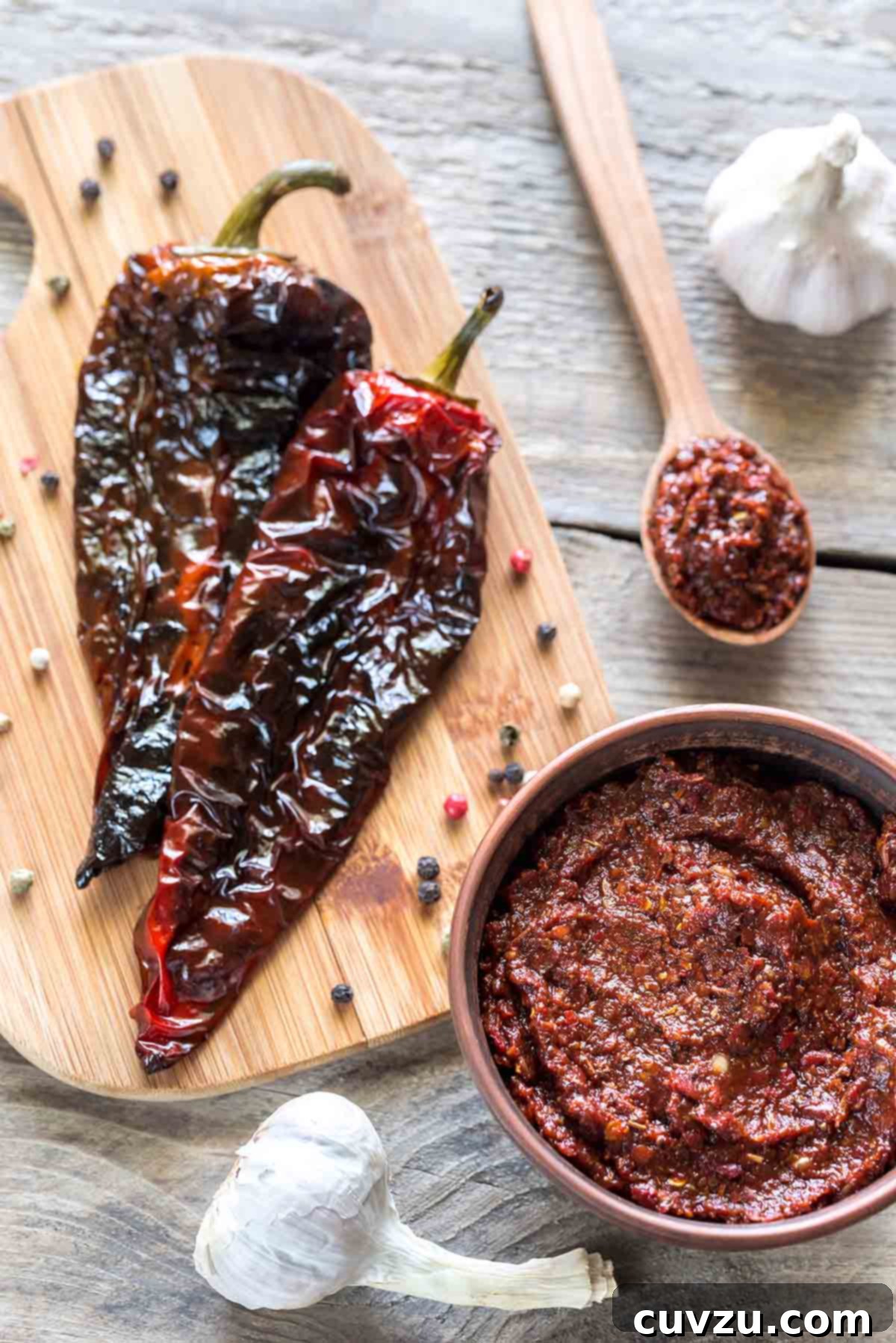
Chipotle en adobo adds a smoky, spicy depth to countless Mexican and Southwestern dishes, but recipes often call for only a small amount, leaving most of the can unused. To avoid waste and ensure you always have this potent ingredient on hand, I have a method for freezing individual portions. After I’ve used the quantity required for my recipe, I carefully place individual chiles onto separate pieces of plastic wrap. Then, I spoon a small amount of the rich adobo sauce over each chili. I wrap these individual portions tightly, freeze them until solid, and then transfer them into a larger resealable plastic baggie. For easy identification later, it’s wise to place a note inside the bag specifically stating “Chipotle en Adobo.” This way, you can grab just one chili and a bit of sauce, ensuring that perfect balance of smoky heat for your next dish without opening a new can.—Jackie Gorman
Citrus: Zest and Juice, Always Fresh
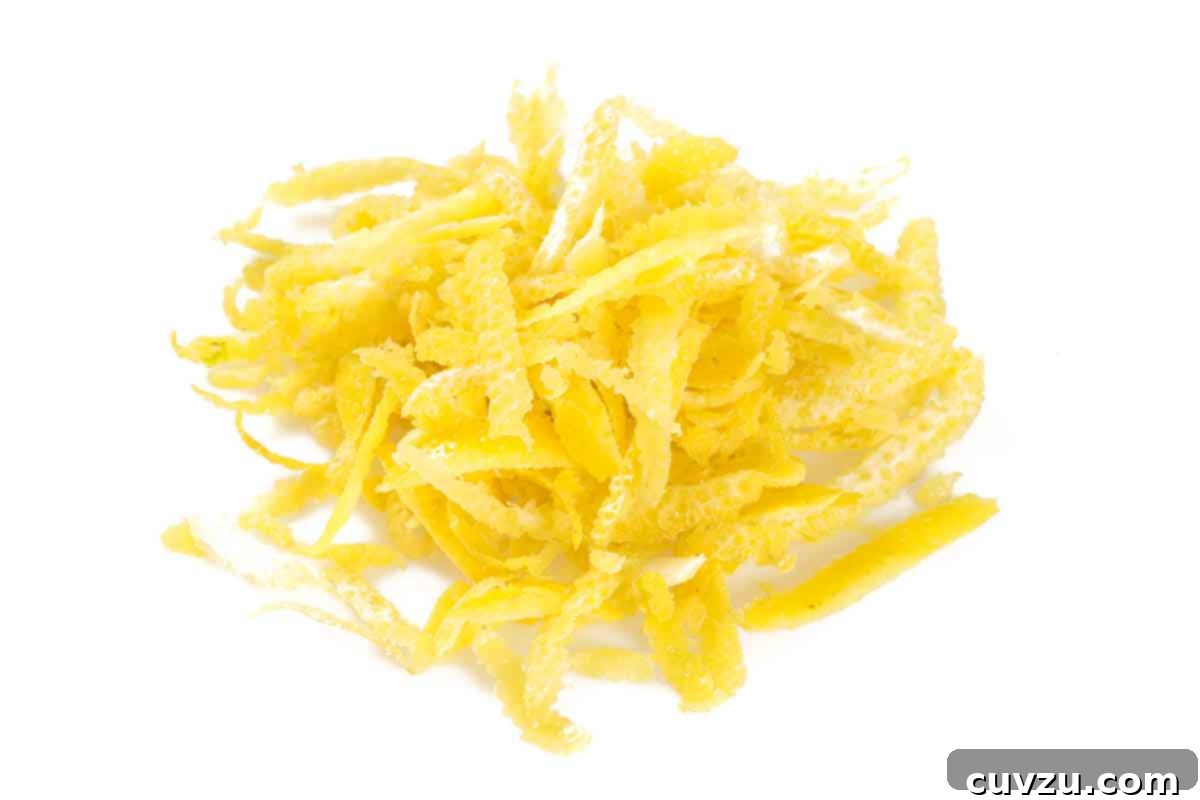
Citrus fruits offer incredible zest and juice, but often we only need one part. Freezing is an excellent way to capture and preserve their vibrant flavors. When I’m using a number of oranges for their pulp, perhaps for a refreshing salad, I always make sure to remove the peel first using a vegetable peeler. I then toss these strips of peel into a resealable bag and store them in the freezer. When a recipe calls for fresh zest, I simply pull out the bag, julienne as much as I need, and return the rest to the freezer. This ensures I always have fresh citrus peel on hand without waste.—Marcia L.
Similarly, whenever I use lemons for their juice, I zest them beforehand. I then carefully collect the zest and store it in my freezer. This proactive step guarantees that I don’t waste any part of the rind, and more importantly, I always have ready-to-use zest immediately available when a recipe demands it. It’s a small habit that makes a big difference in flavor and convenience.—Ellen Fuss
To make the most of every citrus fruit, I zest every orange, lemon, and lime before its peel is finally tossed into the compost. I spread the collected zest thinly on a piece of parchment paper, then fold and tightly wrap the entire “envelope” in tin foil before freezing. This method keeps the zest fresh and fragrant, preventing freezer burn, and allowing me to easily break off or scrape just the right amount whenever needed for baking, marinades, or beverages.—Chiyo Ueyama
We often take advantage of sales by buying large bags of lemons and limes. Beyond zesting, I also freeze the fresh juice. Having both zest and juice readily available in the freezer is incredibly convenient. I store the juice in reusable, litterless juice boxes from Rubbermaid—pink for lemon juice and green for lime juice, for clear identification. I keep a few of each in the freezer and one of each in the fridge for daily use. Fresh lemon juice from the freezer is particularly handy for making a quick and delicious whiskey sour after a long day!—Terri L.
Cookie Dough: Instant Gratification for Sweet Cravings
Having cookie dough in the freezer is like having a secret weapon for sudden sweet cravings or last-minute entertaining. I always make sure to freeze cookie dough in pre-portioned rounds. I don’t freeze an excessive amount, but rather enough for a delightful, warm tray of cookies to emerge from the oven whenever my kids are home, or for a casual, warm dessert that needs to come together quickly. This method ensures that freshly baked cookies are always just minutes away, providing that comforting aroma and delicious taste without the full effort of mixing and preparing dough from scratch every time. It’s perfect for spontaneous moments or simply satisfying an immediate sweet tooth.—Tricia M.
Garlic: Aromatic Essence, Always at Hand
Garlic is a flavor foundational to many cuisines, and having it prepped and ready can significantly cut down on cooking time. For roasted garlic, a common preparation, I mash the soft cloves after roasting. Then, I spread this garlicky mash into a flat, rectangular shape on a piece of parchment paper. I score the garlic mash, dividing it into roughly the number of cloves that were originally roasted—it ends up looking a bit like a chocolate bar. This scoring allows for easy portioning later. I then fold the parchment paper over, wrap the entire package tightly in foil, and freeze it. This ingenious method makes it wonderfully convenient to separate a small square (equivalent to about one clove) to use in salad dressings, sauces, or stir-fries, providing that delicious, mellow roasted garlic flavor without any extra effort.—Chiyo Ueyama
Ginger Root: Freshness Frozen, Flavor Intact
Fresh ginger root can be tricky to store; it often shrivels or molds before you can use it all. The best solution is surprisingly simple and effective: store it directly in the freezer! This method not only extends its shelf life indefinitely but also makes it incredibly easy to use. When you need ginger, you can simply break off what you need from the frozen root. The texture changes slightly, making it perfect for grating directly into your dishes. You’ll find that freezing ginger doesn’t compromise its pungent, aromatic flavor one bit, ensuring you always have fresh-tasting ginger whenever inspiration strikes.—Robin Currie
One of the best ways to utilize frozen ginger is to grate it straight from its frozen state. It’s much firmer and easier to grate without slipping or becoming stringy. This means less mess and more control, allowing you to quickly add fresh ginger to stir-fries, curries, marinades, or hot teas.—Christi B.
Herbs: Bursting with Flavor, Year-Round
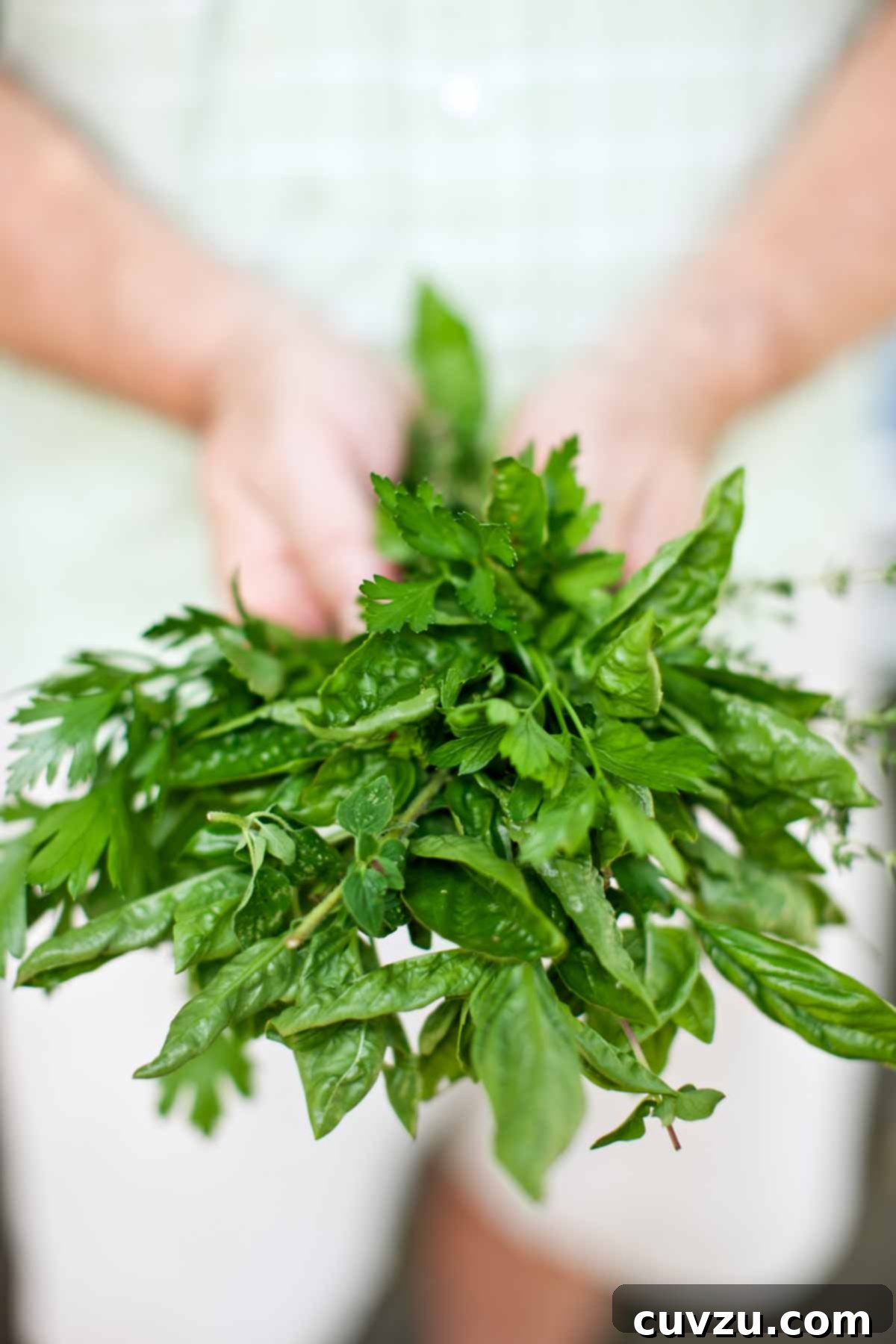
Fresh herbs elevate any dish, but they often wilt before you can use them all. Freezing is a fantastic way to preserve their essence. Leafy herbs like cilantro and parsley freeze exceptionally well, maintaining much of their aromatic punch. My preferred method is to finely chop or cut them, then freeze small bunches in individual freezer bags. When I need to quickly finish off a curry, a sauce, or a soup, I simply break off a small handful of the frozen herbs, toss them in, and the dish is instantly infused with fresh flavor. It’s a lifesaver for busy weeknights!—Louisa Sadiq
For woody herbs like rosemary, a slightly different approach works wonders. When I give my rosemary bushes a much-needed haircut, I don’t let the trimmings go to waste. Instead, I freeze the excess rosemary, still on its stalks, in freezer bags. Once completely frozen, the individual rosemary leaves will easily fall from the stalks with a gentle squeeze or shake. This leaves you with a supply of fragrant, fresh-frozen rosemary in your freezer, ready to add depth and aroma to lamb stews, robust marinades, roasted potatoes, or even infused oils. It’s a delightful way to capture the garden’s bounty and enjoy its scent and flavor year-round.—Louisa Sadiq
Parmesan Rinds: The Secret Umami Booster
Parmesan cheese is a staple in our household, meaning we go through a lot of it. Instead of discarding the rinds once the cheese is gone, I always make sure to save them. These flavorful remnants are packed with umami and can transform a simple dish. I place them in plastic baggies and toss them into the freezer. My favorite use for these frozen Parm rinds is to throw them directly into soups, where they slowly melt and infuse the broth with a deep, savory richness. I’ve even experimented with making a dedicated Parmesan broth using just the rinds from the freezer. It’s astonishing to see markets charging a premium for containers of Parm rinds, something most people would simply throw away. Remember to fish out the rind before serving, especially after cooking in an Instant Pot, as the rind can become soft and chewy, which might not be to everyone’s liking. But the flavor it imparts is absolutely worth the effort!—Jackie Gorman
Pastry Dough: Your Shortcut to Homemade Desserts
Having pre-made pastry dough in your freezer is an incredible time-saver, a true convenience for impromptu baking or last-minute desserts. In addition to homemade stock, I always ensure I have crostata dough (a versatile pastry dough) stored in my freezer. This dough is incredibly useful for whipping up quick treats. When I’m not using fresh fruit, I often create delightful ricotta tarts, experimenting with various flavor combinations like lemon zest, orange zest, toasted pine nuts, or chopped dried figs. The ability to pull out ready-to-use pastry dough means that a beautiful, homemade dessert is always within reach, transforming a simple idea into a delicious reality with minimal fuss. It’s a fantastic way to keep your kitchen flexible and always prepared for unexpected culinary ventures.—Tricia M.
Peaches: Summer Sweetness, All Year Long
This freezing trick often surprises people, but it’s a revelation for peach lovers! You can actually freeze peaches whole and unpeeled, straight from the tree, farmer’s market, or grocery store. When you’re ready to use them, simply run them under lukewarm water for just a minute or two, and magic happens: the peels slip right off effortlessly! Each summer, we purchase a bushel of peaches from our local vendors, and I freeze every single one as soon as I bring them home. This way, whenever I crave anything peachy—be it a cobbler, a pie, or a smoothie—I can grab a peach from the freezer, easily remove the skin, and slice it up while it’s still slightly frozen. My absolute favorite use, however, is to take one of these amazing frozen peaches, peel it, chunk it into a blender with a personal-sized bottle of prosecco and a tablespoon of sugar (or a tablespoon of peach schnapps if I’m feeling extra), and voilà! Instant, refreshing peach bellinis that taste like summer in a glass. It’s a brilliant way to enjoy peak-season peaches all year.—Christi B.
Roast Chicken or Beef Drippings: The Flavor Goldmine
Never underestimate the incredible flavor contained within pan drippings! These savory fats and juices are a culinary treasure. When I make a hearty pot roast, I make sure to save the rendered beef fat. This flavorful fat is perfect for creating a roux for a rich, deeply savory gravy, adding an unparalleled depth of flavor. If I end up with extra drippings, I simply store them in a container and freeze them. Later, I use this frozen fat for sautéing vegetables, which imparts an extra layer of deliciousness to whatever I’m preparing. It’s particularly fantastic when making beef gravy for meatloaf, elevating a simple dish to something truly extraordinary. The same principle applies to chicken drippings, especially those collected from roasting a whole chicken; they are fantastic for enhancing pan sauces, soups, or even roasting other vegetables, ensuring no flavor goes to waste.—Victoria Filippi
Soup and Stock: Liquid Gold, Ready When You Are
Freezing homemade stock and soups is a foundational trick for any efficient kitchen, and it’s truly essential for me. I always freeze homemade chicken stock in large ice cube trays. These perfectly portioned cubes are incredibly handy and we use them often for all sorts of dishes and sauces, from deglazing a pan to adding flavor to rice. Beyond individual cubes, I also freeze quart-size bags of stock, which are incredibly convenient for last-minute risottos, larger batches of soup, or braising meats. Having these on hand eliminates the need for store-bought stock and ensures your meals always have that homemade depth of flavor.—Tricia M.
While it might sound like an advertisement, I absolutely adore Souper Cubes for freezing liquids. When I prepare a batch of stock, I freeze it in these specialized trays, which create perfectly measured 1-cup or 2-cup blocks. Once frozen, these solid blocks are easily transferred into a resealable plastic bag. This system makes it incredibly simple to thaw precisely the amount of stock I need for any recipe, preventing waste and ensuring consistency. They are a genuinely worthwhile investment for anyone who freezes liquids regularly.—Nadine Bonda
One of my favorite hacks for freezing soups and sauces involves a simple but effective setup. I start by clearly writing the contents and date on all the quart-size freezer bags I intend to use. Then, I take a large stadium football game cup (my husband thoughtfully drilled a hole in the bottom for drainage) and use it as a stand. The cup is the perfect size to hold a quart-size freezer bag, allowing its lip to fold over the edge of the cup. This brilliant method makes filling the bag with soup or sauce incredibly easy and mess-free. Critically, it prevents any liquid from getting onto the top of the bag, ensuring a clean and secure seal every single time, which is vital for preventing freezer burn and leaks.—Lori Widmeyer
Tomato Paste: Portion Perfection, No Waste
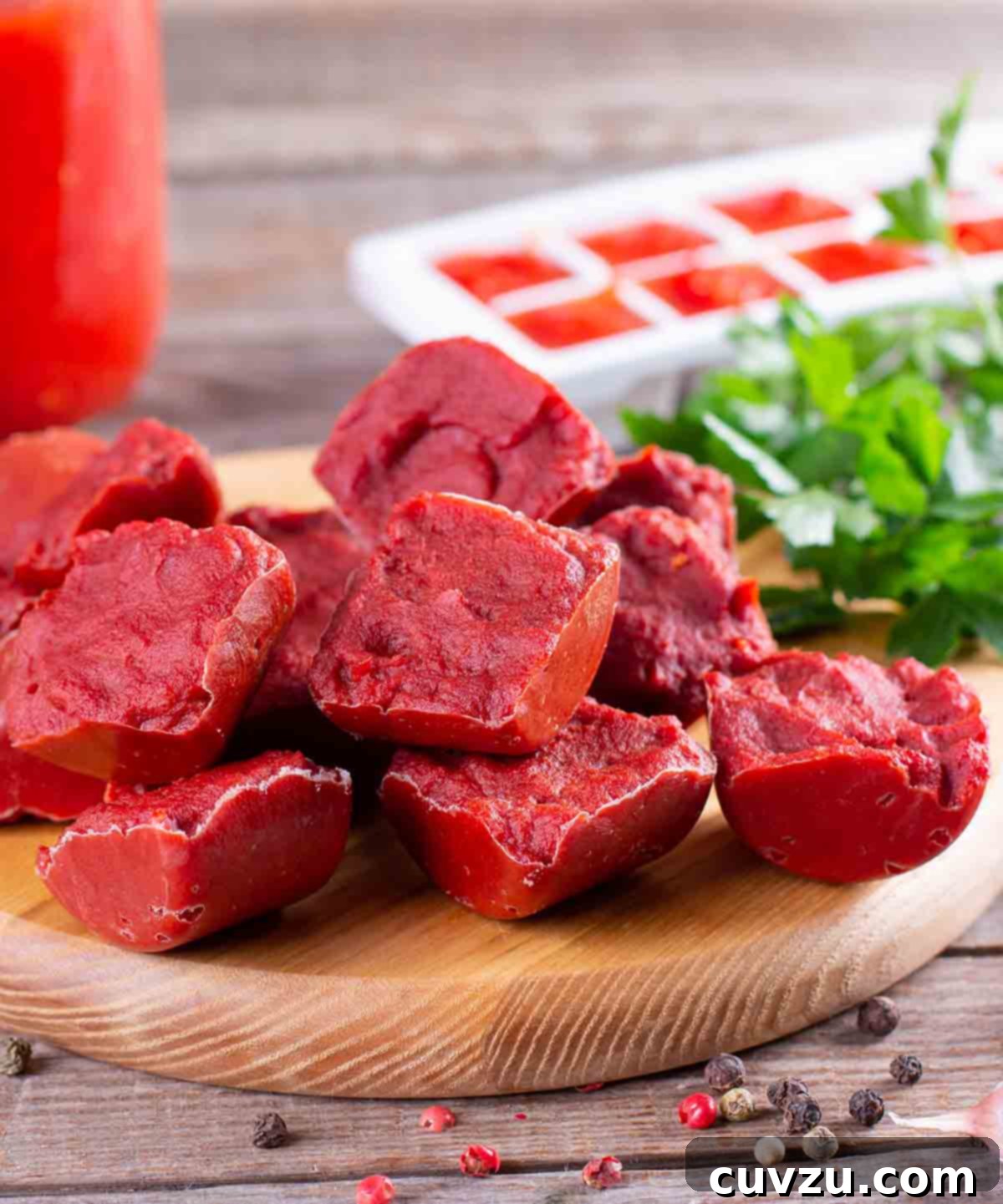
Tomato paste is a common culprit for waste, as most recipes only call for a small amount, leaving an open can susceptible to spoilage. To combat this, whenever I need tomato paste and have to open a fresh can, I freeze the remainder in convenient 1-tablespoon amounts. I scoop these portions onto a parchment-lined baking sheet and flash freeze them until solid, then transfer them into a resealable freezer bag. While handy squeeze tubes of tomato paste exist, I much prefer the flavor and cost-effectiveness of the canned variety. This method allows me to have perfectly portioned tomato paste ready for any sauce, stew, or chili, without wasting a drop. The same excellent strategy applies equally well to coconut milk, ensuring you always have small quantities available without opening a whole new can.—Linda M.
Another incredibly efficient way to freeze tomato paste is to empty an entire can into a resealable plastic bag. Then, I flatten the paste out evenly to a thickness of less than 1/4-inch, ensuring it’s a thin, uniform layer. I seal the bag, making sure to press out as much air as possible, and freeze it flat. When I need some paste, I can easily break off exactly the amount I want from the frozen sheet, reseal the bag, and return it to the freezer. This method is fantastic for quickly adding a precise amount of tomato paste to your cooking without any fuss or mess, and it saves a lot of space in the freezer.—Marcia L.