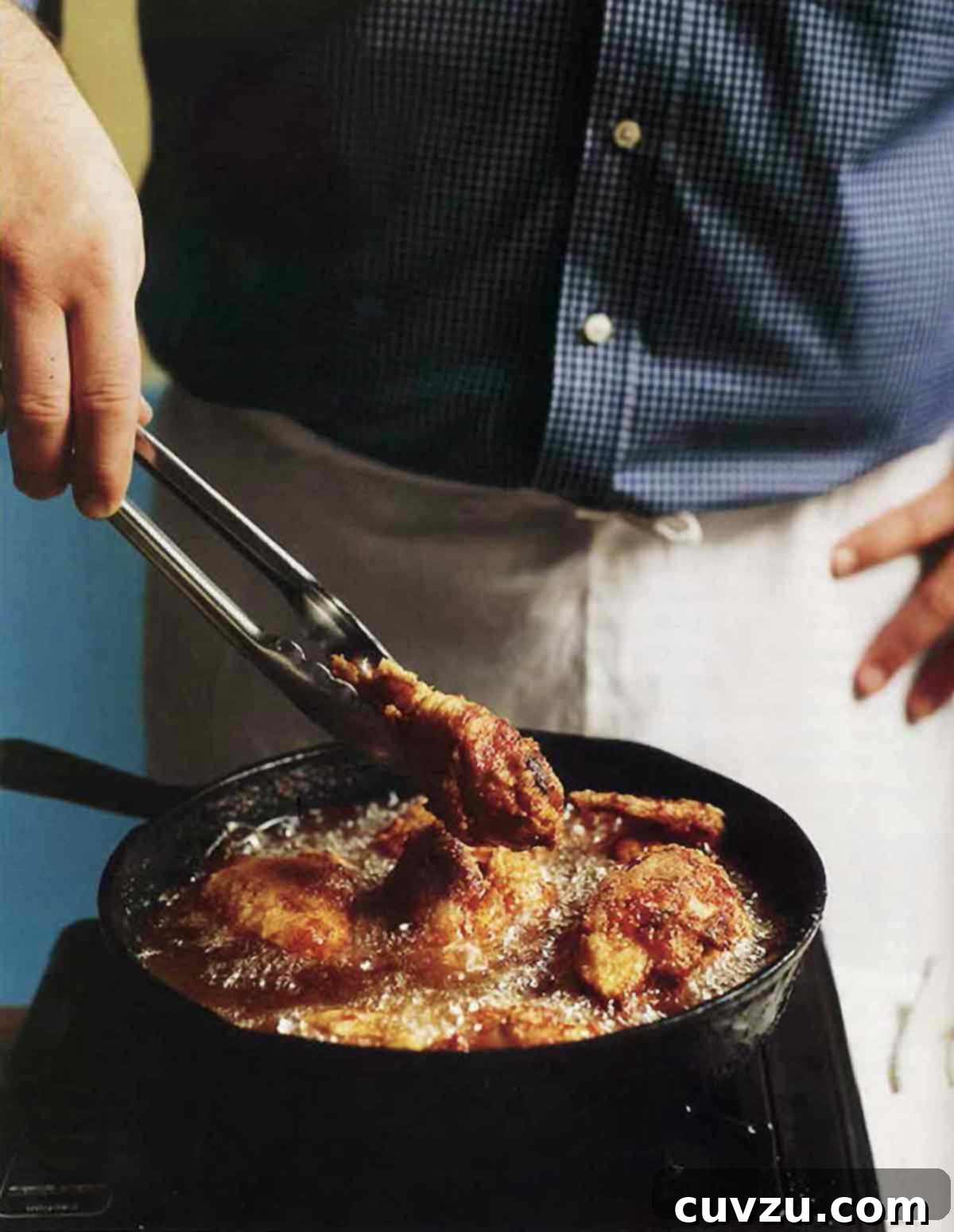
Edna Lewis’s Legendary Southern Pan-Fried Chicken: A Timeless Classic
In the expansive and beloved world of Southern cuisine, few dishes command as much reverence and culinary debate as fried chicken. While countless recipes promise perfection, Edna Lewis’s Southern Pan-Fried Chicken stands as a true testament to the dish’s authentic heritage and unparalleled flavor. This isn’t merely a recipe; it’s a meticulously crafted culinary journey that transforms simple ingredients into a masterpiece of crispy skin, succulent meat, and profound seasoning. If your quest has been to discover the quintessential Southern fried chicken—one that embodies tradition, technique, and tantalizing taste—then prepare to have your expectations not just met, but gloriously exceeded. Edna Lewis, the iconic grande dame of Southern cooking, left behind a legacy of recipes that celebrate the soul of regional American food, and this pan-fried chicken is undoubtedly one of her crowning achievements.
The brilliance of this particular recipe lies in its thoughtful and multi-layered approach to preparation. It begins long before the chicken ever meets the heat, with a two-stage soaking process that is fundamental to its extraordinary texture and flavor. First, a carefully balanced brine penetrates the chicken, ensuring moisture retention and deep seasoning. This is followed by a luxuriant buttermilk bath, which further tenderizes the meat and prepares it for a perfectly crisp coating. The culmination of this careful preparation occurs in the skillet, where the chicken is fried in an inspired, aromatic blend of lard, a touch of neutral oil, savory country ham, and sweet butter. This unique combination of fats not only creates an incredibly flavorful cooking medium but also contributes to the signature golden-brown, irresistibly crisp exterior that yields to a wonderfully juicy and tender interior. It’s an experience that truly captures the heart and soul of genuine Southern comfort food.
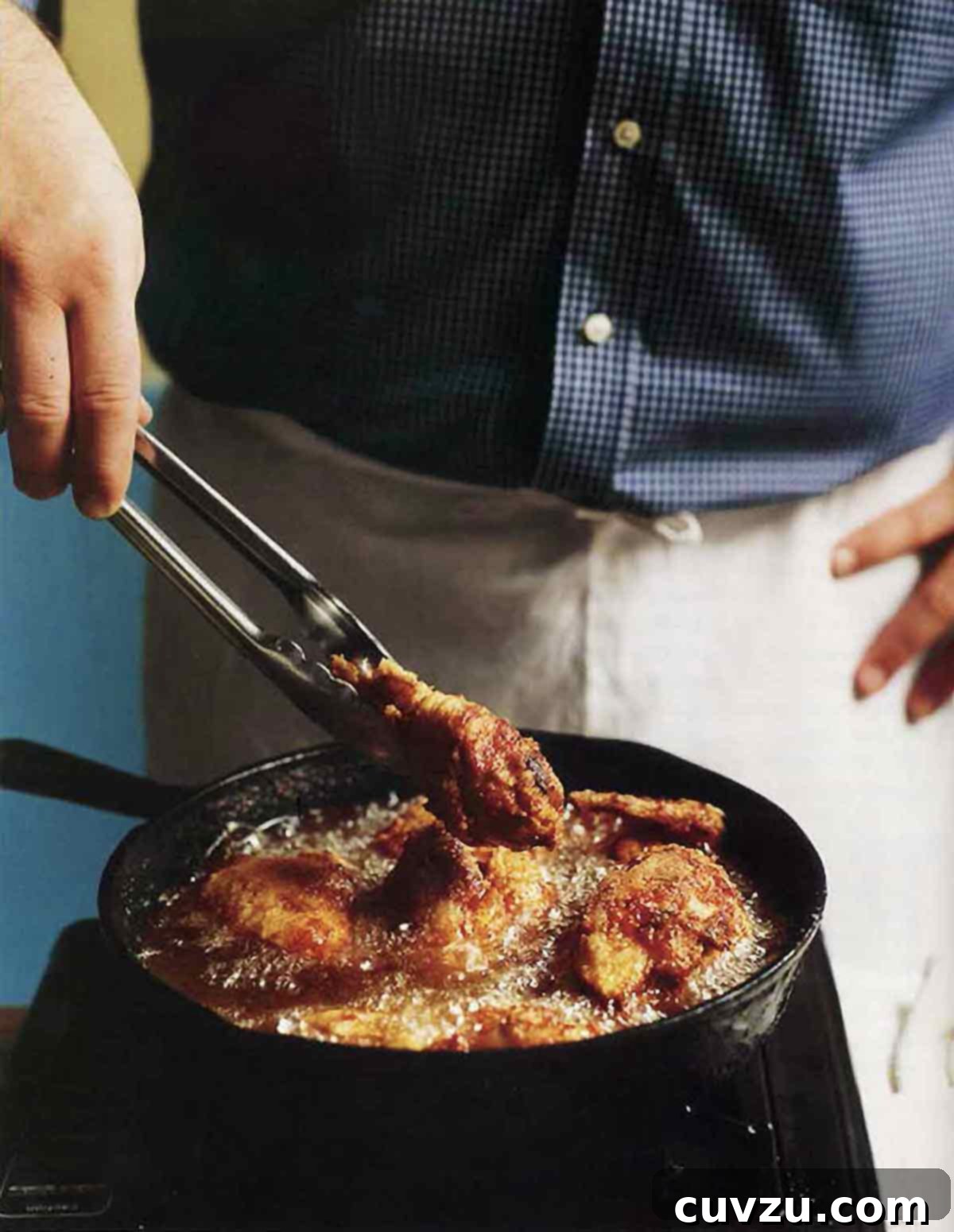
In the vast culinary landscape, few dishes spark as much debate and fervent loyalty as fried chicken. Naming the “best fried chicken,” especially when diving into the nuanced world of Southern pan-fried chicken, is often considered a fool’s errand. Every region, every family, and every cook seems to have their own distinct variation, each cherished for its unique textures and flavors, making a definitive declaration seem almost impossible. Yet, occasionally, a recipe emerges that silences the arguments, transcends personal biases, and simply declares its supremacy through sheer deliciousness. For us, here at Leite’s Culinaria, Edna Lewis’s recipe achieved just that—it made the distinction remarkably clear. We are confident that once you experience this culinary revelation, you’ll agree, finding your own quest for the ultimate fried chicken brought to a triumphant end. This isn’t just a recipe; it’s a definitive, cherished experience.–David Leite
The Art of Perfection: How to Make Edna Lewis’s Southern Pan-Fried Chicken
Edna Lewis, with her profound understanding of Southern culinary traditions, masterfully harmonized distinct regional styles to create this iconic fried chicken recipe. She drew inspiration from both the deep-rooted methods of Virginia and the time-honored practices of Alabama, forging a truly exceptional dish. The genius lies in the preparation, which imbues the chicken with unparalleled flavor and tenderness before it even touches the skillet. This recipe isn’t just a set of instructions; it’s a philosophy of slow, deliberate cooking that yields profoundly delicious results, ensuring every bite is a testament to its rich heritage.
The “Alabama-style” influence is vividly evident in the twin stages of long soaking that the chicken undergoes. First, a restorative brine bath works its magic, followed by an immersive soak in rich buttermilk. These crucial steps are the secret to ensuring the chicken remains incredibly moist, tender, and deeply seasoned from the inside out, preventing it from drying during the frying process. Complementing this, the “Virginia-style” frying fat takes center stage, creating a unique and incredibly rich flavor base. A special, aromatic blend of rendered lard and sweet butter, generously infused with the savory essence of country ham, transforms the frying medium into an art form. This combination imparts a distinctive richness and an irresistible aroma that permeates every golden-brown piece of chicken. Beyond these regional distinctions, Lewis outlined several fundamental principles that elevate home-fried chicken to culinary perfection—what we affectionately call the “Fried Chicken Commandments.” Adhering to these tenets is key to achieving that perfect crispiness and juicy interior every single time, making each batch truly unforgettable.
Edna Lewis’s Fried Chicken Commandments: Secrets to Success
- Thou Shalt Brine the Chicken. This initial step is absolutely non-negotiable for truly exceptional pan-fried chicken. Brining involves soaking the chicken in a simple saltwater solution before cooking, serving a dual purpose that cannot be overstated. Firstly, it works osmotically to help the chicken retain its natural moisture during the high-heat frying process, actively preventing it from drying out and ensuring a consistently juicy result. Secondly, and equally important, it seasons the chicken all the way through, far beyond just the surface, infusing it with flavor from within. To create Edna Lewis’s basic brine, simply stir 1/4 cup of kosher salt into 1 quart of cold water until it completely dissolves. It is crucial to use kosher salt, as table salt has a finer grain and often contains anti-caking agents, which can make the brine excessively salty and impart an unwanted off-flavor. Prepare enough brine to completely submerge all poultry pieces in a non-reactive bowl or pot, such as glass, ceramic, or stainless steel. Refrigerate the chicken in the brine for a generous 8 to 12 hours. Once brined, drain the chicken thoroughly and pat it dry with paper towels to prepare it for the next step.
- Thou Shalt Include Cornstarch in the Dredge for Ultimate Crispness. The secret to that shatteringly crisp, golden crust, a hallmark of perfect fried chicken, lies not just in flour, but in the strategic addition of cornstarch to your dredging mixture. Cornstarch, when finely blended with all-purpose flour, creates a lighter, crispier coating that adheres beautifully and fries up with an unparalleled crunch. It actively helps to absorb excess moisture from the surface of the chicken, which is vital for achieving a more pronounced crispness and preventing a heavy, doughy texture. This simple yet powerful addition is a genuine game-changer, ensuring that coveted crispy exterior every time.
- Thou Shalt Pat Off All Excess Dredge Before Frying. After coating your chicken pieces generously in the flour and cornstarch mixture, it’s absolutely imperative to gently shake off any excess. A thick, uneven, or clumpy layer of dredge can lead to several undesirable outcomes: a heavy, gummy crust that doesn’t cook evenly, a coating that easily falls off, or a less crisp final product. Lightly tapping each piece ensures only the necessary amount of coating remains, promoting uniform adhesion, even cooking, and that ideal crispy texture. This seemingly small detail significantly impacts the integrity and deliciousness of the final outcome.
- Thou Shalt Fry Evenly at the Proper Temperature. Temperature control is paramount in the delicate art of frying chicken. The cooking fat must be hot enough to instantly crisp the coating and create a barrier that seals in the chicken’s natural juices, but crucially, not so hot that it burns the exterior before the interior is thoroughly cooked. A consistent frying temperature, typically maintained between 325°F and 335°F (160°C to 170°C), is critical for achieving both a beautifully browned, crunchy crust and a perfectly moist, tender interior. Using a deep-fry or instant-read thermometer is highly recommended to maintain this precise heat, ensuring even cooking and preventing common frying pitfalls. Additionally, it is vital to avoid overcrowding the pan, as this will rapidly drop the oil temperature, leading to greasy, soggy chicken. Fry in small batches if necessary to maintain optimal heat.
- Thou Shalt Drain the Chicken Well on Crumpled-Up—Not Flat—Paper Towels or a Wire Rack. The final commandment in the pursuit of perfect fried chicken is all about presentation and, more importantly, preventing any hint of sogginess. Once the chicken is perfectly fried to a golden crisp, it needs to drain properly to shed any excess oil. Draining on crumpled paper towels or, even better, a wire rack set over a baking sheet, allows air to circulate freely around all sides of the chicken pieces. This crucial airflow prevents steam from building up and making the bottom crust soggy, ensuring every piece remains wonderfully crisp from the moment it leaves the pan until it’s served. Draining on flat paper towels can trap steam underneath, undermining all your hard work and yielding a less-than-ideal texture.
Perfect Pairings: What to Serve with Classic Southern Pan-Fried Chicken
A dish as iconic and deeply flavorful as Edna Lewis’s Southern pan-fried chicken deserves nothing less than a full ensemble of classic Southern sides to complete the experience. The beauty of this crispy, finger-licking chicken lies in its versatility, pairing wonderfully with a range of textures and flavors that enhance its rich, savory character. For an authentic Southern feast that truly celebrates tradition and taste, consider these timeless companions that create a harmonious and deeply satisfying meal.
First and foremost, no Southern fried chicken meal is truly complete without a generous serving of fluffy, golden Southern buttermilk biscuits. Their tender, flaky texture is perfect for soaking up any lingering juices from the chicken or simply enjoying with a pat of butter and a drizzle of honey. Complementing this, a creamy, indulgent skillet mac and cheese adds a comforting, cheesy richness that balances the chicken’s crispness and savory notes. And for a refreshing contrast, a cool and tangy classic potato salad, with its creamy dressing and crisp vegetables, provides a delightful counterpoint to the warmth and richness of the fried chicken.
Beyond these essential staples, consider adding other traditional Southern favorites to round out your meal. Braised collard greens, simmered slowly with smoked ham hocks or bacon, offer a deep, earthy flavor and tender texture that beautifully complements the richness of the chicken. A vibrant, vinegar-based coleslaw provides a much-needed crunch and a zesty tang to cut through the richness of the fried chicken, offering a refreshing palate cleanser. Fresh corn on the cob, whether grilled, boiled, or roasted, brings a touch of seasonal sweetness that pairs perfectly with savory dishes. And to complete the quintessential Southern dining experience, a tall glass of freshly brewed sweet iced tea is the ultimate refreshing beverage. Together, these thoughtfully chosen sides transform a simple fried chicken dinner into an unforgettable culinary event, perfectly complementing every single bite of this crispy, finger-licking masterpiece from Edna Lewis.
Edna Lewis’s Authentic Southern Pan-Fried Chicken
David Leite
Equipment
-
Deep-fry or candy or instant-read thermometer
Ingredients
- One (3-pound) whole chicken, cut into 8 pieces and preferably brined for 8 to 12 hours (see instructions for brining details)
- 1 quart buttermilk, (either low-fat or full-fat, for soaking)
- 1 pound lard
- 1 stick (4 oz) unsalted butter
- 1/2 cup country ham pieces or 1 thick slice country ham, cut into 1/2-inch (12-mm) strips (approximately 90 g or 3 oz)
- 1 cup all-purpose flour
- 2 tablespoons cornstarch
- 1 teaspoon salt
- 1/2 teaspoon freshly ground black pepper
Instructions
-
To prepare your brined chicken for frying, first, carefully drain the chicken and discard the brine solution. Rinse the bowl it was brined in thoroughly to remove any salt residue. Return the brined chicken pieces to the clean bowl and pour the buttermilk over them, ensuring all pieces are fully submerged. This buttermilk soak is crucial for tenderization and adding a subtle tang that complements the savory notes. Cover the bowl and refrigerate for another 8 to 12 hours. Before frying, remove the chicken from the buttermilk, allowing it to drain completely on a wire rack, discarding the buttermilk. Pat the chicken pieces dry with paper towels to ensure a crisp crust.
-
Meanwhile, as your chicken soaks, prepare the rich frying fat. In a heavy-bottomed skillet or frying pan, ideally cast iron, combine the lard, butter, and country ham pieces. Cook this mixture over very low heat for 30 to 45 minutes. During this slow rendering process, the fats will melt and meld, and the country ham will release its deep, savory flavor, infusing the oil. Skim off any foam that rises to the surface as needed. Continue cooking until the butter ceases to throw off foam—a sign that its water content has evaporated—and the country ham pieces are beautifully browned and crisp. This slow rendering is key to developing the complex flavor of the frying medium.
-
Once the frying fat is perfectly rendered and infused, use a slotted spoon to carefully remove the browned country ham pieces from the fat. You can set these aside to snack on or discard them. Just before you are ready to begin frying the chicken, increase the temperature to medium-high heat and allow the fat to come up to a precise temperature of 335°F (170°C). Use a deep-fry or instant-read thermometer to accurately monitor the temperature; maintaining this heat is critical for a perfectly crisp crust and evenly cooked chicken.
-
Next, prepare the dredging mixture. In a shallow bowl, a wide dish, or spread out on a sheet of wax paper, thoroughly blend together the all-purpose flour, cornstarch, salt, and freshly ground black pepper. This is your flavorful coating for the chicken. Take each drained chicken piece and dredge it thoroughly in this flour mixture, ensuring it is completely coated on all sides. After coating, gently but firmly shake off all excess flour. A light, even coating is what you’re aiming for; too much dredge can result in a gummy or thick crust that doesn’t crisp properly.
-
Carefully slip some of the dredged chicken pieces, skin side down first, into the heated fat. Exercise caution to avoid splattering hot oil. It is crucial not to crowd the pan, as this will drastically lower the oil’s temperature and result in soggy, greasy chicken. Fry in batches if necessary, giving each piece ample space. Cook for approximately 10 to 13 minutes on each side, allowing the chicken to cook through and develop a beautiful golden-brown, crispy crust. The exact timing may vary slightly depending on the size and thickness of your individual chicken pieces, so observe carefully.
-
Once each batch of chicken is perfectly golden and cooked through, remove it from the skillet and drain thoroughly. The best method is to place the fried chicken on a wire rack set over a baking sheet, or on crumpled-up paper towels. Avoid laying the chicken directly on flat paper towels, as this can trap steam and lead to a soggy bottom crust. Allowing air to circulate around the chicken will help maintain its exquisite crispness. Serve the chicken hot, warm, or even at room temperature—it’s delicious any way you enjoy it!

Adapted From
The Gift of Southern Cooking
Buy On Amazon
Explore More with AI
Nutrition
Nutrition information is automatically calculated, so should only be used as an approximation and not a substitute for professional dietary advice.
Voices from Our Kitchen: Recipe Testers’ Reviews
At Leite’s Culinaria, we believe in putting recipes to the test in real home kitchens. This rigorous process ensures that the instructions are clear, the techniques are sound, and most importantly, the flavors deliver on their promise. Our dedicated team of recipe testers provides invaluable feedback, offering diverse perspectives on the preparation and final outcome of each dish. Here’s what they had to say about Edna Lewis’s Southern Pan-Fried Chicken, sharing their honest experiences and insights into this legendary recipe, giving you a glimpse into what to expect when you embark on this delicious journey.
Jenny Latreille
I imagine that as far as authentic Southern pan-fried chicken goes, this recipe delivered admirably. It yielded tender, incredibly juicy chicken encased in a beautifully crisp skin, which is precisely what one seeks in such a classic dish. My previous experiences with fried chicken, including some beloved recipes from this very site, typically involve a lighter oil. The most significant departure here, and frankly, the aspect that set this recipe apart, was the audacious use of a rich mixture of lard, butter, AND pork fat for deep frying. While this certainly contributed to a deeply flavorful chicken, I personally found the combination of fats to be quite intense, leaning towards being a bit too heavy for my preference. Moreover, I observed that the coating didn’t adhere perfectly during the initial fry, requiring me to touch up and re-fry a few pieces to achieve the desired level of crispness across all parts. Nonetheless, if your goal is to create truly authentic Southern fried chicken, this recipe is straightforward and undeniably tasty, though perhaps a tad richer and greasier than other fried chicken preparations I’ve attempted.
Barb P.
It’s not that this fried chicken recipe is particularly difficult or presents insurmountable challenges in the kitchen; indeed, the steps are clear and manageable. Nor is it that it fails to produce a truly tasty product—quite the contrary, the finished chicken was more than edible and proved to be fairly failure-proof, which is always a plus. My main reservation, however, stems from the extended preparation time involved. My cravings for delicious fried chicken typically demand to be met sooner than the cumulative 24 or so hours it takes to brine, soak, and then cook this recipe. While the results are good, the investment in time is considerable. Furthermore, I found the finished product to be a little on the salty side for my personal taste, which might be something to adjust in future attempts. Growing up in the South, and with summer currently in full swing, I naturally served this fried chicken with classic accompaniments: a creamy potato salad and a refreshing tomato cucumber salad, which provided a lovely balance to the rich chicken.
Select a Tester
This Southern pan-fried chicken recipe was unequivocally DELICIOUS! From the very first bite, experiencing the delightful contrast between the shatteringly crisp skin and the incredibly moist, tender meat was an absolute revelation. I’ve always harbored a slight apprehension about attempting to make fried chicken from scratch, primarily due to the critical importance of ensuring the meat doesn’t turn out dry and bland. However, this recipe banished all my fears, successfully delivering both a perfectly crisp skin and wonderfully moist meat. Here I was this morning, indulging in quality fried chicken for breakfast—and no judgment, please! It was just too good to wait.
Given our unconventional breakfast timing, we naturally opted for the classic combination of chicken and homemade waffles, a pairing that never, ever disappoints. While the recipe directed an overnight buttermilk soak, I only brined the meat for a shorter period of 5 hours, and it still came out super flavorful and incredibly juicy, a testament to the brine’s effectiveness. The meat then sat in the buttermilk overnight as specified, further enhancing its tenderness. For an extra layer of flavor in the flour dredge, I added a touch of paprika and some fragrant parsley flakes, which contributed a subtle warmth and aroma to the crispy coating.