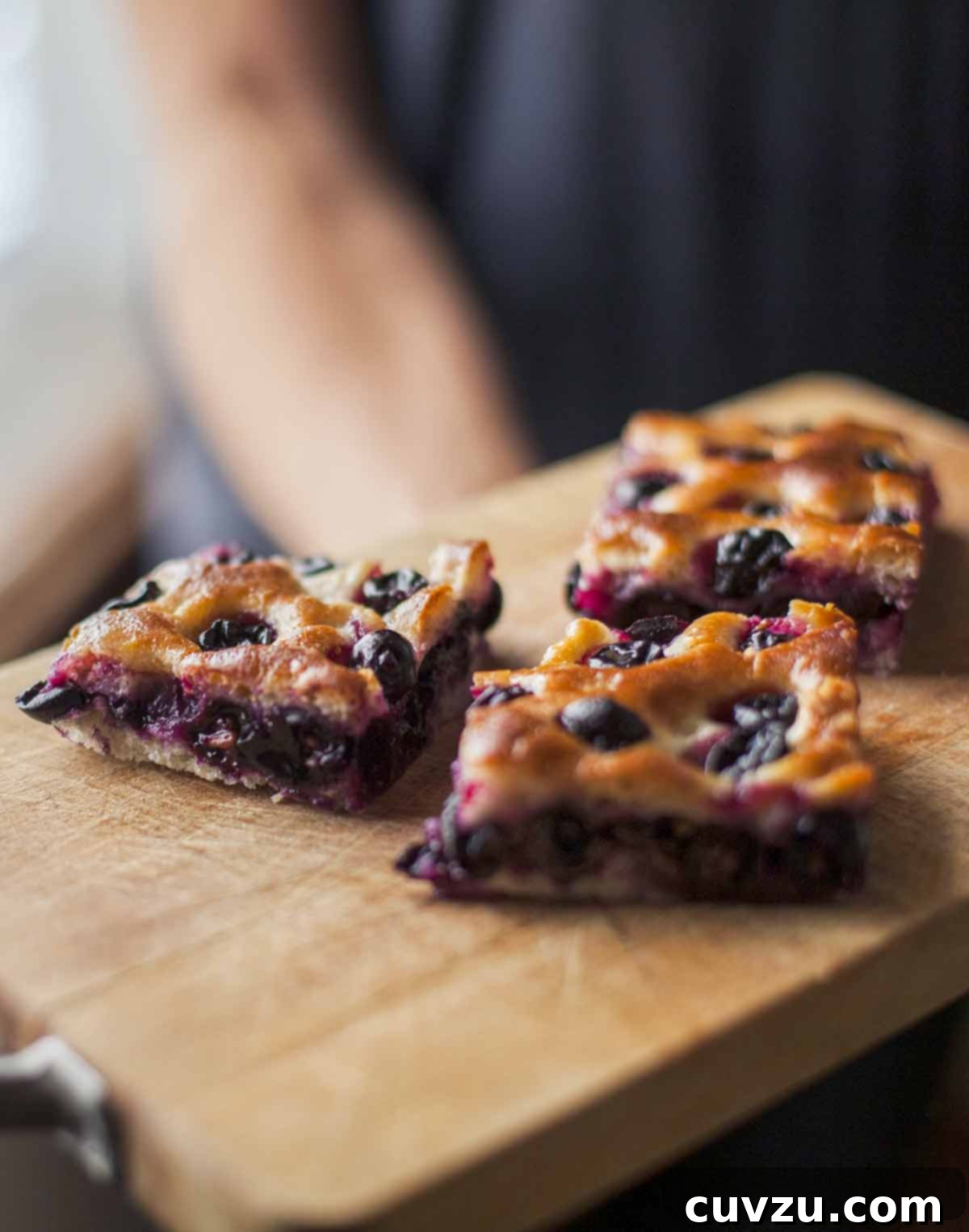
Grape Focaccia (Schiacciata All’uva): A Tuscan Sweet Bread Delight
Step into the heart of Tuscany with Grape Focaccia, affectionately known as Schiacciata All’uva. This magnificent tradition, sometimes called “winemakers’ focaccia,” is a testament to the simplicity and richness of Italian baking. Imagine a freshly baked, homemade flatbread generously adorned with a scattering of luscious black grapes, roasted to perfection until they burst and transform into a wonderfully jammy, sweet confection. The result is a uniquely balanced bread, offering a delightful interplay of chewy crust, tender crumb, and intensely sweet, concentrated grape flavor. It’s more than just a recipe; it’s a sensory journey to the sun-drenched vineyards of Italy, a seasonal celebration captured in every bite.
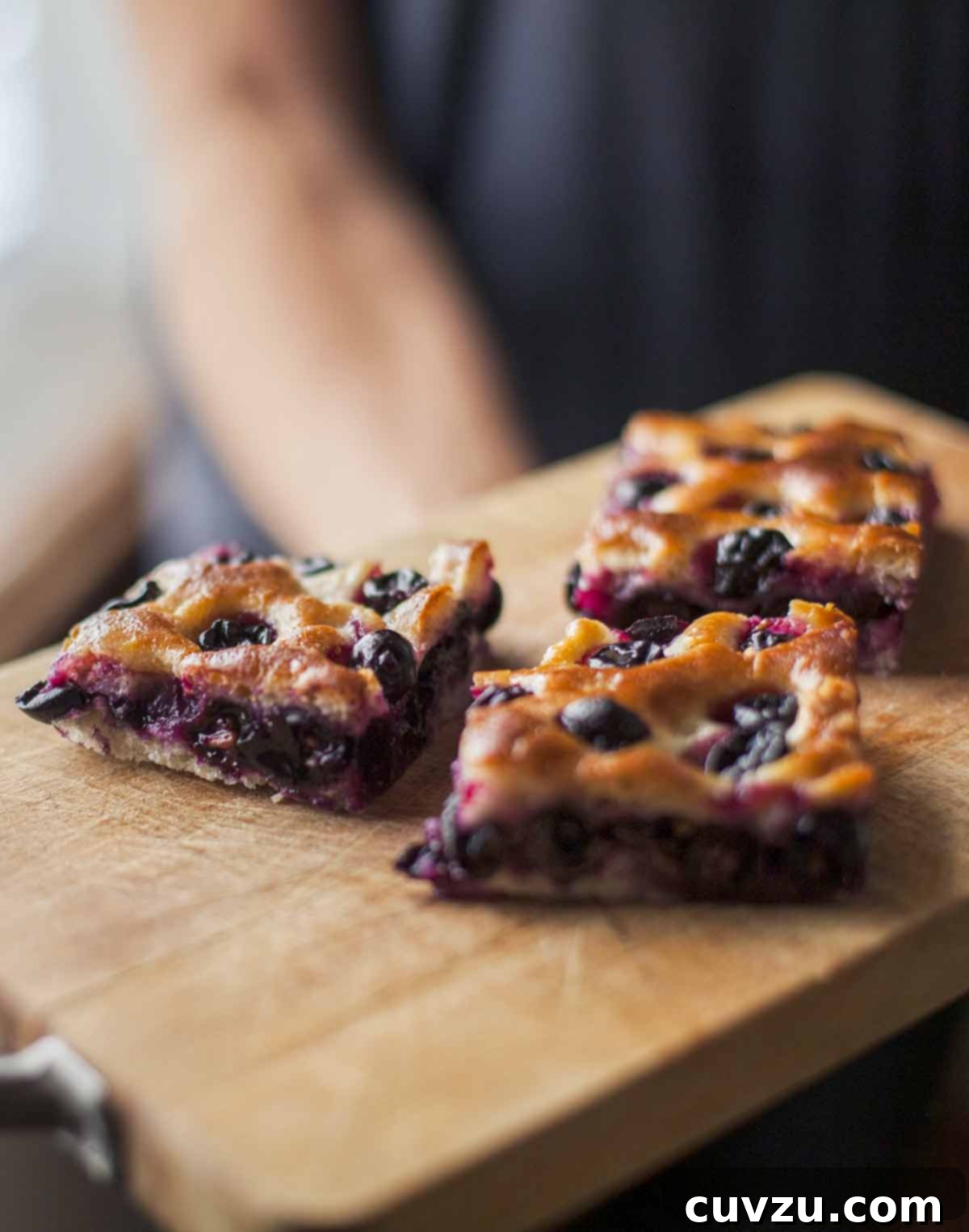
The Origins of Schiacciata All’uva: A Winemakers’ Tradition
The history of Grape Focaccia is deeply entwined with the Tuscan wine harvest. Historically, this delightful bread, or Schiacciata All’uva, derived its signature jamminess from the native Tuscan wine grapes known as Canaiolo. These small, dark grapes are an integral part of the renowned Chianti wine blend, making this focaccia a true expression of the region’s viticultural heritage. It was, and still is, a cherished Italian winemakers’ tradition, often prepared to celebrate the bounty of the harvest season.
While Canaiolo grapes offer an authentic taste, they can be difficult to find outside of Tuscany. Today, home bakers often opt for the more widely available and wonderfully fragrant Concord grapes (uva fragola), which impart a similar robust sweetness and vibrant color to the bread. Our own culinary experiments included various black grape varieties found in local markets, both seeded and seedless. Each attempt yielded spectacularly delicious results, affirming the versatility of this recipe. However, a word of caution for those using grapes with seeds: be prepared for a subtle, sometimes bitter, crunchiness that punctuates the soft bread, a characteristic that some find delightful and authentic, while others prefer the smooth texture of seedless varieties. The choice ultimately depends on your personal preference for texture and taste, but the essence of this sweet grape bread remains universally appealing.
Grape Focaccia: Schiacciata All’uva
Discover the authentic taste of Tuscany with this delightful homemade grape focaccia recipe. A beautiful flatbread studded with sweet black grapes, baked until golden and jammy. Perfect for a unique breakfast, dessert, or a savory-sweet snack.
By David Leite
Appetizer, Breakfast, Dessert
Italian, Tuscan
8 to 10 servings
392 kcal
30 minutes
30 minutes
2 hours 30 minutes (includes rise time)
Ingredients
For the Focaccia Dough
- 4 cups all-purpose flour, plus more for dusting
- 1 1/2 teaspoons Diamond kosher salt (or 1 teaspoon Morton’s kosher salt)
- 2 tablespoons fresh yeast or 1 envelope (2 1/2 level teaspoons or 1/4 ounce or 7 grams) active dry yeast
- 1 2/3 cups lukewarm water
- 5 tablespoons olive oil, plus more for the pan
For the Grape Focaccia Assembly
- 21 ounces Concord grapes (you can substitute another black grape variety, seeded or seedless, but DO NOT try to substitute red or green seedless table grapes)
- 1/3 cup superfine sugar
- Confectioners sugar (optional, for dusting)
- Coarse sea salt (optional, for sprinkling)
Instructions
Making the Focaccia Dough
-
In a large mixing bowl, combine the 4 cups of all-purpose flour with the 1 1/2 teaspoons of Diamond kosher salt. Stir them together thoroughly to aerate the flour, then create a clear well in the center of the mixture.
-
In a separate small bowl, gently dissolve the yeast in approximately 1/2 cup (4 1/2 ounces or 125 ml) of the lukewarm water. Allow it to sit for a few minutes until it becomes foamy, indicating the yeast is active.
-
Pour the activated yeast mixture into the well created in the flour. Begin mixing with your hand or a sturdy wooden spoon. Gradually add the remaining lukewarm water, a little at a time, ensuring the dough is thoroughly worked after each addition. This allows the flour to fully absorb the moisture, resulting in a cohesive dough.
-
Once the water is incorporated, add 1 tablespoon of the olive oil to the dough and mix until fully combined. At this stage, the dough will be noticeably wet and sticky. Instead of traditional kneading, work the dough with a wooden spoon or well-oiled hands for several minutes until it achieves a smooth, elastic texture.
-
Loosely cover the bowl with plastic wrap and place it in a warm environment to rise until it has doubled in size, which typically takes about 1 hour. For an even richer flavor development, you can opt to refrigerate the dough overnight and allow it to rise slowly.
Assembling and Baking the Grape Focaccia
-
Carefully separate the 21 ounces of Concord grapes (or your chosen black grape variety) from their stems. Rinse the grapes thoroughly under cool water and pat them completely dry with a clean cloth or paper towels.
-
Preheat your oven to 375°F (190°C) to ensure it’s at the correct temperature when the focaccia is ready for baking.
-
Generously oil an 8-inch-by-12-inch (20-cm-by-30-cm) baking sheet or a round pizza pan with olive oil. Using well-oiled hands to prevent sticking, divide the risen focaccia dough into two portions, with one being slightly larger than the other. Place the larger half onto the prepared oiled pan. Gently use your fingertips to spread the dough out evenly, covering the bottom of the pan and ensuring it’s no more than 1/2 inch (1.5 cm) thick.
-
Arrange approximately two-thirds of the prepared grapes evenly over the first layer of dough. Sprinkle half of the superfine sugar over the grapes, followed by about 2 tablespoons (1 fluid ounce/30 ml) of olive oil.
-
Carefully stretch the remaining, smaller portion of dough to roughly match the size of your baking pan. Gently place this second dough layer on top of the grape filling, continuing to stretch and adjust as needed to completely cover the grapes and the bottom dough layer.
-
To seal in the delicious filling, roll up the edges of the bottom dough layer from underneath, neatly crimping them with the top layer. Gently press down all over the surface of the focaccia with your fingertips to create characteristic dimples. Finally, arrange the rest of the grapes on the top surface of the dough, sprinkling them evenly with the remaining superfine sugar and the final 3 tablespoons (1 1/2 ounces/45 ml) of olive oil.
-
Bake the grape focaccia in the preheated oven for 30 to 35 minutes, or until the dough is beautifully golden brown and delightfully crunchy, and the grapes have softened and are oozing their sweet juices.
-
Remove the focaccia from the oven and allow it to cool completely before cutting into squares or wedges. While not strictly traditional, a light dusting of confectioners sugar or a sprinkle of coarse sea salt just before serving can add an extra touch of elegance and flavor. This Grape Focaccia is absolutely best enjoyed on the day it’s baked, ensuring maximum freshness and flavor.
Recipe Notes and Variations
Aromatic Aniseed Grape Focaccia
While this traditional recipe is often savored in its pure form, an occasional adaptation includes the fragrant addition of aniseed, a quintessential Tuscan flavor for sweets. This enhancement introduces a wonderful extra perfume to the bread. If you choose to explore this variation, add 1/2 teaspoon of aniseed when incorporating the first half of the grapes into the dough. Then, when you arrange the remaining grapes on the surface of the focaccia, sprinkle another 1/2 teaspoon of aniseed before dusting with sugar and olive oil.
Blueberry Focaccia: A Creative Twist
Should Concord grapes or authentic wine grapes be out of season or unavailable, a surprisingly excellent substitution can be made with blueberries. While entirely unorthodox from a traditional Tuscan perspective, replacing the grapes with about 18 ounces (500 g) of fresh blueberries yields a result far superior to using standard red or green table grapes. The blueberries bake down into a similarly jammy, sweet filling, offering a delightful alternative that captures the spirit of a sweet fruit focaccia.

Adapted From
Florentine: The True Cuisine of Florence
Buy On Amazon
Nutrition Facts (per serving)
Calories: 392 kcal
Carbohydrates: 70 g
Protein: 7 g
Fat: 10 g
Saturated Fat: 1 g
Monounsaturated Fat: 6 g
Sodium: 7 mg
Fiber: 3 g
Sugar: 20 g
Note: Nutrition information is an approximation and may vary based on ingredients and preparation.
Tried this recipe?
Share your creation on Instagram! Mention @leitesculinaria or tag #leitesculinaria. We’d love to see it!
Insights from Our Recipe Testers
Trisha T.
Trisha T. admitted to an initial skepticism about pairing Concord grapes with bread, but her doubts quickly dissipated. She found this grape focaccia utterly irresistible, praising how the grapes in the center beautifully melt into a rich, jam-like consistency. For her, the focaccia was sweet enough to serve as a dessert, yet equally perfect for a satisfying breakfast. The most challenging aspect was stretching the second layer of dough, which proved delicate and prone to tearing. Her solution involved oiling a separate baking sheet to press out the dough before carefully transferring it. While she didn’t use confectioners’ sugar, she suggested a sprinkle of coarse sugar could add an elegant sparkle. Inspired by the success, she plans to try the blueberry variation and also noted that while she enjoyed the crunch from grape seeds, others might prefer seedless options.
Monica M.
Monica M. was absolutely captivated by this grape focaccia, declaring it a delicious “keeper” and far better than she had anticipated. The flavors reminded her of a delectable plum cobbler. She appreciated the swiftness of the recipe, completing it in under two hours by making the dough and focaccia on the same day. Monica offered a delightful, albeit untraditional, serving suggestion: a dollop of vanilla ice cream with the focaccia straight from the oven. Eager to experiment, she expressed enthusiasm for trying it with a variety of other fruits like blueberries and peaches, envisioning it as a versatile addition to brunch or a comforting dessert.
Irene Seales
Irene Seales approached this grape focaccia with intrigue, finding it a uniquely different take on focaccia, perfectly suited for grape harvest season. Initially concerned about aniseed dominance, she opted to use cracked aniseed only on the top layer. Before sourcing wine grapes, she successfully tried the recipe with blueberries, confirming its adaptability. For her second attempt, Irene sought to refine her dough handling, emphasizing the benefits of a cold rise. She noted that chilling the very wet dough overnight made it significantly easier to manage and divide, especially when weighed for accuracy. She found a dough whisk more efficient than hand-mixing for the initial incorporation. Furthermore, generously oiling the pan was crucial for easy removal after cooling. Her second batch, benefiting from a slightly stronger flour and the overnight rise, resulted in a more bread-like, less cakey texture, closer to what one might achieve with 00 flour. She also added a subtle sprinkle of fine grey sea salt, split between the layers, to enhance the overall flavor, noting that the traditional recipe often omits salt from the dough itself.
Irene’s ultimate success came with the use of small wine grapes, generously provided by a vintner friend. She describes this version as a “10+,” praising the beautiful crunch and slightly peppery note from the seeds. The experience was so rewarding that she now plans to “beg” her vineyard neighbors for grapes next season. She confidently recommends the overnight cold rise for superior flavor and easier dough handling. Irene concludes that this recipe is a definite keeper, and the blueberry version provides a fantastic year-round option for enjoying this remarkable sweet bread.
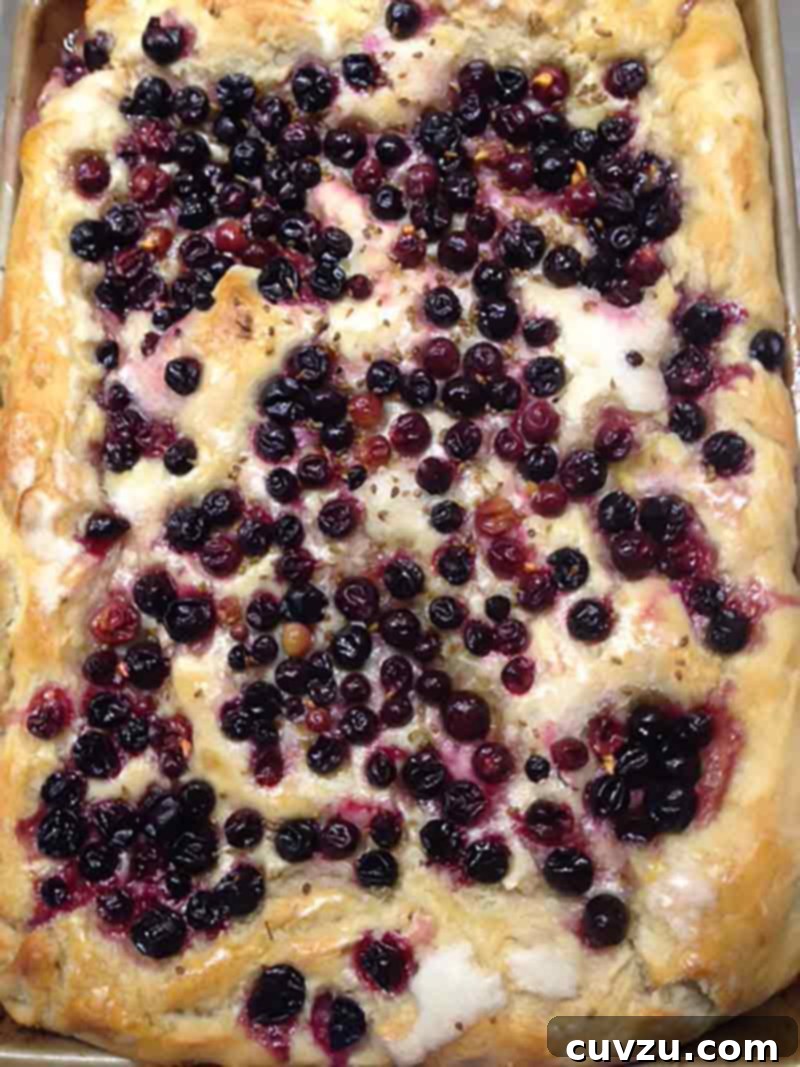
Sita Krishnaswamy
Sita Krishnaswamy affirmed that the effort invested in this recipe is undeniably worthwhile, resulting in an “amazingly flaky flatbread.” She wisely prepared the dough a day in advance, making the assembly of the schiacciata on the following day a breeze. For baking, she chose a pizza stone instead of a baker’s peel, finding it to be a highly effective alternative for achieving that perfect crust.
Adrienne Lee
Adrienne Lee praised the very good flavor of the grape focaccia. She noted that the dough was extremely wet, requiring additional flour after 11 minutes of mixing. Adrienne speculated that environmental factors, such as the snowy weather in her location, might have influenced the dough’s consistency. She emphasized that while the recipe yields excellent flavor, some prior experience with bread baking would be beneficial for understanding how to properly handle and adjust such a wet dough. Her advice highlights the importance of baker’s intuition when working with a dough that can be sensitive to humidity and temperature.