
This classic lemon meringue pie combines a bright sweet‑tart lemon filling with a crisp, buttery crust and a light, stable meringue topping. A few simple techniques—using cream of tartar, a touch of cornstarch, and fully baking the meringue—help prevent weeping so the pie stays attractive and sliceable for days.

I love a well-made lemon meringue pie: the balance of tart lemon and gentle sweetness, the airy meringue, and the flaky, buttery crust. Meringue is the part that can be fussy—done right it makes the pie exceptional; done poorly it can turn the dessert soupy. I tested many variations to create a reliably stable topping.
This recipe uses a traditional French meringue that is fully baked. While French meringue can eventually soften, following a few key steps—adding cream of tartar, a little cornstarch, and ensuring the meringue reaches the proper temperature—will keep it stable for several days. If you prefer an even more fail‑safe option, Swiss meringue is extremely reliable, though it has a slightly marshmallow‑like flavor that some feel can compete with the lemon filling.

Why This Is The Best Lemon Meringue Pie
- Tart, balanced filling. The filling is both creamy and bright, capturing the ideal sweet‑tart lemon flavor.
- Stable, long‑lasting meringue. After extensive testing, this meringue holds up well when made correctly. With the right technique you don’t need to serve the pie immediately—the topping remains attractive and sliceable for days.
- Simple to prepare. The crust, filling, and meringue are straightforward. The most important part is ensuring the meringue is fully baked.
- Great for special occasions. Lemon meringue is a showy, classic dessert that’s perfect for holidays and gatherings. It looks impressive and tastes wonderful.
Key Ingredients
Below is an overview of the main ingredients and the role each plays. Exact amounts are listed in the recipe card at the end of this post.
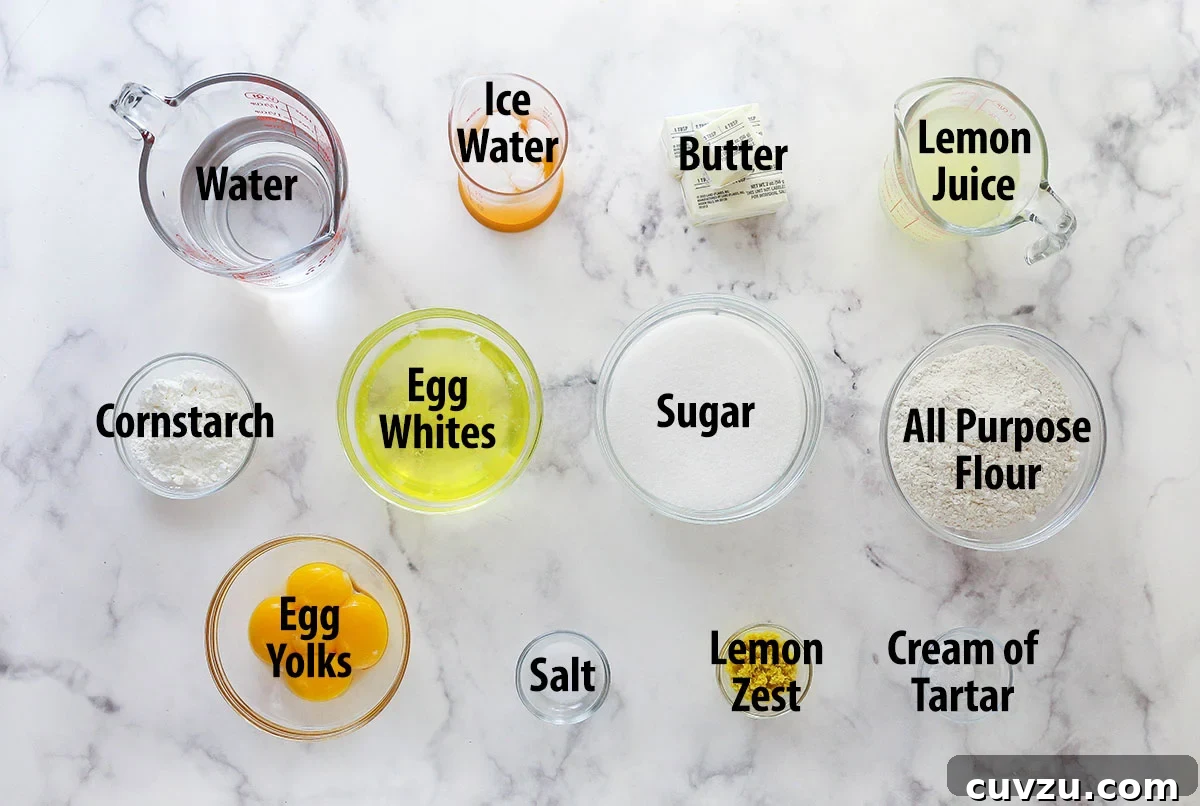
Crust Ingredients
- Flour – Measure accurately for a tender crust. Weighing flour is best, or use the spoon‑and‑level method.
- Salt – Enhances flavor.
- Butter – Use cold unsalted butter, cut into small cubes for a flaky texture. If using salted butter, omit added salt.
- Ice water – Keeps the butter cold so the crust stays flaky rather than greasy.
Lemon Filling Ingredients
- Egg yolks – Thicken and enrich the filling.
- Water – Provides the base liquid without adding extra fat.
- Cornstarch – Adds structure and thickens the lemon curd.
- Salt – Balances and enhances the lemon flavor.
- Fresh lemon juice – Use fresh juice for bright, natural flavor.
- Lemon zest – Intensifies the lemon aroma and taste.
- Butter – Adds silkiness and gloss to the finished filling.
Meringue Ingredients
- Egg whites – The foundation of the meringue.
- Cream of tartar – Stabilizes the whites and helps prevent weeping.
- Sugar – Strengthens the meringue’s structure and adds sweetness.
- Cornstarch – Optional, but helpful for reducing weeping.
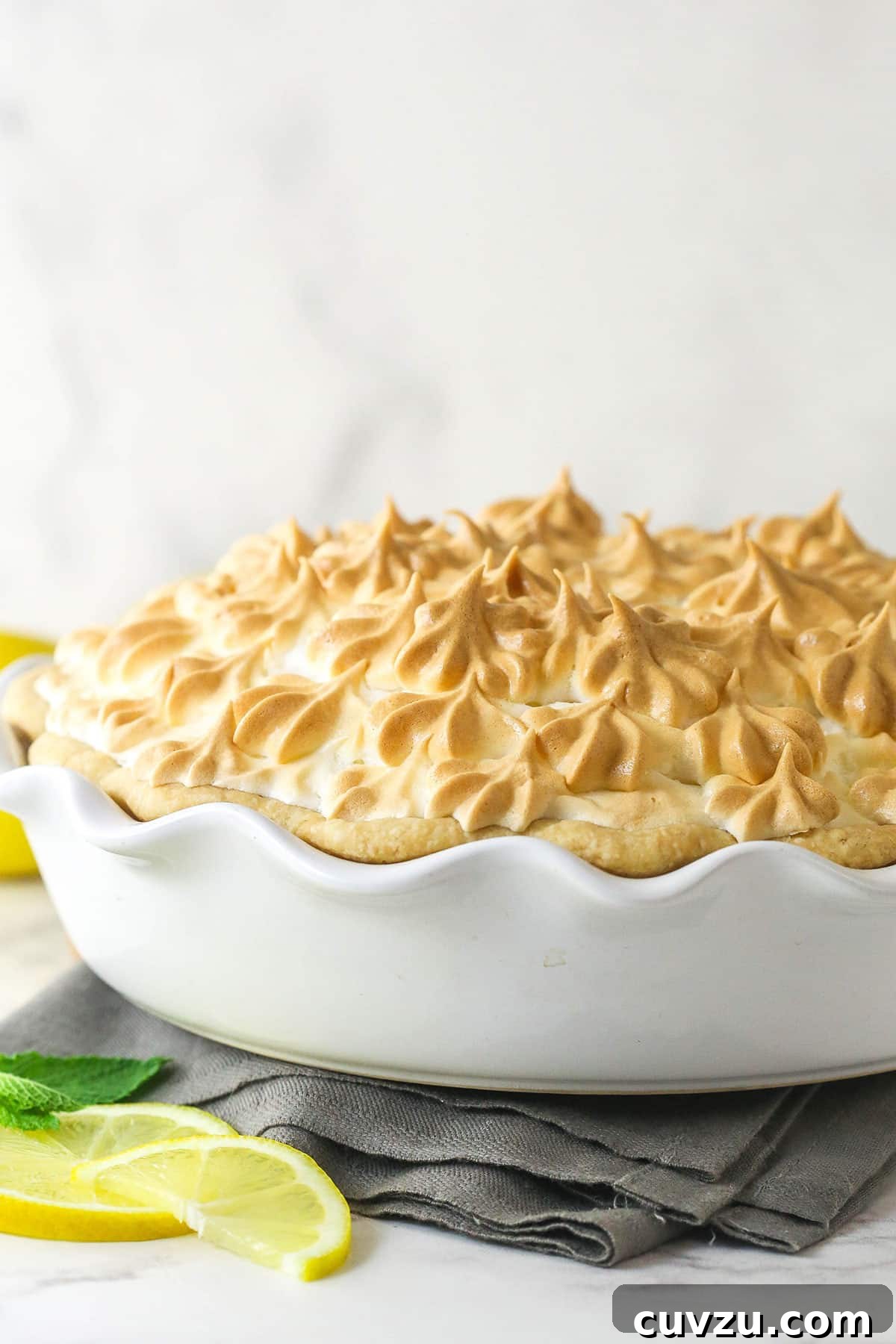
How To Make Lemon Meringue Pie
The crust should chill thoroughly before baking, and the meringue is applied to a warm filling so it finishes cooking from the bottom as well as the top. You can make the crust ahead of time to streamline the process. Detailed, printable steps are provided in the recipe card below.
Make the crust
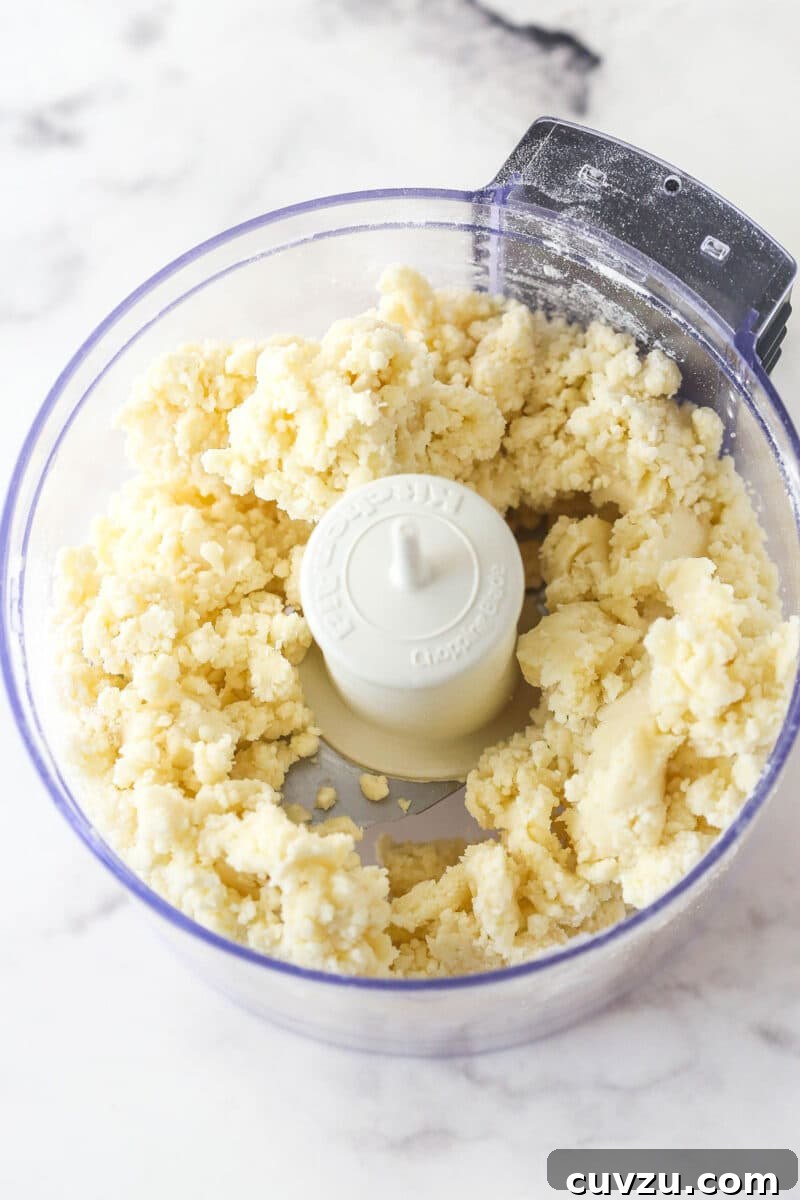
Pulse part of the flour and salt, add the cubed butter, and pulse until the mixture resembles coarse crumbs with the flour coated.
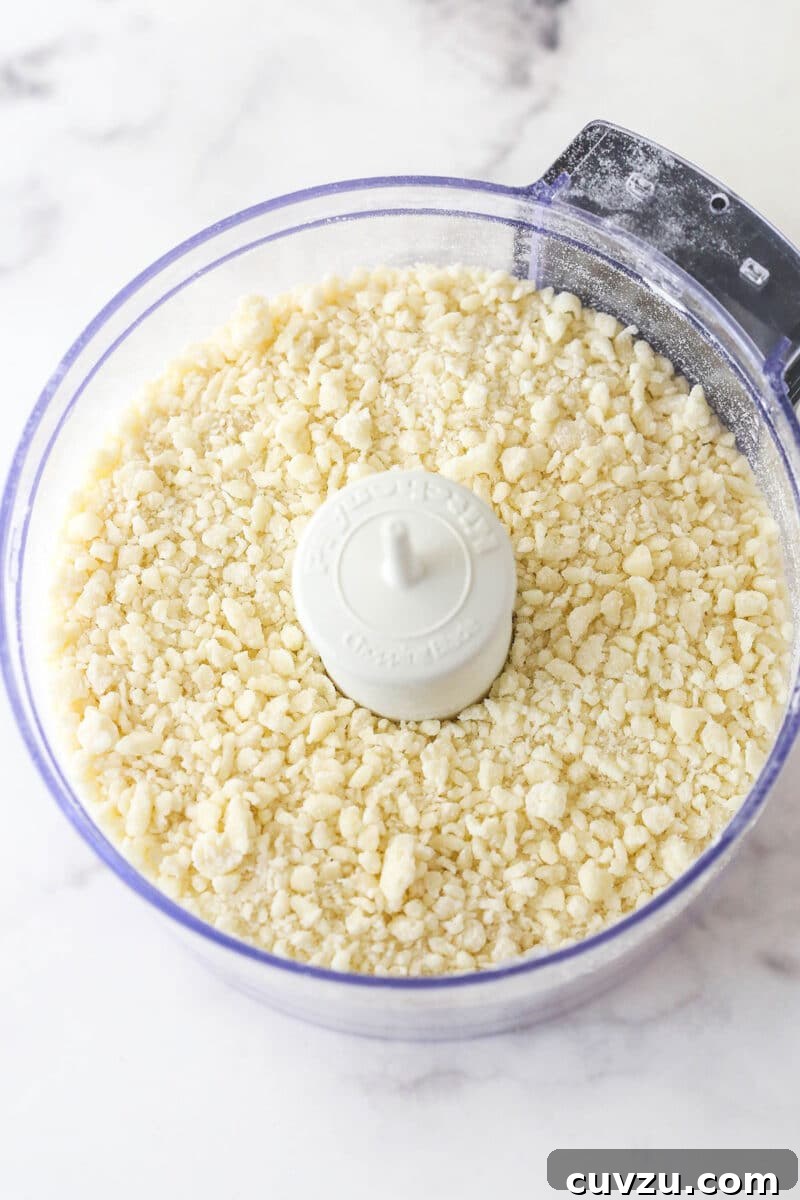
Add the remaining flour and pulse until everything looks evenly distributed and sandy.
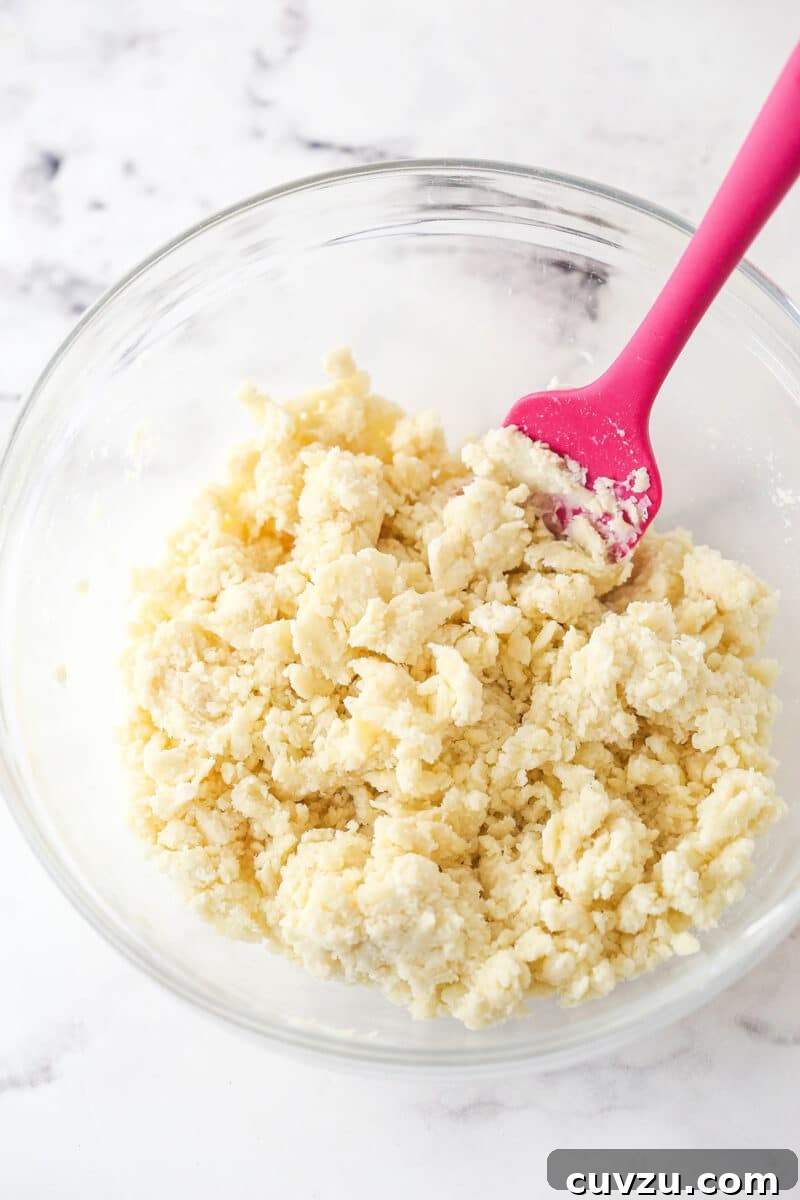
Transfer to a bowl, add 2 tablespoons of ice water, and fold gently until the dough just holds together. Add another tablespoon or two if needed.
Note: The dough is ready when it holds together when pinched. If it falls apart, add a little more ice water.
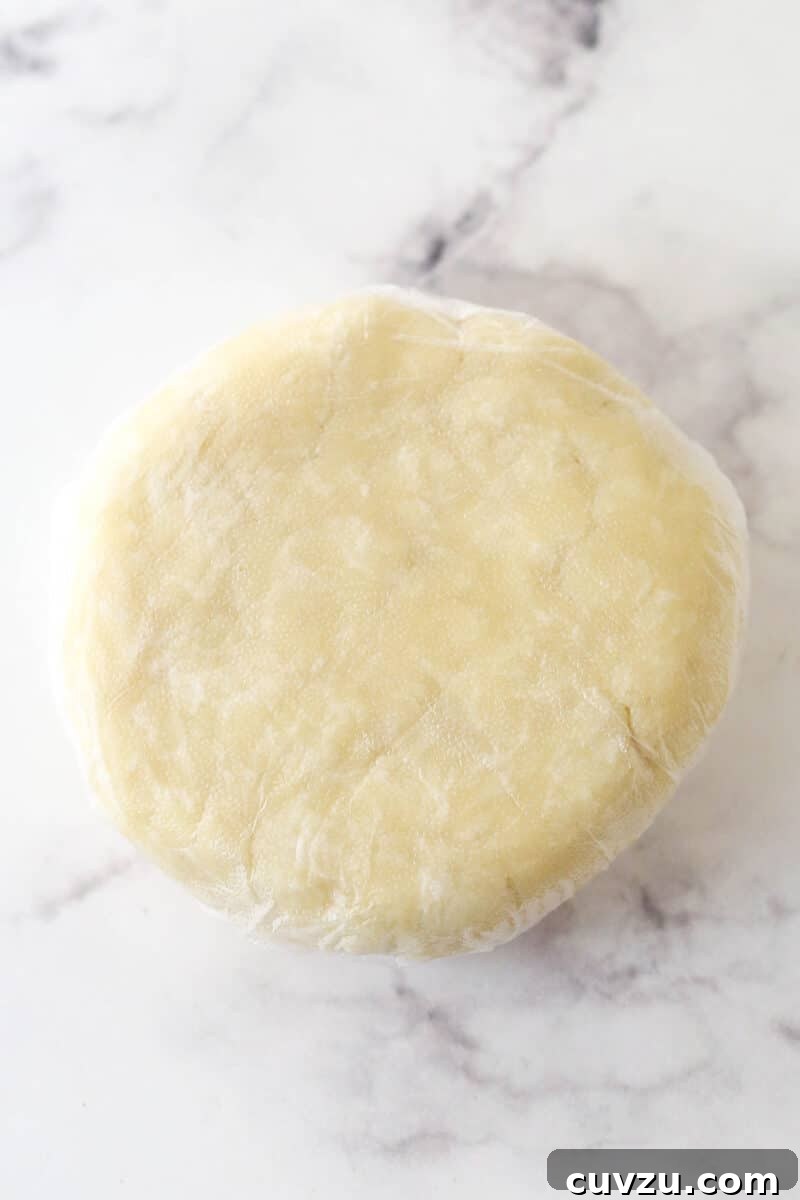
Form the dough into a disc, wrap it, and refrigerate for at least an hour to firm up.
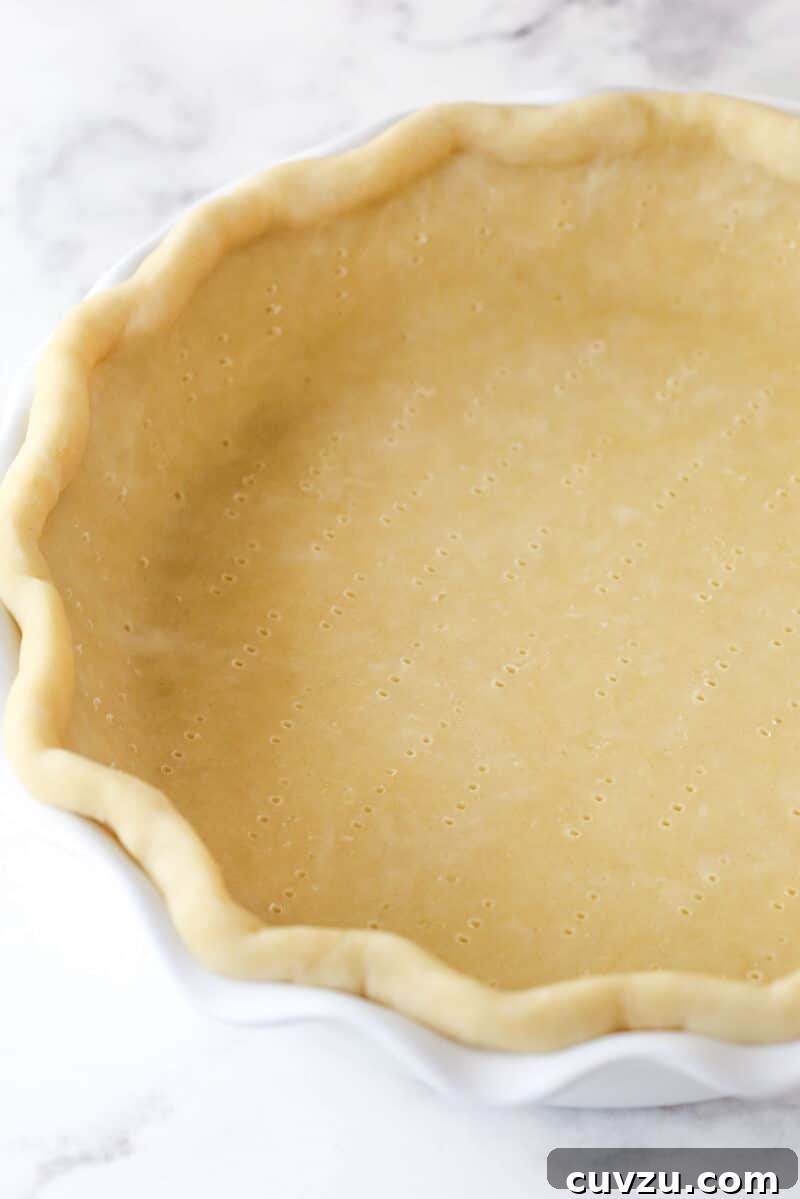
Roll the chilled dough, fit it into a 9‑inch deep‑dish pie plate, dock the bottom with a fork, and return it to the refrigerator until very cold.
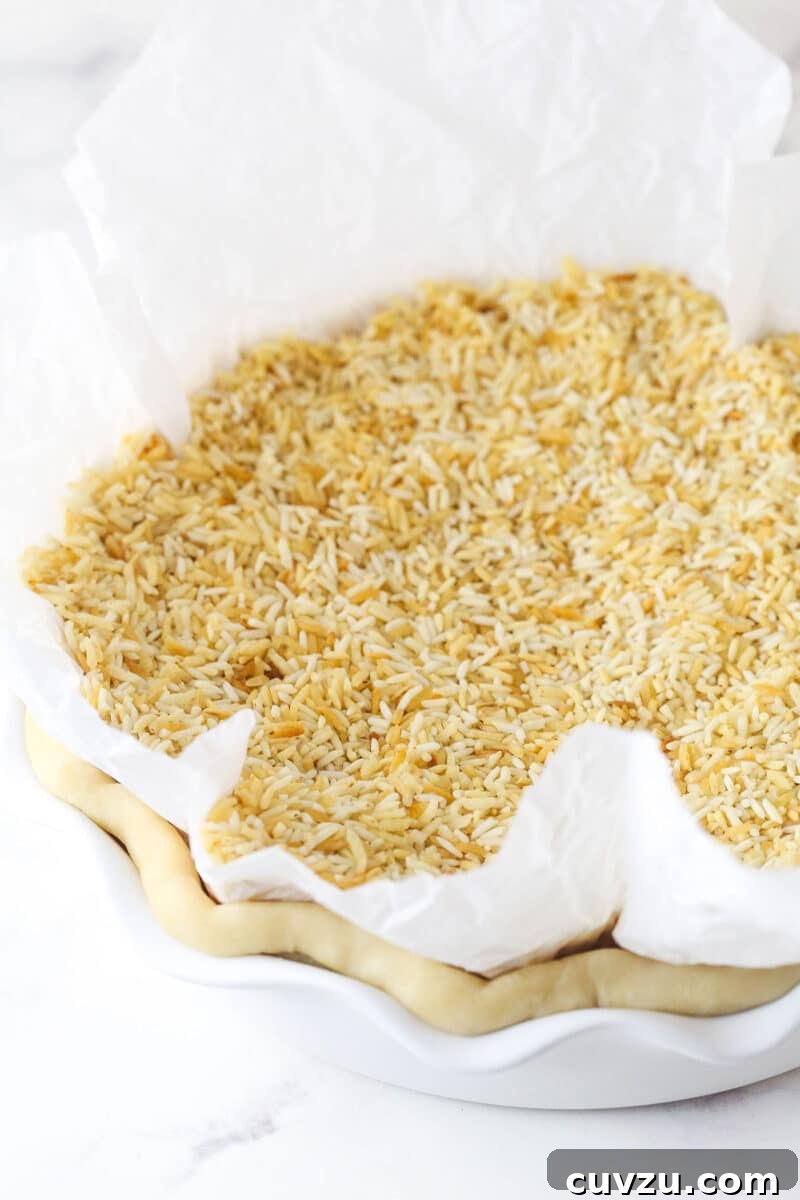
Preheat the oven to 350°F. Line the crust with parchment and fill with pie weights, dry rice, or beans.
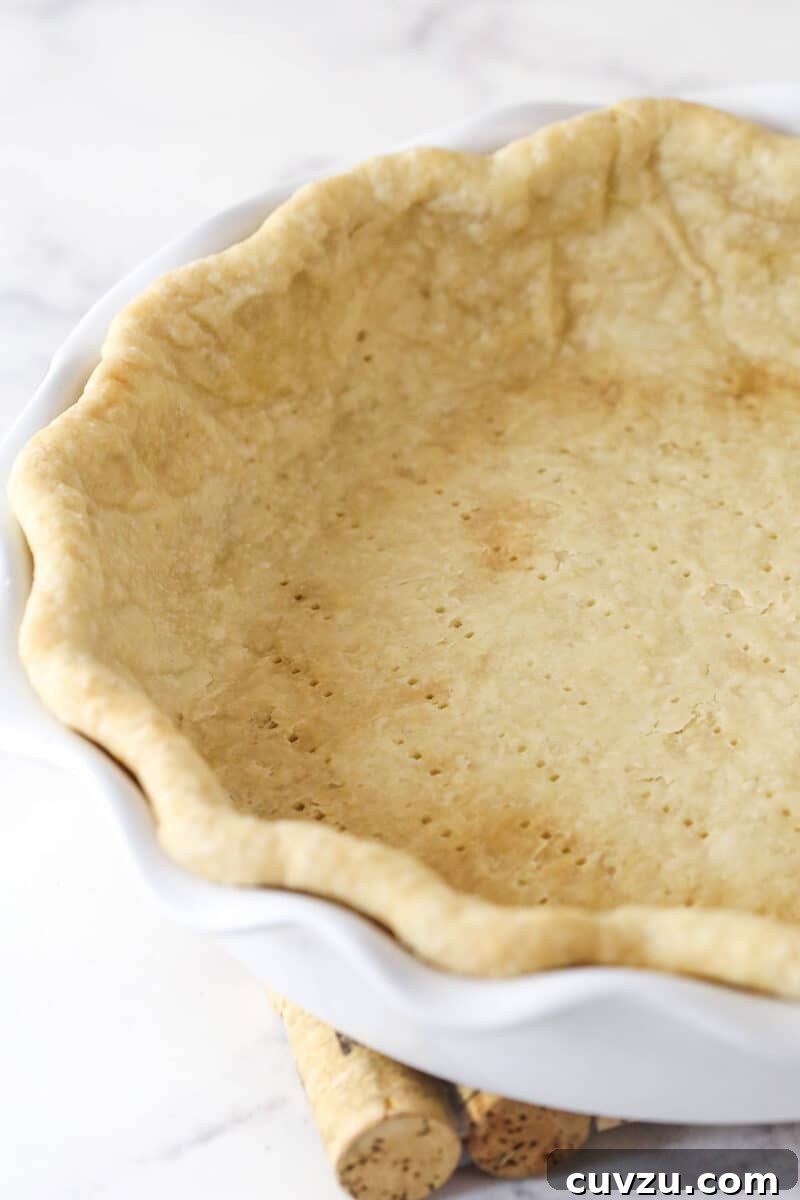
Blind‑bake for 20–25 minutes until the edges begin to brown, remove the weights and parchment, then bake 5 minutes more until lightly golden. Let cool while preparing the filling.
Make the lemon filling
Whisk the egg yolks in a bowl and set aside.
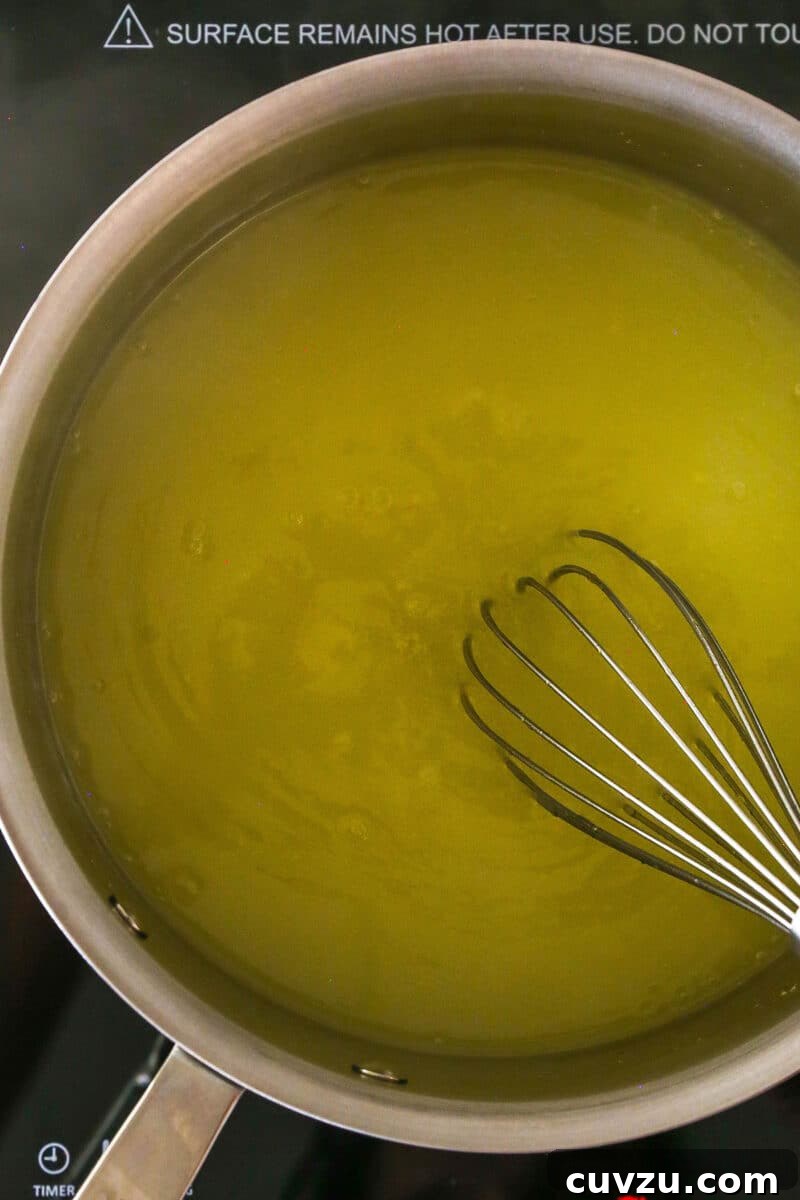
In a medium saucepan, whisk together the water, sugar, cornstarch, salt, lemon juice, and zest. Heat over medium until the mixture thickens and begins to bubble.
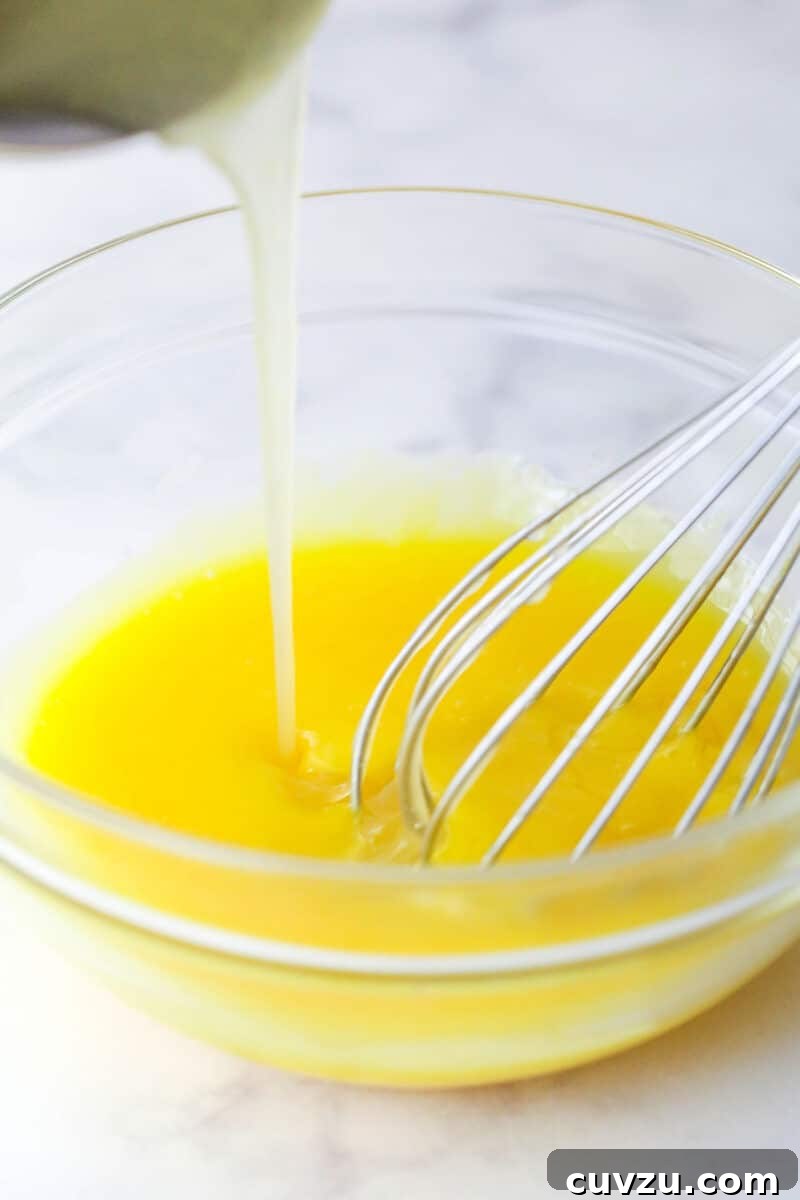
Remove from heat and temper the egg yolks by streaming about 1/4 cup of the hot lemon mixture into them while whisking rapidly to prevent scrambling.
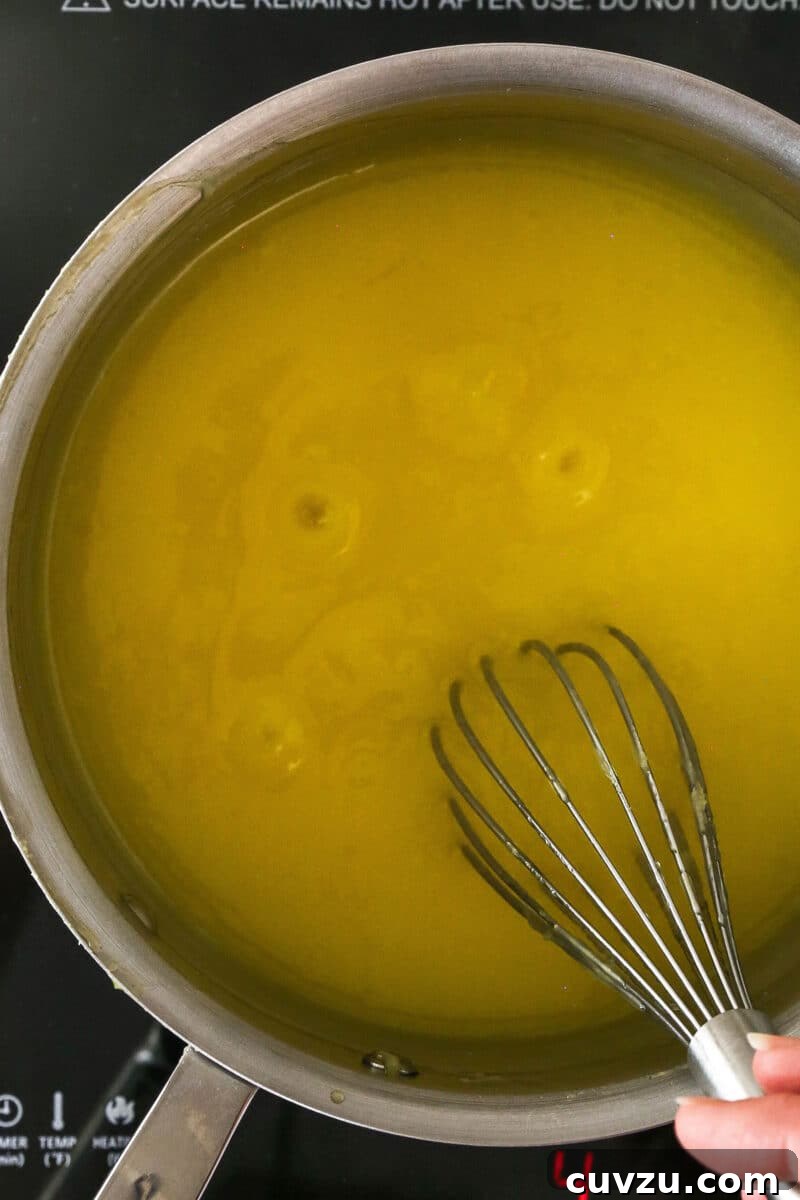
Stir the yolk mixture back into the saucepan and cook over medium until the filling is thick and large bubbles burst at the surface, about 1 minute.
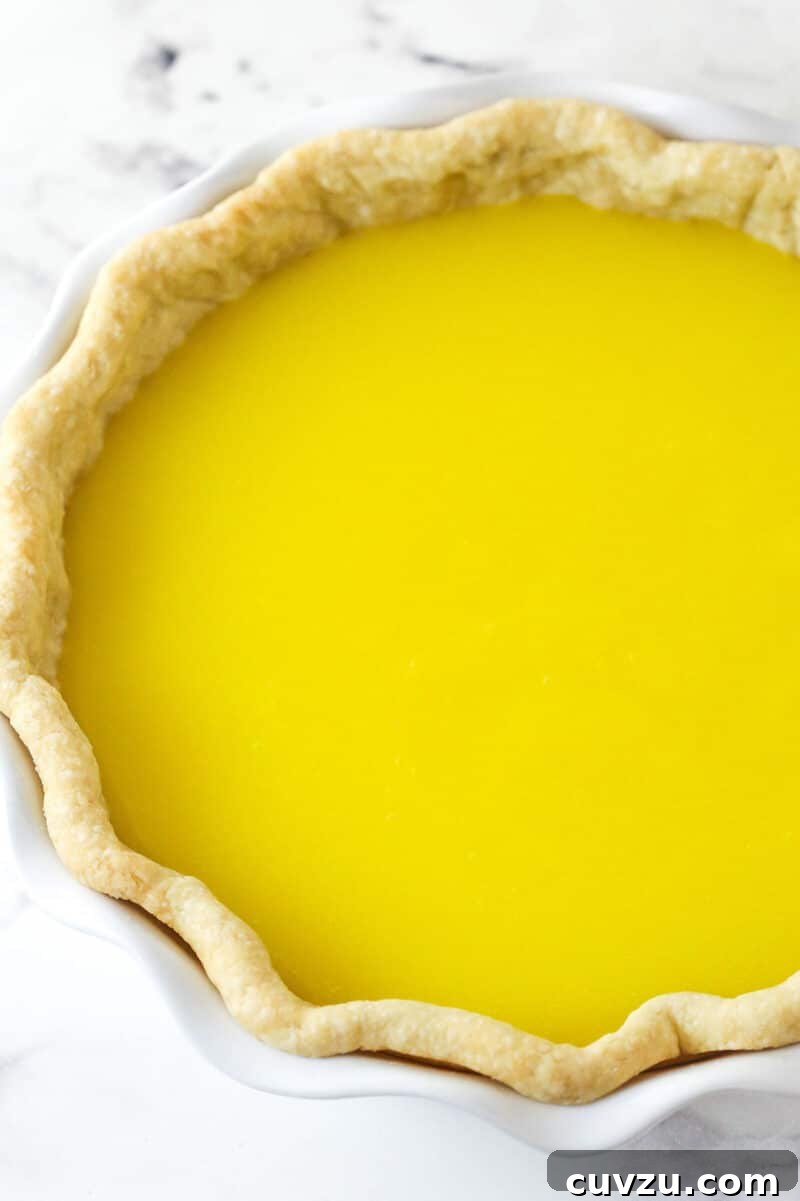
Remove from heat, whisk in the butter until smooth, then spread the filling evenly into the blind‑baked crust. Keep the filling warm while you prepare the meringue.
Make the meringue
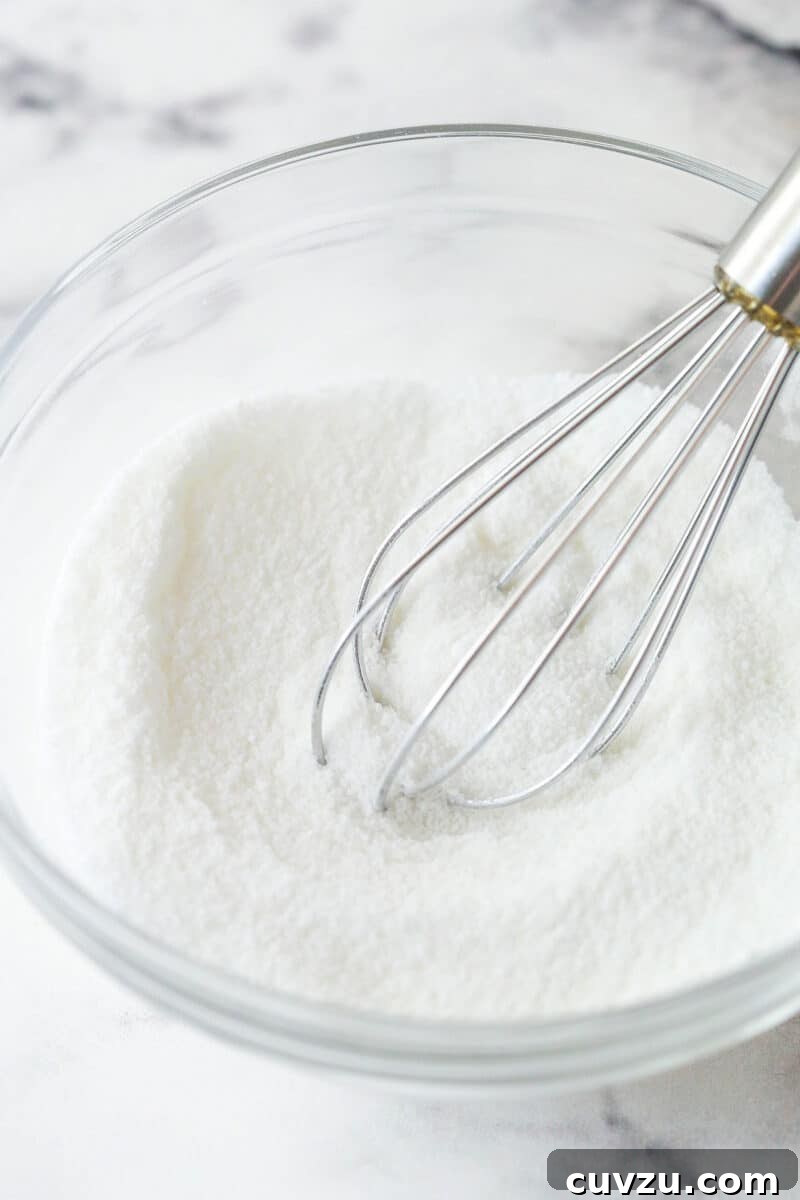
Combine the sugar, salt, and cornstarch for the meringue and set aside.
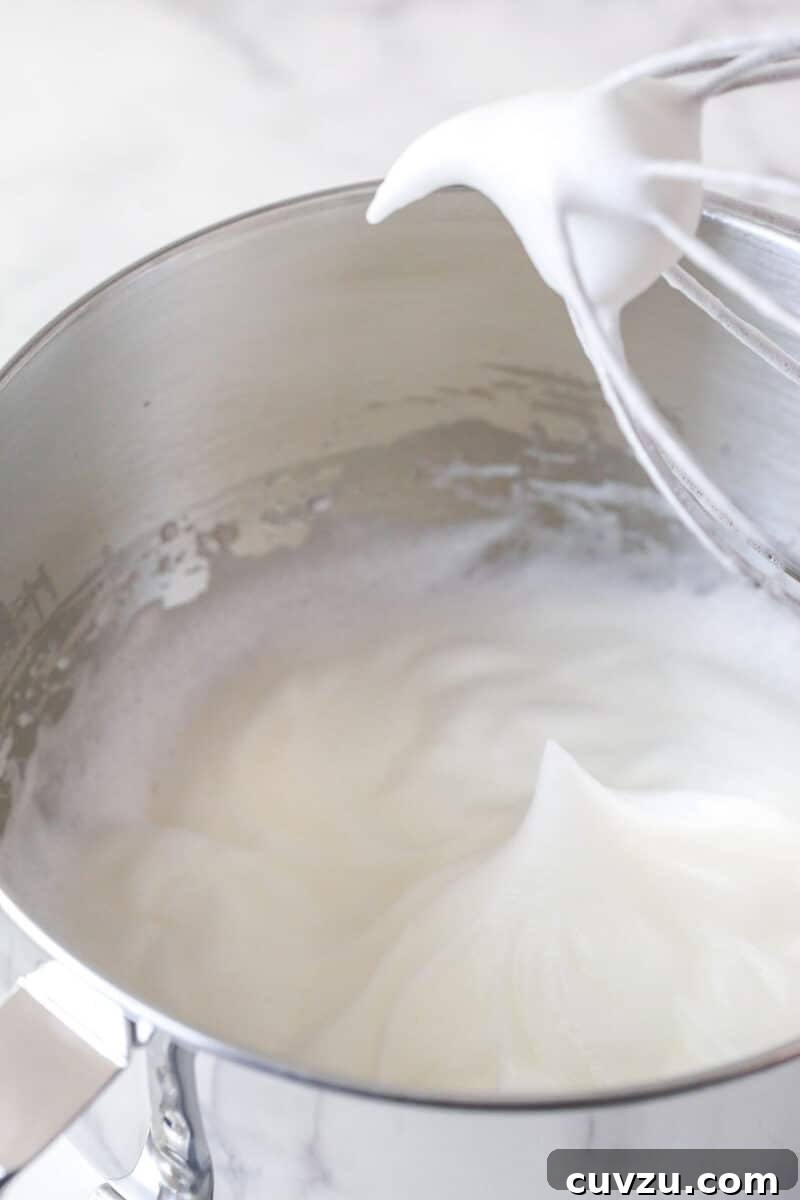
In a very clean bowl, whip the egg whites with cream of tartar on medium until foamy, then increase speed to high until soft peaks form.
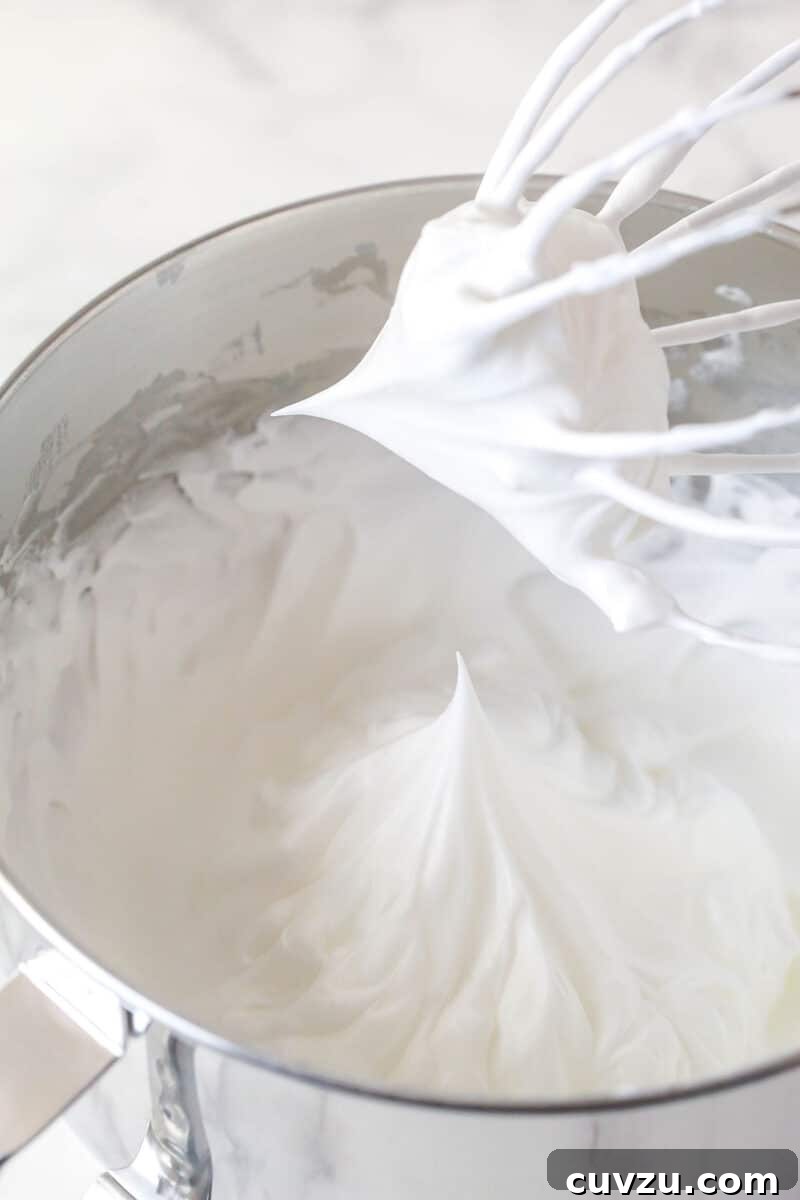
Add the sugar‑cornstarch‑salt mixture a little at a time, whipping until stiff, glossy peaks form and the mixture is no longer grainy.
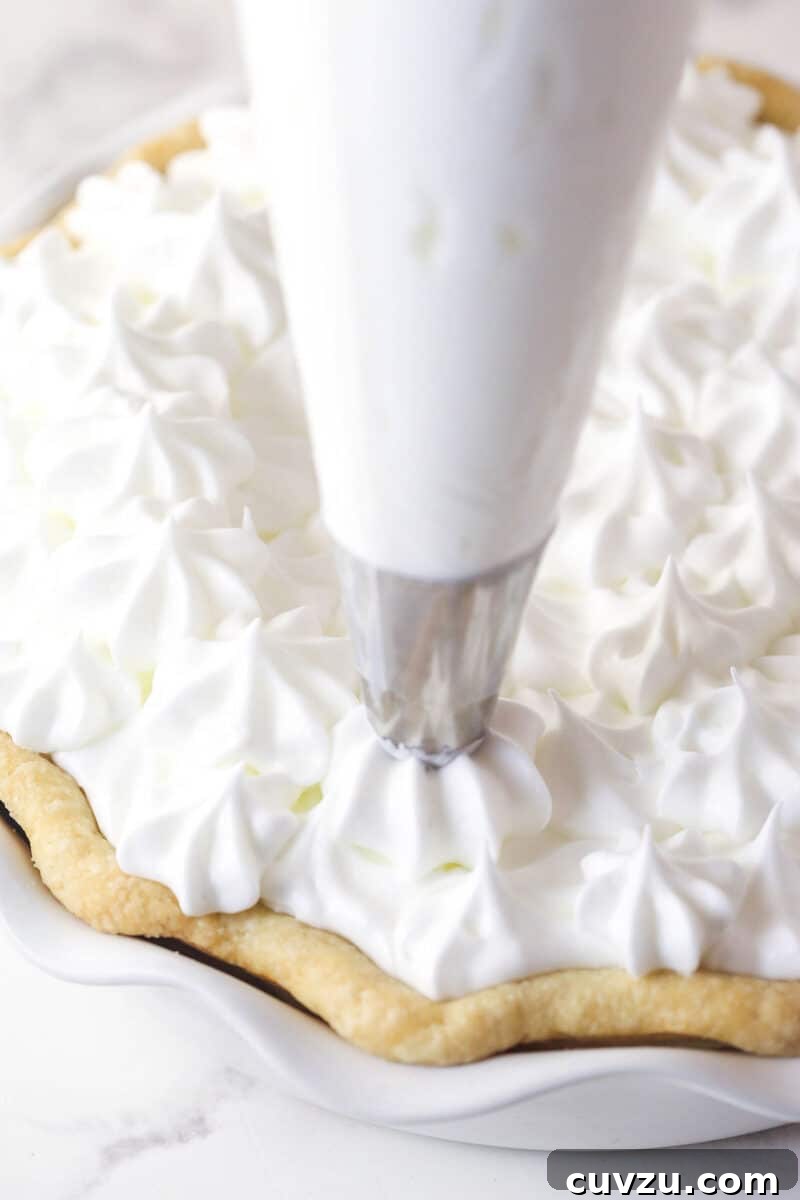
Spread or pipe the meringue over the warm filling, pressing it to the crust all the way around to form a seal that prevents shrinking.
Bake at 325°F for 30–35 minutes, or until the meringue reaches 160°F. Let the pie cool at room temperature for about an hour, then refrigerate for 4–5 hours before slicing and serving.
Tips For Meringue That Won’t Weep
The meringue is the most critical element for success. Follow these tips to minimize weeping and keep the pie neat and firm.
- Add sugar only after soft peaks form. Wait until the whites reach soft peaks, then add sugar and continue whipping to stiff peaks. This timing helps the meringue bond to the filling.
- Use a bit of cornstarch. Cornstarch helps absorb excess moisture and reduces the chance of weeping.
- Seal the meringue to the crust. Spread or pipe the meringue to the very edge so it adheres to the crust and is less likely to shrink away.
- Bake the meringue completely. Undercooked meringue will weep and make the pie runny. Eggs set at 160°F, so if possible use an instant‑read thermometer to verify doneness.
- Top the filling while it’s warm. The warmth helps cook the underside of the meringue as it bakes, improving set and adhesion.
- Bake at a moderate temperature. A gentle bake lets moisture evaporate while the meringue sets; too hot and the top will brown before the inside dries, which can cause syrupy beads on the surface.
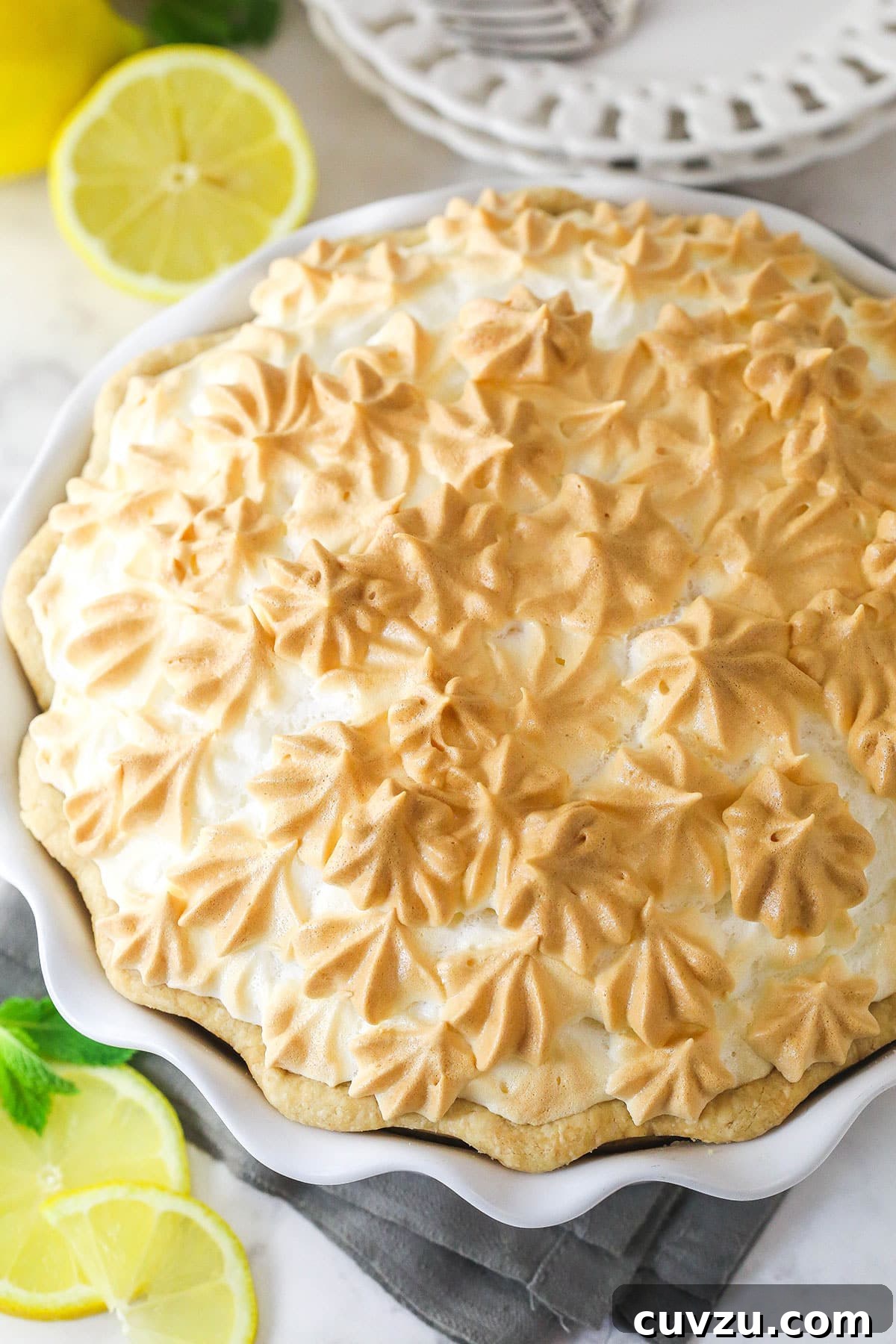
Why Did a Crust Form On Top Of My Meringue?
A crusty layer on top of the meringue usually means too much sugar was added. Stick to the recipe amount for best results.
Why Is My Pie Full of Liquid?
If the pie is sitting in excess liquid, the meringue likely weeped—often because it was underbaked. Adding meringue to a warm filling and baking until the meringue reaches 160°F helps the proteins set properly. Other causes of weeping include baking at too high a temperature, which can leave moisture trapped inside and cause syrupy droplets to form on the surface.
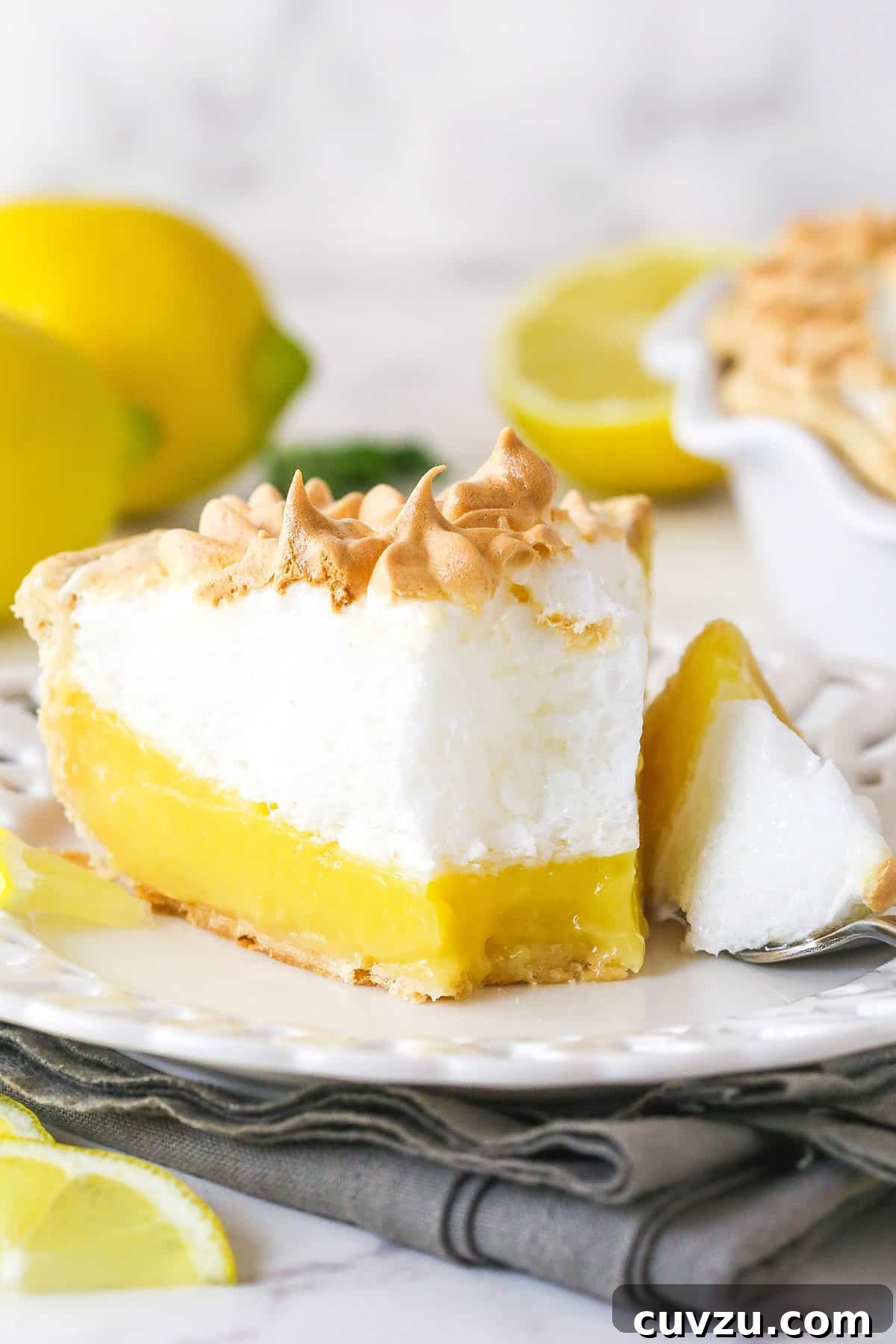
Make Ahead & Storage
This pie is best after it has chilled for several hours, but the meringue was developed to remain stable for longer. Ideally make the pie within 24 hours of serving. Store leftovers tightly covered in the refrigerator for 2–3 days; a properly baked meringue may begin to weep slightly but should remain attractive.
Watch How To Make It
More Classic Pie Recipes
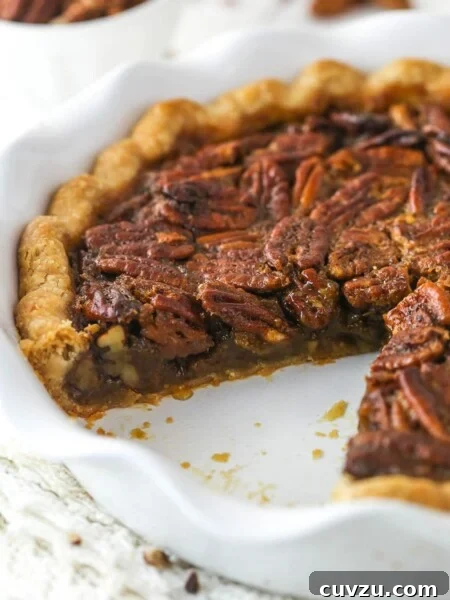
Classic Pecan Pie
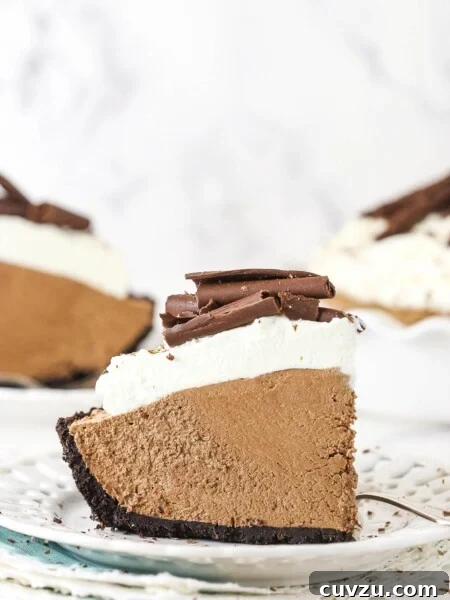
French Silk Pie
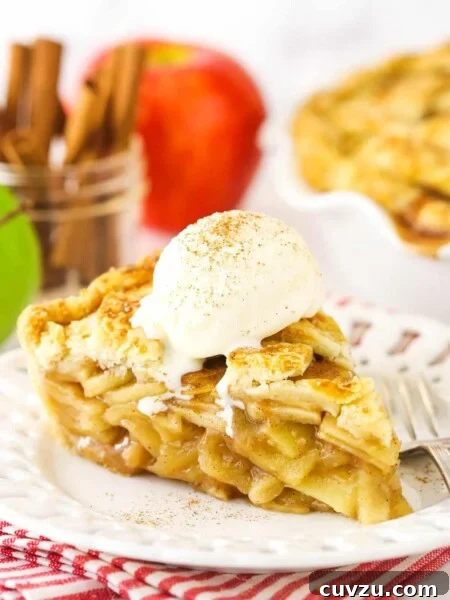
Homemade Apple Pie

Classic Banana Cream Pie

Lemon Meringue Pie
Ingredients
Crust
- 1 ¼ cups (163g) all-purpose flour (divided)
- ½ teaspoon salt
- ½ cup (112g) unsalted butter (cold, cut into ½ inch cubes)
- 2-4 tablespoons ice water
Lemon Filling
- 5 large egg yolks
- 1 ¼ cups water
- 1 ¼ cups (259g) sugar
- 5 tablespoons (40g) cornstarch
- ¼ teaspoon salt
- ¾ cup fresh lemon juice (3-4 large lemons)
- 1 tablespoon lemon zest
- 2 tablespoon butter
Meringue Topping
- 5 large egg whites (room temperature)
- ¾ teaspoon cream of tartar
- ½ cup (104g) sugar
- 1 tablespoon cornstarch
- Pinch of salt
Instructions
Make the crust
-
NOTE: A food processor speeds up crust making, but you can cut butter into the flour by hand and proceed the same way.
-
Pulse 3/4 cup (98g) of flour with salt a few times, add the cubed butter and pulse until crumbly.
-
Add the remaining 1/2 cup (65g) flour and pulse until the mixture looks sandy with no large chunks.
-
Move to a bowl, add 2 tablespoons ice water, and fold until the crumbs form clusters. Add 1–2 more tablespoons water if the dough doesn’t hold when pinched.
-
Shape into a disc, wrap, and refrigerate 1 hour to 2 days.
-
Roll the chilled dough between parchment sheets, transfer to a 9‑inch deep pie plate, dock with a fork, and chill until very cold (2–3 hours or freeze 20 minutes).
-
Preheat oven to 350°F (180°C). Line the crust with parchment and fill with pie weights, rice, or beans. Bake 20–25 minutes until edges brown slightly, remove weights and bake 5 more minutes until lightly golden. Cool while making the filling.
Make the lemon filling
-
Whisk egg yolks in a medium bowl and set aside.
-
In a saucepan whisk water, sugar, cornstarch, salt, lemon juice, and zest. Heat over medium until it thickens and bubbles.
-
Remove from heat and temper about 1/4 cup of the hot mixture into the yolks while whisking. Return to the pan, cook until thick and bubbling about 1 minute.
-
Stir in the butter, then spread the filling into the baked crust and set aside while you make the meringue.
Make the meringue
-
Combine the meringue sugar, cornstarch, and salt in a small bowl and set aside.
-
Whip egg whites and cream of tartar on medium until foamy, then increase to high until soft peaks form.
-
Add the sugar mixture and continue whipping until stiff, glossy peaks form with no graininess.
-
Spread or pipe the meringue onto the warm filling, sealing it to the crust. Bake at 325°F for 30–35 minutes or until the meringue reaches 160°F.
-
Let the pie rest at room temperature for about an hour, then refrigerate 4–5 hours before serving.
Notes
- Sugar timing: Add sugar after soft peaks form, then whip to stiff peaks for best structure.
- Shrink prevention: Spread or pipe the meringue to the crust edge to seal and reduce shrinking.
- Don’t underbake: Undercooked meringue will weep. Eggs set at 160°F, so an instant‑read thermometer is helpful.
- Warm filling: Applying meringue to a warm filling helps the underside set as it bakes.
Nutrition
Nutrition facts are estimates calculated with a third‑party tool and can vary based on ingredients, brands, and serving sizes.
Did You Love This Recipe?
Leave a comment or connect on Instagram @lifeloveandsugar!