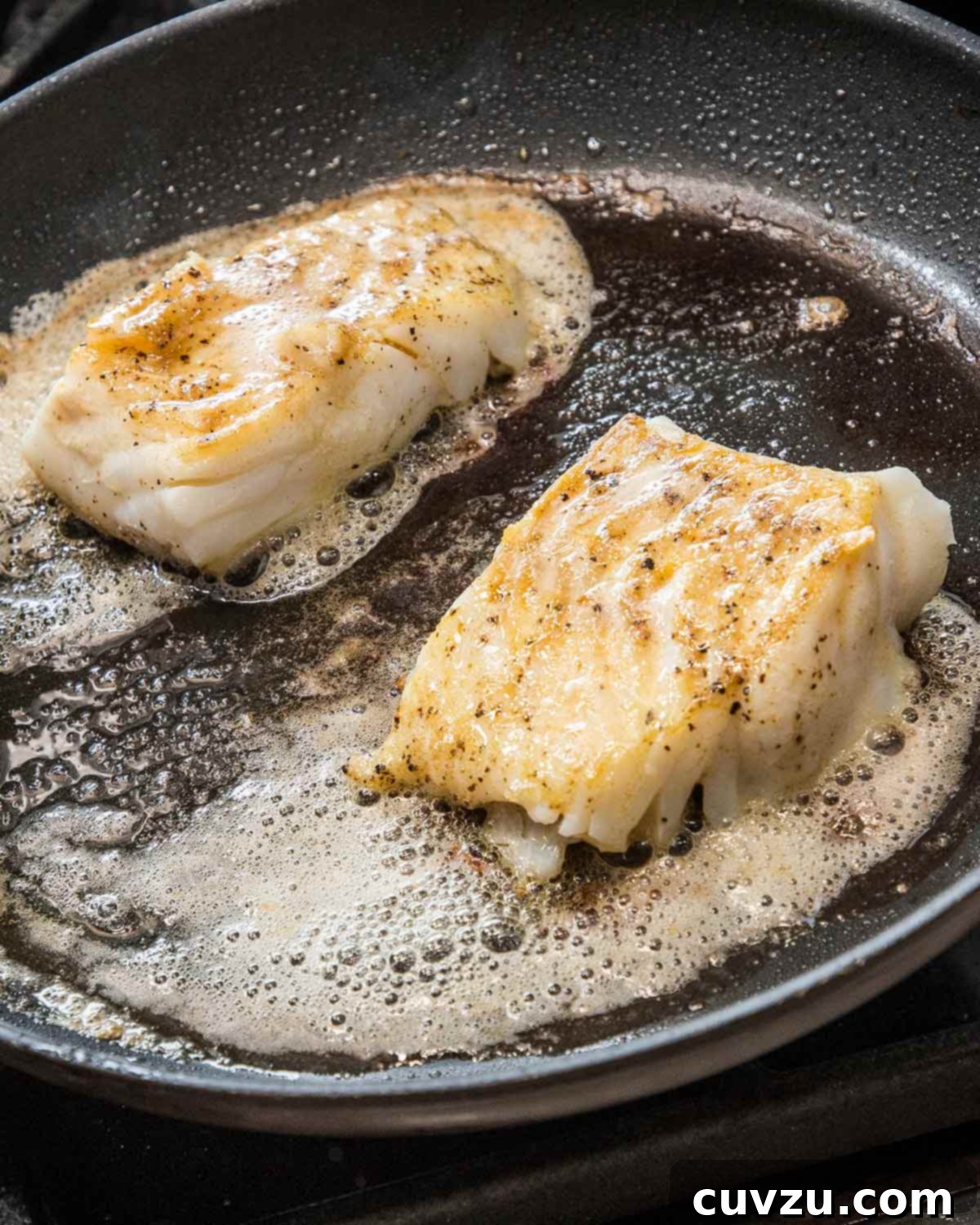
Butter Basted Fish with Garlic and Thyme: An Irresistibly Quick & Indulgent Meal
In today’s fast-paced world, finding a dinner recipe that is both incredibly flavorful and wonderfully quick can feel like discovering a hidden gem. Look no further than this exquisite Butter Basted Fish with Garlic and Thyme. Inspired by the meticulous testing and culinary expertise of America’s Test Kitchen and Cook’s Illustrated, this dish offers a truly indulgent yet surprisingly healthful meal ready to grace your table in a flash. Forget long prep times and complicated steps; this technique promises perfectly cooked, moist, and flavorful fish every time, transforming your weeknight dinner into a gourmet experience. It’s a testament to how simple ingredients, combined with a smart cooking method, can yield extraordinary results.
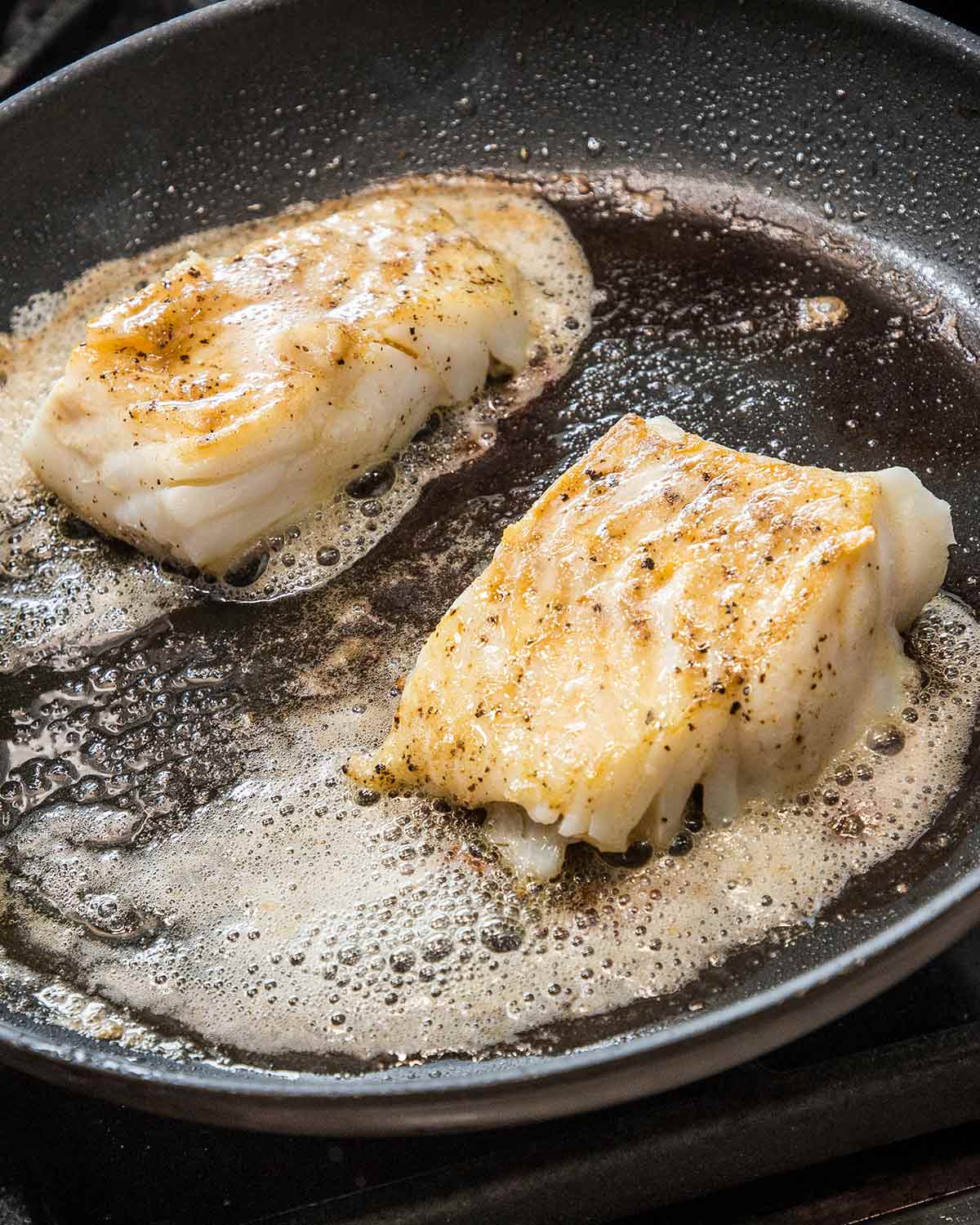
The Art of Butter Basting: A Culinary Secret for Perfect Fish
The term “butter basting” might sound elaborate, evoking images of professional chefs, but it describes a simple yet profoundly effective cooking technique anyone can master. It involves repeatedly spooning sizzling, aromatic butter over your food as it cooks in a skillet. This method isn’t just for show; it’s a strategic culinary move that delivers exceptional results, particularly for delicate proteins like fish. While commonly associated with larger cuts of meat, butter basting proves itself an invaluable technique for unlocking unparalleled flavor and texture in lean, flaky fish fillets.
Why Butter Basting Works Wonders for Fish
America’s Test Kitchen, renowned for its scientific approach to cooking, highlights the brilliance of butter basting, especially for mild, lean, and flaky fish. Here’s a deeper dive into why this technique is a game-changer for your seafood dishes:
- Ensures Even Cooking: As the skillet applies direct heat to the bottom of the fish fillet, the hot, flavorful butter is continuously spooned over the top. This dual-action heat ensures the fish cooks more evenly from both sides, preventing one side from overcooking while the other struggles to catch up. This gentle, consistent heat application is key to achieving a perfectly tender interior and a beautifully seared exterior.
- Preserves Delicacy and Structure: Fish fillets are notoriously delicate and can easily fall apart if handled too much. Butter basting minimizes manipulation. By cooking the top with hot butter, you can flip the fish only once, and early in the cooking process, before the flesh becomes too fragile and prone to breaking apart. This maintains the structural integrity and beautiful presentation of your dish, leaving you with intact, appealing fillets.
- Unmatched Flavor and Richness: Throughout the basting process, the butter undergoes a beautiful transformation. It browns, developing nutty, complex notes through the Maillard reaction, which then coats the mild fish. This process adds incredible richness, depth of flavor, and a golden hue to the exterior. The infused butter essentially becomes a luxurious, savory sauce that envelops the fish, enhancing its natural taste without overpowering it.
- Intense Aromatic Infusion: The magic is amplified with the strategic addition of fresh herbs and aromatics. By incorporating thyme sprigs and crushed garlic cloves directly into the hot butter, their essences are thoroughly infused into the fat. As this aromatic butter is basted over the fish, those fragrant compounds penetrate the flesh, creating an incredibly aromatic dish. Every bite is bursting with savory, herbaceous notes, making for a truly memorable meal.
- The Perfect Flavor Balance: To cut through the inherent richness of the butter and provide a refreshing lift, a squeeze of fresh lemon juice is not just recommended, it’s absolutely essential. The bright acidity of the lemon provides a refreshing counterpoint, creating a perfectly balanced flavor profile that cleanses the palate and leaves you craving more. It brightens the entire dish, preventing it from feeling heavy.
Choosing the Best Fish for Basting Success
The success of this butter-basted technique largely hinges on selecting the right type of fish. You’re looking for firm, flaky white fish fillets that are approximately 1 inch (25 mm) thick. This specific thickness is crucial for even cooking and ensuring the fish remains moist and tender through the basting process, allowing enough time for the butter to infuse without overcooking the delicate flesh.
Excellent choices for this recipe include, but are not limited to, the following:
- Cod: A popular and versatile white fish, cod is celebrated for its mild flavor, large flakes, and firm texture when cooked. It readily absorbs the rich flavors of the butter, garlic, and thyme.
- Halibut: Often considered a premium white fish, halibut offers a firmer, meatier texture with a delicate, sweet flavor. Its robust structure holds up exceptionally well to the basting process, resulting in succulent, tender portions.
- Black Sea Bass: This fish provides a rich, sweet, and firm texture that absorbs flavors beautifully. It’s an excellent choice for those seeking a slightly more luxurious feel to their meal.
- Haddock: Similar to cod but with a slightly sweeter taste and a finer, more tender flake. Haddock performs wonderfully under the basting technique, yielding moist results.
- Hake: Another excellent option, hake provides a mild flavor and delicate, flaky flesh that becomes incredibly tender and flavorful when butter-basted.
Whether you choose fresh or frozen fillets, the preparation remains critically important: ensure they are completely thawed if frozen and thoroughly patted dry with paper towels. Removing excess moisture is paramount to achieving that desirable golden-brown crust, preventing the fish from steaming in the pan, and allowing the butter to create a beautiful sear rather than just boiling the surface.
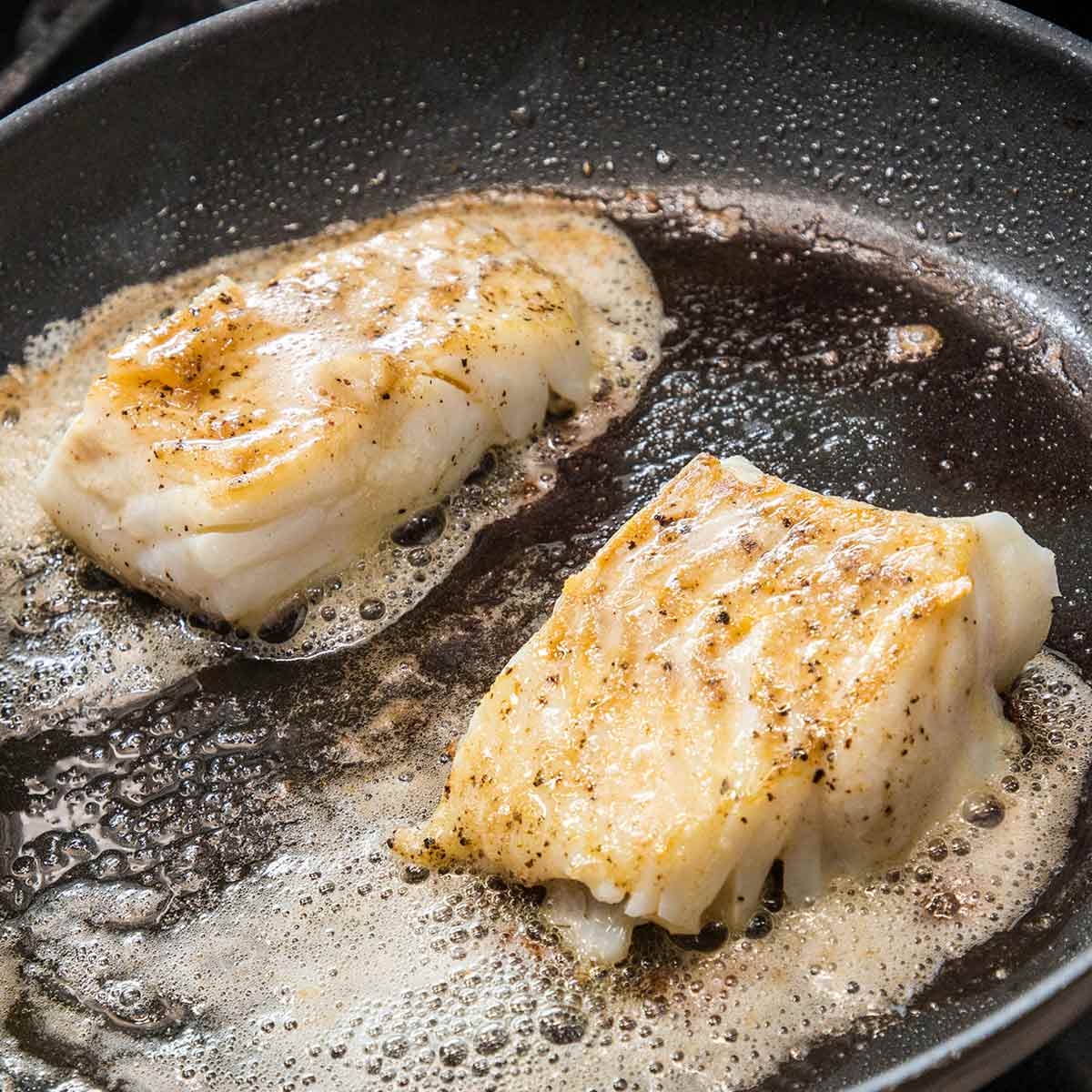
Butter Basted Fish With Garlic and Thyme
Recipe by David Leite
Ingredients
- Two (6 to 8 ounce) skinless firm white fish fillets*, such as cod, halibut, black sea bass, haddock, or hake, 1 inch (25 mm) thick
- 1/2 teaspoon kosher salt
- 1/8 teaspoon freshly ground black pepper
- 1 tablespoon mild vegetable oil (e.g., grapeseed, canola)
- 3 tablespoons (1 1/2 oz) unsalted butter, cut into 1/2-inch (12-mm) cubes
- 2 garlic cloves, crushed and peeled
- 4 sprigs fresh thyme
- Lemon wedges, for serving
*Ensure fish fillets are completely thawed if frozen and patted thoroughly dry for best results. This is crucial for a crisp sear.
Instructions
-
Prepare the Fish: Pat all sides of the fish fillets thoroughly dry with paper towels. This crucial step helps achieve a beautiful sear and prevents sticking. Season generously on all sides with kosher salt and freshly ground black pepper.
-
Heat the Skillet: In a 12-inch (30-cm) nonstick skillet, warm the mild vegetable oil over medium-high heat until it is hot and shimmering but not yet smoking. A good quality nonstick pan is recommended to prevent the delicate fish from adhering.
-
Sear the First Side: Reduce the heat to medium. Carefully place the fish fillets, skinned side down (if applicable), into the hot skillet. Using a fish spatula or similar thin, flat utensil, gently press down on each fillet for about 5 seconds. This ensures excellent contact with the pan, promoting an even, golden-brown sear. Cook the fish undisturbed until the underside is a beautiful light golden brown, typically 4 to 5 minutes. Resist the urge to move it prematurely.
-
Flip the Fish: Using two spatulas for support (one on each end of the fillet), gently flip the fillets. Cook for 1 minute more on the second side to begin developing a crust.
-
Begin Butter Basting: Scatter the cubed unsalted butter around the fish in the skillet. As soon as the butter is fully melted and begins to foam, tilt the skillet slightly towards you. This will cause the melted butter to pool at the front of the pan. Using a large spoon, scoop up the melted, sizzling butter and repeatedly pour it over the fish for about 15 seconds. This is the “basting” action. Return the skillet flat to the burner and allow it to cook for an additional 30 seconds. Repeat the tilting and basting process for another 15 seconds.
-
Monitor Temperature: Place the skillet flat on the burner again. Use an instant-read thermometer to check the internal temperature of the thickest part of each fillet. Continue to alternate basting (tilting and spooning butter over the fish for 15 seconds) and cooking on the flat burner (for 30 seconds) until the fillets reach an internal temperature of 130°F (54°C). This usually takes approximately 2 more minutes.
-
Add Aromatics: At the 12 o’clock position in the skillet (or any clear spot in the butter), add the crushed garlic cloves and fresh thyme sprigs. Be mindful that the butter may spatter slightly when the aromatics are added. Once the spattering subsides, continue basting and cooking until the thickest part of the fillets reaches a final internal temperature of 135°F (57°C). This ensures the fish is perfectly cooked, moist, and flaky, signaling doneness without overcooking.
-
Serve: Carefully transfer the cooked fish fillets to individual serving plates. Discard the spent garlic cloves, as their flavor has already been infused into the butter. Garnish each fillet with the infused thyme sprigs, generously drizzle the flavorful browned butter from the skillet over the fish, and serve immediately with fresh lemon wedges on the side. The lemon’s acidity provides a wonderful, bright contrast to the rich butter.

Adapted From
The Complete America’s Test Kitchen TV Show Cookbook 2001-2021
Buy On Amazon
Nutrition Information
Serving: 1 portion
- Calories: 321 kcal
- Carbohydrates: 2 g
- Protein: 35 g
- Fat: 20 g
- Saturated Fat: 12 g
- Monounsaturated Fat: 5 g
- Trans Fat: 1 g
- Cholesterol: 130 mg
- Sodium: 673 mg
- Fiber: 1 g
- Sugar: 1 g
Nutrition information is automatically calculated and should only be used as an approximation. Individual results may vary based on specific ingredients and preparation methods.
Perfect Pairings and Serving Suggestions
This exquisite butter-basted fish with garlic and thyme, rich in flavor and tender in texture, pairs beautifully with a variety of side dishes. The versatility of the dish allows it to be the star of a simple weeknight meal or an elegant dinner party centerpiece. Consider these suggestions to complete your culinary creation:
- Fresh Green Salad: A simple, crisp green salad with a light vinaigrette (perhaps lemon-based) offers a refreshing contrast to the richness of the butter, cutting through the indulgence beautifully.
- Roasted or Steamed Vegetables: Asparagus, green beans, or broccoli roasted with a touch of olive oil and a squeeze of lemon juice complement the fish wonderfully. Their earthy notes and slight bitterness balance the savory butter. For a specific recommendation, try a side of Grilled Broccoli or Broccolini for an extra touch of smoky flavor.
- Delicate Grains or Pasta: A delicate pasta like orzo, perhaps tossed with lemon zest and capers as suggested by one of our testers, or a simple pilaf made with white or brown rice, will beautifully soak up the delicious pan sauce, ensuring no drop of flavor goes to waste. Quinoa or couscous are also excellent choices for a lighter grain option.
- Creamy Mashed Potatoes or Polenta: For a more comforting and hearty meal, creamy mashed potatoes or smooth polenta provide a rich, satisfying base for the flaky fish and its savory butter sauce. They offer a comforting texture contrast.
- Wine Pairing: To perfectly complement the flavors, choose a crisp, unoaked white wine. A Sauvignon Blanc or a Pinot Grigio with its bright acidity and subtle fruit notes beautifully cuts through the richness of the butter and enhances the delicate flavors of the fish and herbs.
Above all, don’t forget those fresh lemon wedges! Their bright, zesty acidity is not merely an afterthought; it’s a crucial element that balances the dish, elevating every bite with a refreshing tang and adding a burst of freshness that highlights the other flavors.
Expert Tips for Flawless Butter-Basted Fish
Achieving perfectly cooked fish can sometimes feel daunting, but with the right approach and a few expert tips, you’ll master this butter-basting technique in no time. These insights, gleaned from America’s Test Kitchen and the invaluable feedback from our dedicated recipe testers, will help ensure your success:
- Pat Dry, Pat Dry, Pat Dry: This cannot be stressed enough. Excess moisture on the fish’s surface is the enemy of a good sear. It prevents browning, causes steaming instead of searing, and can lead to sticking. Use plenty of paper towels to ensure your fillets are bone-dry before seasoning and placing them in the pan.
- Master Temperature Control: Start with medium-high heat to get the oil hot enough to initiate a good sear. However, immediately reduce to medium heat before adding the fish. This initial burst of heat helps create a beautiful crust, while the slightly lower, more controlled temperature prevents burning during the longer basting phase, allowing the fish to cook through gently.
- The Right Pan is Essential: A 12-inch nonstick skillet is highly recommended for this recipe. Its nonstick surface ensures the delicate fish doesn’t adhere to the bottom, allowing for easy, damage-free flipping and efficient basting without leaving half your fillet behind.
- Patience with the Flip: Allow the fish to develop a beautiful light golden-brown crust on the first side (typically 4-5 minutes) before attempting to flip. If it resists when you try to lift it, it’s not ready. Gently pressing the fillet down initially helps maximize contact with the hot pan, promoting an even and quick sear.
- Monitor Internal Temperature Religiously: An instant-read thermometer is your most reliable tool for perfectly cooked fish. Aim for 135°F (57°C) at the thickest part of the fillet. This precise temperature ensures the fish is cooked through, incredibly moist, and beautifully flaky, without any risk of being dry or overcooked.
- Strategic Aromatic Infusion: Adding garlic and thyme sprigs to the butter as it browns not only flavors the fish from the outside but also creates an incredibly fragrant pan sauce. The butter acts as a carrier for these aromatic compounds, infusing the entire dish with their delicious essence.
- Adjust for Fillet Thickness: Fish fillets are not uniform. Thicker cuts will naturally require slightly longer cooking and basting times. If a fillet is particularly thin in one area, consider trimming it slightly or folding it under for more even cooking, as suggested by one of our thoughtful testers.
- Lemon is Non-Negotiable: The bright acidity of fresh lemon juice is vital to cut through the richness of the butter and provide a refreshing counterpoint. Serve plenty of fresh lemon wedges on the side, or for a more integrated flavor, squeeze some directly into the pan sauce just before serving.
Recipe Testers’ Reviews: Real-World Experiences
Our dedicated team of recipe testers enthusiastically put this Butter Basted Fish with Garlic and Thyme through its paces in their home kitchens. Their invaluable feedback offers real-world insights into its ease of preparation, adaptability, and undeniable deliciousness, helping home cooks achieve perfect results.
Kristen Kennedy’s Versatility Assessment
Kristen highlighted the versatility and simplicity as the defining hallmarks of this cooking technique. She noted that once mastered, the butter-basting method can be adapted for a wide variety of proteins, from delicate scallops to hearty pork chops, by simply changing the herbs or adding a squeeze of orange or lime instead of lemon to achieve different flavor profiles. Her personal test involved 6-ounce cod fillets, which required 4 minutes on the first side, followed by another 4 minutes on the second side with three bastes. Given her thicker fillets, she wisely found that an additional 4 minutes of resting off the heat was necessary to ensure they reached perfect doneness. Kristen rounded out her meal with a delightful side of orzo with lemon and capers, perfectly complementing the rich, savory flavors of the butter-basted fish.
Nadine Bonda’s Weeknight Winner
Nadine enthusiastically praised the recipe as a “great option for a weeknight,” emphasizing its impressive speed, stating that the delicious cod dish comes together in fewer than 15 minutes from start to finish. She described it as a “simple preparation with a big reward,” particularly for cod, which she affectionately referred to as “a fish waiting to happen.” The combination of rich butter, aromatic garlic, and fresh thyme, she noted, provides exactly the “help it needs to make it very tasty,” transforming an otherwise mild fish. Nadine particularly appreciated the recommended internal temperature of 135°F (57°C), finding it to be “the perfect temperature where the fish is done all the way through, but still has plenty of moisture in it,” ensuring succulent, flaky results. She opted for a healthy accompaniment, serving her perfectly cooked fish with a large, fresh salad.
Chiyo Ueyama’s Elegant Discovery
Chiyo found this recipe to be an “easy and elegant dinner,” admitting that she had only seen butter-basting performed on TV before trying it herself. She was pleasantly surprised by how simple and straightforward the process was, highlighting that the internal temperature guidelines proved to be an excellent and reliable indicator for doneness. Her cooking times were precise: 5 minutes on the first side and nearly 4 minutes on the second. The resulting butter-basted fish was “plump and succulent,” and she particularly loved how the butter had developed “nuttier and richer” flavors during the cooking process, creating a sophisticated pan sauce. Chiyo chose to serve her beautifully cooked fish with steamed fingerling potatoes and broccoli, noting that both side dishes paired exceptionally well with the extra, flavorful butter sauce pooled on the plate.
B. Shanly’s Practical Notes and Refinements
B. Shanly encountered a common challenge for home cooks: fish sticking to the non-stick pan, despite heating the oil to near smoking and trying to turn at 4 and 5 minutes. This experience underscores the critical importance of ensuring the pan is adequately hot and the fish has developed a sufficient, stable crust before attempting to flip. She noted losing some of the crust, suggesting the fish likely needed a little longer on the first side or a slightly different pan surface might have been beneficial. After successfully flipping, she added the butter, garlic, and thyme, finding no spattering from the garlic, which can sometimes occur. She continued basting, closely monitoring the fish’s internal temperature with a thermometer to avoid any risk of overcooking, ultimately stopping the basting process at 6 minutes to prevent the fish from exceeding the ideal internal temperature. B. Shanly made a crucial observation regarding the finished dish: the butter-basted fish definitely needed lemon to balance its richness. She offered an excellent refinement, suggesting that the lemon juice be added directly to the butter sauce while the pan is still hot, and prior to drizzling the sauce over the fish, to integrate its bright, essential flavor more thoroughly.
Megan Salazar-Walsh’s Honest & Enthusiastic Endorsement
As an avid fish eater, Megan immediately added this recipe to her regular rotation, a strong testament to its appeal. She particularly lauded its ability to “maintain the structural integrity of a delicate white fish fillet,” a common and frustrating challenge she faced with previous cooking methods that often resulted in an “unappetizing-looking pile of fish flakes” on her plate. Megan found that the constant “tending” and active basting of the fillet allowed her to gauge doneness intuitively, rather than relying strictly on a timer, which she ended up ignoring. The intoxicating aroma of thyme while leaning over the pan to spoon the sizzling butter was a definite highlight, making the cooking process enjoyable. She humorously noted that the results were “almost too buttery…almost,” underscoring the delightful richness. To perfectly balance this richness, she strongly recommended serving with plenty of fresh lemon wedges, a bright, crisp green salad, and ideally, a refreshing glass of Sauvignon Blanc. While admitting the recipe didn’t “blow her away” with groundbreaking innovation, Megan enthusiastically declared it a “tasty, easy, and reliable weekday dinner” – high praise for any busy cook.
Tried this recipe?
Mention @leitesculinaria or tag #leitesculinaria! Share your culinary creations with our community on social media.