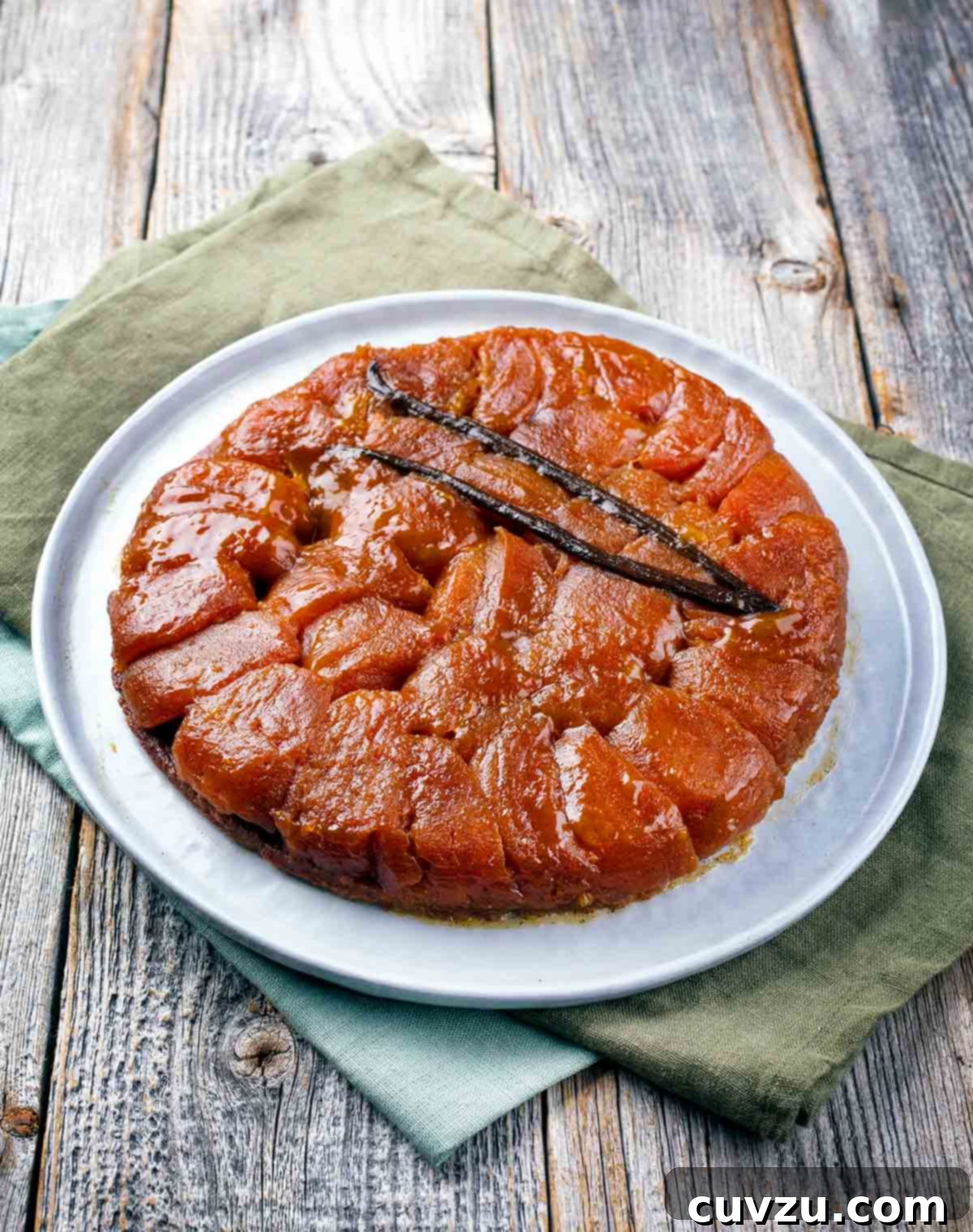
The Irresistible Tarte Tatin: A Culinary Journey into French Perfection
Discover the enchanting story and master the art of Tarte Tatin, the iconic upside-down apple tart that has captivated palates for over a century. From its humble origins in a French hotel to becoming a global dessert sensation, this guide offers everything you need to bake a perfectly caramelized, buttery, and utterly divine Tarte Tatin. Prepare to transform simple ingredients into a masterpiece of French patisserie.
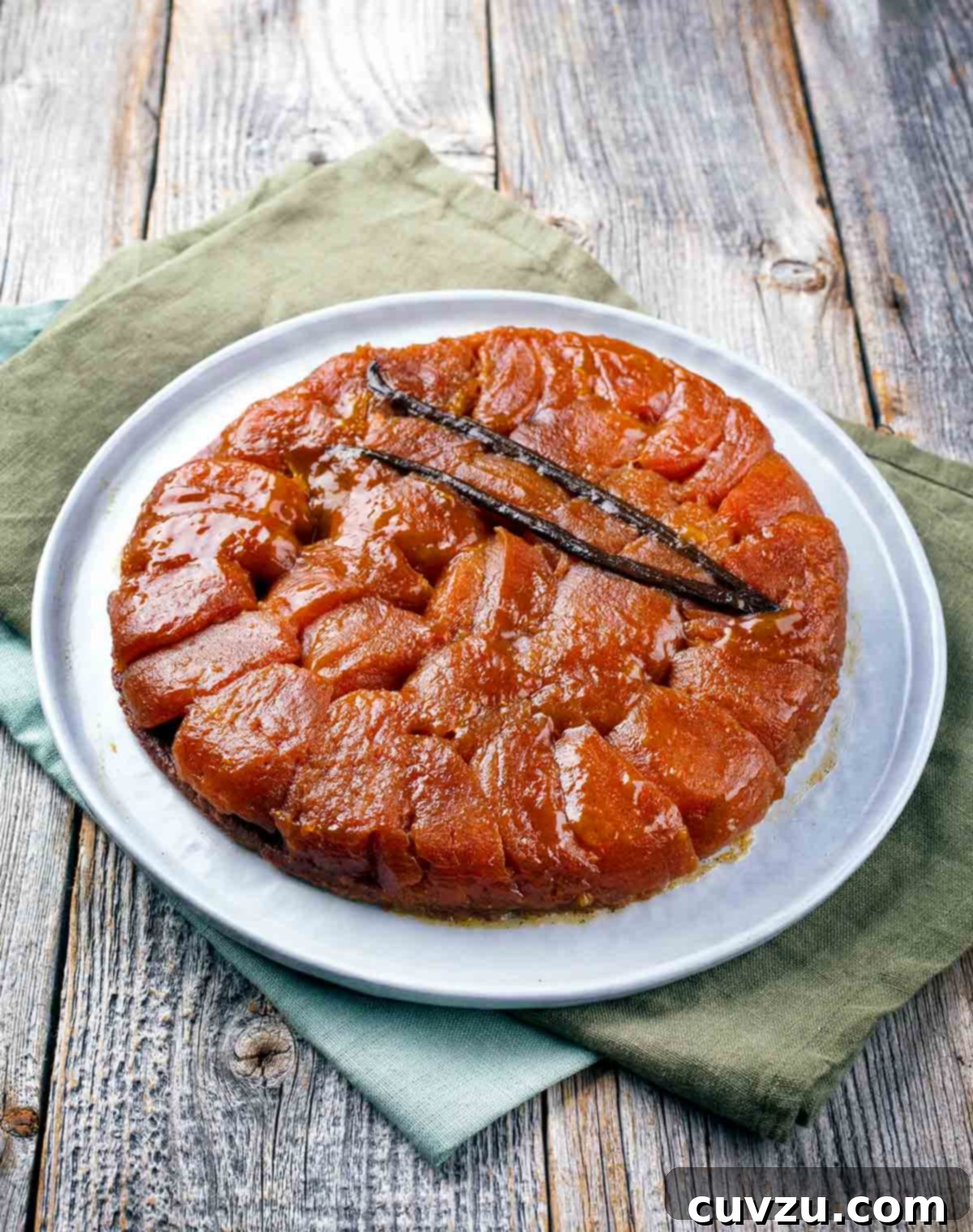
The Legendary Origins of Tarte Tatin
The enchanting tale of Tarte Tatin begins over a century ago in the serene heart of Lamotte-Beuvron, France, nestled within the welcoming confines of the Hotel Tatin. Here, the renowned Tatin sisters, Stéphanie and Caroline, were celebrated for their exceptional hospitality and culinary prowess. Legend has it that this iconic dessert was born from a fortunate culinary mishap. Stéphanie Tatin, in a moment of hurriedness or perhaps distraction, is said to have accidentally overcooked apples for a traditional tart, nearly burning them. In a flash of genius, she covered the caramelized apples directly with a pastry crust and baked it, later flipping the entire creation upside down to serve her eager guests.
The result was nothing short of a revelation: a spectacularly delicious dessert featuring deeply caramelized apples glistening atop a crisp, buttery crust. This “mistake” was an instant hit, quickly becoming the hotel’s signature dish and drawing admirers from across France and beyond, eager to experience its unique charm and unforgettable flavor. The allure of Tarte Tatin is its beautiful simplicity, which belies the rich, complex tapestry of flavors that make it truly special. It is a dessert that embodies rustic French elegance, conjuring feelings of comfort, tradition, and a hint of culinary magic.
My Personal Journey with Apples and Caramel
Long before I delved into the sophisticated world of Tarte Tatin, my enduring love affair with the exquisite combination of apples and caramel began each autumn. I cherish the vivid memories of my mother’s annual ritual of making caramel apples. She would meticulously spear crisp apples with wooden sticks, then dip and twirl them into a shimmering cauldron of hot, bubbling caramel. The patient wait for them to cool and harden on paper-lined trays seemed to stretch into an eternity, each passing moment heightening the anticipation of that first glorious bite. That cherished childhood memory firmly established the pairing of sweet apple and rich caramel as an undeniable favorite, a taste combination that instantly evokes warmth, nostalgia, and pure joy.
In many delightful ways, Tarte Tatin feels like my mother’s beloved caramel apples, but all dressed up in elegant French attire. At its core, it is a culinary embrace of tender, flavorful apples, luxuriously enveloped in a luscious bath of golden caramel and melted butter, all cradled beneath a delicate, thin pastry crust. It represents a sophisticated evolution of a cherished classic, offering both comforting familiarity and a refined gourmet flair that appeals to both novice and experienced palates alike.
The Art of Perfecting Your Tarte Tatin
As the esteemed culinary expert Jennifer McLagan so aptly advises, “The secret to making this dessert is patience and your choice of apples.” This profound yet simple truth lies at the heart of every truly successful Tarte Tatin. While the market offers specialized Tatin pans designed for this very purpose, many home cooks, much like myself, discover that a robust 9-inch cast-iron frying pan performs just as beautifully. Its exceptional heat distribution is absolutely crucial for achieving that perfectly even and rich caramelization that defines a great Tarte Tatin.
Choosing the Right Apples: A Foundation of Flavor
The type of apple you meticulously select plays an absolutely pivotal role in determining the ultimate texture and nuanced flavor of your finished tart. Your ideal apple should be firm, possess a harmonious balance of sweetness and tartness, and, most critically, maintain its structural integrity admirably throughout the extended baking process. Soft, mealy apples, regrettably, will simply disintegrate into the bubbling caramel, resulting in an unappealing, mushy texture. Instead, opt for apples that can hold their shape, allowing them to soften beautifully while still offering a delightful bite.
- Recommended Varieties: Ida Reds and Northern Spy apples are frequently championed by seasoned bakers for their exemplary texture and well-balanced flavor profiles, making them superb choices for Tarte Tatin.
- Popular Alternatives: Many enthusiasts find great success with Fuji apples, which contribute a delightful crispness, or even slightly underripe Golden Delicious apples, known for their ability to withstand heat and impart a gentle sweetness. Other excellent contenders include Honeycrisp, Braeburn, or if you lean towards a tarter experience, Granny Smith apples (which, when paired with the rich caramel, create a wonderful flavor contrast).
Embracing the opportunity to experiment with a few different apple varieties can transform your baking into a delightful culinary adventure, allowing you to pinpoint your absolute personal favorite for this timeless French masterpiece.
Patience is Your Key Ingredient
Beyond the careful selection of apples, patience truly shines as an indispensable virtue when you are crafting Tarte Tatin. From allowing the caramel to develop slowly and evenly to bravely resisting the urge to prematurely flip the tart, every single step in this process benefits immensely from a measured and unhurried approach. The caramel, in particular, demands sufficient time to transform from a simple mixture of bubbling sugar and butter into that signature rich, amber glaze that will flawlessly coat the apples. Rushing this critical process can regrettably lead to either burnt sugar with a bitter taste or a disappointingly watery caramel, neither of which contributes to the desired perfection.
Similarly, the apples themselves require a gentle, sustained cook to soften beautifully without succumbing to mushiness, ensuring they fully absorb the glorious caramel flavors. Trust implicitly in the carefully outlined process, and you will undoubtedly be rewarded with a Tarte Tatin that is not merely delicious in taste, but also breathtakingly stunning in its visual appeal.
The Classic Tarte Tatin Recipe
Tarte Tatin
Rating: 4.43 / 7 votes
This Tarte Tatin recipe is a sophisticated take on classic caramel apples, presenting tender apples exquisitely enveloped in rich, buttery caramel, all resting on a thin, flaky pastry crust. It’s an elegant upside-down tart that promises to delight with every bite.
Recipe by: Jennifer McLagan
Share this recipe:
- Pin It
- Print Recipe
Course: Dessert
Cuisine: French
Servings: 6 servings
Calories: 532 kcal
Prep Time: 25 minutes
Cook Time: 1 hour 5 minutes
Total Time: 1 hour 30 minutes
Ingredients
For the Pastry:
- 1 cup all-purpose flour
- A pinch of salt
- 5 tablespoons cold fat, diced (half butter and half lard is preferred for optimal flakiness, but all butter works beautifully for a rich flavor)
- 2 tablespoons cold water
For the Filling:
- 6 medium or 8 small firm apples (such as Ida Reds, Northern Spy, Fuji, or slightly underripe Golden Delicious are excellent choices)
- 7 tablespoons (3 1/2 oz) unsalted butter
- 1 1/4 cups granulated sugar
- 2 vanilla beans, split lengthwise and scraped (optional, but highly recommended for an enhanced aromatic depth)
Instructions
-
Prepare the Pastry: In a food processor, combine the all-purpose flour and a pinch of salt. Pulse briefly to ensure they are well mixed. Add the cold, diced fat (either butter alone or a blend of butter and lard) and pulse until the mixture achieves a granular consistency, resembling coarse crumbs with some pea-sized pieces of fat still visible. Transfer this mixture into a mixing bowl. Gradually incorporate 2 tablespoons of cold water, mixing gently with a fork until the dough just begins to come together. To check for readiness, squeeze a small portion between your fingertips; if it holds its shape, it’s perfect. If it remains too crumbly, add a tiny bit more cold water, approximately a teaspoon at a time, exercising caution to avoid over-hydrating, which can unfortunately lead to a tough pastry. Gently bring the dough together with your hands, form it into a flattened disk, wrap it tightly in plastic film, and refrigerate for at least 30 minutes. This crucial chilling period is vital for developing a tender, flaky crust and preventing shrinkage during baking.
-
Prepare the Apples: Begin by meticulously peeling the apples, then carefully halve them lengthwise. Using a melon baller or a small, sharp spoon, precisely remove the core from each apple half. Further trim any remaining tough core bits with a sharp knife, ensuring that the cut surface is smooth and clean. Keep the prepared apples readily accessible, as you will need to arrange them quickly once the caramelization process begins.
-
Begin Caramelization: In a sturdy 9-inch cast-iron skillet (or your chosen specialized Tatin pan), melt the 7 tablespoons of unsalted butter over medium heat until it is completely liquid and shimmering. Once melted, evenly sprinkle the granulated sugar over the surface of the butter. If you are using vanilla beans, gently lay the split beans into the sugar mixture. Now, carefully arrange the apple halves into the skillet, ensuring the cut side faces upwards. It is absolutely essential to pack the apples in as tightly as possible, as they will reduce considerably in volume as they cook. They should fit snugly, initially appearing to almost overflow the pan. Observe as the butter and sugar mixture begins to bubble delicately around the edges of the apples.
-
Cook the Apples and Caramel: Continue to cook the apples over consistent medium heat, without stirring or disturbing them, for approximately 30 to 45 minutes. The primary objective during this stage is to allow the caramel to gradually develop a rich, deep amber color and for the apples to soften thoroughly without losing their shape or becoming mushy. From time to time, gently shake the pan to prevent the apples from sticking to the bottom and to encourage uniform caramelization. Some seasoned bakers find it beneficial to carefully flip the apple halves halfway through this process, ensuring both sides are immersed in and absorb the delicious caramel goodness. Continue cooking until the caramel achieves a deeply colored, thick consistency, reminiscent of slow-moving lava, and the apples yield easily when gently prodded with a spoon. This patience ensures a truly decadent outcome.
-
Prepare the Pastry Crust: While the apples are actively cooking and caramelizing, retrieve your well-chilled pastry dough from the refrigerator. On a lightly floured work surface, roll out the dough into a uniform circle that is slightly larger than the diameter of your frying pan (aim for approximately 10 inches in diameter). Once rolled, cover the pastry disk with plastic wrap or parchment paper and return it to the refrigerator. Keeping it chilled and firm is crucial for handling and ensures a flaky final crust.
-
Preheat Oven and Assemble: Preheat your oven to a precise 425°F (220°C). Once the apples and caramel have reached their perfect state of doneness and the caramel has visibly thickened, carefully remove the skillet from the stovetop. For easier handling and transfer, place the hot skillet onto a sturdy baking sheet. Allow the intensely bubbling caramel to subside and stop its rapid activity. Then, with utmost care, gently place the chilled pastry disk directly over the apples. Carefully tuck the edges of the pastry down around the apples, pressing it lightly but firmly into the rim of the pan to completely encase the flavorful filling. This creates a seal for the caramel.
-
Bake the Tart: With the pastry now covering the apples, transfer the baking sheet with the skillet into your preheated oven. Bake for approximately 25 minutes, or until the pastry crust develops a beautiful, rich golden-brown hue and appears wonderfully crisp. The visual color of the crust is your most reliable indicator of perfect doneness.
-
The Grand Flip: Once baked to perfection, carefully remove the pan from the oven and place it onto a cooling rack. Immediately, take a thin, sharp knife and run it gently around the inner edge of the pan. This crucial step helps to loosen both the pastry and the caramelized apples from the sides. Now, allow the tart to cool in the pan for precisely 10 minutes. This cooling interval is absolutely vital as it permits the hot caramel to firm up slightly, guaranteeing a clean and successful release. While the tart cools, prepare your serving surface: line a flat baking sheet or a large, round serving plate with a sheet of parchment paper (or, if you are confident, simply use a sturdy, flat serving plate). Now for the moment of truth: firmly place your parchment-lined baking sheet (parchment side down) or chosen serving plate directly on top of the frying pan. With a swift, confident, yet controlled motion, carefully but decisively flip the frying pan over, inverting the entire tart onto the prepared surface. Gently lift the frying pan away. Should any apples stubbornly remain stuck in the pan, carefully place them back onto the tart, and generously scrape any excess caramel from the pan or parchment onto the tart for an extra touch of deliciousness. As a bonus, feel free to enjoy any residual caramel left on the parchment paper as a well-deserved cook’s treat!
-
Serve: Allow the Tarte Tatin to cool thoroughly to room temperature before slicing and serving. This cooling time is essential as it allows the caramel to fully set, making for cleaner slices and enhancing the overall depth of flavors. Serve individual slices with a generous dollop of freshly whipped cream, a scoop of luxurious vanilla bean ice cream, or a side of tangy crème fraîche for a truly authentic and unforgettable French dessert experience. The contrast of cool creaminess with the warm, rich tart is simply divine.

An LC Original
This meticulously developed recipe is an original creation from Leite’s Culinaria, refined through rigorous testing to ensure perfect results every single time. We take pride in bringing you recipes that are thoroughly vetted and guaranteed to inspire your culinary adventures.
Explore More Original Recipes
Nutrition Information (per serving)
Serving: 1 portion
Calories: 532 kcal
Carbohydrates: 83 g
Protein: 3 g
Fat: 23 g
Saturated Fat: 14 g
Monounsaturated Fat: 6 g
Trans Fat: 1 g
Cholesterol: 60 mg
Sodium: 88 mg
Fiber: 5 g
Sugar: 61 g
Please note: Nutrition information is automatically calculated and should be used as an approximation. Individual results may vary based on exact ingredients and preparation methods.
Tried this exquisite Tarte Tatin recipe?
We’d absolutely love to see your beautiful creations! Share your culinary success with our vibrant community by mentioning @leitesculinaria or tagging #leitesculinaria on Instagram!
Frequently Asked Questions About Tarte Tatin
Absolutely! While our recipe lovingly provides instructions for a fantastic made-from-scratch pastry, we completely understand that time constraints or the challenge of making pastry from scratch can be daunting for some home bakers. In such cases, a high-quality store-bought puff pastry serves as an excellent and convenient substitute. While the texture might differ slightly from a traditional shortcrust pastry, you will still achieve a wonderfully delicious tart. Just ensure you select a good quality brand for the best possible results, and be mindful that puff pastry tends to bake faster, so adjust your baking time accordingly.
The optimal apples for Tarte Tatin are firm varieties that are capable of holding their shape exceptionally well during the prolonged baking process, and which offer a harmonious balance of sweet and tart flavors. Highly recommended types include Ida Reds or Northern Spy. Many of our readers have also reported great success with Fuji apples, known for their delightful crispness, or even slightly underripe Golden Delicious apples. Crucially, steer clear of overly soft or mealy apple varieties, as these will regrettably turn into an unappealing mush within the caramel. Selecting a firm apple is key to ensuring those beautiful, distinct apple slices in your finished, visually stunning tart.
A heavy-bottomed, oven-safe skillet is unequivocally ideal for preparing Tarte Tatin. A 9-inch cast-iron frying pan is frequently recommended by culinary experts due to its superior heat retention and remarkably even heat distribution. These qualities are absolutely crucial for achieving consistent and thorough caramelization. You can also successfully utilize an oven-safe stainless steel skillet or, if you have access to one, a specialized Tatin pan. The most important factor is to use a pan that can seamlessly transition from the stovetop to the oven, and which possesses excellent thermal conductivity for consistent cooking.
Tarte Tatin is traditionally savored either warm or at a pleasant room temperature, and it is most often accompanied by a delightful dollop of tangy crème fraîche, a generous scoop of rich vanilla ice cream, or a cloud of freshly whipped cream. The refreshing coolness and subtle tang of these accompaniments provide a perfect counterpoint to the intense richness, sweetness, and tender apples of the tart. Serving it in this manner transforms it into an impressive and utterly satisfying dessert suitable for any occasion, from a casual family meal to an elegant dinner party.
Should you find yourself with the rare treat of leftover Tarte Tatin, it can be conveniently stored, covered, at room temperature for up to 2 days, or safely refrigerated for up to 4 days. If you choose to refrigerate it, we highly recommend allowing it to gently come back to room temperature or carefully warming individual slices in a preheated oven before serving. This gentle reheating process helps to revive the caramel’s luscious texture and restores the pastry to its delightful crispness, ensuring an enjoyable experience every time.
Expert Tips for Tarte Tatin Perfection from Our Testers
Our team of dedicated recipe testers has generously shared their invaluable insights and practical advice, gleaned from their own kitchen experiences, to help you achieve a truly flawless Tarte Tatin. Their detailed reviews highlight several key areas that are crucial for success, ensuring your tart is not only delicious but also visually stunning:
- Pack the Apples Tightly: As our tester Melissa Maedgen sagely emphasized, “What you want is to really have the pan crammed full of apples at the start, as they do shrink.” Do not hesitate to tightly wedge the apple halves into the pan; a dense, compact apple layer at the beginning is absolutely essential for a stunning final presentation and prevents unsightly gaps from forming as the apples cook down. If you notice significant shrinkage during the cooking process, carefully fit in additional apple halves if you have them available to maintain fullness.
- Master the Caramelization: Tester Lisa O. suggests a highly nuanced and effective approach to caramel development: “In step three, after melting the butter, add the sugar and let it dissolve, and get bubbly before adding the apples. Take off the heat, add the apples, and put back on the heat.” She strongly advises patience during this stage, noting that “it’s not done until the caramel is flowing quite slowly and lava-like around the apples.” This meticulous technique guarantees a rich, deeply flavored, dark amber caramel without the risk of overcooking the apples prematurely.
- Homemade Pastry is Rewarding: While store-bought puff pastry undeniably offers a convenient shortcut, Lisa O. is a strong advocate for making the homemade crust: “I’d definitely make the crust… the one in the recipe is very easy.” She also provides a critical tip regarding the pastry preparation: avoid over-processing the fat in the food processor, stating, “Having little bits of butter in it is OK and makes a nice, tender crust.” These small pockets of butter are what contribute to the pastry’s desirable flakiness.
- Confidence in the Flip is Crucial: The climactic moment of inverting the tart can often feel intimidating, but our testers unanimously agree: do not overthink it! Cindy Zaiffdeen found her tart “turned out perfectly” by adhering strictly to the recipe’s instructions. Lisa O. confidently flips her Tarte Tatin directly onto a serving plate. However, for first-timers, the recipe’s recommendation of using parchment paper on a baking sheet provides a reliable and less stressful method for a clean, successful transfer.
- Serve with a Complementary Accompaniment: Tester Tammori Petty discovered that while the caramel was “just sweet enough, it is better balanced with vanilla ice cream!” The general consensus among our testers is that a cool, creamy accompaniment such as high-quality vanilla ice cream, freshly whipped cream, or a dollop of tangy crème fraîche beautifully complements the warm, rich, and intensely sweet flavors of the Tarte Tatin, elevating the entire dessert experience.
Beyond Apples: Exploring Tarte Tatin Variations
While the classic apple Tarte Tatin holds an undeniably special and cherished place in the pantheon of desserts, the inherent beauty and versatility of this “upside-down” tart technique lend themselves wonderfully to a myriad of other fruits, and even surprising savory creations. If you have successfully mastered the traditional apple version and are eager to expand your culinary repertoire, consider exploring these delightful variations that promise unique and exciting flavor profiles:
- Fig Tarte Tatin: This offers a sophisticated and elegant twist. Fresh figs, with their delicate sweetness and unique texture, caramelize beautifully, yielding a tart that is both visually stunning and exquisitely flavored.
- Pear Tarte Tatin: Pears, particularly firm varieties like Bosc or Anjou, bake down to a wonderfully tender and juicy consistency. Their subtle sweetness pairs exquisitely with the rich, buttery caramel, creating a comforting and refined dessert.
- Quince Tarte Tatin: For those seeking a more aromatic and slightly tart experience, quince offers a delightful alternative. Quince requires a slightly longer cooking time to soften fully, but the effort is well rewarded with its fragrant, unique flavor that stands up beautifully to the caramel.
- Savory Tarte Tatin: Do not limit your imagination solely to sweet creations! Imagine a spectacular savory Tarte Tatin featuring deeply caramelized onions intertwined with creamy goat cheese, or a rustic version showcasing roasted root vegetables like sweet carrots and earthy parsnips, seasoned with aromatic fresh herbs. These savory tarts make for a fantastic, impressive appetizer or a light, elegant main course, proving the versatility of the Tatin method.
The fundamental principles remain constant across all variations: meticulously caramelize your chosen main ingredient directly in an oven-safe pan, then cover it with a complementary pastry crust, bake until golden and bubbly, and finally, execute the grand inversion. Each unique variation promises a distinct and memorable culinary adventure, waiting to be explored in your kitchen.