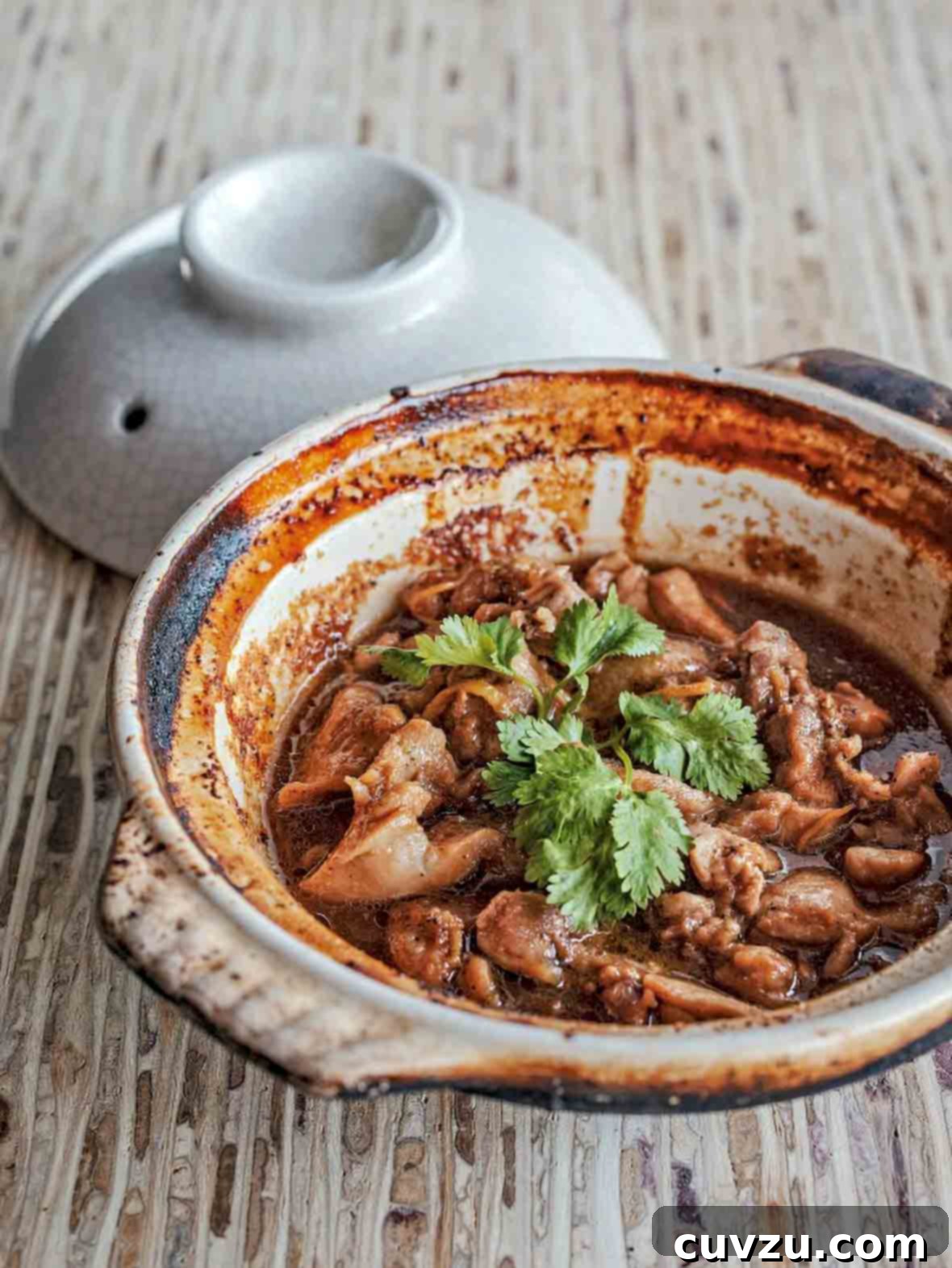
Unlock the secrets to a truly unforgettable weeknight meal with authentic Vietnamese Caramel Chicken, affectionately known as “Ga Kho.” This irresistible dish, hailing directly from the legendary Slanted Door restaurant in San Francisco, brings together a symphony of sweet, savory, and spicy notes that will tantalize your tastebuds and transport you straight to the bustling streets of Vietnam. Far from being an intimidating culinary challenge, our simplified recipe makes this iconic Vietnamese delicacy surprisingly easy to prepare in your own kitchen, relying on just a handful of staple ingredients like rich fish sauce, aromatic palm sugar, succulent chicken, fresh ginger, and a generous sprinkle of black pepper.
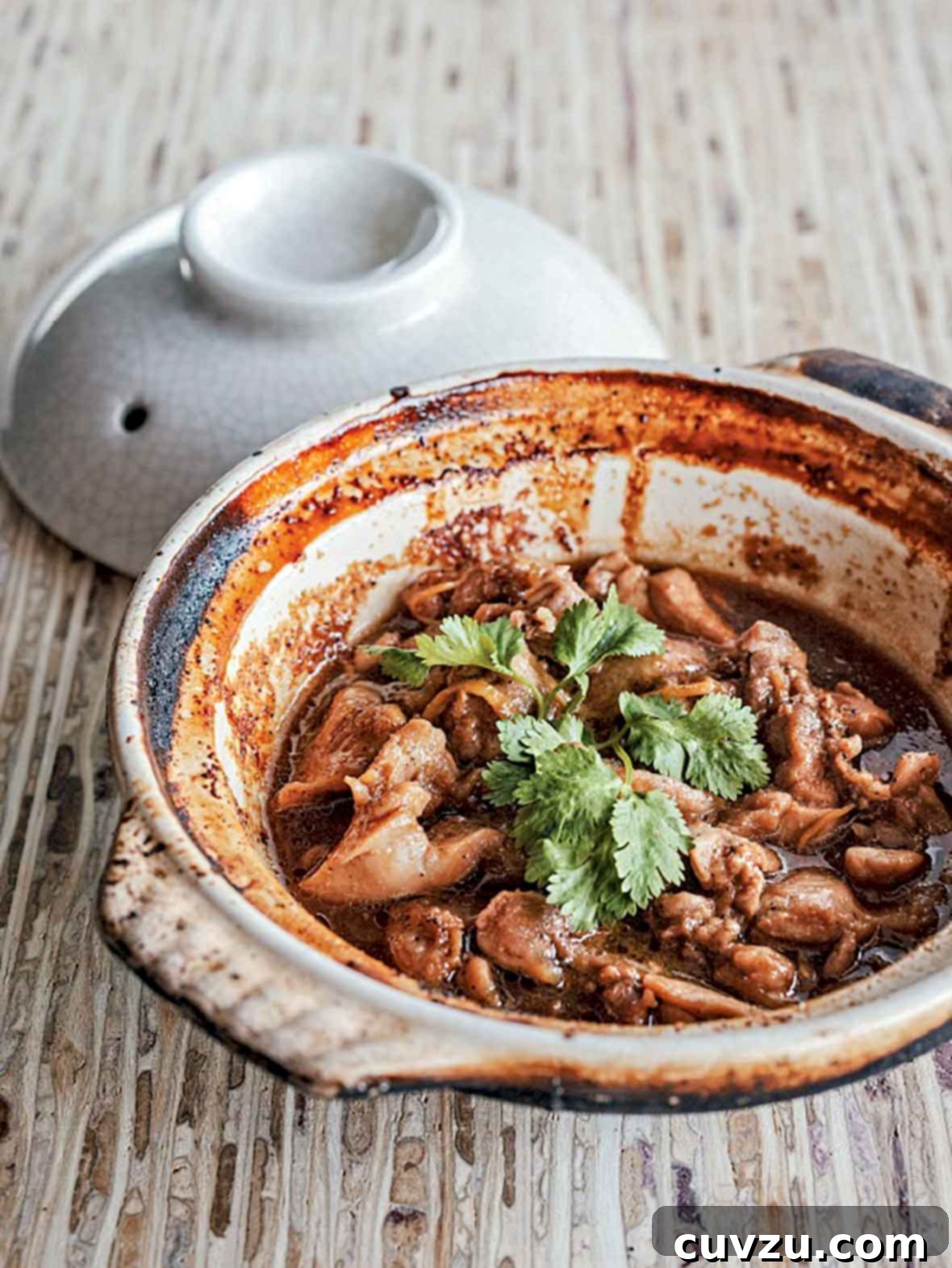
For decades, the Vietnamese Caramel Chicken from The Slanted Door has captivated diners with its profound depth of flavor and comforting appeal. While traditional Ga Kho often calls for bone-in chicken, our recipe has been thoughtfully adapted to feature boneless, skinless dark meat chicken thighs. This intelligent substitution significantly reduces preparation and cooking time without compromising on the dish’s signature succulence and rich taste, making it an ideal choice for busy weeknights. The true magic, however, lies in its exquisite caramel sauce—a versatile concoction that can be prepared in advance and stored in your refrigerator. Imagine the convenience of having this savory-sweet elixir at your fingertips, ready to transform a simple chicken dish into an extraordinary culinary experience in mere minutes. This preparation method embodies the genius of thoughtful cooking, ensuring that a sensational dinner is always within reach, even on the most hectic of evenings. – Renee Schettler Rossi
Embrace the Aroma: A Note on Fish Sauce
Full disclosure: the initial aroma of fish sauce straight from the bottle, and especially when heated, can be quite potent. It’s a distinctive scent that might surprise those unfamiliar with Southeast Asian cooking. So, consider this your friendly warning: before you even begin melting the palm sugar for this intensely savory caramel sauce, we strongly recommend opening your windows wide and cranking up your kitchen’s exhaust fan. Adequate ventilation will make your cooking experience much more pleasant.
However, please don’t let the initial “fishy” scent deter you! This temporary aroma is an essential part of the authentic cooking process and transforms beautifully during caramelization and simmering. The end result, a deeply complex and utterly delicious Vietnamese Caramel Chicken, more than justifies the means. In fact, many experienced home cooks find that once the fish sauce marries with the sweet caramel and other aromatics, its pungent edge softens, evolving into an umami-rich foundation that is simply irreplaceable. We suggest making a larger batch of the Vietnamese caramel sauce while you’re at it. Since you’re already ventilating your home, you might as well maximize your efforts and have extra sauce on hand. Stash any leftover sauce in an airtight container in the fridge, and you’ll be able to satisfy future cravings for this incredible caramel chicken in as little as 25 minutes, effortlessly. Your future self will thank you!
Vietnamese Caramel Chicken (Ga Kho)
David Leite
Equipment
-
Claypot (optional, a Dutch oven or heavy-bottomed sauté pan works well too)
Ingredients
For the Essential Vietnamese Caramel Sauce (Nuoc Mau)
- 1 pound Asian palm sugar*, coarsely chopped for easier melting
- 1 1/4 cups fish sauce, (we highly recommend Three Crabs brand for its quality, or any reputable brand packaged in glass bottles rather than plastic for better flavor preservation)
For the Flavorful Vietnamese Caramel Chicken
- 12 ounces boneless, skinless chicken thighs, (approximately 4 medium thighs), trimmed of excess fat for best results
- 2 tablespoons mild olive oil or vegetable oil
- 1-inch piece fresh ginger, peeled and julienned for maximum flavor release
- 2 medium shallots, thinly sliced lengthwise into delicate rings
- 1 to 2 Thai or serrano chile peppers, halved lengthwise. Seed them for less heat, or leave them for a spicier kick.
- Fresh cilantro leaves and tender stems, finely chopped for an aromatic garnish
- Freshly ground black pepper, to taste, for a vibrant finish
- Fluffy steamed jasmine rice, for serving alongside this delectable dish
Instructions
Crafting the Vietnamese Caramel Sauce: Nuoc Mau
-
Carefully place the coarsely chopped palm sugar into a small, heavy-bottomed saucepan over medium-low heat. Allow the sugar to melt gradually, a process that can take anywhere from 5 to 25 minutes depending on the sugar’s consistency and heat level. If you’re substituting with light brown sugar, add 1 to 2 tablespoons of cold water to the sugar before heating, and stir almost constantly as it melts to prevent scorching. Palm sugar retains a slightly grainy texture even after melting, which is perfectly normal. A slight wisp of smoke is also acceptable. However, if the sugar begins to seize or scorch excessively, promptly reduce the heat and stir gently to help it melt smoothly.
-
While the sugar is melting, measure out your fish sauce and keep it close by. Having it ready to go is crucial for the next step.
-
Once the sugar has fully melted and achieved a deep amber caramel color, remove the saucepan from the heat. Slowly and very carefully, stir in the measured fish sauce. Be cautious, as the mixture may bubble vigorously and spatter. If the sugar caramel seizes into clumps upon adding the cooler fish sauce, don’t worry. Simply return the pan to a very low heat and continue stirring until the clumps melt and the sauce becomes smooth again. Let the caramel sauce cool completely; it will thicken significantly as it cools. Once cooled, transfer the sauce to an airtight container and store it in the refrigerator for up to 1 month, ready for your next culinary adventure.
Preparing the Vietnamese Caramel Chicken (Ga Kho)
-
Begin by cutting the boneless chicken thighs into uniform, bite-sized pieces. This ensures even cooking and makes the dish easier to enjoy.
-
In a 10-inch claypot, Dutch oven, or a sturdy sauté pan, heat the olive oil or vegetable oil over medium heat. Add the julienned ginger and thinly sliced shallots, sautéing them for about 2 minutes until they soften and become fragrant. Increase the heat to medium-high, then add the halved chiles, the bite-sized chicken pieces, and 1/4 cup of your prepared Vietnamese caramel sauce. Bring the mixture to a boil. Once boiling, reduce the heat to a gentle simmer. Cook, uncovered, stirring or turning the chicken occasionally, for 10 to 20 minutes. The chicken should be cooked through, and the sauce should have visibly thickened, darkened a shade, and become wonderfully sticky and bubbly. Garnish generously with fresh cilantro and a hearty amount of freshly ground black pepper. Serve immediately with steamed jasmine rice for a complete and satisfying meal.
Chef’s Notes & Expert Tips
Understanding Palm Sugar: Your Key to Authentic Caramel
The type of palm sugar you use is paramount to the success of this claypot chicken recipe, particularly for achieving the perfect caramel sauce. We specifically recommend Asian palm sugar, which typically comes in hard disks, often shrink-wrapped in plastic, or tightly packed in clear plastic jars. This type of palm sugar has a unique texture, resembling wet, packed sand, and it’s sometimes labeled as coconut sugar. Indian jaggery is also an acceptable and delicious substitute due to its similar composition and melting properties.
**Crucial Warning:** Do NOT substitute with granulated organic coconut palm sugar often found in health food stores. These varieties have a significantly lower moisture content and will almost certainly scorch and seize, turning into a rock-hard, burnt mess and potentially damaging your saucepan. Trust us on this; the higher moisture content in traditional Asian palm sugar or jaggery is what allows it to melt smoothly and caramelize beautifully, ensuring your sauce is a success rather than an epic failure.
Scaling the Caramel Sauce: What to Expect
This recipe for the caramel sauce yields approximately 2 cups. Since you only need 1/4 cup for the chicken dish, you’ll have about 1 3/4 cups leftover. This generous quantity is ideal for preparing future batches of caramel chicken or other dishes that benefit from this sweet-savory base. However, if you prefer a smaller yield, you can easily halve or even quarter the sauce recipe. Just be aware that reducing the quantity in a small saucepan may require more vigilant stirring and attention to prevent scorching, and cooking times for the caramelization process will be shorter.
Customizing Spice Levels
The amount of heat in your Vietnamese Caramel Chicken is entirely adjustable to your preference. Using 1 to 2 Thai or serrano chiles, halved lengthwise, provides a noticeable warmth. For a milder dish, remove all the seeds from the chiles, or even omit the chiles entirely and rely solely on the ginger for a subtle warmth. If you crave more intense heat, mince the chiles finely and leave the seeds in. This will allow their capsaicin to disperse more thoroughly into the sauce.
Alternative Cooking Vessels and Proteins
While a claypot is traditional and adds a rustic charm, this forgiving recipe performs beautifully in a variety of cooking vessels. A 3-to 4-quart saucepan, a small Dutch oven, or a cast-iron skillet are all excellent alternatives. Feel free to use what you have on hand; the key is a heavy-bottomed pan that distributes heat evenly.
The boneless chicken thighs offer exceptional tenderness and flavor. However, if you’re looking to explore other options or cater to different dietary preferences, this recipe is incredibly adaptable. Shrimp, fried tofu, or sturdy vegetables like broccoli florets or Chinese broccoli make fantastic substitutes. When using alternatives, be mindful of their cooking times: shrimp and tofu cook much faster than chicken, typically only requiring a few minutes to be thoroughly heated through and coated in the sticky sauce. Adding hearty vegetables about halfway through the simmering process ensures they are tender-crisp and flavorful.
Adapted From
This exquisite recipe is inspired by the iconic Vietnamese Caramel Chicken served at The Slanted Door, a renowned establishment that has significantly shaped modern Vietnamese cuisine in America.
Explore The Slanted Door Cookbook on Amazon
Explore More with AI
Nutrition Information
Nutrition information is automatically calculated, so should only be used as an approximation. Actual values may vary based on ingredients and preparation methods.
Insights from Our Recipe Testers
Lou Ann Traster
This dish was an absolute revelation! The sticky, aromatic sauce perfectly balanced salty, spicy, and sweet notes. Boneless chicken thighs were a brilliant choice, staying incredibly juicy. I appreciated the relaxed simmer, allowing ample time to prepare sides. It’s a dish we’ll definitely make repeatedly. While the fish sauce aroma was initially strong, the outcome was worth it. I found scaling the caramel sauce to 1 cup (6.5 ounces sugar, 1/2 cup fish sauce) was more manageable. Note that a pound of chicken, served with rice and broccoli, was just enough for two people, leaving us wishing for more!
Dawn English
The chicken cooked exactly as described and was thoroughly enjoyed by everyone. Once the caramel sauce is ready, the rest of the recipe comes together effortlessly, yielding a delicious result. A word of caution: if you’re new to cooking with fish sauce, be prepared for a strong odor that will permeate your house. Ensure all exhaust fans are running. I believe the final dish is well worth this temporary inconvenience. Alternatively, cooking the caramel sauce on an outdoor grill burner can mitigate the smell. Given the saltiness of fish sauce and my desire for a smaller batch, I halved the sauce recipe (8 oz palm sugar, 1/4 cup fish sauce), which produced 3/4 cup of caramel sauce. I was initially skeptical that the sugar would melt without added water, but it did in about 8 minutes. It’s crucial to have your fish sauce pre-measured before the sugar caramelizes, as a slight delay caused my sugar to cool and require reheating. I used a Dutch oven instead of a clay pot, which worked perfectly. Be cautious with the Thai chiles; mine were quite hot. For those less inclined towards spicy food, consider using half the recommended amount. Even with a doubled recipe, it only served three people when accompanied by jasmine rice. I still have leftover caramel sauce for another batch, which is a great bonus!
Chiyo Ueyama
The author is right—once the caramel sauce is prepared, this delicious Vietnamese dish comes together incredibly fast. The sauce offers a perfect balance of sweet and salty, complemented by a lovely heat and depth of flavor from the chiles and ginger. While most steps are simple, the caramel sauce creation warrants some cautionary notes for success. The original recipe yields about 2 cups of sauce, leaving a substantial 1 3/4 cups for future use. Consider halving or quartering the sauce recipe if you don’t anticipate using that much within a month. If using light brown sugar instead of palm sugar, remember to add water or some fish sauce at the beginning to help the sugar dissolve before caramelizing, preventing scorching. A general guideline is 1/4 cup of liquid per 1 cup of sugar. I found that bite-sized chicken thighs cooked through in about 10 minutes, with the sauce thickening beautifully, rather than the suggested 20 minutes. This dish comfortably served four people in my experience. It’s also versatile; chicken can be replaced with shrimp, fried tofu, or vegetables like broccoli florets, all of which cook much faster.
Carrie S.
This recipe is a “stinker” in the best possible way—it will fill your kitchen with the distinctive aroma of fish sauce, but the reward is incredibly delightful chicken with rich, deep flavor and a pleasant, warm spice from the ginger and chiles. Making the caramel sauce is straightforward, but the fish sauce aroma during this step is notable. I highly recommend opening windows and running the vent fan at full power. The taste makes it entirely worthwhile! There’s often no need to make the full amount of caramel sauce unless you plan to cook this dish frequently. Halving the sauce recipe would likely suffice for several meals. When adding room temperature fish sauce to melted sugar, the mixture cooled rapidly and the sugar clumped for me. I had to return it to low heat to remelt. Next time, I’ll either keep the sugar on heat and add the fish sauce very slowly and carefully, or pre-warm the fish sauce slightly. Preparing the caramel sauce ahead of time is a smart move, allowing it to cool and the fish sauce smell to dissipate before dinner. I used two Thai chiles, seeding them for a noticeable but not overwhelming heat—perfect for my preference. For more spice, leave the seeds in; for less, omit the chiles entirely and still enjoy the ginger’s warmth. A 4-quart saucepan served as a great substitute for a claypot, and I plated the chicken in a nice bowl afterward. This recipe served two as a complete meal with a small side salad, but could stretch to four with a heartier salad or additional side dish.
Melissa Maedgen
If you’re a fan of the salty-sweet combination, this recipe is a must-try. With a hint of heat, it creates an incredibly satisfying flavor profile that’s also remarkably easy to prepare. The caramel sauce recipe makes a generous amount—about half a quart—when only 1/4 cup is needed for the chicken. Unless you’re planning a Vietnamese pop-up, consider halving the sauce recipe and using a smaller saucepan. However, having extra sauce on hand is fantastic, as it can be used for various dishes, including other meats, seafood, or even fried tofu. While the author suggests Vietnamese or Thai palm sugar, other palm sugars, like Indian jaggery (which I used), work well too. For a supermarket-friendly option, light brown sugar is an acceptable substitute. My sugar took 25 to 30 minutes to melt, requiring consistent stirring. Minimal splattering occurred, so don’t be overly concerned. The recipe uses 12 ounces of chicken, which, cut into pieces, fits well in a small 2.5-3 quart clay pot, or even a 3-4 quart saucepan, cast-iron skillet, or Dutch oven—it’s very adaptable. The chiles provided a pleasant, gentle warmth that infused the dish. For less heat, slice the chiles crosswise or leave them whole; for more heat, mince them. This dish achieves a wonderful balance of sweet, salty, and spicy, making it truly craveable. Prepare for everyone to ask for seconds, and even to lick the pot clean!
Helen Doberstein
This recipe is fast, easy, and utterly delicious. The caramel sauce recipe yields a substantial batch. I noticed that part of the sauce seemed to seize like chocolate after adding the fish sauce, but slowly reheating it over a low burner successfully melted it all back together. Once cooled, the caramel sauce thickens quite a bit, making it easy to store. The dish itself was mildly spicy and incredibly flavorful, with the freshly ground black pepper truly elevating it. We found that it served four as a first course, but as a dinner entree, it was perfect for two. Next time, I plan to add more ginger, shallots, and possibly another chili, as we preferred a slightly bolder flavor.
Alexandra M.
This dish provided a tasty, easy supper, but I felt it could be made more interesting and substantial. Twelve ounces of chicken isn’t quite enough for four full servings, so adding vegetables or tofu would significantly bulk it up. While delicious, chicken in sauce alone can be a bit plain. For a more sophisticated and nutritious dinner, I would suggest incorporating a sturdy vegetable like Chinese broccoli about halfway through the cooking process. When using light brown sugar, I encountered a slight issue with scorching. I wish I had read other testers’ comments about adding a bit of water to mitigate this. However, I continuously stirred the brown sugar as it melted, which kept the scorching to a minimum.