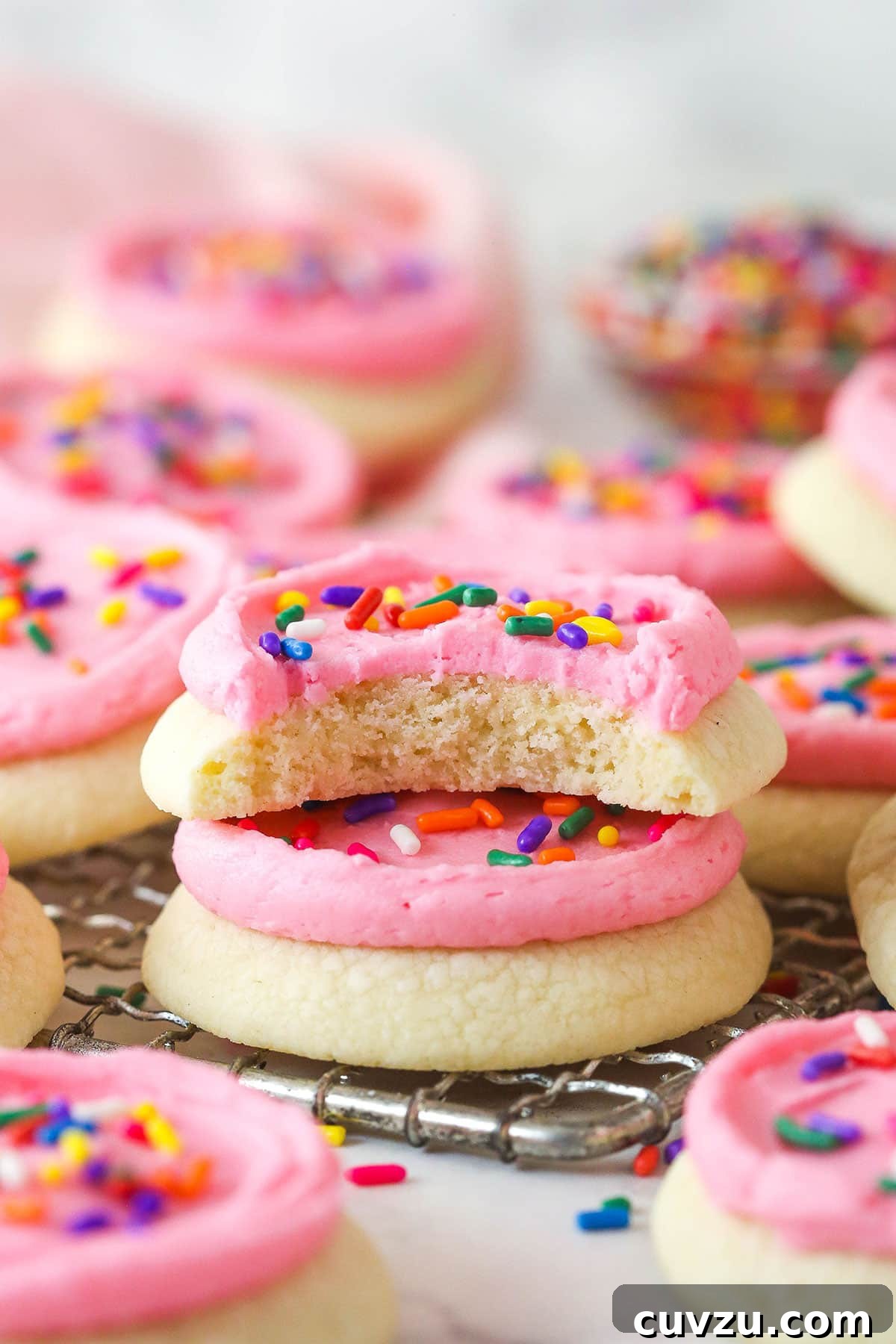
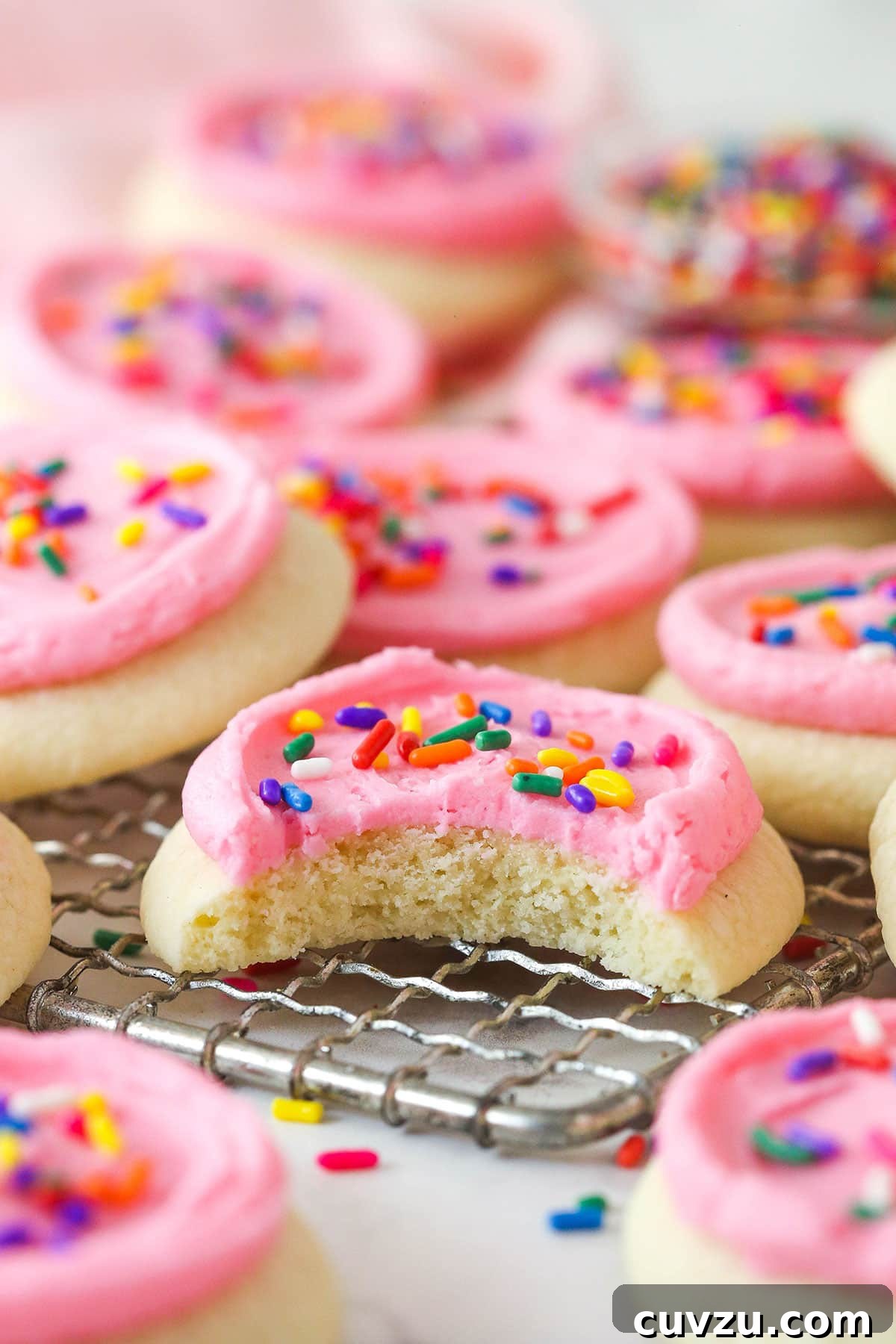
These copycat Lofthouse Cookies are soft and cakey with a melt-in-your-mouth texture and a light, classic flavor—just like the ones you buy at the supermarket. A generous layer of vanilla buttercream and colorful sprinkles on top gives them the familiar, nostalgic appearance.
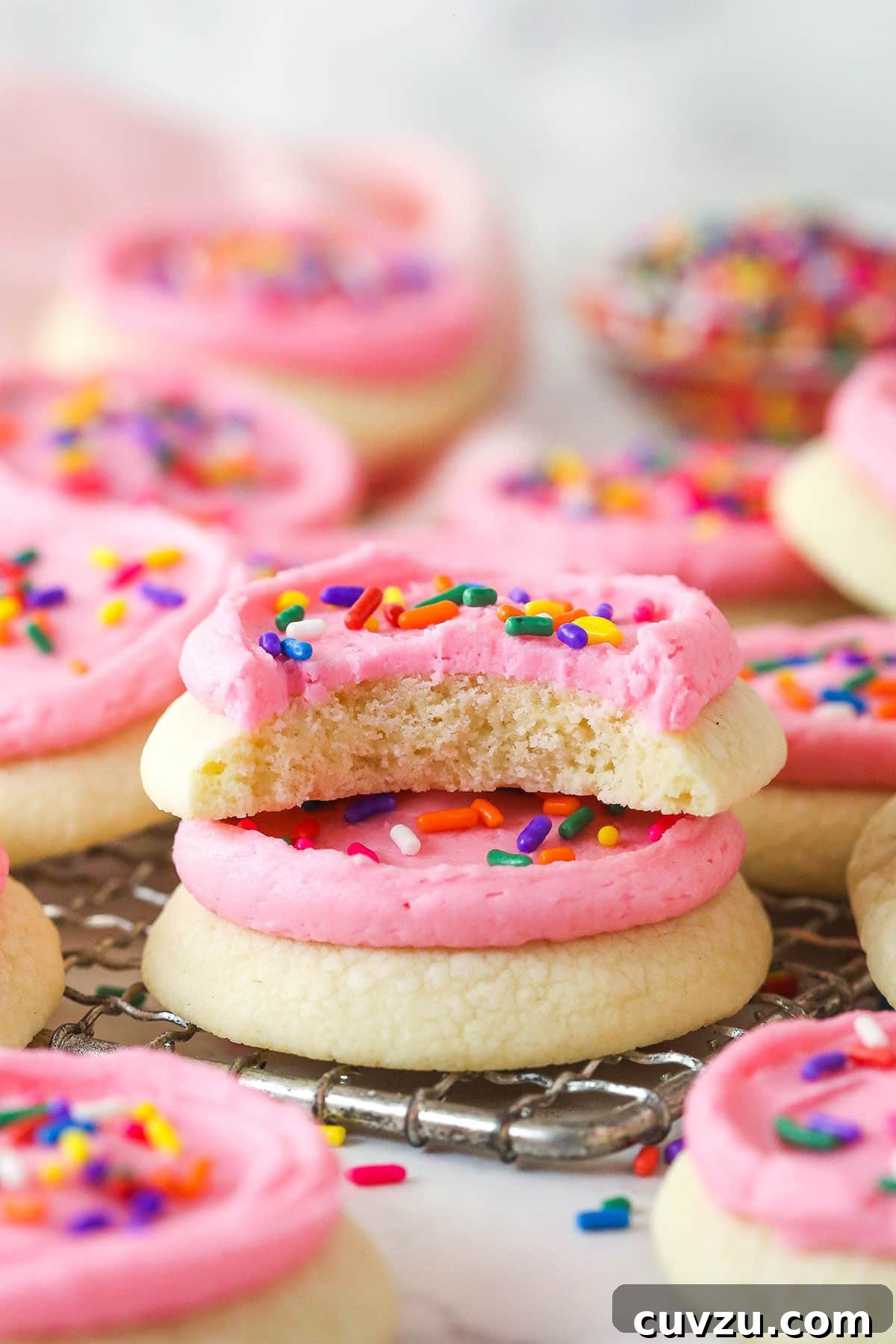
I love these copycat Lofthouse cookies. They don’t just look like the originals—they capture the texture and flavor very well. The crumb is tender and tenderly dense: not chewy like a traditional cookie and not airy like a cake, but that special in-between that melts on your tongue. The frosting finishes them off perfectly.
When I developed this recipe I started with a soft cutout sugar cookie base and adapted it for that characteristic Lofthouse texture. A few intentional tweaks make a big difference:
- Cake flour – Using cake flour instead of all-purpose creates a more tender, cakey texture and subtly changes the flavor to better match store-bought Lofthouse cookies.
- Cornstarch – I use cornstarch, though slightly less than in my cutout cookie recipe, to maintain tenderness while allowing a little spread.
- Baking powder – Only baking powder is used here; it gives the cookies the right rise and texture.
- Powdered sugar – Powdered sugar replaces granulated sugar in the dough to help create the melt-in-your-mouth crumb these cookies are known for.
- Almond extract – A small amount of almond extract, along with vanilla, rounds out the classic Lofthouse flavor.
After testing and adjusting the proportions, this version hits the texture and flavor I was aiming for. I hope you enjoy them as much as I do!

Why Lofthouse Cookies Are Special
Lofthouse sugar cookies aren’t simply soft sugar cookies with icing. A few characteristics set them apart and are what this copycat recipe aims to replicate.
- Unique texture. The cookies are soft, slightly dense, and almost melt in your mouth. They’re not chewy or cake-like, but somewhere delightful in between.
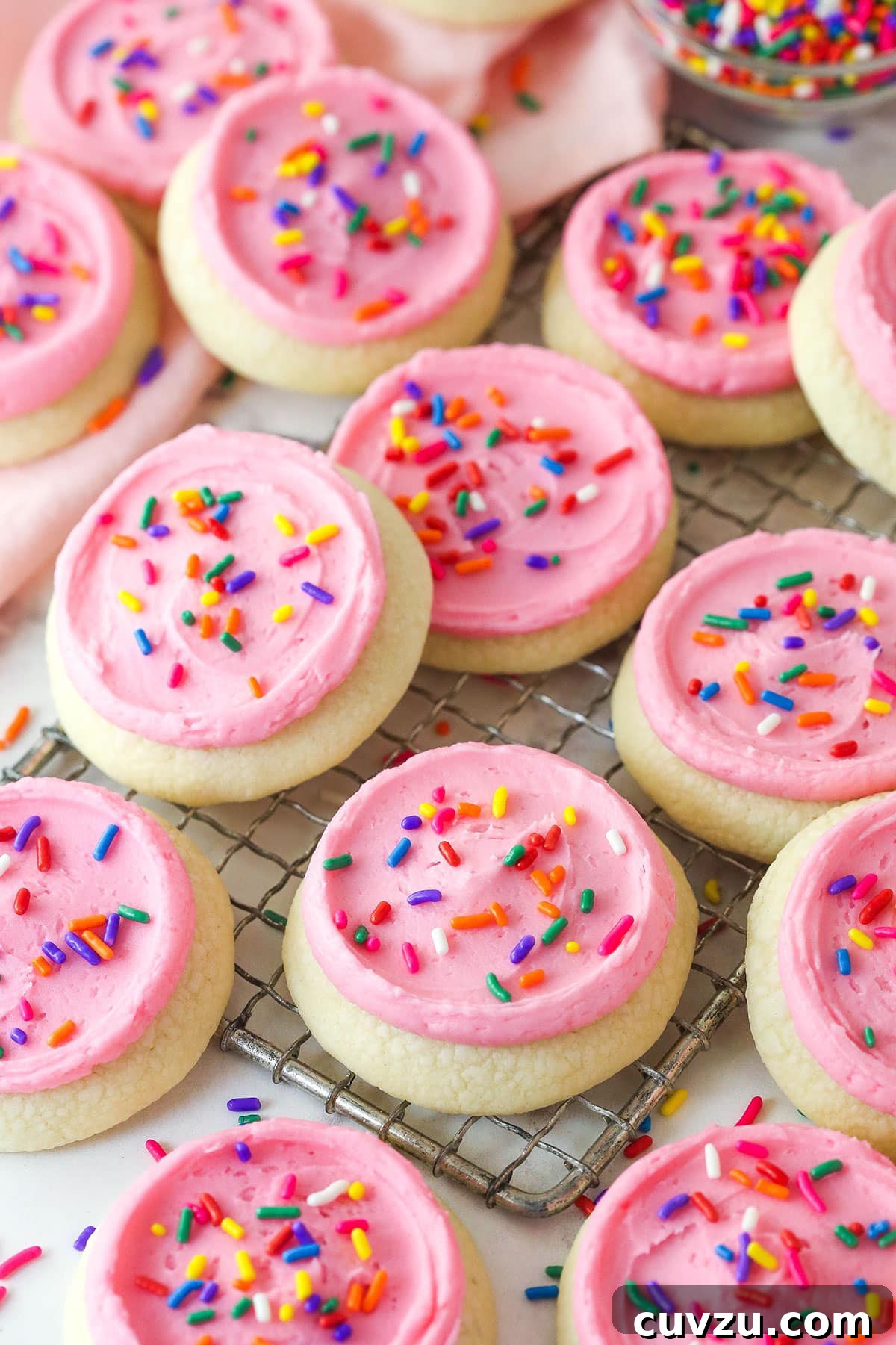
- Thick frosting. The cookies are meant to be generously frosted. A slightly thicker vanilla buttercream that firms up nicely gives the signature look and bite.
- Delicate flavor. The flavor is subtly sweet with pronounced vanilla notes and a hint of almond. Cake flour and a touch of almond extract help recreate that familiar, light taste.
Ingredient Notes
Below are the main ingredients used to make these Lofthouse-style cookies. Precise measurements and full directions are included in the recipe card at the end.
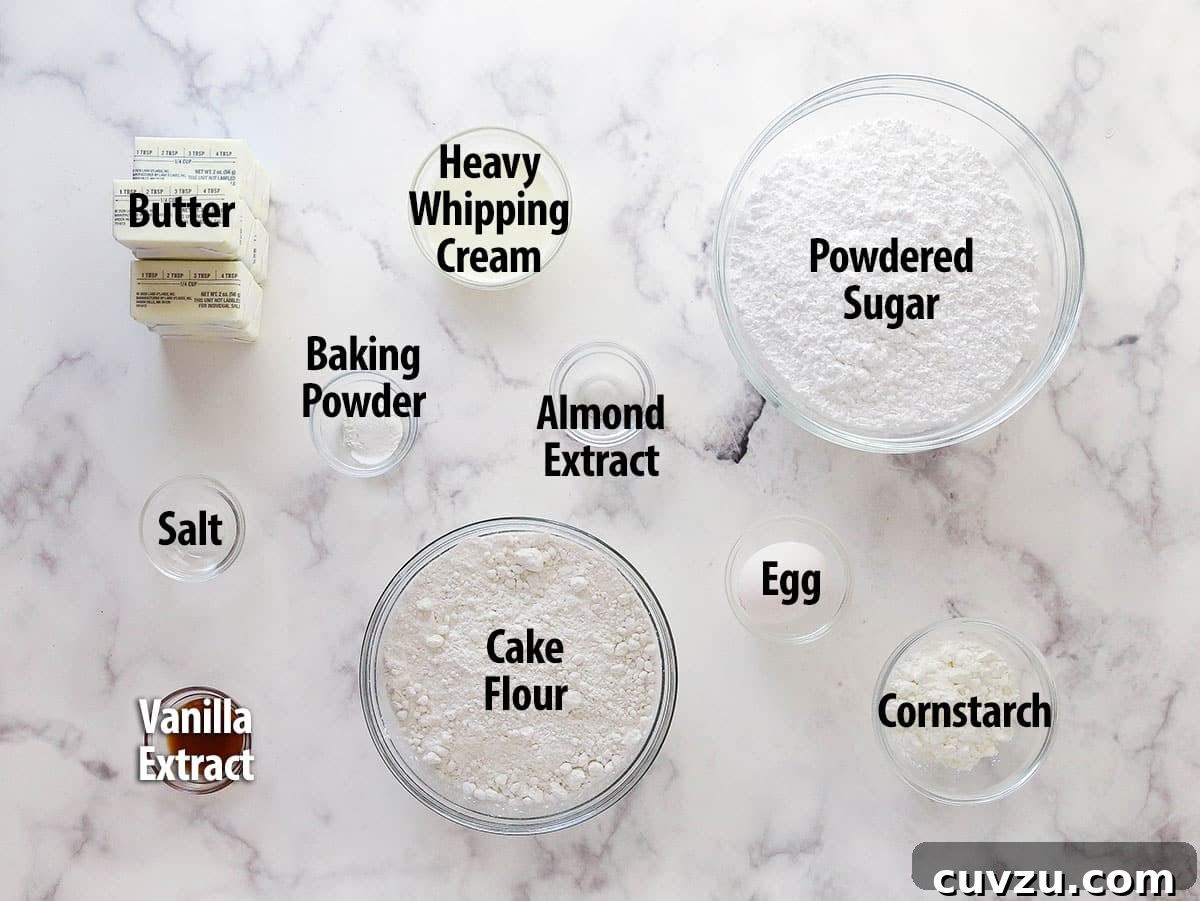
Cookies
- Cake flour – Key to a tender, slightly cakey crumb and a flavor closer to the commercial product.
- Cornstarch – Helps achieve the soft texture and prevents excessive spreading so the cookies stay thick.
- Baking powder – Provides the lift that shapes the cookie’s texture.
- Salt – Balances sweetness and enhances overall flavor.
- Unsalted butter – Use unsalted so the delicate flavor doesn’t become too salty.
- Powdered sugar – Replaces granulated sugar in the dough to create the melt-in-your-mouth texture.
- Egg – Adds structure and moisture.
- Vanilla + almond extracts – Vanilla is the base and a small amount of almond extract adds the classic Lofthouse undertone.
Buttercream
- Unsalted butter – Softened but not melted; it creates a smooth, creamy frosting base.
- Powdered sugar – Builds sweetness and structure so the frosting holds a mound on the cookie.
- Vanilla extract – Keeps the frosting light and classic.
- Heavy whipping cream – Used sparingly so the frosting stays thicker than a typical buttercream and sets up well on the cookie.
How to Make Lofthouse Cookies
These cookies are straightforward to make, but the dough needs to chill for best results. Full printable instructions are in the recipe card below.
Make the cookies
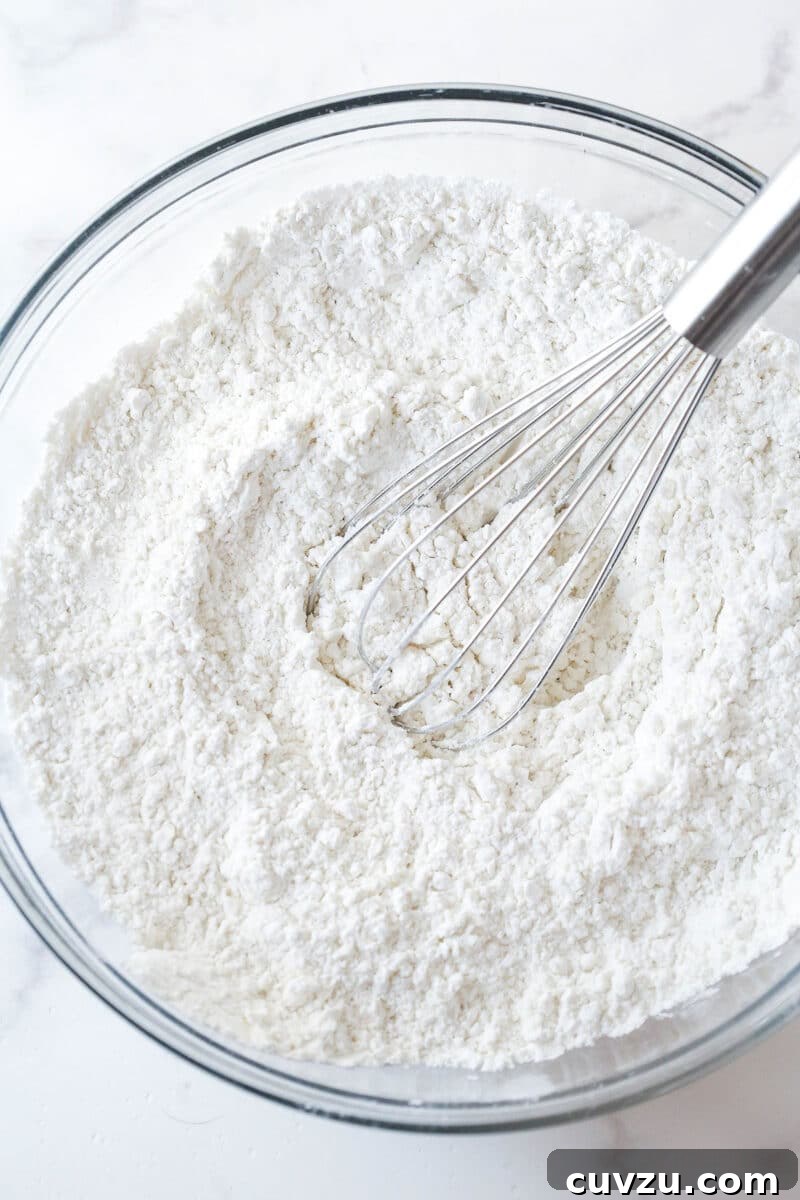
Whisk the cake flour, cornstarch, baking powder, and salt together in a bowl and set aside.
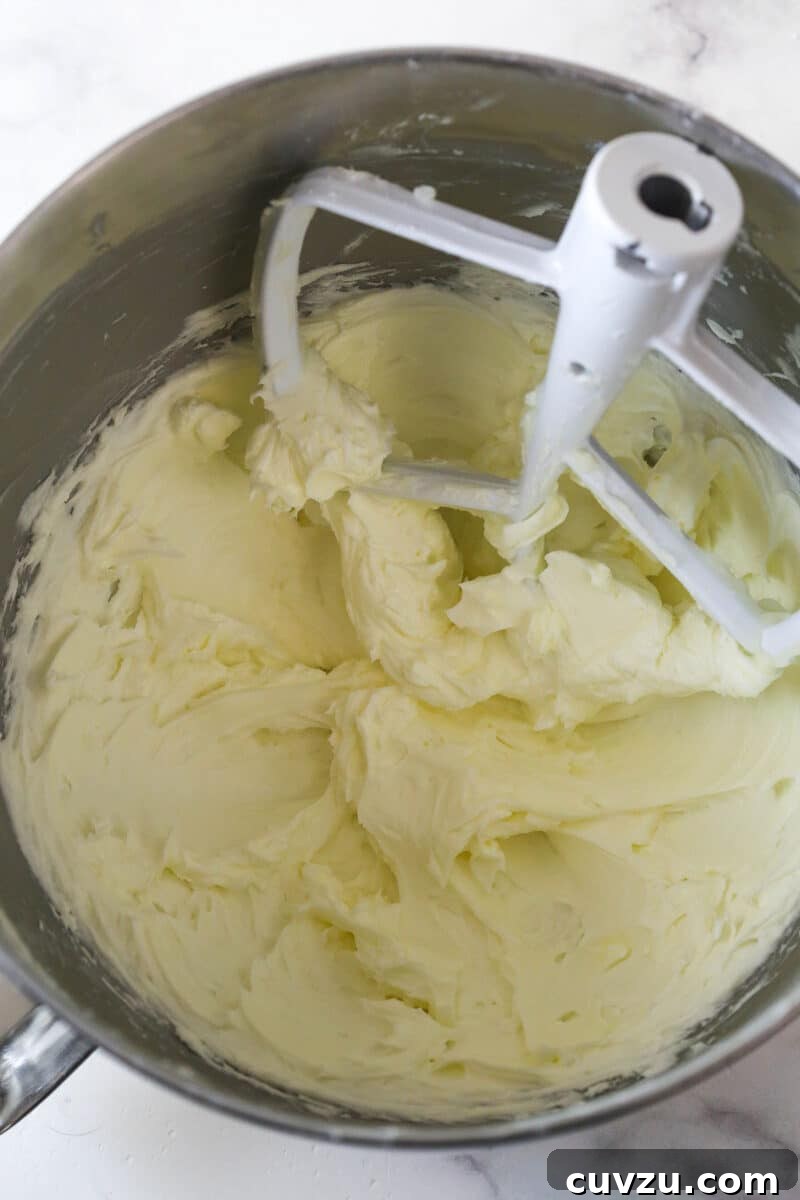
Cream the unsalted butter and powdered sugar on medium speed for 2–3 minutes until light in color and fluffy.
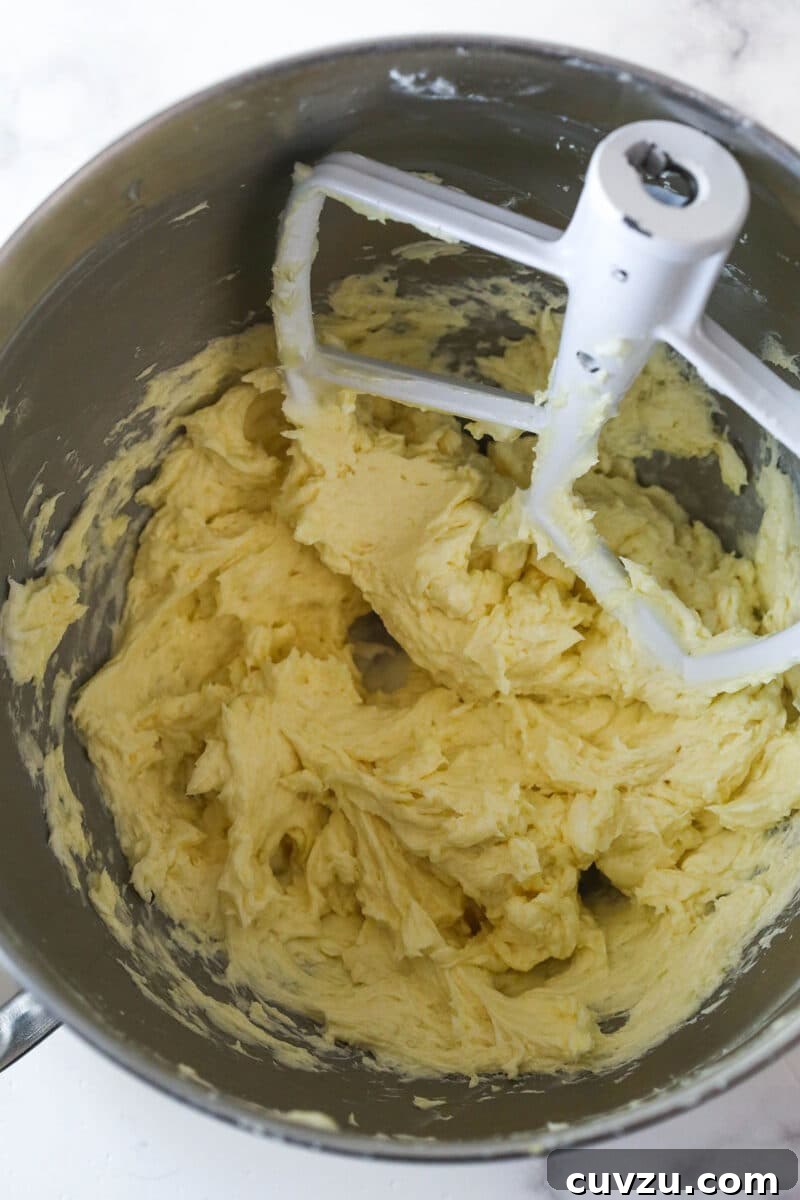
Beat in the egg, vanilla, and almond extract until combined.
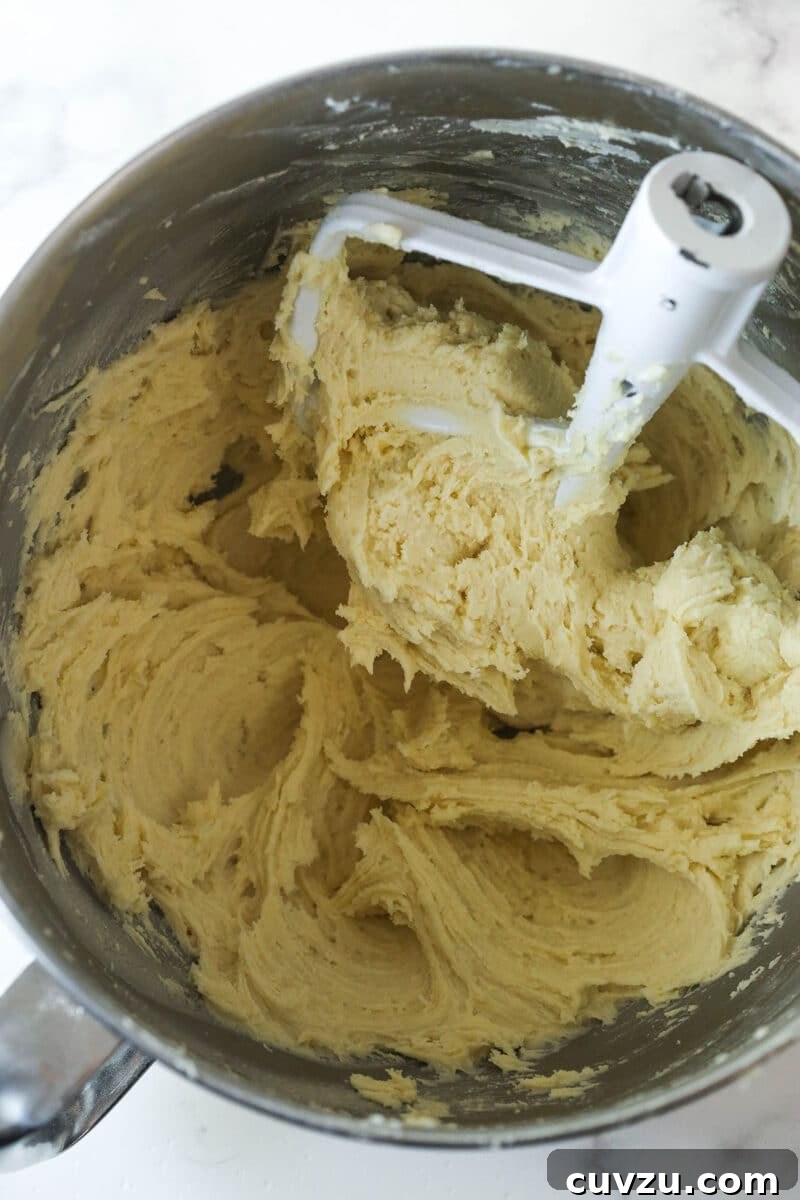
Add the dry ingredients and mix until just combined. The dough will be thinner than typical cookie dough. Use a rubber spatula to form it into a cohesive ball, then cover and refrigerate for at least 4–6 hours or overnight.
When ready to bake, preheat the oven to 350°F (180°C) and line baking sheets with parchment paper or silicone mats.
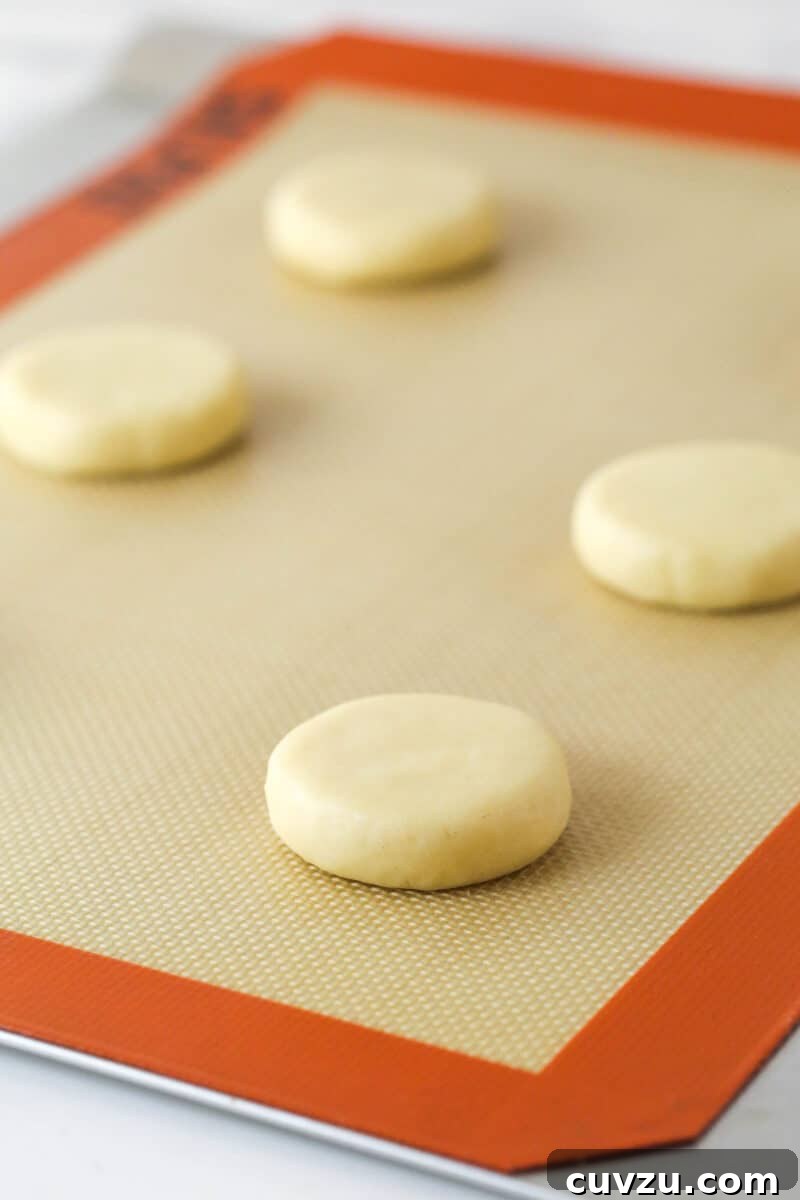
Scoop 2-tablespoon balls of dough (about 30 g each) onto the prepared sheet, spacing them about 2 inches apart. Press each ball gently with the bottom of a glass so they are about 1/2 inch thick.
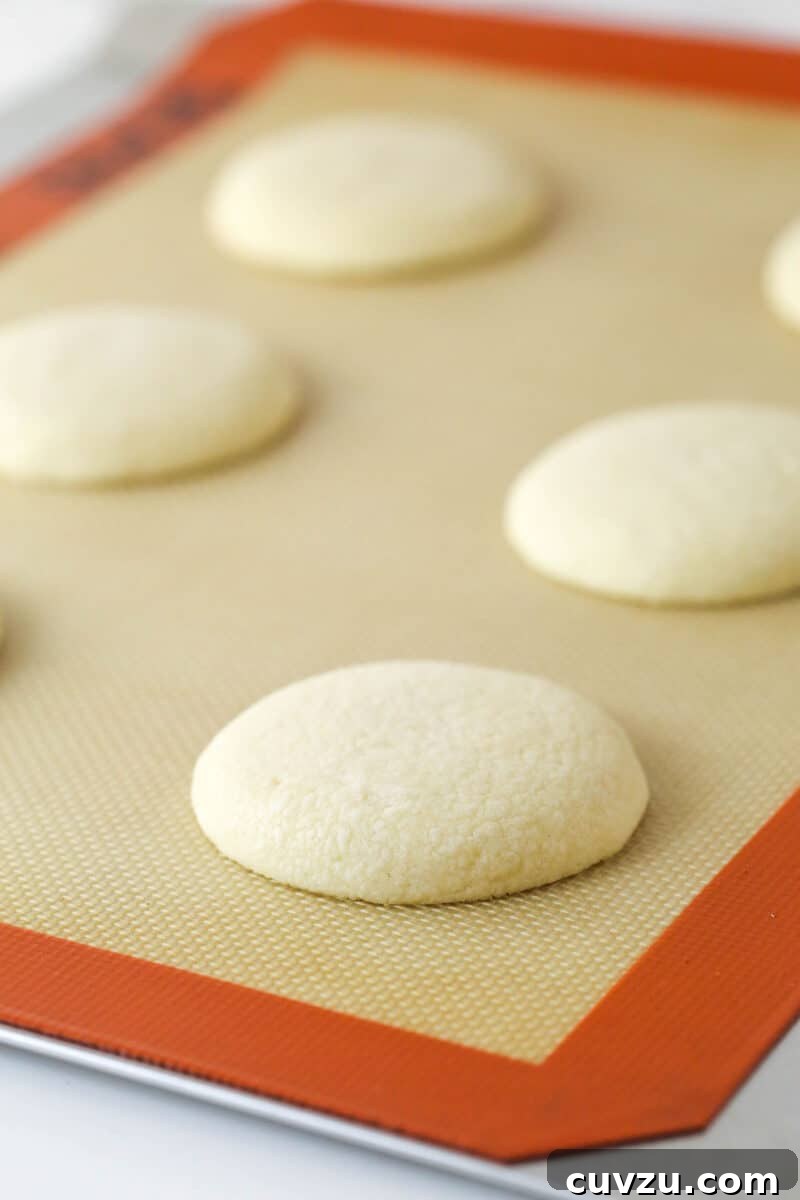
Bake for 9–11 minutes, until the centers just look set. Allow cookies to cool on the baking sheet for 3–4 minutes, then transfer to a wire rack to finish cooling.
Make the buttercream and frost cookies
Beat room-temperature butter until creamy. Add half the powdered sugar and mix until smooth, then add vanilla and 1 tablespoon of heavy cream. Add the remaining powdered sugar and mix until smooth. Add more cream, a tablespoon at a time, until the frosting is pipeable but still thick enough to mound and set.
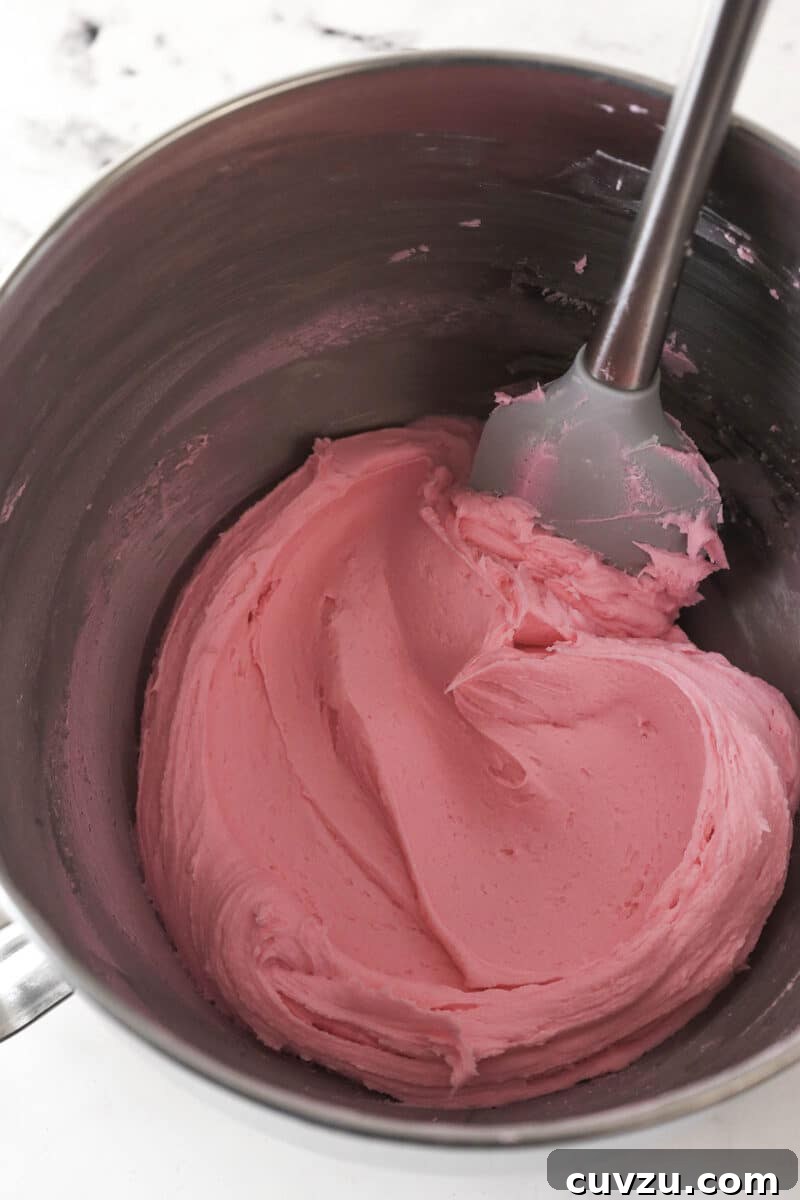
Add the remaining powdered sugar and mix until smooth. Adjust cream as needed and tint the frosting with your desired color.
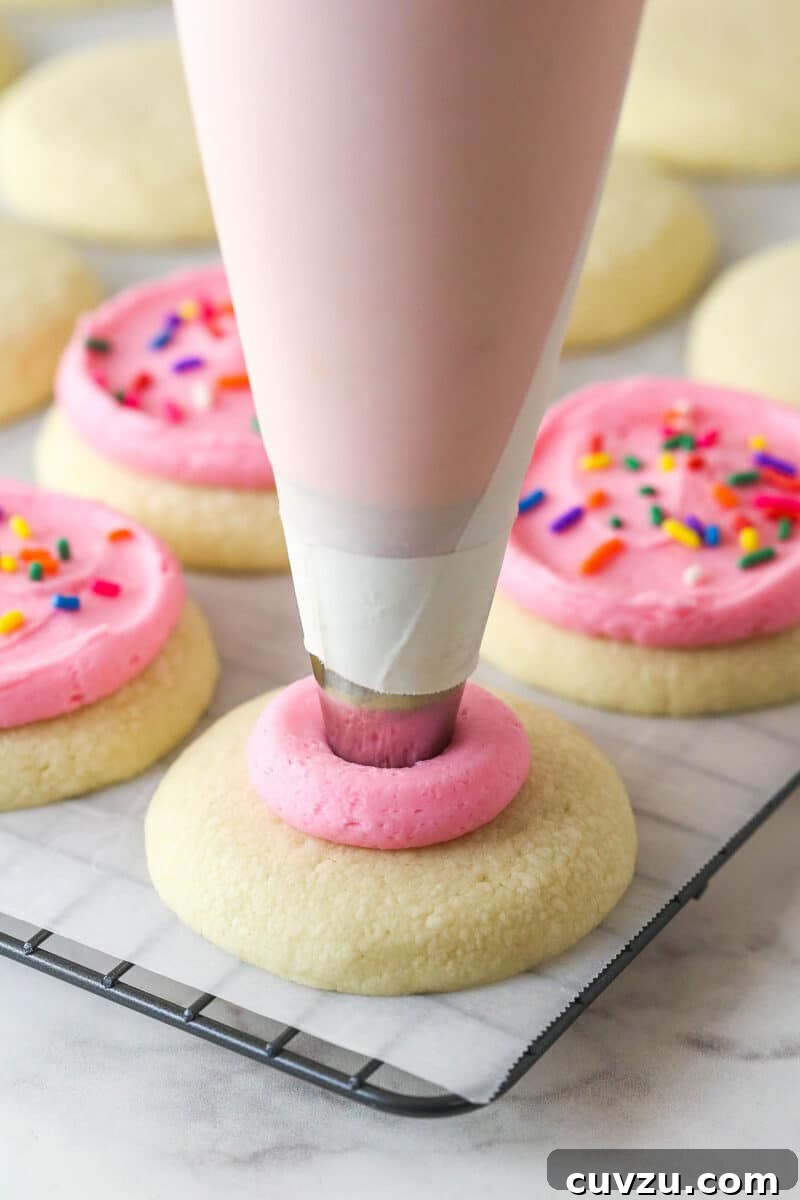
Transfer frosting to a piping bag fitted with a large round tip and pipe a short, wide mound onto each cooled cookie. Spread to the edges with a knife or offset spatula and finish with sprinkles.

Tips for Perfecting These Cookies
Keep these tips in mind for the best results.
- Measure accurately. A food scale gives the most consistent results, especially for cake flour, cornstarch, and powdered sugar.
- Cream fully. Creaming the butter and powdered sugar for 2–3 minutes creates a lighter texture and improves spread and rise.
- Chill the dough. Refrigerate the dough for at least 4 hours. Chilling improves tenderness, moisture, and prevents excessive spread.
- Press the dough. Press dough balls to about 1/2 inch thick before baking so they keep a cookie shape and bake evenly.
- Frosting consistency. Start with 1 tablespoon of heavy cream in the buttercream and add more only if needed. The frosting should be thicker than typical buttercream but still pipeable.
Storage
- Room temperature: Store in an airtight container for best quality for 4–5 days.
- Freezer: Cookies freeze well. If frosted, flash-freeze on a sheet until the frosting is firm, then transfer to a freezer-safe container for up to 3 months.
Recipe Card

Lofthouse Cookies
Ingredients
Cookies
- 2 ¾ cups (308g) cake flour
- 4 tablespoons (32g) cornstarch
- 1 teaspoon baking powder
- ¼ teaspoon salt
- 1 cup (224g) unsalted butter (room temperature)
- 1 ½ cups (173g) powdered sugar
- 1 large egg
- 2 teaspoons vanilla extract
- ¼ teaspoon almond extract
Buttercream
- ¾ cup (168g) unsalted butter (room temperature)
- 4 cups (460g) powdered sugar
- 2 teaspoons vanilla extract
- 2-3 tablespoons heavy whipping cream
Instructions
Make the cookies
- Combine the cake flour, cornstarch, baking powder, and salt in a medium bowl and set aside.
- Add the butter and powdered sugar to a large mixer bowl. Beat on medium speed until light in color and fluffy, about 2–3 minutes.
- Add the egg, vanilla, and almond extract and mix until combined.
- Add the dry ingredients and mix just until combined. The dough will be thinner than typical cookie dough. Use a spatula to form it into a ball. Cover and refrigerate for 4–6 hours or overnight.
- Preheat oven to 350°F (180°C) and line baking sheets with parchment paper or silicone mats.
- Portion 2-tablespoon dough balls onto the sheet about 2 inches apart. Press each to about ½ inch thick. Bake 9–11 minutes, until centers look set. Cool on the sheet 3–4 minutes, then transfer to a rack to finish cooling.
Make the buttercream and frost cookies
- Beat butter until smooth. Add half the powdered sugar and mix until combined. Add vanilla and 1 tablespoon cream, then the remaining powdered sugar. Mix until smooth, adding more cream if needed to reach a pipeable but thick consistency.
- Pipe or spread a mound of frosting on each cooled cookie and finish with sprinkles.
- Store in an airtight container and enjoy within 4–5 days for best quality.
Nutrition
Carbohydrates: 39 g
Protein: 2 g
Fat: 15 g
Nutrition facts are estimates and will vary based on ingredients and portion sizes.