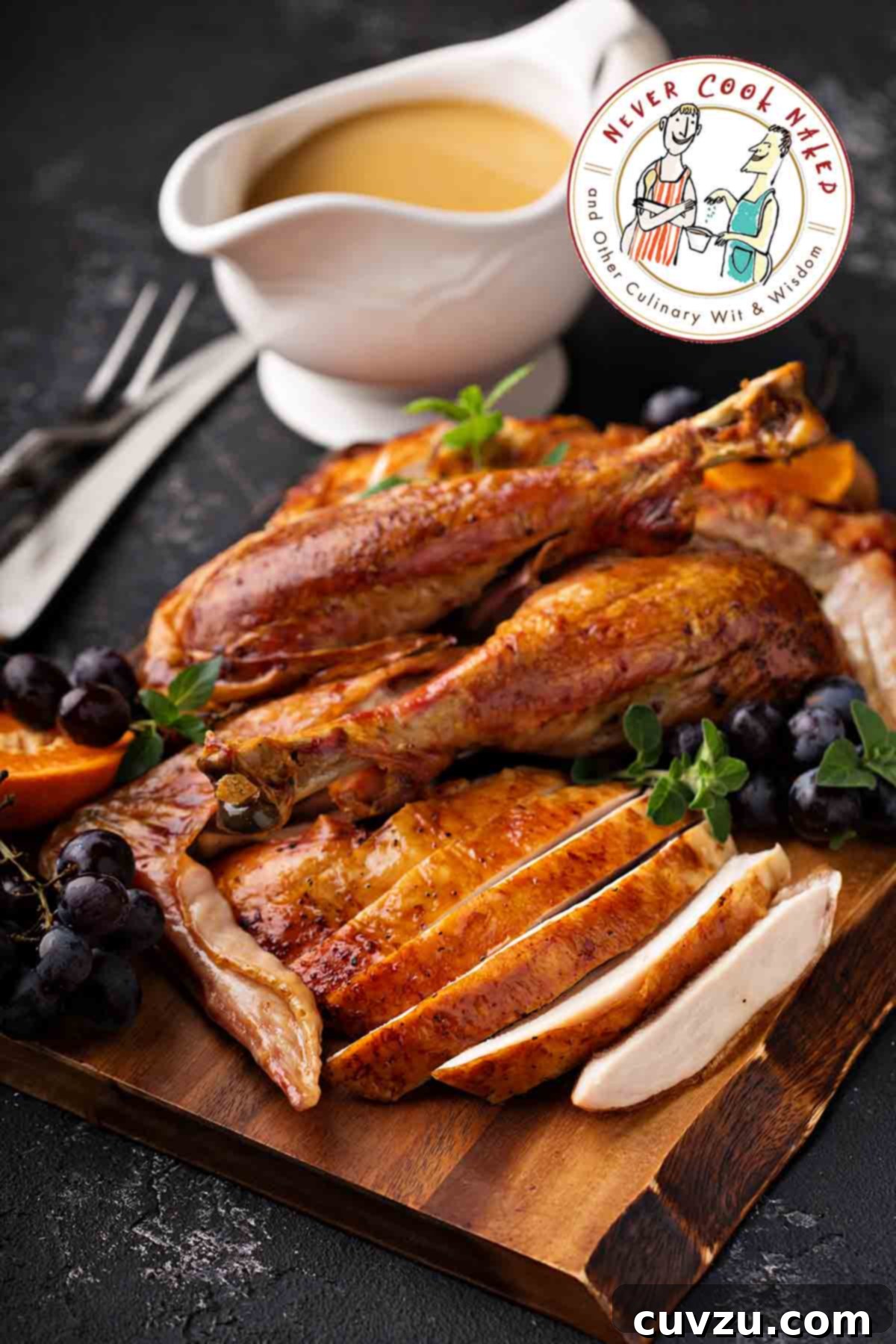
Decoding Pink Turkey Meat: Why Your Perfectly Cooked Bird Might Still Look Rosy
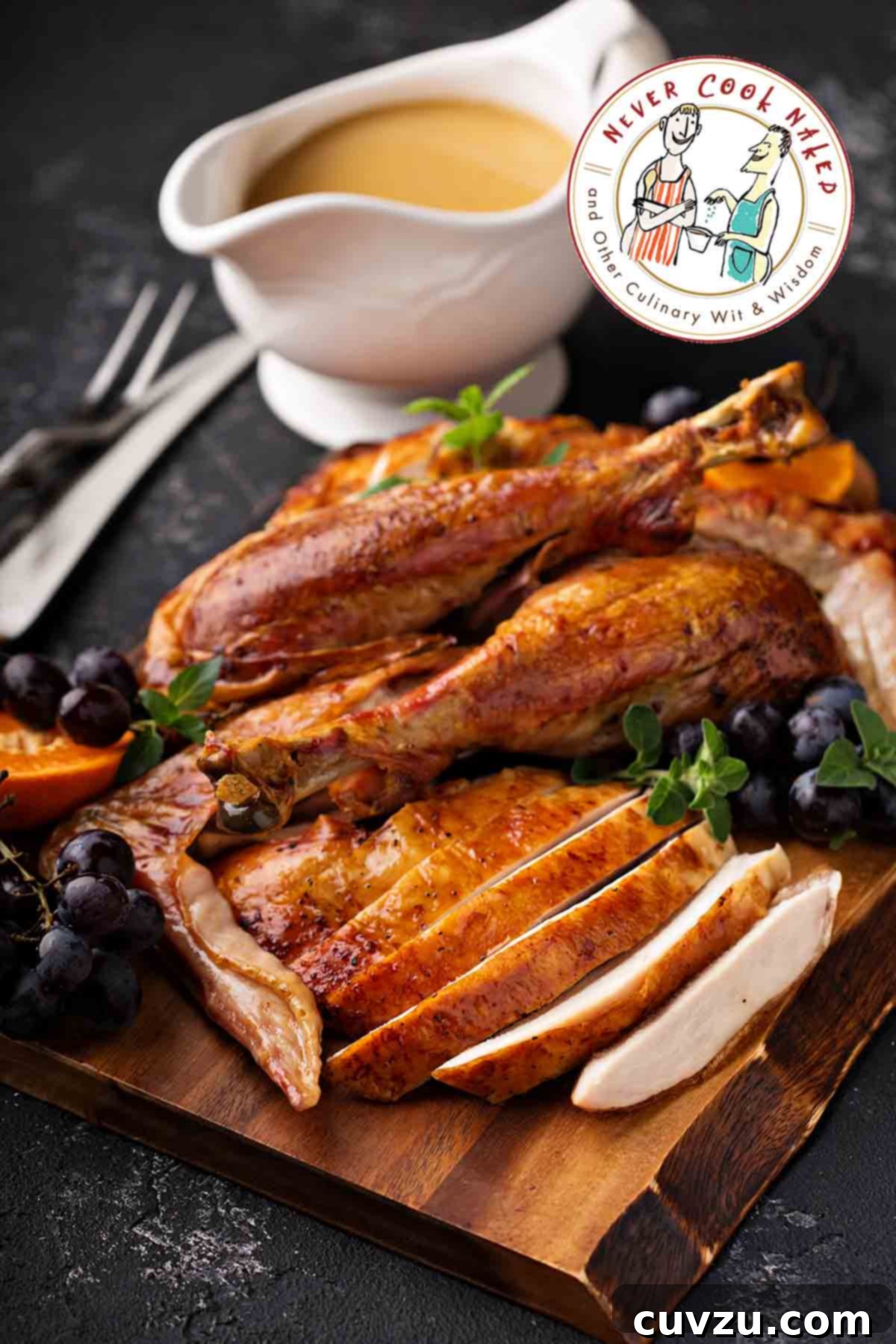
As Thanksgiving approaches, or indeed any occasion featuring a grand roasted bird, a familiar culinary conundrum often arises: the sight of pink meat, particularly around the joints of your meticulously prepared turkey. For many home cooks, this can be a source of significant anxiety, leading to fears of undercooked poultry and potential food safety risks. But what if we told you that this rosy hue doesn’t necessarily mean your magnificent centerpiece is unsafe or needs more time in the oven? This comprehensive guide will delve into the science behind pink turkey meat, provide expert tips for ensuring your bird is perfectly cooked and safe, and help you confidently navigate those tricky family dinner conversations.
Dear Never Cook Naked Guys: My Thanksgiving turkey invariably presents with a suspiciously pinkish tint around the larger joints—specifically where the thighs connect to the body—even though every other part of the bird appears perfectly roasted. Why does this happen? Could it be that the turkey remains too cold internally, despite being left at room temperature for an hour or so before it goes into the oven?—Cold Turkey
Dear Cold Turkey: It’s time to put those doubts to rest, especially during such a cherished holiday! The good news is that if you’re diligently using an instant-read meat thermometer to confirm your turkey has reached a safe internal temperature, that faint pink color around the joints is almost certainly nothing to worry about. You are, in all likelihood, blameless before both your guests and the culinary gods. This common phenomenon is a testament to the complexities of cooking poultry, and understanding it will not only boost your confidence but also ensure a perfectly succulent bird every time.
The Ultimate Guide to Perfectly Cooked Turkey: Temperature, Not Color
The single most critical piece of advice for any cook preparing poultry, especially a large bird like a turkey, is to rely on an accurate meat thermometer, not the visual appearance of the meat. While a quick glance can offer some initial clues, color alone is a notoriously unreliable indicator of doneness. This is precisely why that instant-read thermometer is your best friend in the kitchen. For turkey, the United States Department of Agriculture (USDA) recommends a minimum internal temperature of 165°F (74°C) measured in three key areas: the thickest part of the breast, the thickest part of the thigh, and the innermost part of the wing. It’s crucial to insert the thermometer without touching any bones, as bones heat up faster than meat and can give a misleadingly high reading. Once these temperatures are consistently met, your turkey is officially safe to eat, regardless of any pink nuances.
Furthermore, remember the concept of “carry-over cooking.” Once you remove your turkey from the oven, its internal temperature will continue to rise by several degrees as it rests. This resting period, typically 15-20 minutes for a whole turkey, is not just for temperature equalization but also allows the juices to redistribute throughout the meat, resulting in a more tender and flavorful bird. So, if your thermometer reads 160°F (71°C) when you pull it out, a short rest will likely bring it up to the safe 165°F (74°C) threshold. Embrace this resting time; it’s a vital step that prevents dry, tough meat.
The Science Behind the Hue: Why Turkey Can Be Pink and Still Safe
Instead of questioning your cooking skills, let’s point the finger at biology. The reason behind that persistent pinkish tint in fully cooked turkey meat, especially near the joints and bones, lies in a combination of natural pigments and bone marrow. This phenomenon is particularly common in younger birds, which turkeys often are when prepared for market. Here’s a deeper dive into the scientific explanation:
Myoglobin: The Pigment of Muscle
The primary culprit is a protein called myoglobin. Similar to hemoglobin in blood, myoglobin is responsible for storing oxygen in muscle cells, and its presence gives meat its color. Younger birds typically have less developed muscle tissue and a higher concentration of myoglobin that is less stable when heated compared to older birds. When this myoglobin is exposed to heat, it usually denatures and turns brown. However, sometimes, especially near bones, the myoglobin can resist full denaturation, or it can react with other compounds, resulting in a pink or reddish hue even when the meat is fully cooked to a safe temperature.
Bone Marrow and Hemoglobin Leakage
Another significant factor is the bone marrow. The bones of young poultry are more porous and contain marrow, which is rich in hemoglobin. During the cooking process, particularly when the bird is roasted, this hemoglobin can leach out from the bones and stain the surrounding meat. This is most noticeable around the joints where bones are prominent and the meat is directly adjacent to them. The pinkness you observe is less about undercooked muscle fibers and more about this harmless, natural pigment transfer from the bones. This phenomenon is entirely safe and doesn’t indicate an undercooked state if the internal temperature has been verified with a thermometer.
Nitrates and Nitrites (less common but possible)
While less common in home-roasted turkeys, sometimes pinkness can also be attributed to nitrates or nitrites, either naturally occurring in the bird’s diet or present in curing agents if the turkey was brined with certain salts. These compounds react with myoglobin to form a heat-stable pink pigment, similar to what you see in cured meats like ham or bacon. However, for a typical roasted turkey, myoglobin and bone marrow leakage are the primary reasons for safe pinkness.
Distinguishing Safe Pink from Truly Undercooked Meat
It’s important to differentiate between safely pink meat and genuinely undercooked turkey, which can pose health risks. Here’s how to tell the difference:
- Texture: Properly cooked turkey, even if slightly pink near the bone, will be firm and yield slightly when pressed. Undercooked turkey will feel soft, spongy, and somewhat gelatinous.
- Juices: The juices running from a safely cooked turkey will be clear. If the juices are still bloody or very cloudy, the turkey likely needs more cooking time.
- Temperature: This is the ultimate indicator. If your thermometer reads 165°F (74°C) in all critical areas, the turkey is safe, regardless of color.
- Overall Appearance: An undercooked turkey will generally look pale and uncooked throughout, not just at the joints.
Optimizing Your Turkey Roast for Even Cooking and Peak Flavor
While the pink joint issue is often biological, several techniques can help ensure your turkey cooks evenly, reducing any potential for undercooked spots and improving overall quality:
Bringing to Room Temperature
Your practice of leaving the turkey at room temperature for an hour or so before roasting is excellent. A turkey that starts closer to room temperature will cook more evenly than one straight from the refrigerator, which can lead to the outer layers cooking faster than the core. However, this step primarily aids even cooking and won’t entirely prevent the biological pinkness near bones.
Brining or Salting
Consider brining your turkey. A wet brine (submerging in a salt water solution) or a dry brine (rubbing with salt) helps the meat retain moisture, resulting in a juicier bird. It can also help the meat cook more evenly and potentially reduce some of the myoglobin effects by altering muscle structure, though its primary benefit is moisture and flavor.
Trussing and Tenting
Trussing the turkey (tying the legs and wings closer to the body) helps promote more even cooking by making the bird a more uniform shape. Tenting the breast with foil partway through cooking prevents it from drying out while allowing the darker meat (thighs and legs) to continue cooking to temperature. This balanced approach helps ensure all parts reach their ideal doneness without overcooking others.
Using a Roasting Rack
Always cook your turkey on a roasting rack in a shallow pan. This allows hot air to circulate all around the bird, including underneath, ensuring a more even cook and crispy skin.
Don’t Overstuff
If you choose to stuff your turkey, do so loosely. A densely packed stuffing can prevent heat from penetrating the cavity efficiently, leading to prolonged cooking times and potential food safety issues for the stuffing itself (which must also reach 165°F/74°C). Many experts recommend cooking stuffing separately for optimal safety and texture.
Reassuring Your Guests: Confidence is Key
Even with all your careful preparation and knowledge, some guests might still raise an eyebrow at a pink joint. Here’s how to confidently reassure them:
- Lead with Science: “No, it’s not undercooked! This particular pinkness is a natural phenomenon, especially in younger birds. It’s due to a pigment called myoglobin near the bones, which is completely harmless. I’ve checked the internal temperature with a thermometer, and it’s perfectly safe.”
- Compare to Other Meats: “Think of it like perfectly cooked pork tenderloin, which can also have a faint pink blush but is absolutely safe and delicious when cooked to temperature.”
- Focus on Flavor and Texture: “The turkey is wonderfully firm and juicy, and the clear juices confirm it’s done. Enjoy the tenderness!”
- Offer to Show: If they’re particularly skeptical, you can even point to the firm texture and clear juices as evidence, or even politely offer to show them the thermometer reading if you’re feeling exceptionally patient!
The key is to speak with confidence and knowledge. Your assurance will likely be enough to dispel any lingering doubts and allow everyone to enjoy the meal.
The Same Principle Applies to Other Poultry
This biological explanation isn’t exclusive to turkey. You might encounter the same phenomenon with your classic roast chicken, particularly around the leg and thigh joints, or even with other game birds. The rules remain the same: an instant-read meat thermometer is your ultimate guide, ensuring safety and allowing you to enjoy the natural, delicious variations in poultry.
Beyond Pinkness: Addressing Other Common Turkey Cooking Questions
While pink meat is a frequent concern, many other questions arise when roasting a turkey. Let’s briefly touch upon a few:
Why is my turkey dry?
Dry turkey is often a result of overcooking, not resting the bird adequately, or insufficient basting (though basting primarily affects skin crispness, not moisture within the meat). Using a meat thermometer is crucial to avoid overcooking. Remember the carry-over cooking, and always allow for a proper rest.
How long should I roast my turkey?
Roasting times vary significantly based on the turkey’s weight, whether it’s stuffed, oven temperature, and even the oven’s calibration. As a general guideline, unstuffed turkeys typically cook for about 13 minutes per pound at 350°F (175°C). However, these are just estimates; always, always rely on your meat thermometer to confirm doneness.
What about preparing stuffing?
If you cook stuffing inside the turkey, it must also reach an internal temperature of 165°F (74°C) to be safe. Since stuffing insulates the turkey, it can take longer to reach this temperature, potentially leading to an overcooked turkey. Many chefs recommend cooking stuffing in a separate dish to ensure both the turkey and stuffing cook perfectly.
Our very clever, very clothed Never Cook Naked columnists are at your disposal, able to troubleshoot everything from questionable table etiquette to tricky cooking techniques (as well as, natch, proper cooking attire). Ask us your question in a comment below!
Conclusion: Embrace the Pink, Enjoy the Feast!
Armed with this knowledge, you can approach your next Thanksgiving or holiday feast with newfound confidence. The pink meat around the joints of your turkey is usually a harmless biological quirk, not a sign of culinary failure. By prioritizing an accurate meat thermometer and adhering to safe cooking temperatures, you can ensure a perfectly cooked, juicy, and safe bird every time. So, go ahead, embrace that natural blush, reassure your guests with a smile, and savor the delicious results of your efforts. Happy cooking, and may your holiday table be filled with joy, good company, and perfectly safe, albeit occasionally pink, turkey!