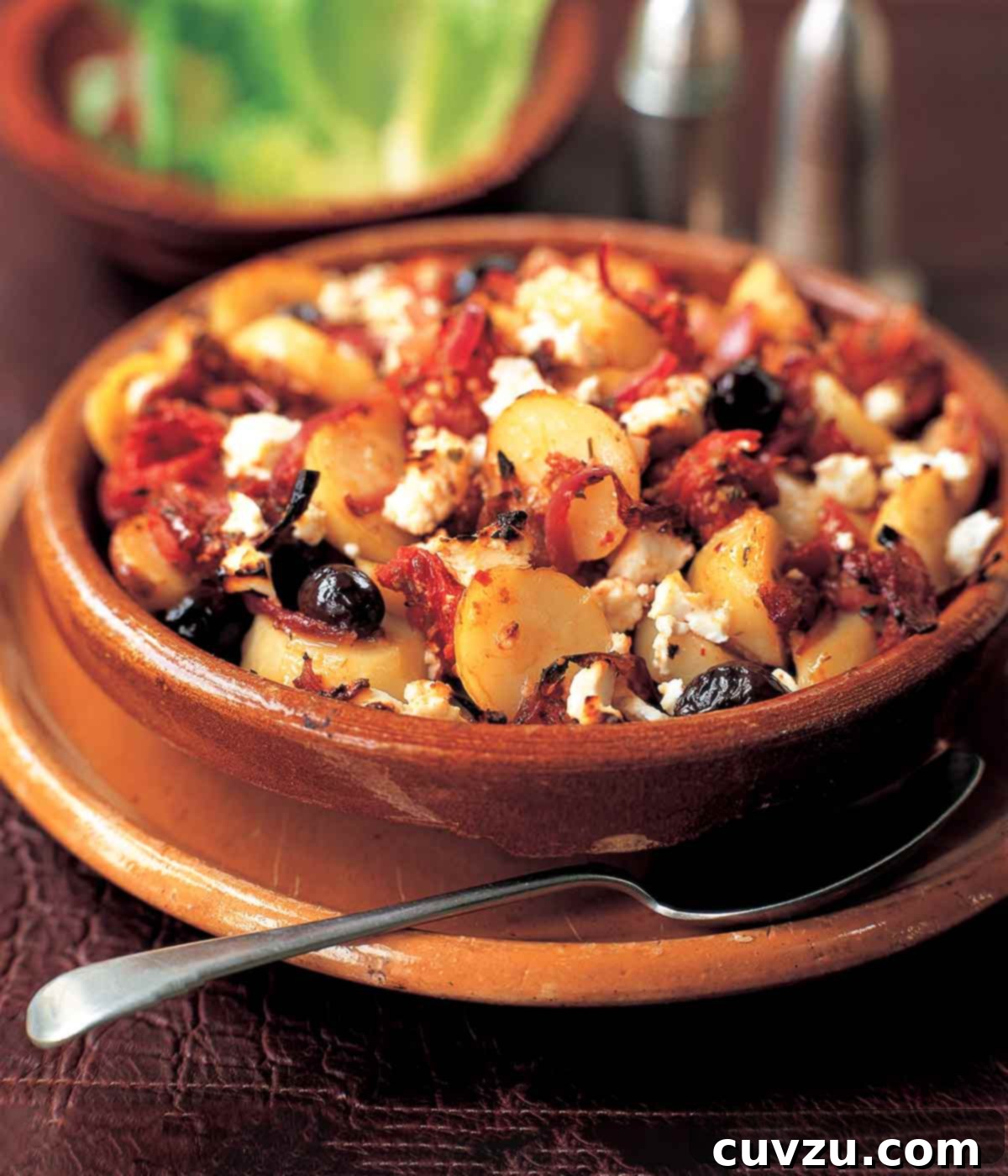
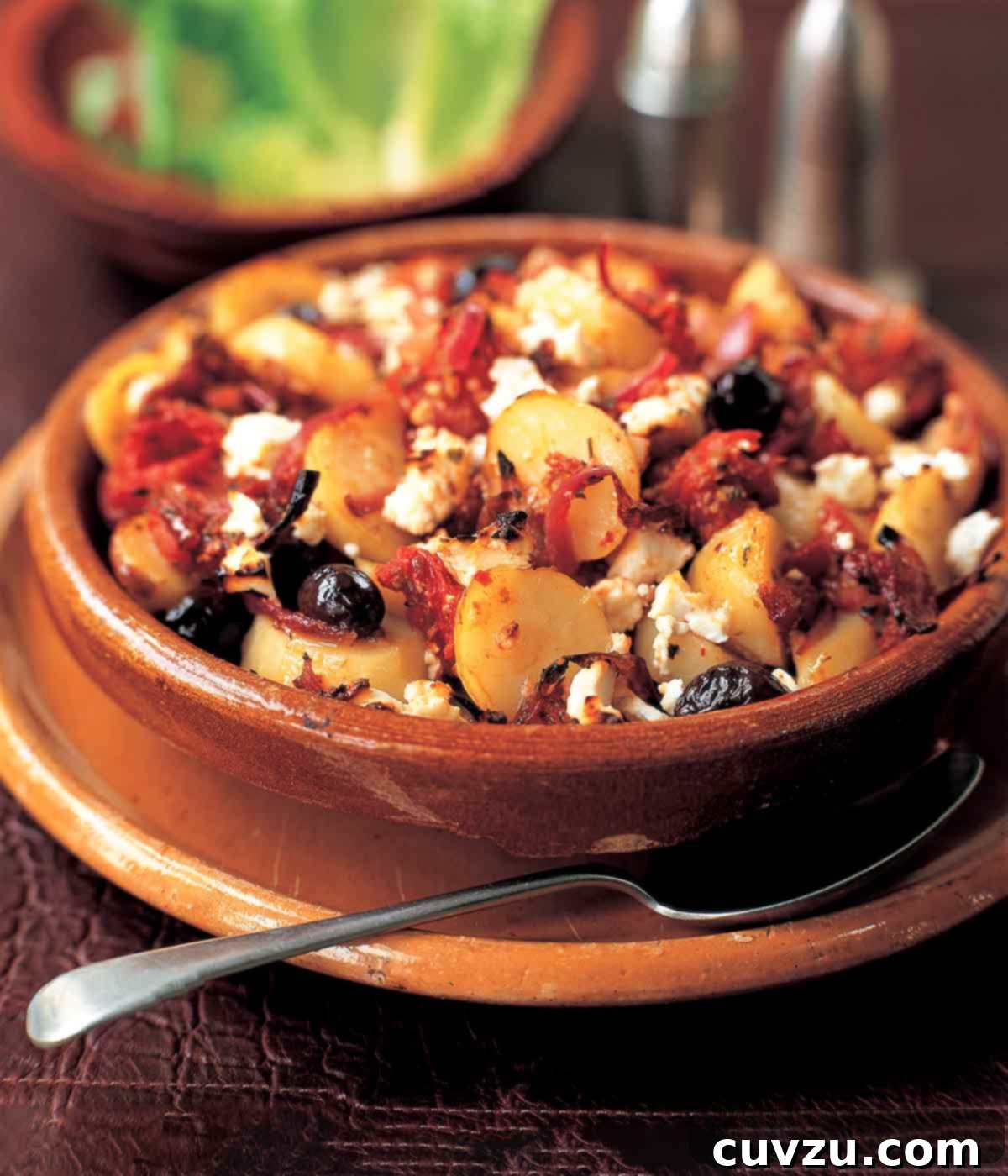
Embark on a culinary journey to the heart of Turkish cuisine with a delightful and comforting dish: Turkish Potatoes with Tomatoes and Feta, affectionately known as Patates Bastısı. This vibrant casserole is more than just a side dish; it’s a testament to the rich, wholesome flavors that define Mediterranean cooking. Featuring tender new potatoes, juicy tomatoes, briny black olives, and tangy feta cheese, it’s elevated by the aromatic depth of onions, garlic, cumin seeds, and a subtle kick from Aleppo pepper. The result is a profoundly flavorful yet never overwhelmingly spicy creation, offering a perfect balance that tantalizes the palate. A finishing touch of fresh lemon juice or a creamy dollop of yogurt adds a bright, sour tang, ensuring each bite is a harmonious blend of textures and tastes.
This dish captures the essence of Turkish hospitality and passion for food, inviting you to experience the warmth of Anatolian kitchens. It’s remarkably versatile, serving beautifully as a robust vegetarian main or as an exquisite accompaniment to a variety of meals.
As culinary explorer Ghillie Basan eloquently states, “The Turks are passionate about their cuisine. I’ve found that it gives them pleasure to share it with you and it is their generous hospitality that draws me to the country again and again.” This sentiment perfectly encapsulates the spirit of Patates Bastısı – a dish meant to be savored and shared, embodying the warmth and generosity of Turkish culture.
The Allure of Turkish & Mediterranean Cuisine
Turkish cuisine, a rich tapestry woven from centuries of history and diverse influences, stands as one of the world’s great culinary traditions. It’s a harmonious blend of Central Asian, Middle Eastern, and Mediterranean flavors, characterized by its fresh ingredients, aromatic spices, and a focus on balancing sweet, sour, and savory notes. Vegetables, grains, and lean proteins feature prominently, making it inherently wholesome and satisfying. This Patates Bastısı recipe is a prime example of this philosophy, showcasing how simple, earthy ingredients can be transformed into a dish bursting with complex and inviting flavors.
The Mediterranean diet, celebrated globally for its health benefits, finds a natural home in Turkish cooking. Dishes like this potato and feta casserole are packed with nutrients from fresh produce, healthy fats from olive oil, and protein from cheese, making it a delicious choice for a balanced lifestyle. The use of spices like cumin and Aleppo pepper not only adds incredible depth but also brings traditional health properties to the table, making every bite both delightful and nourishing.
Turkish Potatoes with Tomatoes and Feta: Patates Bastısı
This comforting potato dish, known in Turkish as patates bastısı, originates from the rich culinary heritage of western Anatolia. Traditionally slow-baked in an earthenware dish, this recipe is a fabulous accompaniment to a variety of main courses, from succulent roasted meats to delicate pan-seared fish. Its robust flavor profile also allows it to stand alone as a delightful vegetarian meal, especially when enhanced with a squeeze of fresh lemon, a dollop of cooling yogurt, and a vibrant green salad on the side.
David Leite
- PIN
Print Recipe
Ingredients for a Flavourful Patates Bastısı
Gathering fresh, high-quality ingredients is the first step to creating an authentic and delicious Patates Bastısı. Each component plays a vital role in building the dish’s layered flavors.
- 1 1/2 pounds new potatoes (firm, waxy varieties work best to hold their shape)
- 1 tablespoon (1/2 oz) unsalted butter
- 3 tablespoons extra virgin olive oil, divided
- 2 (8 oz) red onions, peeled, quartered and thinly sliced along the grain
- 3 to 4 garlic cloves, finely chopped or minced
- 1 to 2 teaspoons cumin seeds, lightly crushed in a mortar and pestle for maximum aroma
- 1 to 2 teaspoons Aleppo pepper, or 1 fresh red chile, deseeded and finely chopped, for a gentle warmth
- 2 teaspoons dried oregano
- 2 teaspoons granulated sugar (helps balance the acidity of the tomatoes)
- 1 tablespoon white wine vinegar
- 1 can (14 oz) diced tomatoes, drained (fresh diced tomatoes can also be used when in season)
- 12 to 16 pitted black olives (such as Kalamata or local Turkish varieties)
- 4 ounces beyaz peynir*, or feta cheese, crumbled (about 1 cup), for a salty, tangy finish
- Salt and freshly ground black pepper, to taste
- Lemon wedges, to serve, for a bright, citrusy lift
Step-by-Step Instructions for Patates Bastısı
Crafting this Turkish potato and feta bake is a straightforward process, yielding incredibly satisfying results. Follow these steps to achieve a perfectly cooked, flavorful dish that will impress your guests or delight your family.
- Preheat your oven to 400°F (200°C). This ensures the dish bakes evenly and the feta achieves a golden crispness.
- In a medium saucepan, place the new potatoes and cover them with cold water. Bring the water to a boil over medium heat and cook until the potatoes are tender when pierced with a fork, but still hold their shape and are not mushy. This usually takes about 15 to 20 minutes, depending on the size of your potatoes.
- Once cooked, drain the potatoes and refresh them under cold running water to stop the cooking process. Carefully peel off the skins – they should slip off easily – then cut the potatoes into thick, uniform slices, roughly 1/2 inch thick.
- In a heavy skillet set over medium heat, melt the butter along with 2 tablespoons of the olive oil. Add the sliced red onions and chopped garlic. Sauté gently until the onions are soft and translucent, about 5 to 10 minutes. This forms the aromatic base of your tomato mixture.
- Stir in the crushed cumin seeds, Aleppo pepper (or fresh chile), and most of the dried oregano, reserving a small pinch for garnish. Add the granulated sugar and white wine vinegar, then incorporate the drained diced tomatoes. Cook for a few minutes, allowing the flavors to meld. Season generously with salt and freshly ground black pepper to taste.
- Arrange the prepared potato slices evenly in a shallow baking dish. Scatter the pitted black olives among the potatoes. Spoon the warm, tangy tomato mixture generously over the potatoes and olives. Crumble the beyaz peynir or feta cheese evenly over the top, then sprinkle with the remaining reserved oregano. Drizzle the last 1 tablespoon of olive oil over the dish.
- Bake in the preheated oven for 25 to 30 minutes, or until the potatoes are thoroughly tender, the tomato sauce is bubbling, and the feta cheese on top is beautifully golden and slightly softened.
- Serve the Patates Bastısı hot, accompanied by fresh lemon wedges. Encourage guests to squeeze lemon juice over their portion for an added burst of freshness and tang.
Notes on Key Ingredients & Variations
*Understanding Beyaz Peynir: Turkey’s Iconic White Cheese
Beyaz peynir, translating literally to “white cheese,” is a cornerstone of Turkish cuisine, similar in texture and tang to Greek feta but with its own distinct characteristics. This brined cheese is produced across the Middle East and Southeast Europe, encompassing a family of cheeses including feta, halloumi, sirene, and tulum. Traditionally, beyaz peynir is crafted from unpasteurized cow, sheep, or goat milk, or a blend thereof, offering a spectrum of flavors and textures.
From the moment of its creation, it can range from a mild, fresh, and crumbly immature cheese to a powerfully strong, salty, and aged version. The production process involves pressing, chopping, and straining the curds before they are immersed in a salty brine for a minimum of six months. This brining process is crucial for developing its characteristic tangy, salty flavor and firm yet creamy texture. When selecting beyaz peynir, consider its age and milk type to match your preference for mildness or intensity. If authentic beyaz peynir is unavailable, a good quality Greek feta cheese makes an excellent, readily accessible substitute for this recipe, providing a similar salty and tangy counterpoint to the potatoes and tomatoes.
Tips for Perfect Potatoes
For this dish, new potatoes are ideal due to their waxy texture, which helps them retain their shape during boiling and baking, preventing them from becoming mushy. Boiling them whole in cold water and bringing to a boil ensures they cook evenly from the outside in. Don’t overcook them in the initial stage; they should be tender but still firm, as they will continue to cook in the oven.
Spice Alternatives and Flavor Enhancements
Aleppo pepper offers a mild heat with fruity undertones, making it distinctly different from standard chili flakes. If you can’t find it, a fresh red chile, deseeded and finely chopped, provides a similar gentle warmth. For an extra layer of flavor, consider adding a pinch of smoked paprika for depth or a tiny amount of red pepper paste (biber salçası) if you have it on hand, though it’s not strictly traditional for this specific dish. Fresh herbs like parsley or mint, sprinkled generously after baking, can also add a burst of freshness.
Adapted From
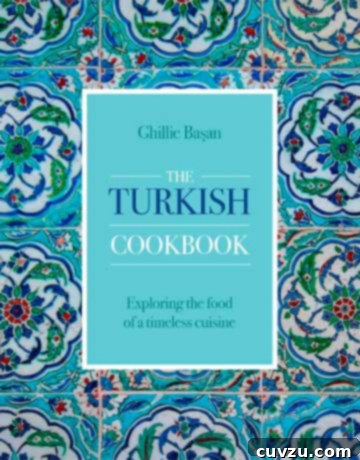
This recipe is lovingly adapted from “The Turkish Cookbook,” a renowned culinary guide by Ghillie Basan, known for her authentic explorations of Turkish cuisine.
Buy On Amazon
Nutrition Facts (Approximate per Serving)
Calories: 229 kcal
Carbohydrates: 23 g
Protein: 5 g
Fat: 14 g
Saturated Fat: 5 g
Monounsaturated Fat: 7 g
Trans Fat: 1 g
Cholesterol: 22 mg
Sodium: 253 mg
Fiber: 3 g
Sugar: 3 g
Nutrition information is automatically calculated and should be used as an approximation only. Actual values may vary based on ingredient brands and preparation methods.
Tried this recipe?Share your culinary creations! Mention @leitesculinaria or tag #leitesculinaria on Instagram!
Insights from Our Recipe Testers
Our dedicated team of recipe testers tried this Turkish Potato with Tomatoes and Feta recipe, offering their valuable feedback and creative serving suggestions. Their experiences highlight the versatility and deliciousness of this comforting Mediterranean dish.
Jackie Gorman’s Flavorful Pairing
Jackie Gorman found this potato dish with tomatoes and feta to be a truly flavorful experience, noting the intriguing blend of spices and the overall tasty outcome. She thoughtfully paired it with a Pomegranate Sumac Chicken, a choice that proved harmonious and effective, likely due to the shared element of Aleppo pepper in both recipes. Her testing also provided a valuable tip for cooking new potatoes: she followed the directions to boil them whole and unpeeled in cold water, finding that they became perfectly tender in just 13 minutes, allowing for easy skin removal and a desirable non-mushy consistency. This technique, she noted, is superior to pre-peeling for dishes requiring firm potatoes. Jackie enthusiastically recommends this versatile side for various chicken preparations, including roast chicken, and even suggests it would be wonderful alongside pork, highlighting its broad appeal in diverse meal settings.
B. Shanly’s Delightful Discovery
Initially intrigued yet uncertain about this unique combination, B. Shanly was pleasantly surprised by the delicious and well-melded flavors of the potatoes with tomatoes and feta. She praised how the savory notes from the potatoes, onions, and herbs perfectly balanced with the inherent sweetness of the tomato mixture and the piquant saltiness of the feta, creating a deeply flavorful and satisfying dish. Serving it alongside baked chicken thighs, she found the pairing to be impeccable, indicating the dish’s adaptability. Shanly noted that she wouldn’t change anything about the recipe, though she considered experimenting with different types of olives in the future. Her feedback underscores the recipe’s straightforward nature and its ability to deliver a powerful, memorable flavor experience with minimal fuss.
Helena Pereira’s Mediterranean Take
Helena Pereira lauded this Turkish specialty, potatoes with tomatoes and feta, for its effortless preparation, comforting qualities, and its exemplary representation of Mediterranean cuisine—being both wholesome and bursting with flavor. She highlighted its remarkable versatility, deeming it an ideal accompaniment for various meat or fish dishes, where its robust character can complement without overpowering. However, Helena also emphasized its significant potential as a satisfying and complete main course, especially when served with a generous dollop of creamy Greek yogurt, which adds a delightful creaminess and tang, alongside a crisp, fresh green salad. This approach elevates the dish, transforming it into a hearty and balanced meal suitable for any occasion.
Serving Suggestions and Perfect Pairings
While Patates Bastısı can shine brightly as a vegetarian main course, its versatility truly makes it a star side dish. Consider serving it alongside grilled lamb chops, roasted chicken, or even a simple pan-fried fish for a complete and balanced meal. For a more elaborate Turkish feast, pair it with dishes like hummus, a fresh shepherd’s salad (çoban salatası), or flavorful rice pilaf. The brightness of fresh lemon juice is non-negotiable for serving, cutting through the richness and enhancing all the other flavors. A side of cooling Turkish or Greek yogurt can also provide a beautiful creamy contrast, especially if you enjoy a touch of extra tang. For an even heartier meal, a sprinkle of toasted pine nuts or chopped walnuts can add a delightful textural element and nutty flavor. No matter how you choose to enjoy it, this Turkish potato bake promises a taste of authentic Mediterranean comfort.
Whether you are a seasoned cook or new to Turkish cuisine, this recipe for Turkish Potatoes with Tomatoes and Feta is an approachable and rewarding endeavor. It’s a dish that beautifully marries simplicity with profound flavor, reflecting the best of what Turkish cooking has to offer. So gather your ingredients, enjoy the process, and prepare to savor a truly delicious and authentic meal that will transport your taste buds to the sun-drenched shores of Anatolia.