Welcome to a culinary exploration of Portugal! These 15 authentic Portuguese recipes are the heart and soul of Portuguese cooking, cherished classics that locals and visitors alike return to time and again. Prepare to embark on a delicious journey that captures the essence of this vibrant culture, bringing the warmth and flavors of Portugal straight to your kitchen. Whether you’re craving a comforting soup, a savory seafood dish, or an irresistible dessert, this collection offers a taste of true Portuguese heritage. Bom apetite!
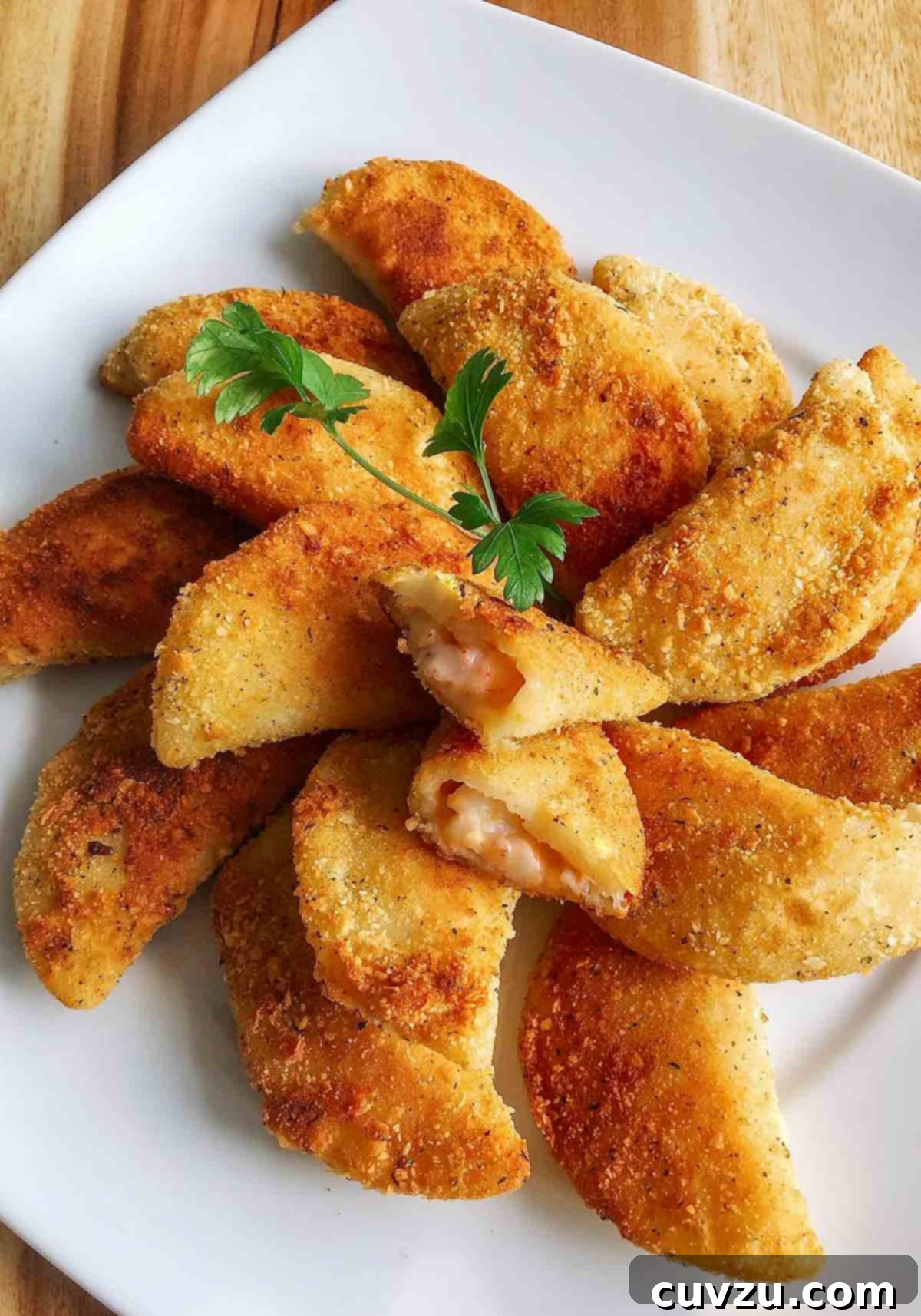
Photo by Ilda Costa-Sarnicki
Portuguese Shrimp Turnovers ~ Rissóis de Camarão
Portuguese shrimp turnovers, known as Rissóis de Camarão, are a beloved traditional appetizer that perfectly encapsulates the comforting, homemade feel of Portuguese cuisine. These delightful half-moon pastries feature a crispy, golden-fried exterior encasing a rich, creamy shrimp filling. Often served at parties, family gatherings, or simply as a satisfying snack, they evoke the nostalgic warmth of a Portuguese grandma’s kitchen, even for those who’ve never had one. The tender, seasoned shrimp enveloped in a velvety béchamel-like sauce offers a burst of savory flavor with every bite, making them utterly irresistible and a must-try for anyone exploring Portuguese culinary traditions.
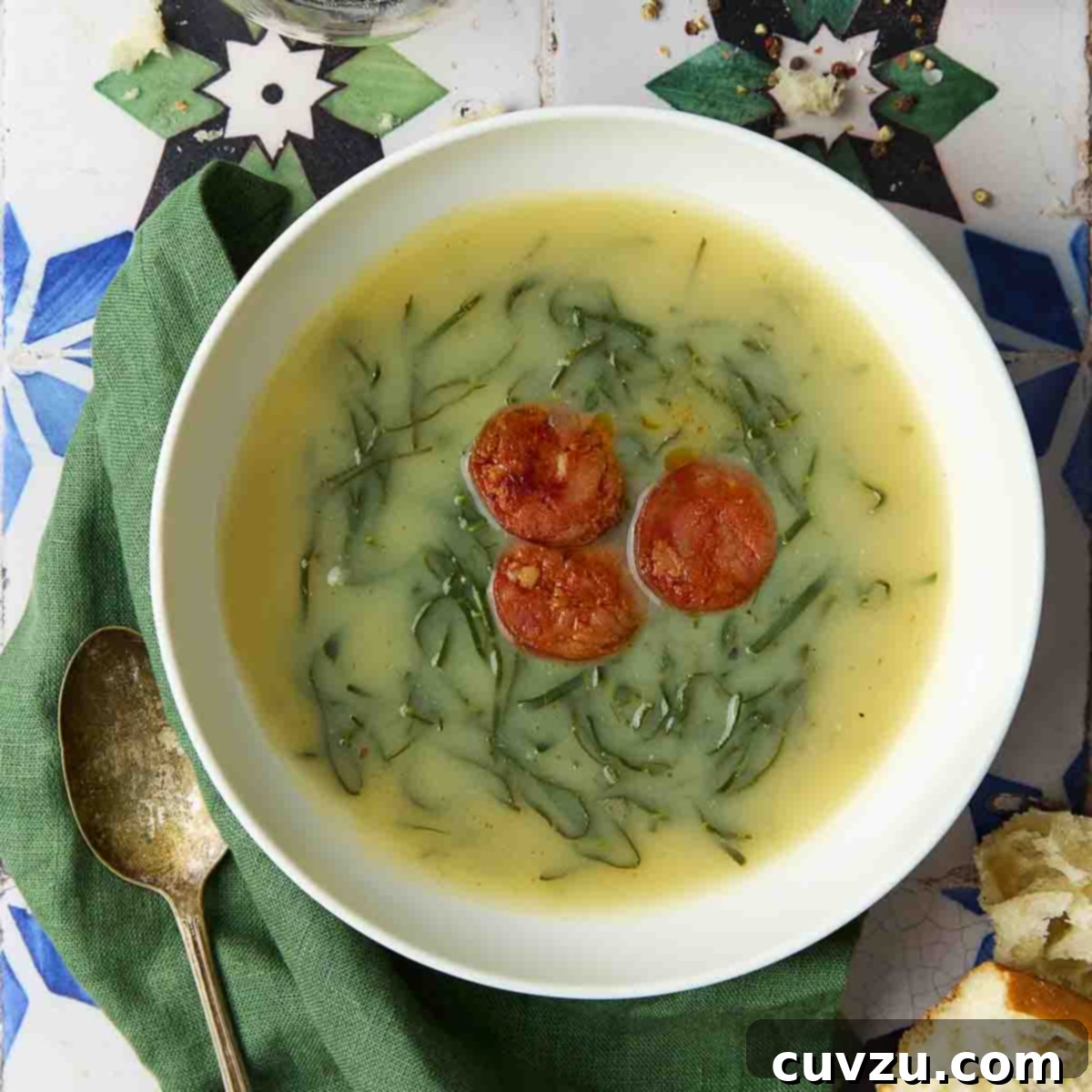
Photo by homeydesign
Caldo Verde
Caldo Verde, the iconic Portuguese kale soup, is more than just a dish; it’s a culinary symbol found everywhere from bustling Lisbon eateries to serene village farmhouses. This simple yet incredibly nourishing soup is celebrated for its humble origins and robust flavors. Made primarily with puréed potatoes, thinly shredded collard greens (kale), and slices of smoky chouriço sausage, it offers a comforting warmth, especially on a chilly day. Often served with a drizzle of olive oil and a slice of rustic corn bread (broa), Caldo Verde is the quintessential Portuguese comfort food, providing a sustaining and deeply satisfying experience that appeals to all ages. Its enduring popularity is a testament to its simple perfection and heartwarming character.
“This caldo verde was such a delicious soup! Hearty and satisfying–especially during our cold Chicago winter. I added half the chorizo back in before using an immersion blender to partially puree the soup, leaving some nice chunks of potato in there. I agree with other reviewers that the flavor improves the next day. I also made Portuguese cornbread to go with the soup.”
sasha
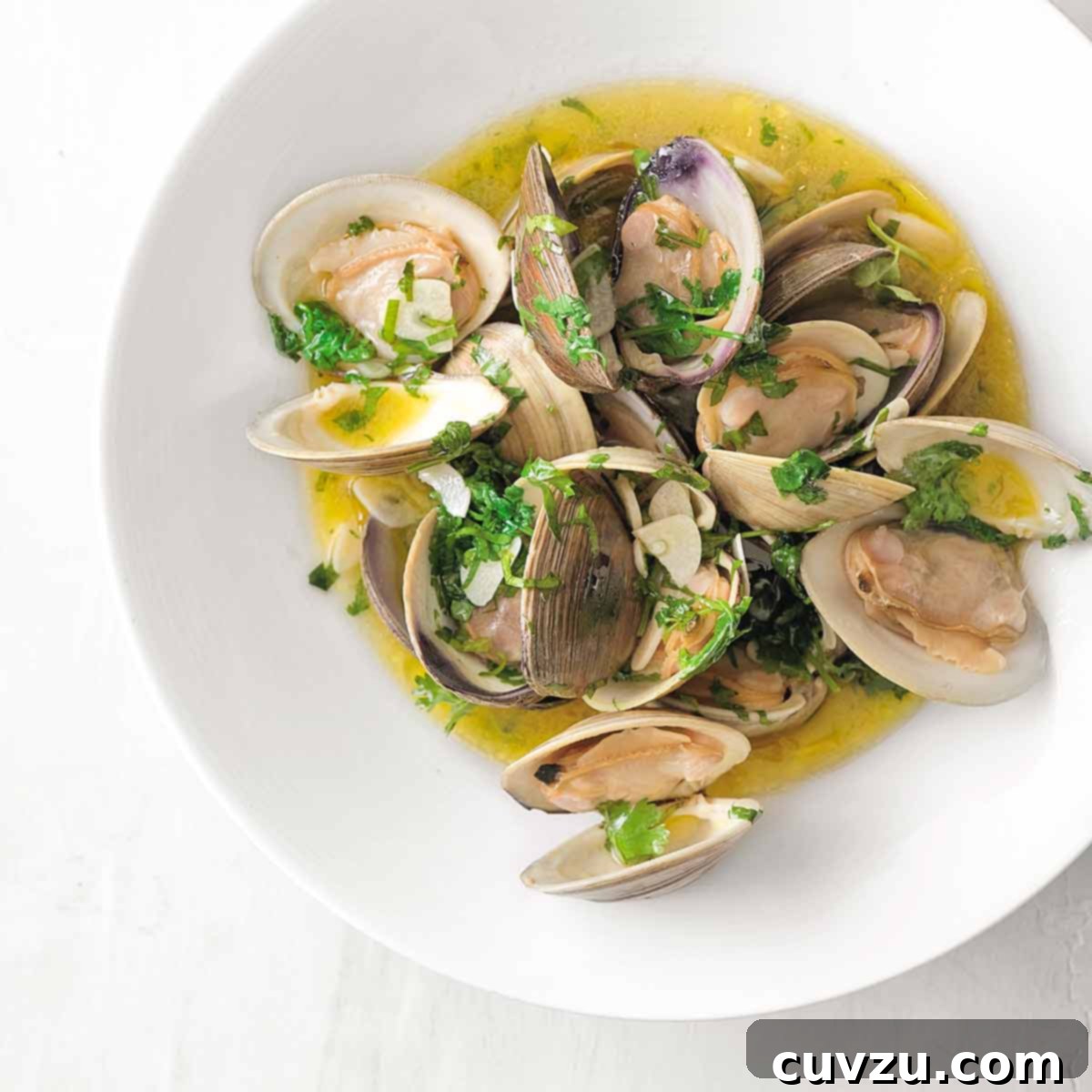
Photo by Romulo Yanes
Portuguese Clams with Vinho Verde ~ Amêijoas à Bulhão Pato
Amêijoas à Bulhão Pato is a classic Portuguese clam dish with a rich history, cherished for its simplicity and exquisite flavor. This beloved appetizer, often enjoyed as a petisco (snack), features fresh clams steamed in a vibrant sauce of white wine, abundant garlic, and a generous amount of fresh cilantro. The name “Bulhão Pato” refers to a 19th-century Portuguese poet who loved this preparation. The dish perfectly embodies the gutsy soulfulness of Portuguese home cooking, where fresh, high-quality ingredients shine. The briny sweetness of the clams, combined with the aromatic garlic, herbaceous cilantro, and crisp acidity of Vinho Verde, creates a symphony of flavors that is both comforting and incredibly invigorating. It’s a testament to the power of simple ingredients creating something truly spectacular.

Photo by David Leite
Bifanas ~ Portuguese Pork Sandwiches
Bifanas are quintessential Portuguese street food, simple yet profoundly satisfying pork sandwiches that are a staple across the country. These iconic sandwiches are made with thin slices of marinated pork, tenderized and simmered in a flavorful sauce typically composed of white wine, garlic, and paprika. The succulent pork, infused with these aromatic ingredients, is then piled onto a soft, crusty Portuguese roll (papo seco) and often served with a generous dollop of mustard and a dash of piri-piri hot sauce for an extra kick. The beauty of a bifana lies in its unpretentious deliciousness: the juicy, tender pork, the perfectly absorbent bread, and the spicy tang of the condiments create a harmonious bite that makes it a favorite quick meal or snack any time of day.
“This bifanas recipe is so easy and delicious! There’s nothing more satisfying than a good bifana. I can’t wait to try David’s papo secos recipe!”
linda v.
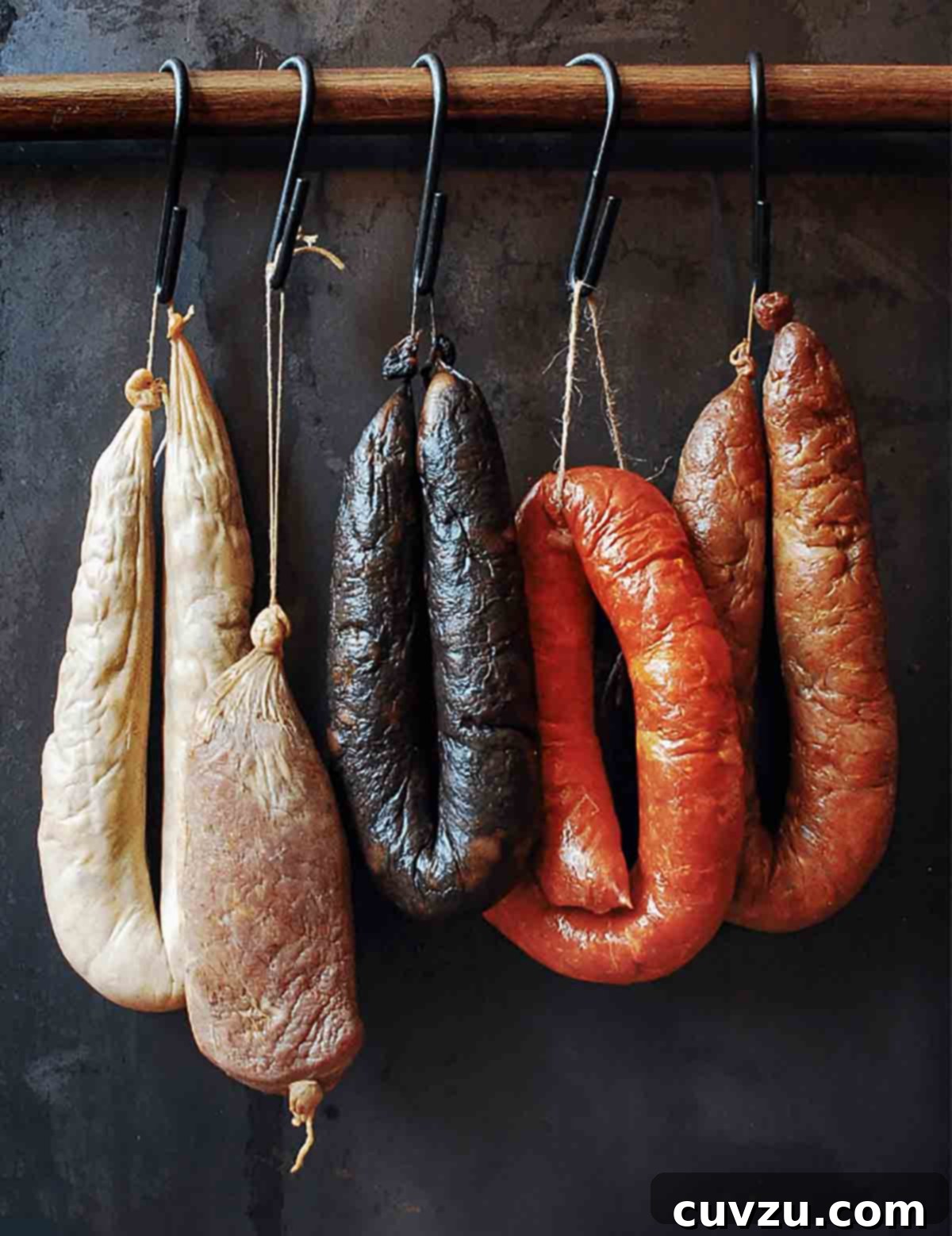
Photo by Hiltred Schulz
Homemade Portuguese Chouriço
While making homemade Portuguese chouriço might sound like a daunting task, the reward of a perfectly crafted, smoky cured sausage is truly unparalleled. Chouriço is a cornerstone of Portuguese charcuterie, characterized by its deep red color, distinct smoky aroma, and rich, garlicky flavor, often spiced with paprika. It’s incredibly versatile, starring in countless Portuguese dishes from hearty soups and stews like Caldo Verde to grilled appetizers and robust main courses. Crafting it at home allows for a personalized balance of flavors, yielding a sausage that not only rivals but often surpasses what’s available in markets. The process, while requiring patience and a bit of time, offers immense satisfaction and a delicious, authentic taste of Portugal that’s worth every effort.
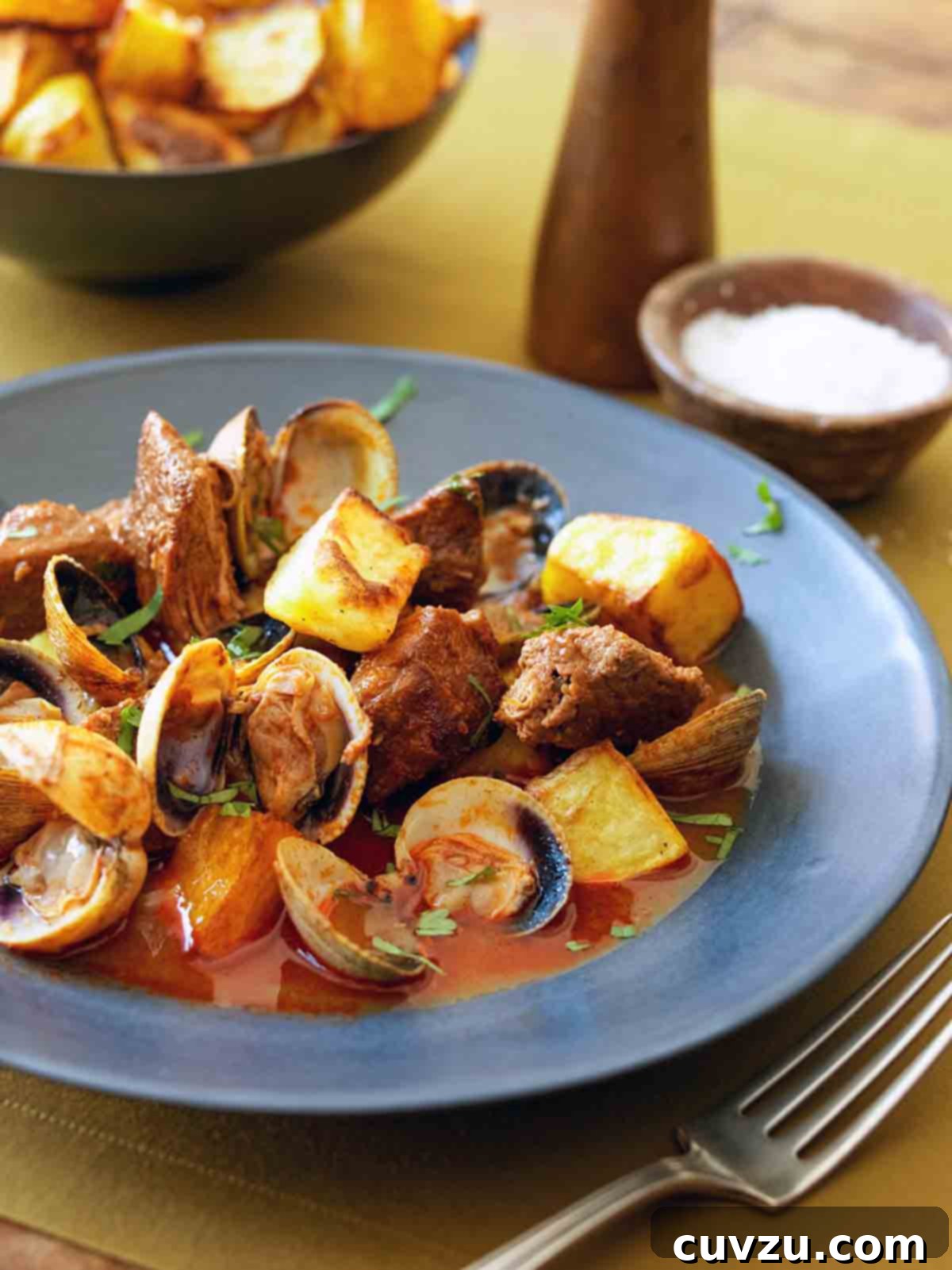
Photo by Nuno Correia
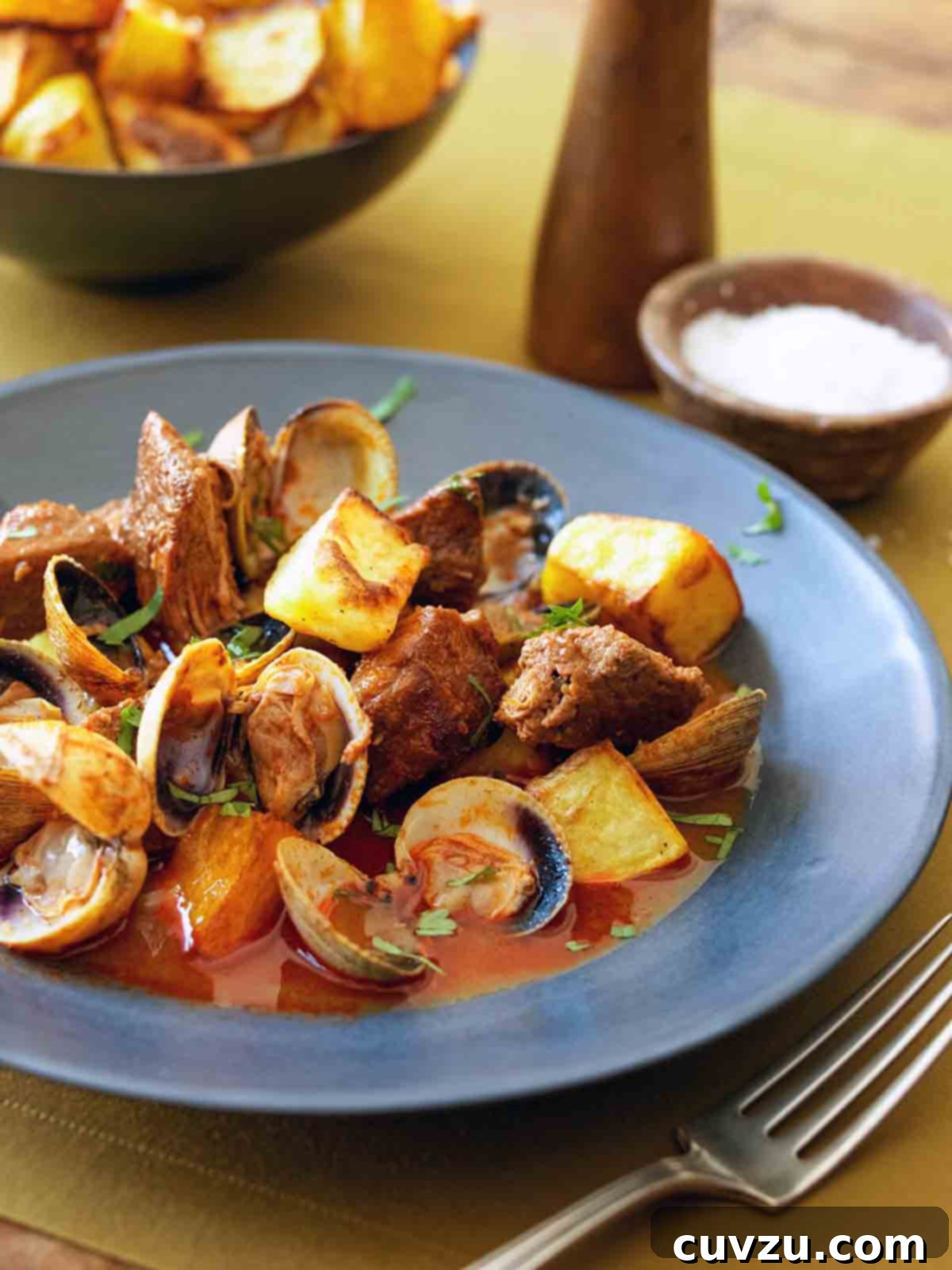
Portuguese Pork and Clams | Porco à Alentejana
Porco à Alentejana, a magnificent dish of Portuguese pork and clams, is a true testament to the inventive spirit of Portuguese cuisine, harmoniously blending flavors from land and sea. Originating from the Alentejo region, this hearty and comforting meal features succulent marinated pork shoulder cubes browned to perfection, then simmered with briny clams in a rich sauce typically infused with white wine, garlic, red pepper paste, and cilantro. Often served with crispy fried potato cubes, the dish presents a delightful contrast in textures and an explosion of savory, slightly spicy, and umami flavors. It’s a profoundly satisfying main course that offers a unique and unforgettable taste experience, showcasing the depth and warmth characteristic of Portuguese cooking.
“This Portuguese pork and clams dish was one of my grandmother’s specialties. She never shared her recipe, but her pork was always so tender. For years I have tried to recreate it, and this is by far the closest I have ever come. Thank you! What a treat!”
bethany
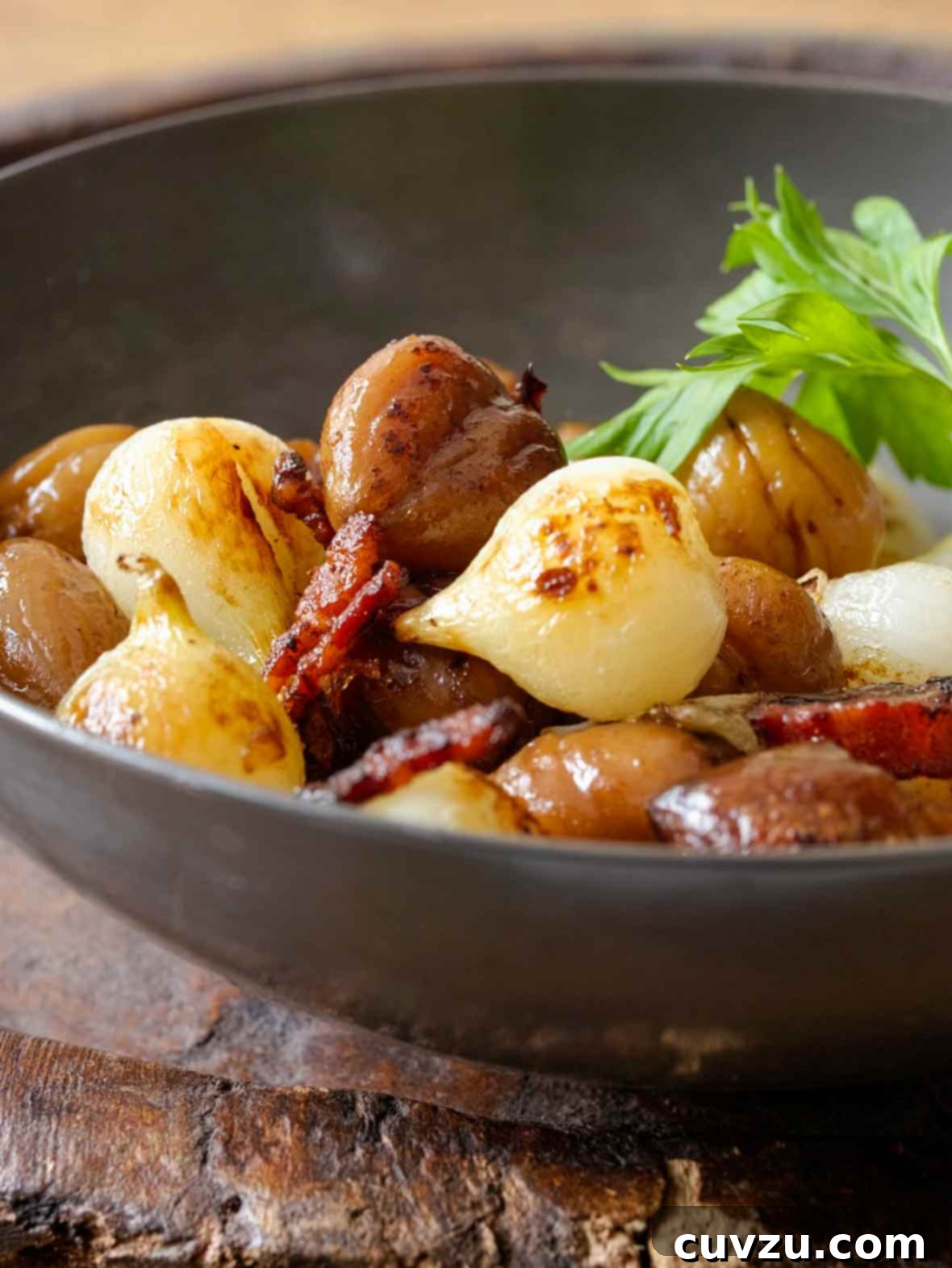
Photo by Nuno Correia
Portuguese Onions, Chestnuts, and Bacon
This delightful side dish of Portuguese onions, chestnuts, and bacon exemplifies how simple ingredients can yield profoundly complex and satisfying flavors. The dish masterfully combines the natural sweetness of caramelized onions with the earthy, slightly nutty notes of chestnuts, all enhanced by the smoky, savory crispness of bacon. Through easy techniques, these ingredients are transformed into a harmonious blend that is both comforting and elegant. It’s a rustic yet refined accompaniment that adds depth and character to any meal, particularly during the cooler months when chestnuts are in season. This unpretentious side dish tastes far fancier than its preparation suggests, making it a wonderful addition to a traditional Portuguese feast or a cozy dinner at home.
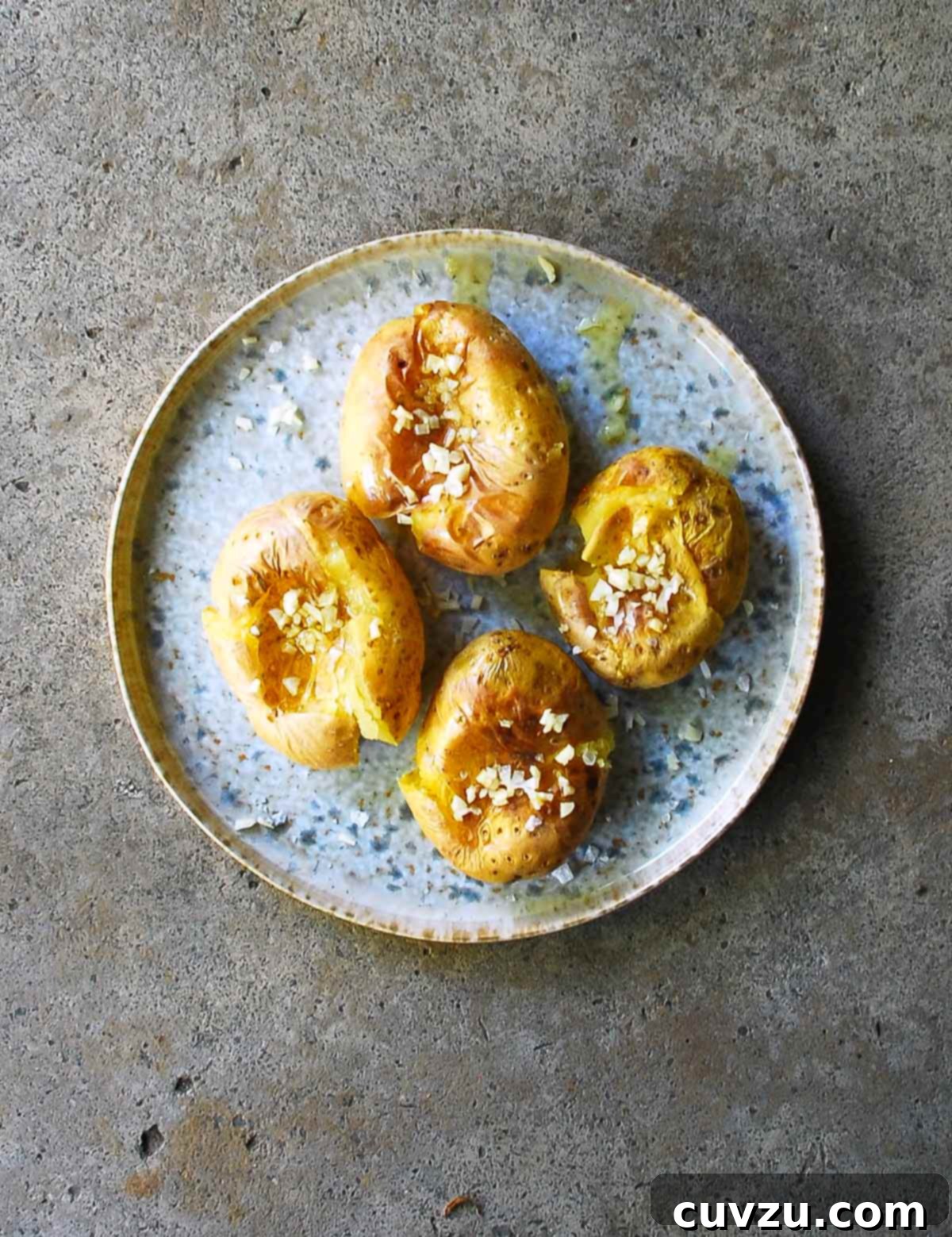
Photo by Hiltrud Shulz
Portuguese Smashed Potatoes ~ Batatas à Murro
Batatas à Murro, literally “punched potatoes,” is a beloved and deceptively simple Portuguese potato dish that achieves maximum flavor with minimal effort. This rustic side involves boiling small potatoes until tender, then “punching” or gently smashing them to create rough, textured surfaces. They are then generously drizzled with high-quality olive oil, infused with minced garlic, and seasoned with sea salt, before being roasted until golden and crispy. The result is a delightfully earthy, garlicky potato dish with a pleasing contrast of soft interior and slightly crisp exterior. It’s a versatile accompaniment to grilled fish, roasted meats, or any traditional Portuguese main course, offering a comforting and authentic taste that highlights the purity of simple, fresh ingredients.

Photo by David Leite
Papo Secos | Portuguese Rolls
Papo Secos are iconic Portuguese rolls, distinguished by their light, airy interior and a subtly crisp crust, making them an indispensable staple in Portuguese households. These versatile rolls are perfect for almost any occasion, whether accompanying a hearty meal, serving as the foundation for a classic Bifana sandwich, or simply enjoyed with a smear of butter alongside a cup of coffee. Their unique shape, often featuring a characteristic “fold” or crease, adds to their charm. The slight chewiness and delicate texture make them an ideal vehicle for absorbing flavorful sauces or showcasing the simplest of fillings. Baking Papo Secos at home brings the authentic taste of a Portuguese bakery into your kitchen, offering a comforting and essential element of Portuguese culinary tradition.

Photo by David Leite
Pasteis de Nata ~ Portuguese Custard Tarts
Pastéis de Nata are undoubtedly Portugal’s most famous and beloved pastry, a true culinary icon. These exquisite Portuguese custard tarts feature a rich, creamy egg custard, often beautifully caramelized on top, nestled within a shatteringly crisp and flaky puff pastry shell. Originating from Jerónimos Monastery in Lisbon, their irresistible combination of textures and flavors has captivated palates worldwide. Each bite offers a delightful contrast: the delicate crunch of the pastry yielding to the silky, sweet, and subtly spiced custard. Best enjoyed warm, perhaps dusted with cinnamon or powdered sugar, Pastéis de Nata evoke a sense of home and tradition, making them a quintessential treat for breakfast, an afternoon snack, or a decadent dessert that transports you directly to the vibrant streets of Portugal.
“I have made the pasteis de nata recipe AT LEAST 10 times. All my family and friends LOVE them. I like to add extra cinnamon sugar, and I usually have extra dough left over. Love this recipe so much. THANK YOU!”
TUI
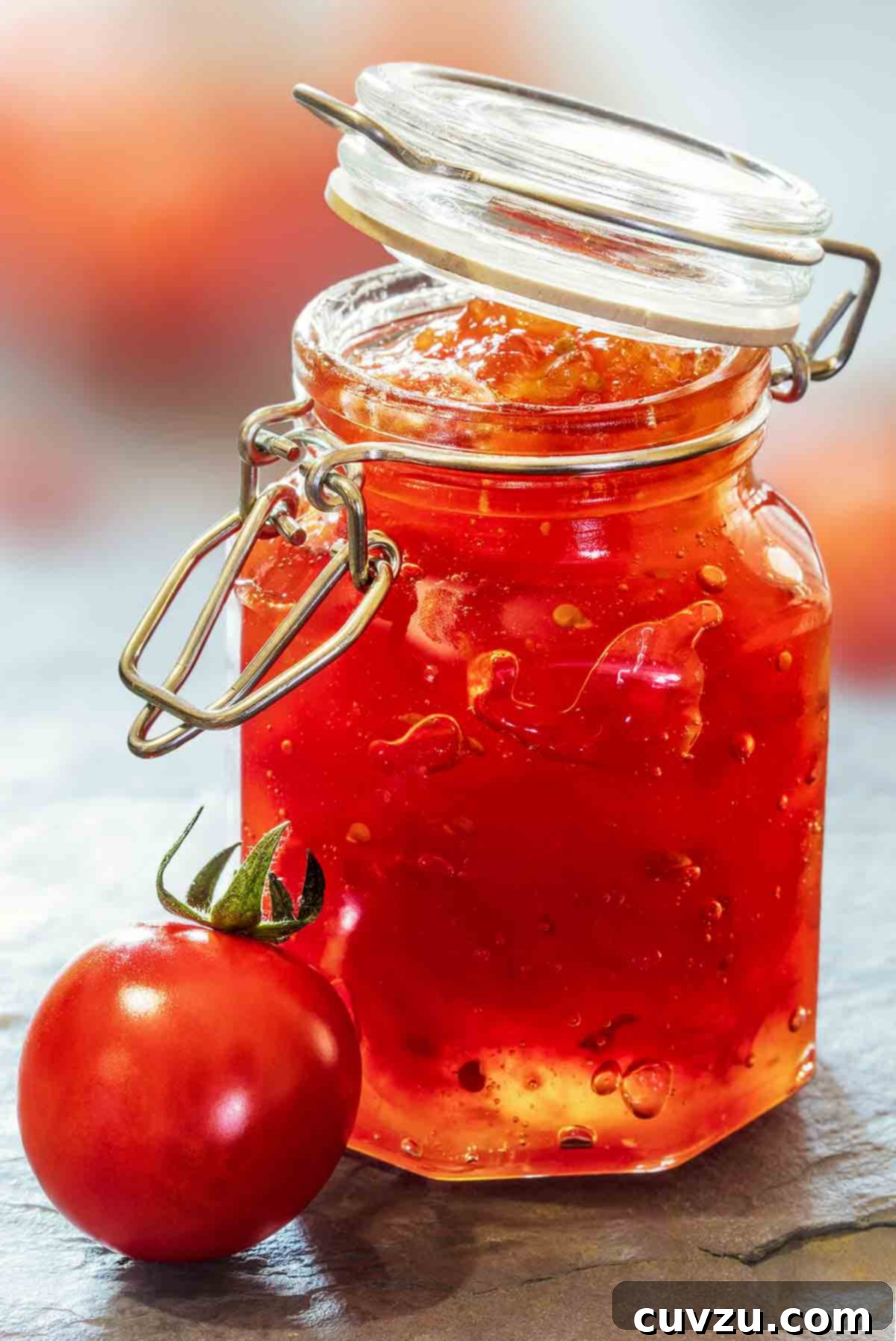
Photo by Rebecca Caro
Portuguese Tomato Jelly
Portuguese Tomato Jelly is a delightful and intriguing condiment that beautifully blurs the lines between sweet and savory, showcasing the versatility of fresh tomatoes. Made with ripe, juicy tomatoes, sugar, water, and a touch of patience, this unique jelly offers a vibrant, tangy-sweet flavor profile that is distinctively Portuguese. It’s a favorite accompaniment to a variety of dishes, shining particularly when paired with an assortment of cheeses and crackers, where its bright acidity and subtle sweetness cut through the richness of dairy. Beyond the cheese board, it can also elevate roasted meats, provide a fascinating counterpoint to savory pastries, or simply be enjoyed on toast. Crafting this jelly at home allows you to capture the peak freshness of tomatoes, resulting in a gourmet spread that’s both traditional and surprisingly versatile.
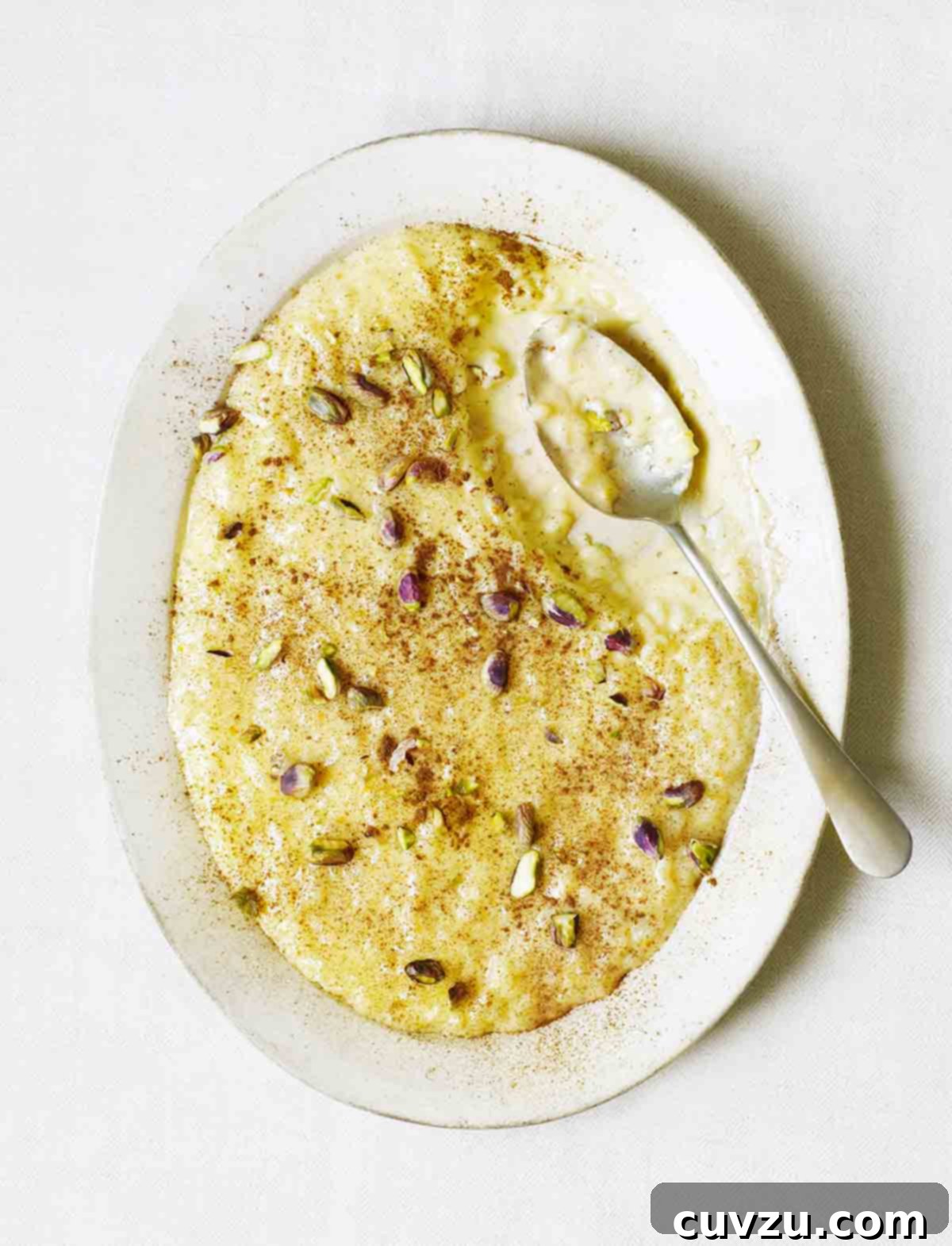
Photo by Andrew Montgomery
Portuguese Rice Pudding ~ Arroz Doce
Arroz Doce, or Portuguese Rice Pudding, is a wonderfully creamy and comforting dessert that holds a special place in Portuguese hearts and homes. This indulgent treat is created by slow-cooking rice with whole milk until tender, then enriching it with egg yolks to achieve a luxurious, custard-like consistency. The pudding is infused with aromatic flavors, typically featuring strips of lemon or orange zest and cinnamon sticks, which impart a delicate citrusy and warming spice note. Often served chilled, Arroz Doce is traditionally adorned with intricate cinnamon patterns on its surface, a hallmark of Portuguese culinary artistry. Its smooth texture and perfectly balanced sweetness make it a beloved dessert for family gatherings, holidays, or simply as a comforting end to any meal.

Photo by Nuno Correia
Portuguese Orange Olive Oil Cake
The Portuguese Orange Olive Oil Cake is a sublime dessert that celebrates the vibrant flavors of citrus and the rich essence of olive oil. This cake boasts an exceptionally tender and moist crumb, a characteristic achieved through the use of fruity olive oil, which also imparts a subtle peppery note that beautifully complements the sweetness of the oranges. Bursting with bright, zesty flavor from fresh winter navel oranges and their fragrant zest, it offers an unforgettable citrus “smack” with every bite. Simple yet sophisticated, this cake is elegant enough for a special occasion but comforting enough for an everyday treat. It exemplifies the Portuguese tradition of using fresh, high-quality ingredients to create desserts that are both deeply flavorful and wonderfully refreshing.
“Orange cake is my husband’s all-time favorite cake…and I’ve made plenty of orange cakes. This is by far the most AMAZING orange cake I have ever tasted! Delicious and moist crumb with such an aromatic flavor. I am forever grateful to you for sharing the recipe and will never need to try another orange cake recipe again.”
MARIBEL
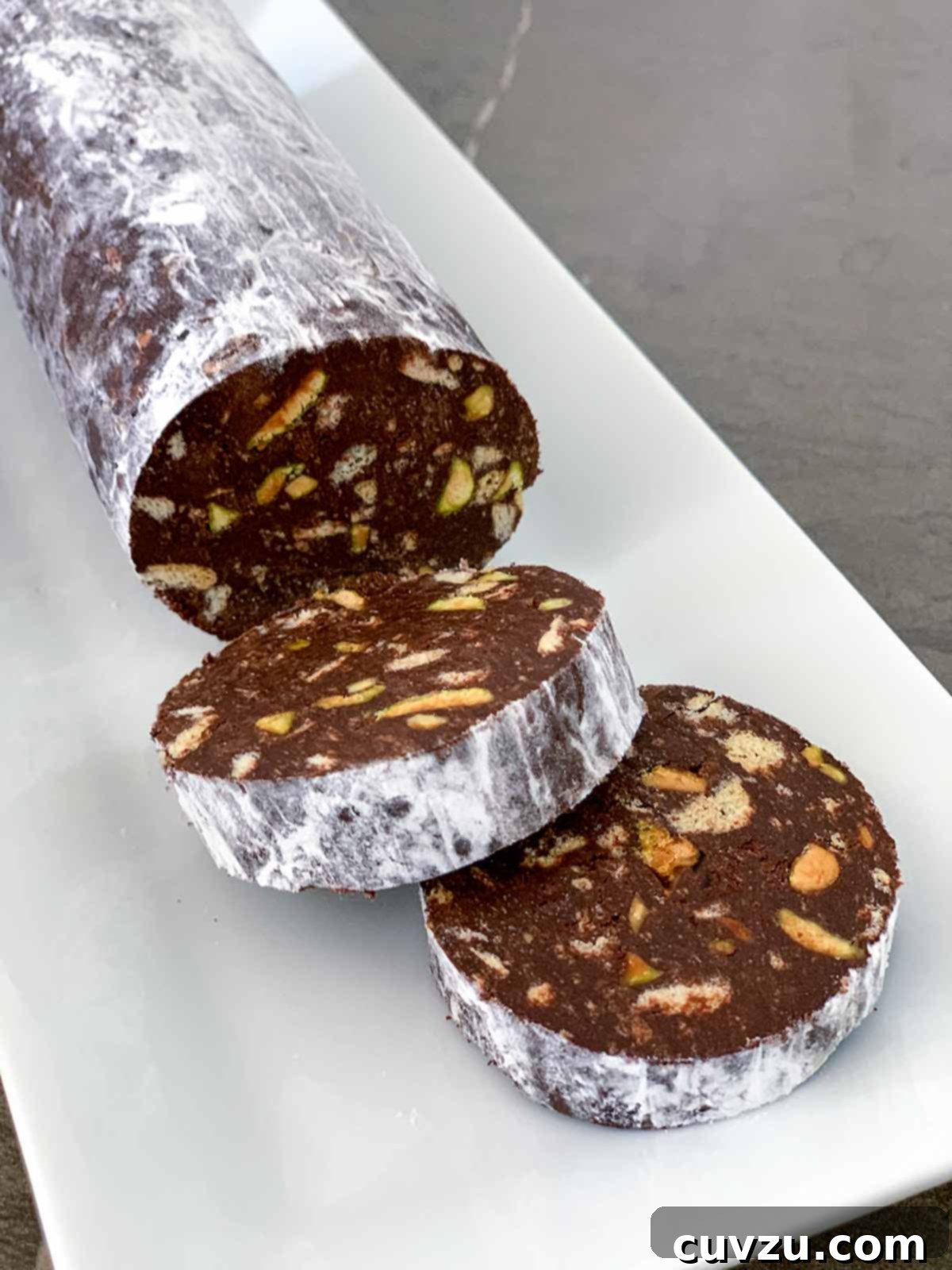
Photo by David Leite
Portuguese Chocolate Salami ~ Salame de Chocolate
Salame de Chocolate, or Portuguese Chocolate Salami, is a whimsical and utterly delicious no-bake dessert that delights with both its playful appearance and rich flavors. This traditional treat is ingeniously crafted to resemble a cured salami, with “fat” flecks actually being crunchy tea cookies or biscuits broken into pieces. The base is a luscious mixture of butter, confectioners’ sugar, cocoa powder, and often a hint of Port wine, which adds a sophisticated depth. Easy to prepare and requiring no oven, it’s an ideal make-ahead dessert for entertaining. Customization is easy, allowing for the addition of favorite nuts or dried fruits. The chilled “salami” slices offer a dense, fudgy, and satisfyingly crunchy experience, making it a beloved classic that’s perfect for any chocolate lover.
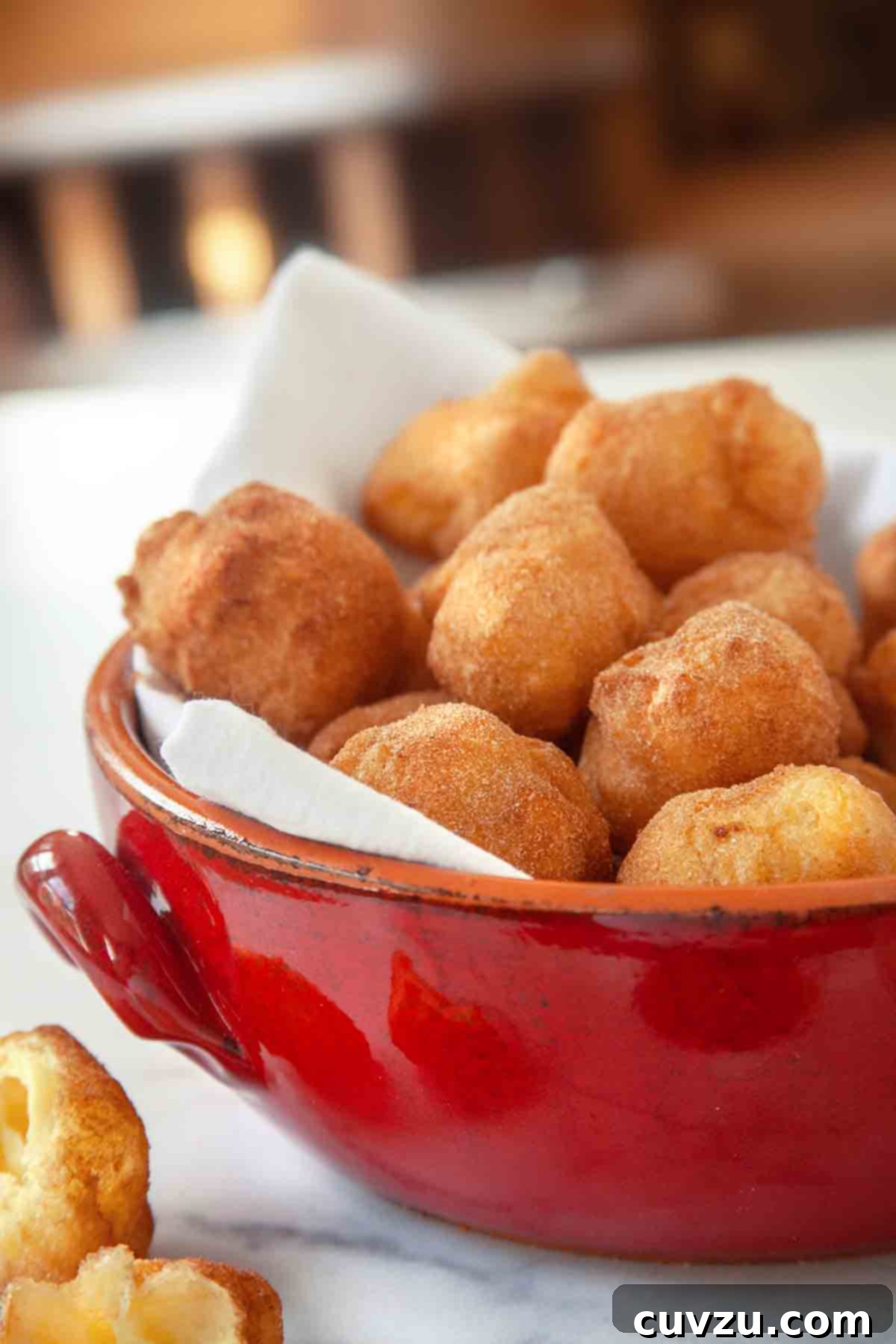
Photo by David Leite
Sonhos | Portuguese Doughnuts
Sonhos, meaning “dreams” in Portuguese, are ethereal fried dough delights that live up to their name, offering a light and airy indulgence. These traditional Portuguese doughnuts are reminiscent of French choux pastry or cream puffs but are remarkably simple to make, requiring no yeast or lengthy proofing. The dough is dropped into hot oil, where it puffs up into golden, irregularly shaped orbs—crisp on the outside and wonderfully hollow or airy within. Once fried, they are typically given a quick roll in cinnamon sugar, providing a perfect balance of sweetness and warming spice. Sonhos are a cherished classic, particularly popular during festive seasons, offering a simple yet profoundly satisfying dessert or snack that captures the joyful spirit of Portuguese traditions.
From the savory depths of Caldo Verde to the sweet perfection of Pastéis de Nata, these 15 authentic Portuguese recipes offer a rich tapestry of flavors and culinary heritage. Each dish tells a story, steeped in tradition and designed to bring comfort and joy to the table. We hope this collection inspires you to explore the vibrant world of Portuguese cuisine and create unforgettable meals in your own home. Discover your new favorite, and keep the spirit of Portuguese cooking alive!