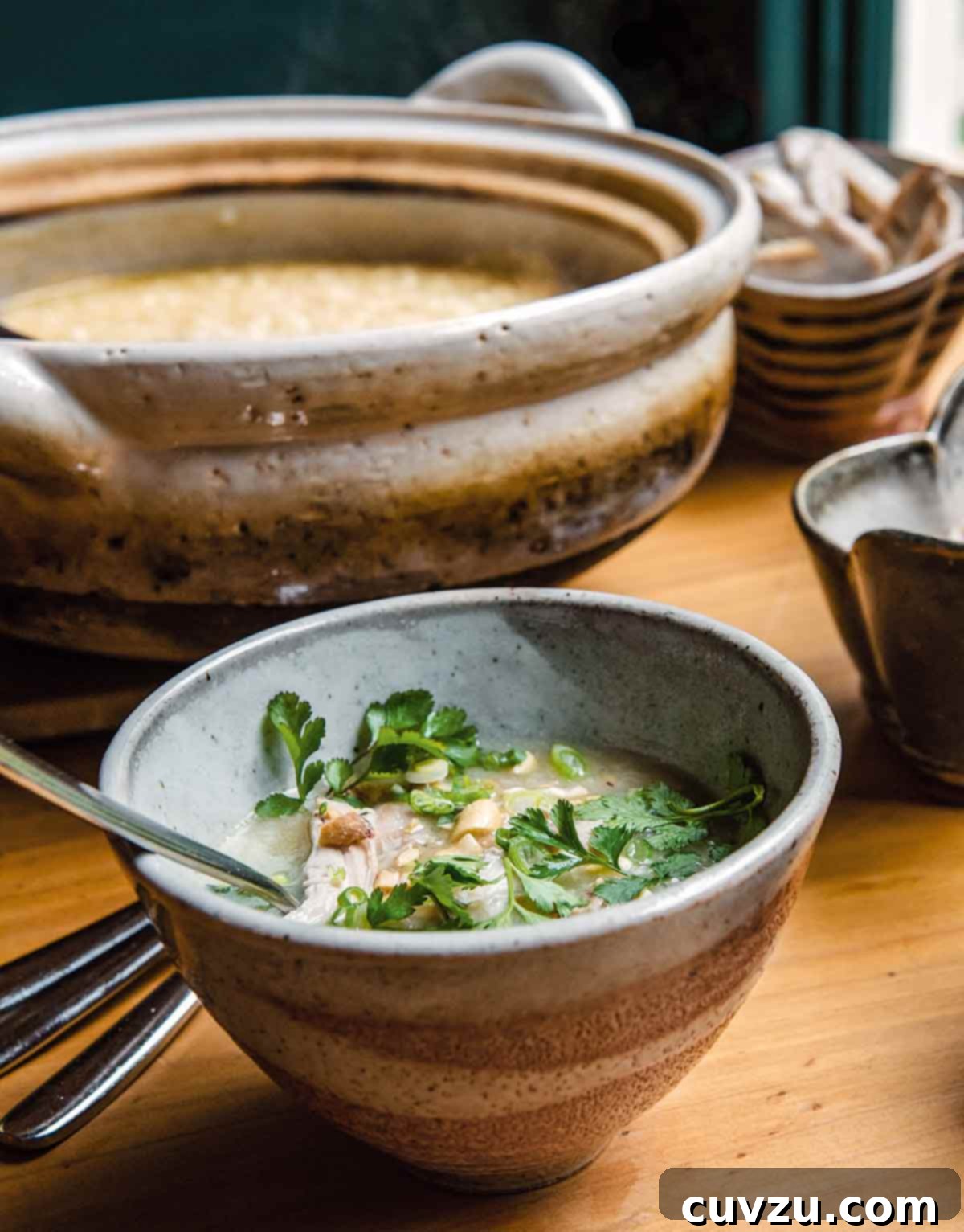
Authentic & Easy Vietnamese Chicken Rice Soup (Cháo Gà)
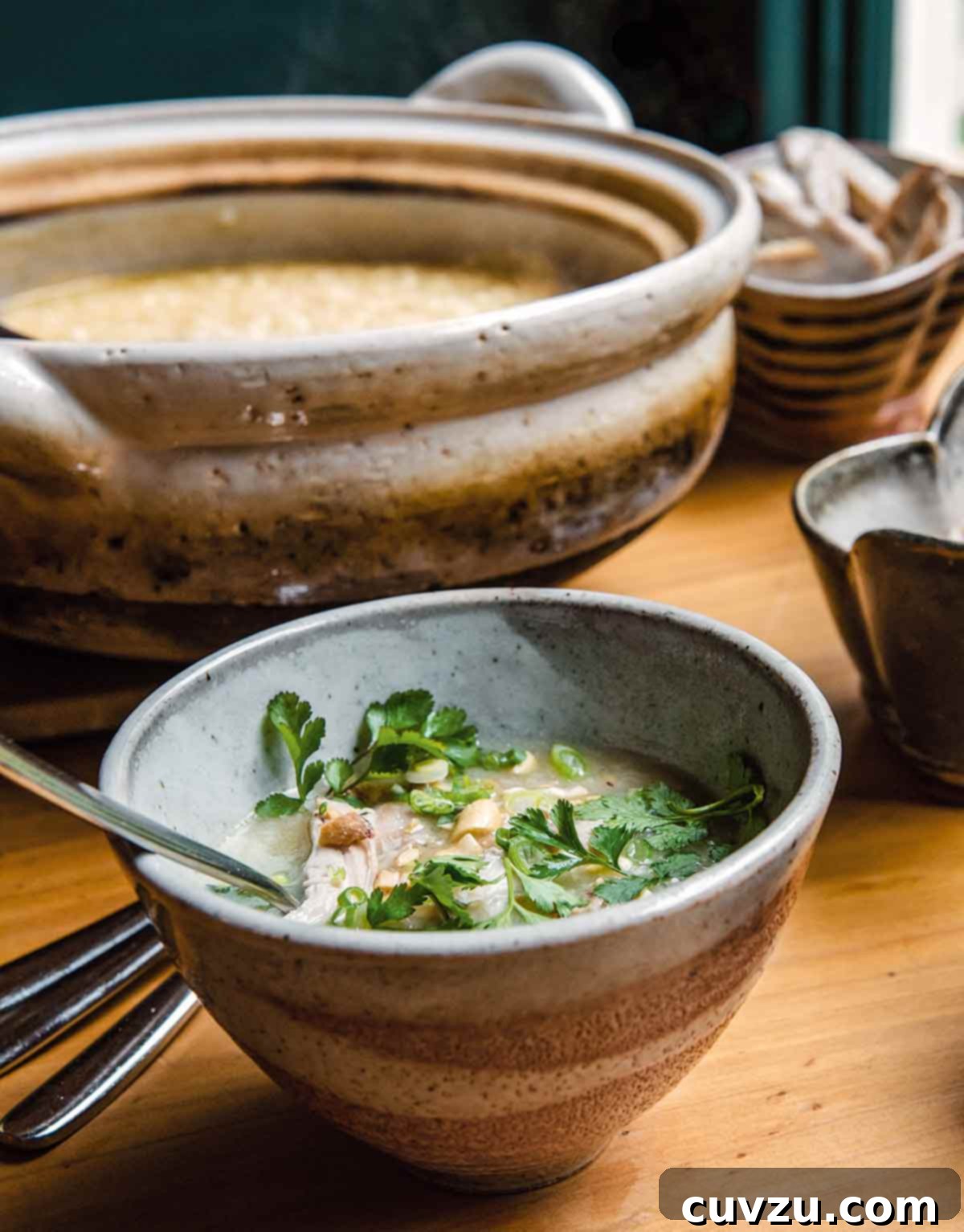
There are few dishes as universally comforting and deeply satisfying as a steaming bowl of homemade chicken soup. Across cultures, it’s a remedy for the body, a balm for the soul, and a warm embrace in culinary form. In Vietnam, this revered status is held by Cháo Gà, a simple yet profoundly flavorful chicken rice porridge. Often likened to congee, a beloved Southeast Asian elixir, Cháo Gà typically involves hours of slow simmering to achieve its signature creamy texture and rich broth. However, in our kitchen, we’ve perfected a streamlined, “cheater’s” version that brings all the soothing qualities and authentic taste to your table in less than an hour, proving that incredible flavor doesn’t always demand endless patience.
This quick Vietnamese chicken rice soup is a culinary revelation for busy weeknights, a gentle antidote to seasonal ailments, or simply a deeply satisfying meal when you crave something truly nourishing. It marries the tender goodness of chicken with aromatic ginger, hearty rice, and the distinctive umami of fish sauce, creating a symphony of flavors that is both vibrant and mellow. While traditional Cháo Gà might be an all-day affair, our recipe respects your time without compromising on the depth and complexity you expect from this classic Vietnamese comfort food. Prepare to be soothed, revitalized, and utterly delighted by every spoonful.
Vietnamese Chicken Rice Soup
This quick and easy Vietnamese chicken rice soup is a sensationally soothing Southeast Asian elixir, offering all the comfort of traditional congee in a fraction of the time.
Recipe by David Leite
Average rating: 4.89 / 5 from 9 votes
Ingredients
For the soup
- 1 1/2 pounds bone-in, skin-on chicken legs
- 1/2 teaspoon sea salt
- 2 quarts water
- 3 tablespoons fish sauce, preferably Red Boat brand
- 1 tablespoon mild vegetable oil
- 2 garlic cloves, thinly sliced
- 3/4 cup uncooked rice, preferably long-grain jasmine, rinsed and drained
- 1 1/2 tablespoons minced fresh ginger
For the garnish
- 3 scallions, sliced
- 6 fresh cilantro stems, thinly sliced
- 3 tablespoons dry-roasted peanuts, crushed
- Freshly ground black pepper, to taste
Instructions
- Season the chicken legs generously with sea salt.
- In a large stockpot, bring the water and fish sauce to a rolling boil. Carefully add the seasoned chicken legs, then reduce the heat to maintain a very delicate simmer.
- While the chicken simmers, heat the mild vegetable oil in a separate sauté pan over medium heat. Add the thinly sliced garlic, rinsed and drained rice, and minced fresh ginger to the pan. Cook, stirring constantly, for 3 to 4 minutes, until the rice grains become opaque. This step infuses the rice with aromatic flavors and creates a foundational layer of taste for the soup.
- Transfer the aromatic rice mixture from the sauté pan into the stockpot with the simmering chicken. Continue cooking until the chicken is thoroughly cooked through, which typically takes about 25 minutes. Once cooked, carefully remove the chicken legs from the broth and set them aside on a plate to cool. Allow the chicken to cool just enough to handle comfortably, then pick and shred the meat from the bones. Return the shredded chicken meat to the stockpot.
- Continue simmering the rice in the broth until it achieves a slightly overcooked, thickened consistency, characteristic of a comforting porridge. This process allows the rice to release its starches, contributing to the soup’s velvety texture.
- Once the soup has reached its desired consistency and the shredded chicken is integrated, ladle the warm, fragrant soup into individual serving bowls. For an added therapeutic benefit, especially if you’re feeling under the weather, lean over the bowl to enjoy the gentle steam as a natural sinus cleanse. Garnish each serving generously with the shredded chicken, fresh sliced scallions, vibrant cilantro, crunchy crushed dry-roasted peanuts, and a dash of freshly ground black pepper. Serve immediately and savor the comforting warmth.

Adapted From
Chefs & Company
Buy On Amazon
The Heart of Vietnamese Comfort Food: Cháo Gà Explained
Vietnamese Chicken Rice Soup, or Cháo Gà, is more than just a meal; it’s a culinary hug, a historical staple, and a testament to the power of simple ingredients. At its core, Cháo Gà is a type of congee, a rice porridge that is a cornerstone of Asian breakfast, comfort, and healing cuisine. While many varieties of congee exist across China, Korea, Japan, and other Southeast Asian nations, the Vietnamese version stands out with its bright, herbaceous notes and the savory depth provided by fish sauce. It’s often served when someone is sick, believed to aid recovery with its easily digestible components and hydrating broth. But its appeal extends far beyond the sickbed; it’s a beloved everyday dish, perfect for chilly mornings or any time you need a bowl of warmth.
Our recipe captures the essence of this traditional dish but with a modern twist, drastically cutting down the cooking time. Traditional congee can take hours of slow simmering, allowing the rice grains to completely break down and create a thick, almost creamy texture. While that slow process yields a particular depth, our expedited method still delivers a remarkably rich and flavorful broth. By using bone-in, skin-on chicken legs, we extract maximum flavor and richness quickly, ensuring that even a speedy rendition feels deeply satisfying and authentic. The quick cooking of the rice, infused with garlic and ginger, means you get that signature comforting texture without the lengthy wait.
Mastering the Flavors: Key Ingredients & Their Role
The magic of Cháo Gà lies in its judicious use of a few powerful ingredients, each playing a crucial role in creating its balanced and comforting profile:
- Chicken Legs: Opting for bone-in, skin-on chicken legs is a smart choice. The bones contribute collagen and minerals to the broth, enhancing its body and nutritional value, while the skin adds a crucial layer of fat that enriches the flavor. Shredding the meat after cooking ensures tender, juicy pieces are distributed throughout the soup.
- Jasmine Rice: This aromatic long-grain rice is ideal for Cháo Gà. Its delicate fragrance and ability to soften beautifully into a porridge-like consistency are key to the soup’s comforting texture. Rinsing the rice beforehand removes excess starch, preventing it from becoming overly sticky and allowing it to absorb the broth’s flavors more effectively.
- Fresh Ginger: The backbone of this soup’s aromatic profile, fresh ginger provides a spicy warmth and a distinctive, refreshing zest. Beyond its flavor, ginger is well-known for its soothing properties, making it a perfect addition to a healing comfort food. Mincing it ensures its essence permeates every spoonful.
- Garlic: A staple in Vietnamese cuisine, garlic adds a pungent, savory depth. Sautéing it with the rice and ginger creates a fragrant base that elevates the entire dish.
- Fish Sauce (Nước Mắm): This indispensable Vietnamese condiment provides the essential salty, umami-rich foundation for the broth. Using a high-quality brand like Red Boat makes a noticeable difference in the final taste, adding complexity without being overtly “fishy.” It’s the secret weapon that truly defines the soup’s Vietnamese character.
- Fresh Garnishes: Scallions, cilantro, and crushed peanuts are not mere decorations. Scallions offer a mild oniony bite, cilantro brings bright, herbaceous freshness, and peanuts add a delightful crunch and nutty depth, completing the textural and flavor experience. Freshly ground black pepper adds a final touch of warmth.
Expert Tips for a Flavorful Cháo Gà
Achieving the perfect bowl of Vietnamese Chicken Rice Soup is straightforward, but a few expert tips can elevate your experience:
- Choosing Your Chicken: While the recipe calls for chicken legs, you can also use bone-in chicken thighs or even a combination. The key is to use bone-in pieces for the richest broth. If you prefer white meat, you can add boneless, skinless chicken breast during the last 10-15 minutes of simmering to prevent it from drying out, or cook it separately and shred.
- The Rice’s Texture: The beauty of Cháo Gà is its porridge-like consistency. Don’t be afraid to let the rice cook until it’s almost mushy. This creates the signature soothing texture. If it becomes too thick, simply add a bit more hot water or chicken broth until you reach your desired consistency.
- Seasoning to Taste: Fish sauce is potent, so start with the recommended amount and adjust to your preference. Remember, you can always add more salt or fish sauce at the end, but you can’t take it away. A squeeze of fresh lime juice can also brighten the flavors and cut through any lingering “funk” from the fish sauce, as one of our testers discovered.
- Ginger Power: If you’re a ginger lover, or if you’re making this soup for its healing properties, consider increasing the amount of minced ginger. Another excellent tip from our testers is to grate the ginger instead of mincing it; this technique releases more of its potent flavor and aroma into the soup, making it more pronounced. Adding a touch more grated ginger when reheating leftovers can also refresh the flavor.
- Garnish Generously: The garnishes are essential for both flavor and texture. Don’t skimp on the fresh scallions, cilantro, or crushed peanuts. They provide contrast and vibrancy that truly complete the dish. One tester noted the peanuts made the dish “special,” adding a crucial textural element.
- Storage and Reheating: Cháo Gà reheats beautifully. Store leftovers in an airtight container in the refrigerator for up to 3 days. When reheating, you might need to add a splash of water or broth as the rice will continue to absorb liquid and thicken.
Customize Your Comfort: Variations and Serving Suggestions
This Vietnamese Chicken Rice Soup is wonderfully adaptable to personal tastes and dietary needs:
- Spice It Up: For those who love a bit of heat, a drizzle of Sriracha or a few slices of fresh chili (like bird’s eye chilies) can add a delightful kick. One of our recipe testers enjoyed adding Sriracha and a touch of hoisin sauce to their bowl for extra complexity.
- Vegetarian/Vegan Adaptations: While this recipe is chicken-based, a comforting rice porridge can be made vegetarian or vegan. Substitute chicken with firm tofu or mushrooms, and use vegetable broth instead of water. For the savory depth, replace fish sauce with a combination of soy sauce (or tamari for gluten-free), mushroom powder, and a dash of rice vinegar. Miso paste can also provide an excellent umami alternative.
- Noodle Option: For a slightly different texture, you could swap some of the rice for vermicelli noodles, adding them towards the end of the cooking process.
- Egg Addition: A soft-boiled or poached egg makes a fantastic addition, adding richness and extra protein to your bowl.
- Serving Suggestions: Cháo Gà is a complete meal on its own, but it pairs wonderfully with a side of simple steamed greens or a light cucumber salad. For a truly authentic experience, serve it with extra lime wedges and chili on the side, allowing each diner to customize their bowl.
Real Feedback: Our Recipe Testers’ Insights
Our team of recipe testers enthusiastically embraced this Vietnamese Chicken Rice Soup, offering valuable insights and affirmations:
Recipe Testers’ Reviews
Ellen Ciarimboli
Ellen found this simple yet flavorful soup to be “exactly what I needed in my life” while recovering from an illness. She appreciated the perfectly salty broth and the stomach-soothing ginger, complemented by the fresh notes of cilantro and scallions. She noted her rice cooked “seriously fast,” suggesting keeping the lid on while waiting for the chicken. Surprisingly, she found the broth adequately seasoned, requiring no extra sodium, though her husband opted to personalize his bowl with Sriracha and hoisin for added complexity, a modification Ellen plans to try when her stomach is less sensitive.
Camilla Maybee
Camilla’s experience with the soup coincided with a bout of the flu, making it “exactly what I needed.” She particularly praised the use of chicken legs for producing a “fast, fortified broth without the tedious cooking and straining” usually associated with stock. She highlighted how easily the meat fell off the bone after cooking, eliminating the need for cutting or arduous shredding – a significant time-saver. While she found the flavors “lovely and complement one another quite well,” she noted a personal preference for more salt in the broth before serving. Her rice also took a bit longer to thicken, cooking for about an hour and a half.
Irene Seales
Irene lauded the soup’s ability to let “just a few ingredients really shine.” She appreciated the rich broth created by simmering chicken legs and fish sauce, with the chicken skin adding body. Her main suggestion was to increase the ginger, perhaps by grating it instead of mincing, to enhance its flavor. She also found that a small squeeze of fresh lime juice effectively balanced the “slight funk of fish sauce” which she is not personally fond of. For future batches, she suggested an alternative liquid base using Tamari/light soy, sake, and miso, similar to vegan dashi. Irene enjoyed the “dog-boned” texture of the rice and noted the sautéing of rice, ginger, and garlic before adding to the broth reminded her of rice pilaf. She advised using a tall stockpot due to potential sizzling when adding the aromatics and emphasized using the best quality chicken available. Finally, she stressed the importance of generous cilantro and credited the crushed peanuts for making the garnish “special,” noting a varied crush from large chunks to finely ground nuts was ideal.
Mention @leitesculinaria or tag #leitesculinaria!
Nutrition Information
Calories: 260 kcal
Carbohydrates: 21 g
Protein: 14 g
Fat: 13 g
Saturated Fat: 3 g
Monounsaturated Fat: 6 g
Trans Fat: 1 g
Cholesterol: 60 mg
Sodium: 1008 mg
Fiber: 1 g
Sugar: 1 g
Nutrition information is automatically calculated, so should only be used as an approximation.