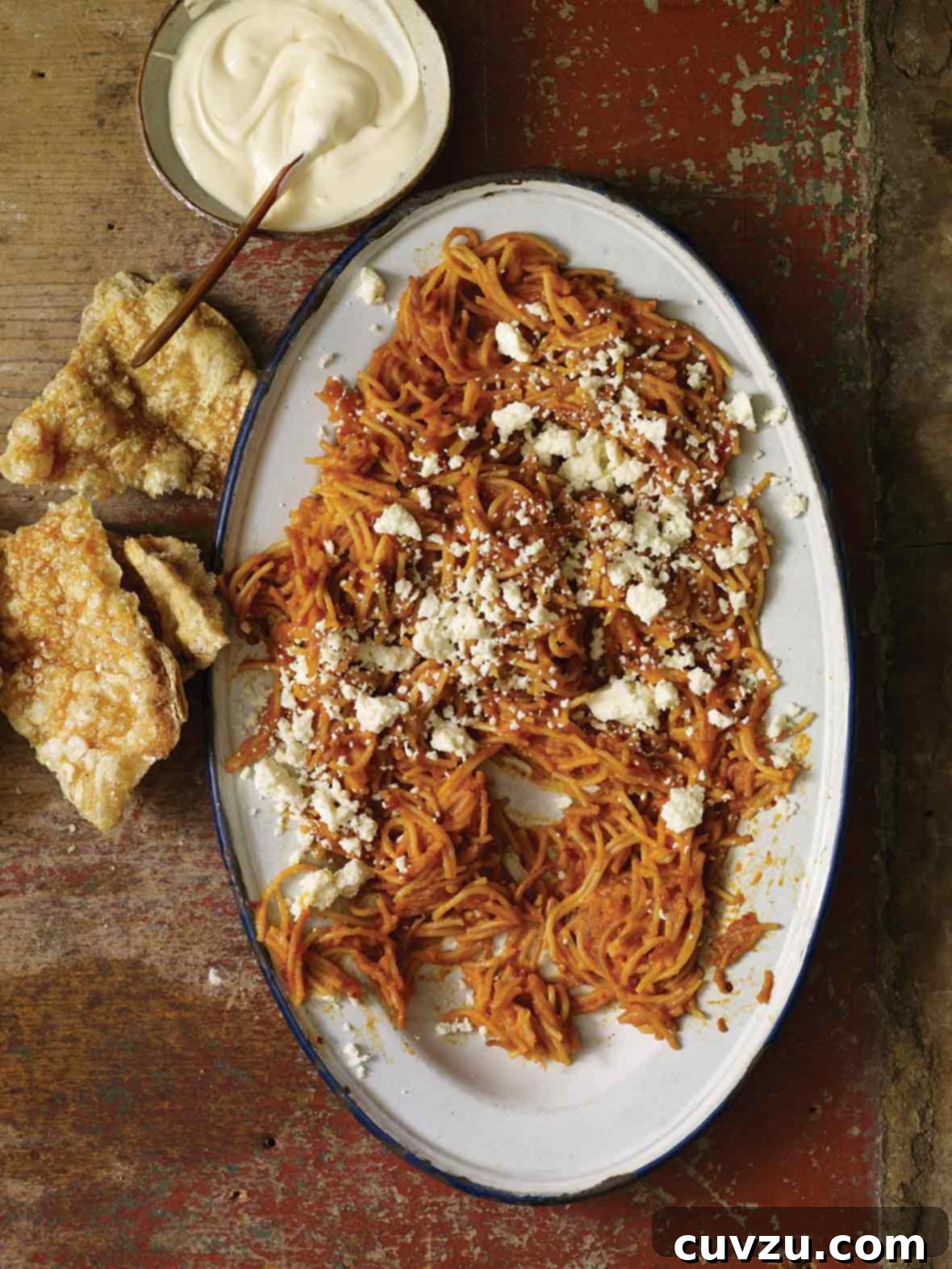
Authentic Mexican Spaghetti: Sopa Seca de Fideo – A Culinary Journey
Prepare to embark on a truly captivating culinary experience with this authentic Mexican spaghetti, affectionately known as Sopa Seca de Fideo. While its literal translation, “dry soup with noodles,” might not immediately conjure images of irresistible deliciousness, this dish is profoundly more alluring than its name suggests. It’s a symphony of textures and vibrant flavors, deeply rooted in Mexican tradition, offering a soul-satisfying meal that stands out from typical pasta dishes.
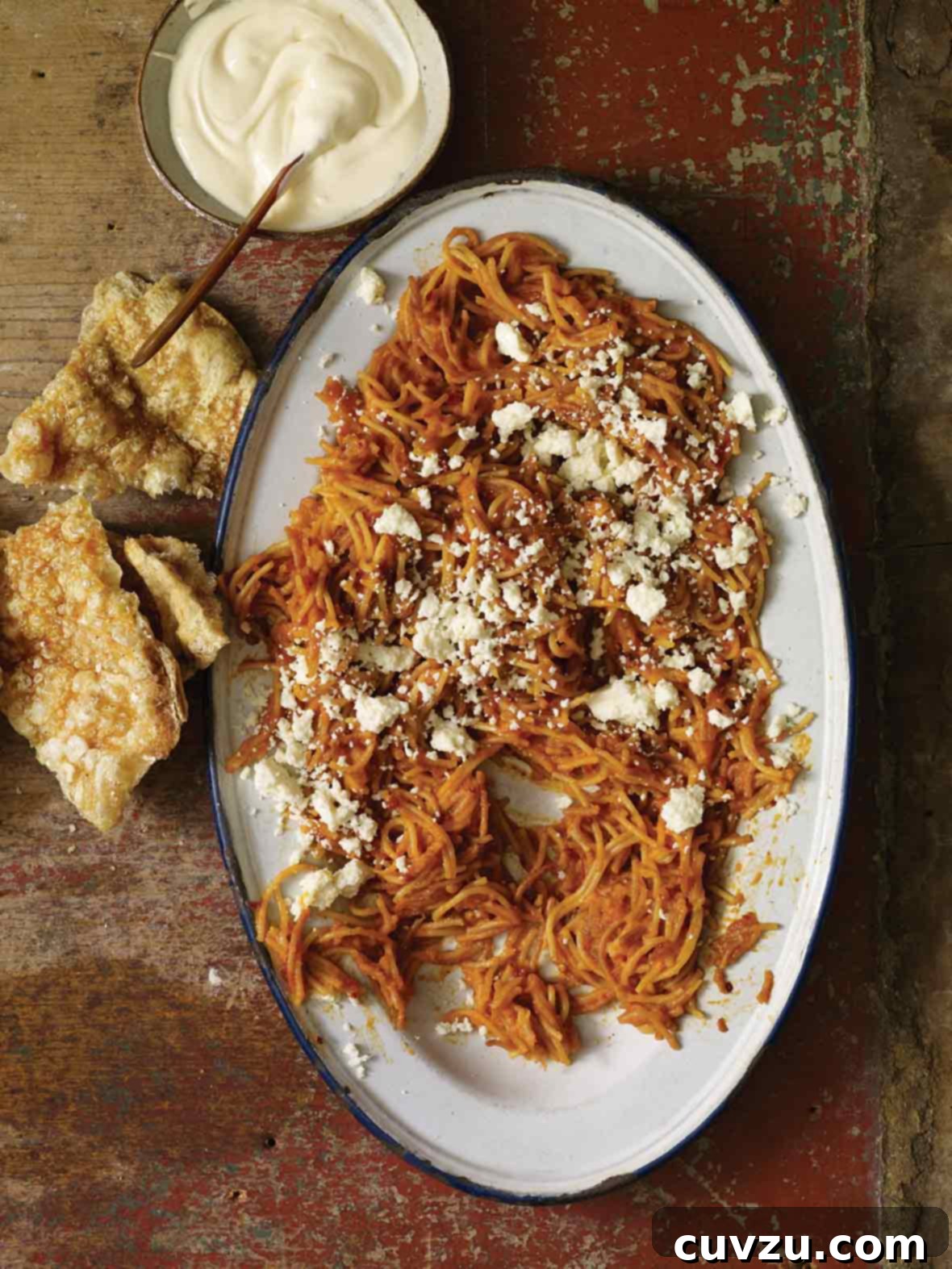
What Exactly is Sopa Seca de Fideo? Unpacking the “Dry Soup” Misnomer
Commonly referred to as “Mexican spaghetti” in many parts of the world, sopa seca de fideo is a cherished traditional Mexican dish that elevates simple noodles to extraordinary heights. The magic begins with thin pasta strands, typically fideo, which are lightly fried in oil until they achieve a beautiful, toasted golden-brown hue. This crucial step imparts a nutty, deep flavor that forms the backbone of the dish, setting it apart from any other pasta preparation.
Following the toasting, these flavorful noodles are then lovingly smothered and simmered in a rich, vibrant tomato sauce. Our preferred rendition of this sauce boasts a delightful kick from chipotles en adobo, infusing it with a smoky, spicy depth that is utterly compelling. While some traditional versions might omit the chipotle, we firmly believe its inclusion transforms this humble plate of noodles into an unforgettable culinary experience, adding layers of complexity that are hard to resist.
Traditionally, sopa seca de fideo is served as a “sopa seca” – literally a “dry soup” or “second course” in Mexican meals, typically following a more liquid soup. However, its hearty and fulfilling nature makes it a perfect candidate for a standalone main course. Forget plain pasta with simple tomato sauce; this Mexican masterpiece brings serious competition to the table, offering a fusion of comforting pasta with bold, zesty Mexican flavors that will leave you craving more. As Angie Zoobkoff aptly puts it, “Plain pasta with simple tomato sauce just met some serious competition.”
Fideo Noodles: Are They Like Spaghetti, and Where Can You Find Them?
Fideo noodles are a specific type of pasta, characterized by their slender strands, often shorter than traditional spaghetti. They bear a close resemblance to vermicelli or angel hair pasta, though they are typically pre-cut into shorter lengths, making them ideal for dishes like sopa seca. In Mexico City, you’ll find fideo in various sizes, with the most common being about 1 inch long, designed to be easily incorporated into sauces and absorbed. This allows them to become a part of the sauce rather than just a vehicle for it.
Locating fideo noodles is usually straightforward. You can typically find them in Mexican grocery stores, specialty Latin markets, or within the Hispanic foods aisle of many mainstream supermarkets. Their distinct packaging often features imagery of traditional Mexican dishes, making them easy to spot. If, however, fideo noodles prove elusive in your area, don’t despair! You can effortlessly substitute them with vermicelli or angel hair pasta. Simply break these longer strands into the desired 2-3 inch (approximately 5-8 cm) lengths before frying. This ensures they cook evenly and integrate perfectly into the rich tomato sauce, replicating the authentic texture of sopa seca de fideo.
Mexican Spaghetti ~ Sopa Seca de Fideo: The Complete Recipe
David Leite
Print Recipe
Ingredients for an Unforgettable Sopa Seca
For the Fideo Noodles and Rich Sauce:
- 6 (about 1 1/2 lbs) ripe plum tomatoes (These tomatoes are key for a vibrant, flavorful sauce with the right acidity.)
- 2 cloves garlic, peeled (Fresh garlic adds aromatic depth.)
- 1/4 medium onion (A classic base for Mexican sauces, providing a mild sweetness.)
- 2 tablespoons minced canned chipotles en adobo plus 1 teaspoon adobo sauce (These provide the signature smoky heat. Adjust to your spice preference.)
- 1/2 teaspoon brown sugar or grated piloncillo (A touch of sweetness balances the acidity of the tomatoes and the heat of the chipotles.)
- 3 tablespoons mild vegetable oil (For frying the noodles to a perfect golden crisp.)
- One (12-ounce) package fideo noodles*, vermicelli, or angel hair pasta, broken into 3-inch (8-cm) lengths (The star of the show. Breaking them ensures even cooking and easier eating.)
- 1/2 teaspoon kosher salt, plus more to taste (Essential for enhancing all the flavors.)
To Garnish and Serve: Elevating the Experience
- 1/2 cup store-bought or homemade crema (or substitute equal parts sour cream and heavy cream with a pinch of salt) (Adds a cooling, tangy richness that beautifully complements the heat.)
- 1 scant cup crumbled queso fresco (This fresh, mild cheese offers a delightful salty contrast.)
- 1 ripe Haas avocado, peeled, pitted, and thinly sliced (optional) (Creamy avocado provides a wonderful counterpoint to the dish’s warmth and spice.)
- Chicharrón (pork cracklings) (optional) (For an added layer of crunch and savory depth, if desired.)
Step-by-Step Instructions for Perfect Mexican Spaghetti
Crafting the Robust Fideo Noodles and Sauce:
-
Fill a medium saucepan two-thirds full with water and carefully add the plum tomatoes. Bring the water to a gentle simmer over medium heat and cook the tomatoes until they are noticeably softened, which should take approximately 7 to 10 minutes. Don’t be concerned if the tomato skins begin to split before they are fully tender; this is normal. Simply reduce the heat to low if they’re softening too quickly. Once cooked, use a slotted spoon to transfer the softened tomatoes to a small bowl, allowing them to cool for a few minutes. Importantly, reserve the pot of cooking water; you’ll need it later in the recipe.
-
Once the tomatoes have cooled sufficiently to handle, gently use your fingertips to slip off their skins. Hold each tomato over the bowl to catch any escaping juices. The skins should peel away quite easily. Place the peeled tomatoes, along with all the collected juices from the bowl, into a blender. Add the peeled garlic cloves, the quartered onion, and 1/2 cup of the reserved tomato cooking water. Blend these ingredients on high speed until the mixture is exceptionally smooth and uniform, a process that usually takes 2 to 3 minutes.
-
In a separate small bowl, combine the minced chipotles en adobo, the adobo sauce, and your choice of brown sugar or grated piloncillo. Mix these thoroughly to create a concentrated chipotle paste. This step ensures the smoky and sweet elements are evenly distributed when added to the sauce.
-
Heat 1 tablespoon of the mild vegetable oil in a large skillet over medium heat. For this step, we highly recommend using your deepest, widest skillet available, as fideo noodles have a tendency to jump and scatter during frying! Once the oil is hot and shimmering, scatter approximately half of the broken fideo noodles into the pan. Stir the noodles almost constantly to ensure even browning. Reduce the heat if you notice them browning too rapidly, as you want a deep golden color, not a burnt one. This process should take about 4 to 6 minutes. Once beautifully toasted, transfer the noodles to a plate lined with paper towels to drain any excess oil. Wipe the skillet clean, then repeat the frying process with another 1 tablespoon of oil and the remaining half of the noodles. This two-batch method prevents overcrowding and guarantees optimal crispness.
-
After frying all the noodles, wipe the pan clean one last time. Heat the remaining 1 tablespoon of oil over medium to medium-low heat. When the oil is hot, very carefully pour in the blended tomato purée (be sure to stand back, as it may splatter!). Add the 1/2 teaspoon of kosher salt. Cook the sauce, stirring occasionally, until its raw onion and garlic flavors have mellowed and it begins to thicken slightly, usually about 5 to 8 minutes. Stir in the prepared chipotle paste. Taste the sauce for seasoning. The acidity and heat from canned chipotles can vary significantly by brand, so this is your moment to adjust. If desired, add a little more sugar for sweetness or a bit more adobo sauce for an extra kick.
-
Add all the fried fideo noodles back into the skillet with the simmering sauce. Continue to cook over medium-low heat, stirring gently, until the noodles have absorbed nearly all of the luscious sauce. This typically takes 3 to 5 minutes. At this point, add 1/2 cup of the reserved cooking water from the tomatoes. Continue to cook until all the added liquid is absorbed and the noodles reach an al dente texture – they should be tender but still have a slight bite. This usually takes about 3 minutes longer. Taste the noodles for doneness. If they are still too crunchy or chewy for your preference, add more of the reserved cooking water, a 1/4 cup at a time, allowing each addition to be fully absorbed before adding more. This gradual approach prevents the noodles from becoming mushy.
Garnish and Serve: The Finishing Touch
-
Generously divide the rich fideo noodles and sauce among individual serving plates. Present the crema, crumbled queso fresco, thinly sliced avocado (if using), and chicharrón (pork cracklings, if desired) on the side. This allows each diner to customize their dish, adding cooling and crunchy elements that beautifully complement the warm, spicy noodles. Serve immediately and enjoy the delightful flavors!
Tips for Success and Delicious Variations
- Achieving Perfect Noodle Texture: The key to great Sopa Seca de Fideo is the initial frying of the noodles. Don’t rush this step; take your time to get a deep golden brown color, which translates to a richer, nuttier flavor. When simmering in the sauce, taste frequently and add reserved cooking water gradually until your desired al dente texture is reached.
- Adjusting Spice Levels: The amount of chipotle en adobo can be tailored to your preference. For a milder dish, start with half the recommended amount and increase after tasting. For an extra kick, feel free to add a bit more or even a pinch of cayenne pepper.
- Make Ahead and Storage: Sopa Seca de Fideo is wonderful freshly made, but leftovers are also delicious. Store in an airtight container in the refrigerator for up to 3-4 days. You may need to add a splash of broth or water when reheating to loosen the sauce.
- Vegetarian/Vegan Adaptations: For a vegetarian version, ensure your fideo noodles are egg-free. You can easily make this dish vegan by omitting the crema, queso fresco, and chicharrón. Instead, top with avocado, a dollop of cashew cream, and perhaps some toasted pumpkin seeds for crunch.
- Serving Suggestions: While a fantastic main dish on its own, Sopa Seca de Fideo pairs wonderfully with grilled chicken, carne asada, or even a simple side salad with a vibrant vinaigrette.
Inspired by “Eat Mexico” Cookbook
This exquisite Sopa Seca de Fideo recipe is beautifully adapted from the acclaimed “Eat Mexico” cookbook, a culinary treasure that delves deep into the vibrant and diverse flavors of Mexican cuisine. This book provides an authentic insight into the rich gastronomic traditions that inspire dishes like our Mexican spaghetti.
Buy On Amazon
Nutritional Information (Approximate)
Serving: 1 portion
Calories: 582 kcal
Carbohydrates: 72 g
Protein: 18 g
Fat: 25 g
Saturated Fat: 9 g
Monounsaturated Fat: 6 g
Trans Fat: 0.3 g
Cholesterol: 38 mg
Sodium: 539 mg
Fiber: 5 g
Sugar: 8 g
Nutrition information is automatically calculated and should only be used as an approximation. Actual values may vary based on specific ingredients and preparation methods.
Tried this recipe? Share your culinary masterpiece!
We love seeing your creations! Mention @leitesculinaria or tag #leitesculinaria on Instagram to share your authentic Mexican spaghetti with our community!
Voices from Our Kitchen: Recipe Testers’ Reviews
Melissa Maedgen
Sopas secas, or “dry soups,” form a distinct category within Mexican cuisine, typically presented as a first course. The most widely recognized sopa seca in the U.S. is often the ubiquitous red rice found at nearly every Mexican restaurant. However, this category extends to include various other ingredients, from pasta to tamales. Sopa seca de fideo, with its fine, short pasta pieces, is indeed a cherished classic.
I highly recommend including the chipotle if you appreciate a subtle warmth and smoky undertone in your dishes; however, it can be omitted for a milder flavor profile. When I prepared it with the chipotle, the avocado garnish offered a wonderful, cooling contrast to the dish’s gentle heat, creating a beautifully balanced bite. For my preparation, I utilized gluten-free fideos from the Harisín line by Sanaví, and I found they behaved admirably during the frying stage without any burning issues. The suggested cooking time for the pasta in the sauce was largely accurate. I did find myself adding an extra 1/2 cup of water, as the sauce seemed to thicken and dry out a bit quicker than anticipated before the noodles reached their optimal tenderness. This adjustment resulted in perfectly cooked and flavorful noodles.
Pat Francis
I distinctly remember placing the meal on the dining table and bustling around to tie up a few last-minute preparations before we could finally begin to eat. As I re-entered the dining room, even before I had a chance to sit down, my husband’s immediate reaction was, “This is definitely a Tester’s Choice!” And he was absolutely right. The dish was a resounding success.
The chipotles – it took precisely four canned chilies to yield the 2 tablespoons of minced chipotle needed – provided an excellent foundational layer of heat. This warmth was clearly discernible, adding depth and excitement, yet it never became overpowering or intrusive. The fideo noodles, for which I did require the additional 1/2 cup of water as noted in the recipe, cooked to perfection within the flavorful sauce, achieving a wonderfully appealing texture that was neither too soft nor too firm.
My only minor reservation about the recipe revolved around the practical challenge of removing the last batch of fried noodles from the pan to wipe it clean. It felt as though extracting these final noodles from the skillet and transferring them to paper towels took almost as long as the actual frying process itself. I pondered various methods to simplify this step without resorting to using three separate skillets, which isn’t always feasible. I imagine that with repeated preparation, this part of the process would become quicker and more intuitive. I’m certainly looking forward to finding out!
Angie Zoobkoff
It truly astounds me how the simple addition of a few well-chosen ingredients can elevate a dish far beyond its initial appearance. At first glance, this recipe seemed like a straightforward variation on noodles in tomato sauce. Yet, the final result was nothing short of spectacular, easily becoming the best meal I had enjoyed in weeks. The inclusion of chipotles en adobo brought a remarkable smokiness that profoundly elevated the entire dish, transforming it from good to truly exceptional. The creamy richness of the crema and the salty tang of the cheese served as the perfect balancing act, tying all the vibrant flavors together harmoniously. In fact, the dish was so delicious that a playful argument ensued over who would claim the delectable leftovers!
During my preparation, I found that I didn’t need to make any adjustments to the sugar content after incorporating the chipotles, as the balance was already perfect for my palate. After adding the fideo noodles to the sauce, it was completely absorbed within 4 minutes. However, I observed that the noodles were still quite crunchy, indicating they needed more cooking time. I then added 1/2 cup of the reserved cooking liquid, which was absorbed in about 2 minutes, but the noodles still hadn’t reached an al dente consistency. A final addition of 1/4 cup of liquid, followed by just one more minute of cooking, brought them to the ideal texture. I served this magnificent dish as a main course, complete with all the suggested toppings, and complemented it with a refreshing Mexican kale salad dressed in a cumin-lime vinaigrette. It was a truly satisfying and memorable meal.
Allison J.
This Mexican noodle dish is truly delicious and remarkably flavorful. The level of spice was absolutely perfect for my entire family, striking a pleasant balance that everyone could enjoy. Personally, I might have even appreciated a touch more chipotle spiciness, but the current balance was excellent for a family meal. This dish brought back wonderful memories of my childhood, specifically dining at a local Mexican restaurant in Arizona where fideo and refried beans were often served as side dishes in place of the more common rice and beans on combination plates. It was a delightful trip down memory lane.
My one small observation was that the dish seemed a little bit greasy. I believe that a total of 1 1/2 tablespoons of oil for the entire recipe, rather than the suggested 3 tablespoons, might have been sufficient to achieve the desired browning and texture without the slight greasiness. For the fideo noodles, I used two 7-ounce packets, as this was the only size available at all the nearby stores I checked. For the garnishes, I opted for feta cheese as a substitute for queso fresco, and a mixture of sour cream and heavy cream instead of Mexican crema, which worked quite well. I also envision this dish being absolutely magnificent when topped with a generous portion of Mexican pulled pork (Carnitas), finished with a sprinkle of fresh cilantro. That would truly elevate it to another level!
Elsa M. Jacobson
In my previous culinary experiences, I’ve known dishes referred to as “sopa seca” to be somewhat soupier in consistency. This particular recipe marked my first attempt at preparing fideo noodles as a truly dry soup, where the liquid is fully absorbed by the pasta. The result was an utterly enticing combination of comforting carbohydrates and dynamic spices, leading to a truly addictive deliciousness that made it hard to stop eating!
This version of the recipe achieves a nearly perfect level of spiciness; for my personal taste, it could have been just a tad spicier. As prepared, the heat lingered pleasantly for a moment before gracefully dissipating. I also felt it could handle a bit more spice because the accompanying trio of garnishes – the cool crema, creamy avocado, and mild queso fresco – all work effectively to temper and balance any amount of heat. Regardless of the precise heat level, the noodles themselves are incredibly addictive, making it effortless for one serving to quickly lead to another.
I chose not to add any additional salt to the dish, anticipating that the generous garnishes of crema and cheese would contribute ample saltiness for both my preference and that of my tasters, and my assumption proved correct. Furthermore, I decided to use the entire ripe Haas avocado rather than just half, as a half seemed somewhat skimpy when divided among individual servings. Despite the seemingly large amount of oil used in the recipe, I was pleasantly surprised that the final product was neither greasy nor overly oily, showcasing a well-balanced preparation.