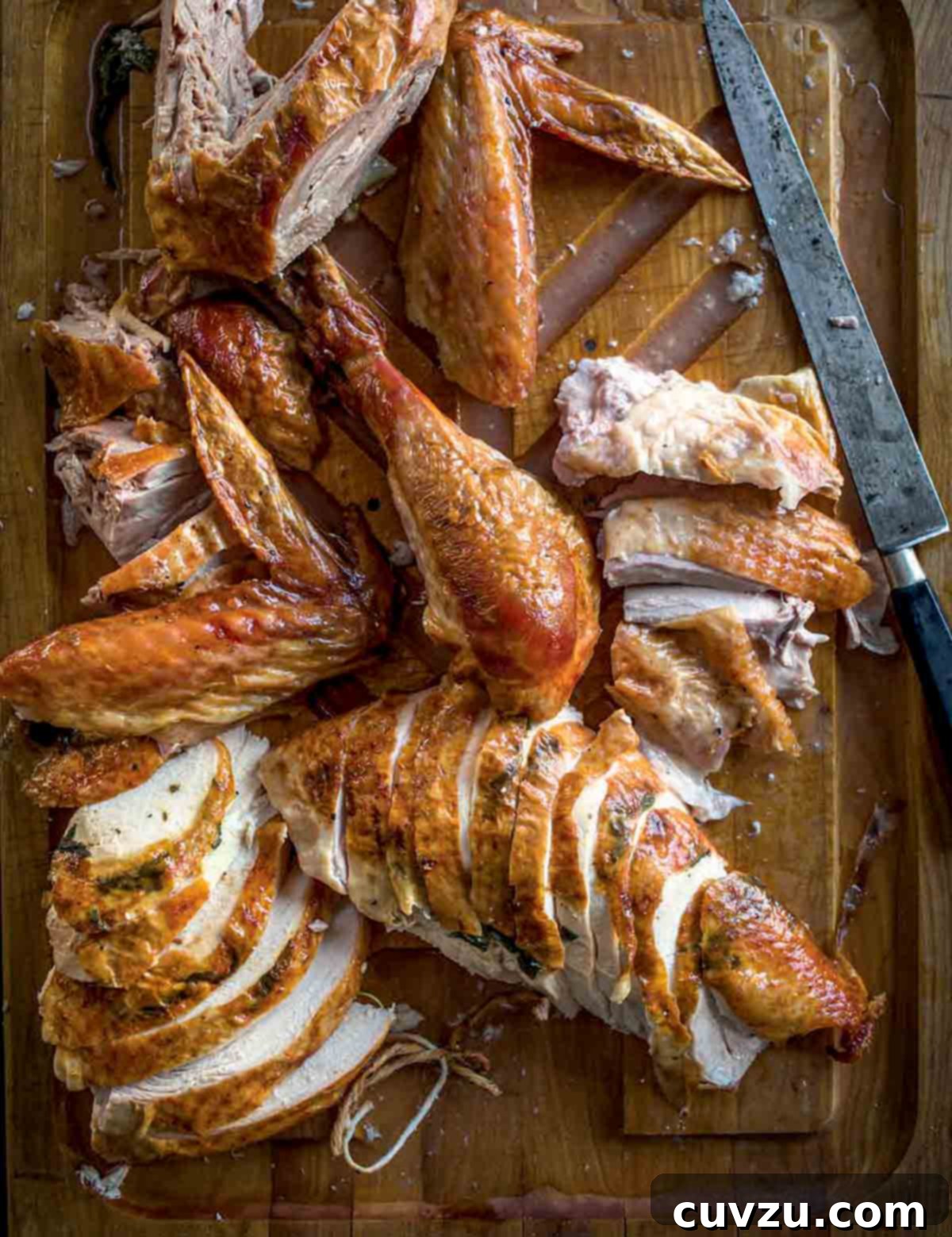
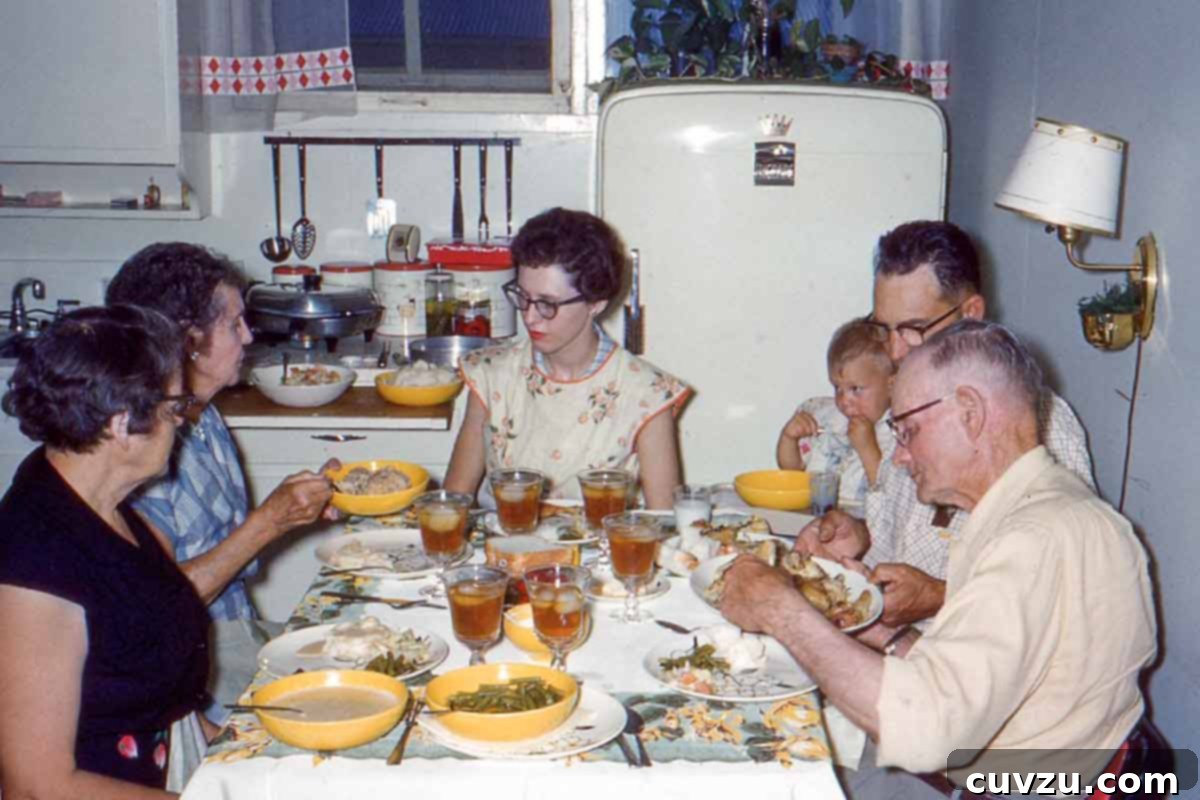
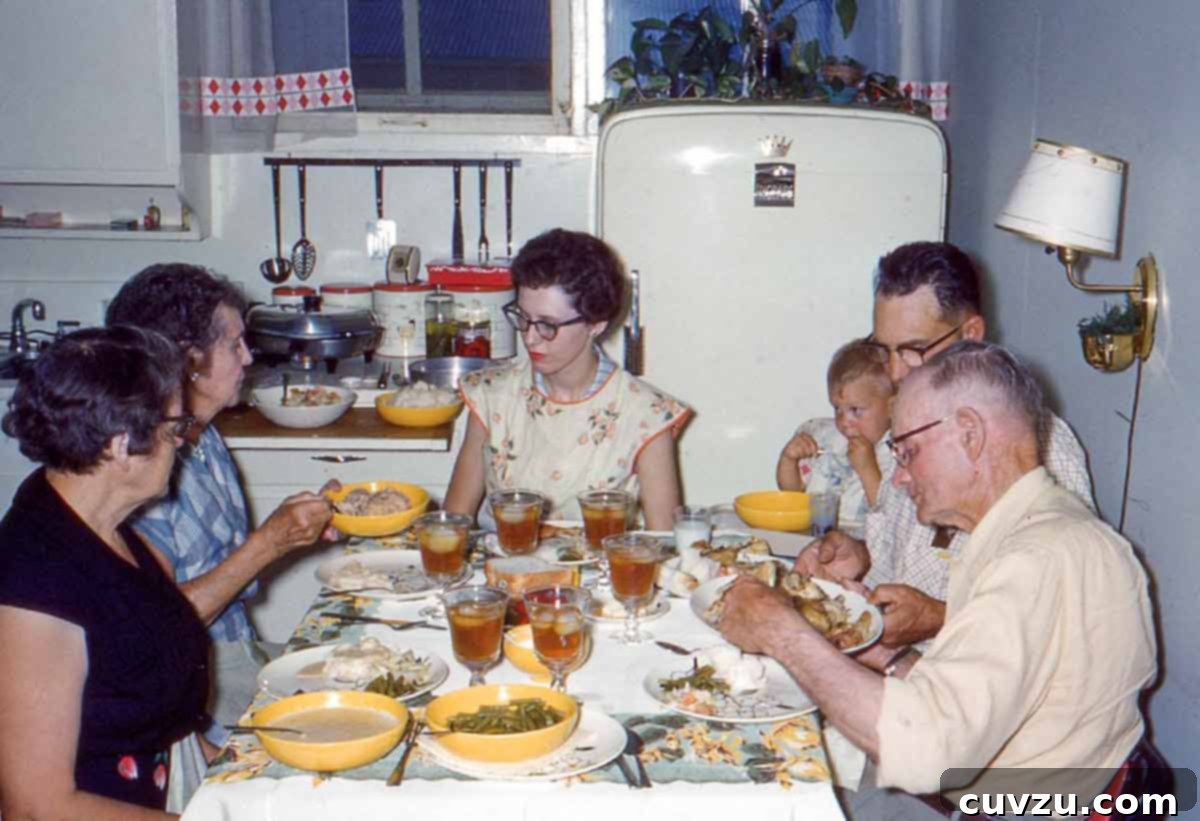
Growing up, Thanksgiving in our household wasn’t just a holiday; it was a grand, boisterous carnival of flavors, aromas, and spirited family banter. The moment everyone gathered around the dining table, the air practically crackled with anticipation. The women of our family, pillars of tradition and culinary excellence – a role that, in the 1960s, was universally embraced rather than questioned – transformed into lively carnie barkers, each championing their signature dish with unwavering pride and infectious enthusiasm.
As soon as my grandfather concluded his heartfelt grace, a joyous explosion of voices would erupt. “Step right up, young man! How about you, little lady!” they’d call out, their hands gesturing theatrically towards their culinary masterpieces. Their goal was simple yet fiercely competitive: to entice you to sample their Portuguese kale soup, their rich sausage stuffing, or their delicate chocolate and cinnamon swirl meringues. Each side dish was initially defended along strict immediate family lines, a delicious culinary allegiance that rarely wavered. That is, until the brave – or perhaps, foolhardy – first cousin dared to dip his fork into an aunt’s paprika-and-chouriço-roasted potatoes. At that precise moment, all culinary hell would break loose. Matrilineal loyalties would crumble faster than canaries in a mineshaft, signaling the true, unrestrained start of our annual holiday season.